
Crêpes designed for long rides
On a long ride, the hardest part isn’t always finding energy. It’s finding something you still want to eat after several hours, without feeling sickly, without a strange texture, and without tricky digestion.
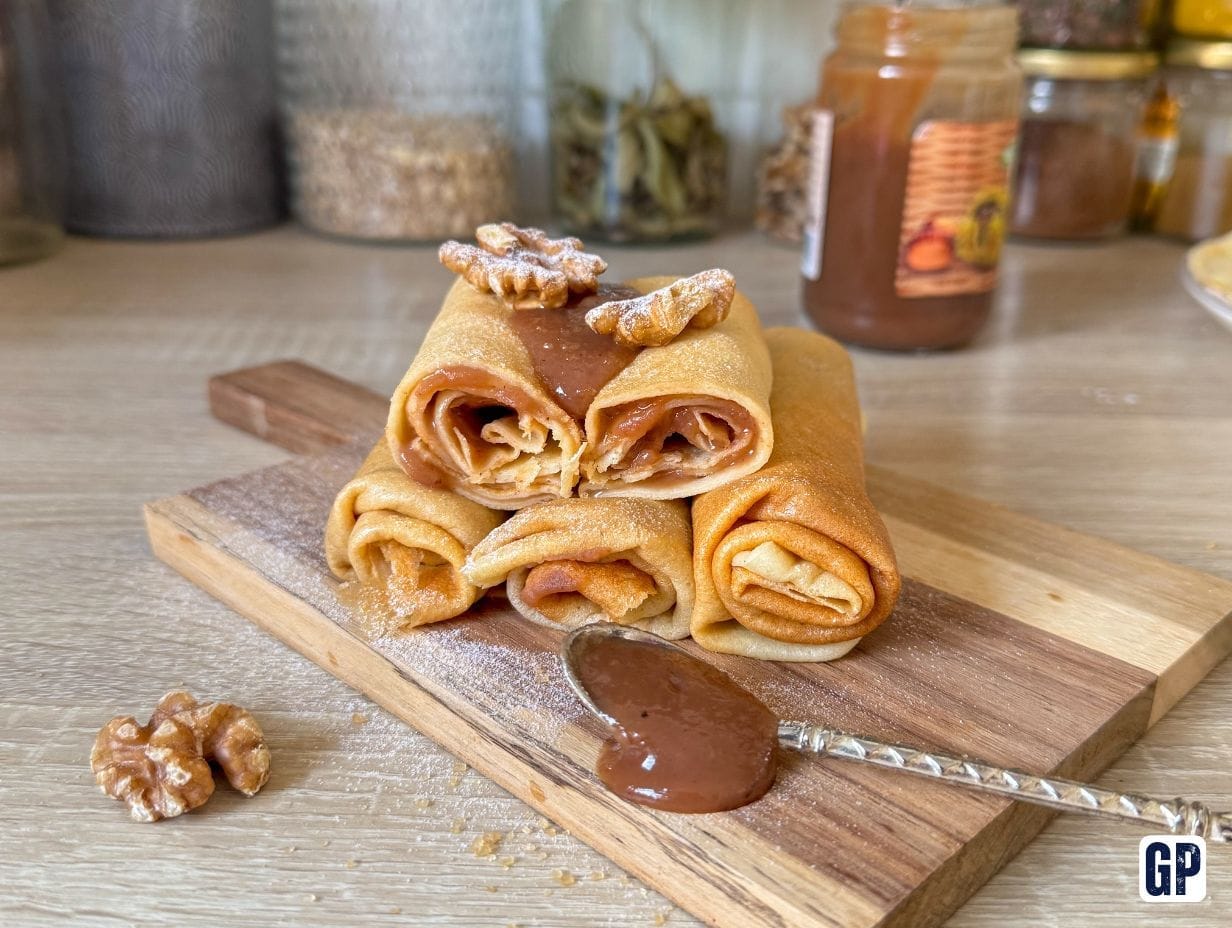
This recipe for crêpes with chestnut spread ticks that box: simple, carb-based, easy to pack, and genuinely pleasant to fish out of a jersey pocket when bars start to lose their appeal.
It comes from Justine, a professional cycling team manager and former rider, with a very practical, on-the-bike mindset: the idea isn’t to make a perfect teatime crêpe, but a digestible ride fuel to take on the bike, with some carbs available quickly and others that keep you going a bit longer.
Why chestnut spread works well on the bike
The base of the recipe brings carbohydrates via the flour, with a supple texture thanks to the plant milk, eggs, apple compote and oil. The chestnut spread then adds a sweeter element, easy to eat while riding.
That’s the main point of this ride fuel: mixing simple and more complex carbohydrates. The former give you a quick kick, the latter help you avoid a brutal energy dip, especially as the ride goes on.
In spirit, it’s close to other homemade bike recipes, like the salted caramel rice cake: few ingredients, an easy texture, and a proper back-pocket logic.
Ingredients
To make these crêpes to take with you, you’ll need:
- 200 g of flour
- 425 g of plant milk
- 2 eggs
- 1 tablespoon of oil
- 2 teaspoons of unsweetened apple compote
- 1 sachet of vanilla cane sugar
- Chestnut spread
You can adapt the flour to your habits: T45 flour, semi-wholemeal flour, or a blend of gluten-free flours. The key point is the final texture. It should stay supple, but not too runny, to get a crêpe that rolls well and travels without ending up as a sticky paste at the bottom of the packet.
Make a supple batter, not an overly rich dessert batter
Start by mixing the dry ingredients in a bowl: the flour and the vanilla cane sugar.
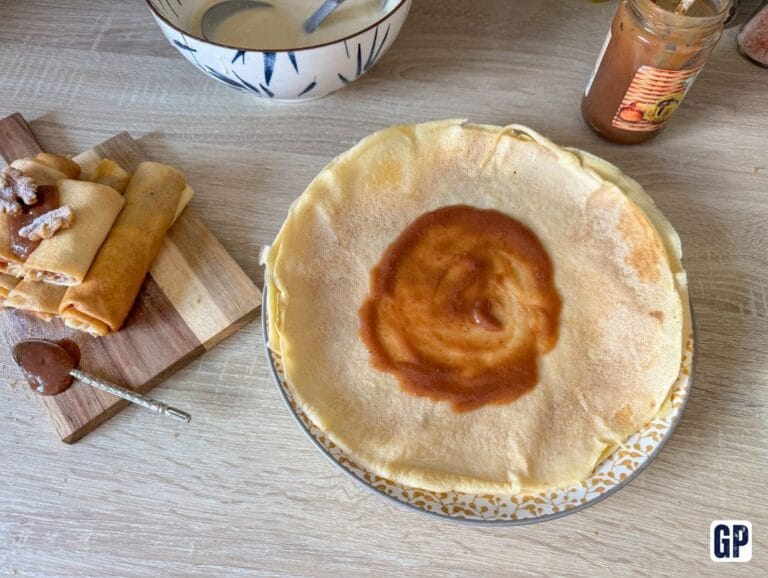
Make a well, then add the eggs, the apple compote, the oil, and part of the plant milk. Mix gradually, adding the milk little by little.
A small but important detail: depending on the flour you choose, you may need to adjust the amount of milk. A semi-wholemeal flour or a gluten-free blend can absorb differently. It’s better to pour gradually than to try to fix a batter that’s become too runny.
The aim is to get a fluid batter that’s still firm enough to make crêpes that are easy to handle.
Cooking: simple, quick, no need to chase the perfect crêpe
Heat a frying pan or crêpe pan, with a light film of oil if needed.
Pour in a ladleful of batter, cook, flip, then set aside. There’s no point making them too thin: for a long ride, a slightly more structured crêpe will often be easier to roll, to wrap and to eat on the bike.
When the crêpes are ready, add 1 to 2 tablespoons of chestnut spread in the centre, then roll them up.
At this stage, you can keep them whole, or cut them in two if you prefer portions that are easier to grab while riding.
How to pack them for a long ride
How you carry them makes a real difference. A good ride-fuel recipe can become a pain if it sticks, leaks or falls apart in your pocket.
The simplest option: use small reusable plastic bags, or wrap the crêpes in baking paper, then cover with a little aluminium foil. The baking paper stops the crêpe sticking too much, the foil helps hold the shape.
For long rides, it’s best to prepare portions that are easy to open. An oversized, overfilled or badly rolled crêpe quickly becomes less practical when you need to eat without stopping for long.
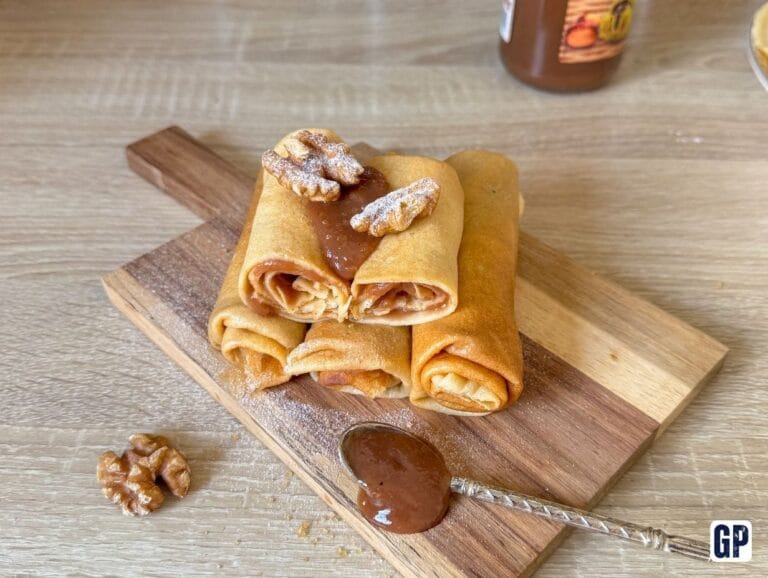
Variation: jam instead of chestnut spread
Chestnut spread gives a dense, sweet texture that is fairly filling. But it can be replaced with jam if you prefer something fruitier, lighter on the palate, or simply easier to find in the cupboard.
The logic stays the same: an easy-to-digest crêpe base, a sweet addition for energy, and a portable format.