

Former Irish international rider Mel Sutcliffe is taking over Raleigh and Lapierre via Quanta Capital, after the collapse of Accell Group. The deal pulls two heritage brands out of a very uncertain spell, but it still leaves many questions unanswered.
The purchase price hasn’t been disclosed. Nor have the operational details.
Raleigh and Lapierre leave the Accell fold
Raleigh and Lapierre were part of Accell Group, the Dutch group placed into insolvency proceedings after several months of financial strain. This story isn’t just about two familiar bike brands; it also signals the end of a highly aggressive growth model in the cycle industry.
The Sunday Times reports that a restructuring proposal for the entities behind Raleigh and Lapierre is led by Quanta Capital, with the support of the companies’ senior secured lenders, to whom around 300 million euros is owed.
Mel Sutcliffe did not comment on the deal to The Sunday Times. The exact amount paid to take over Raleigh and Lapierre remains unknown.
Why Lapierre matters directly to French cyclists
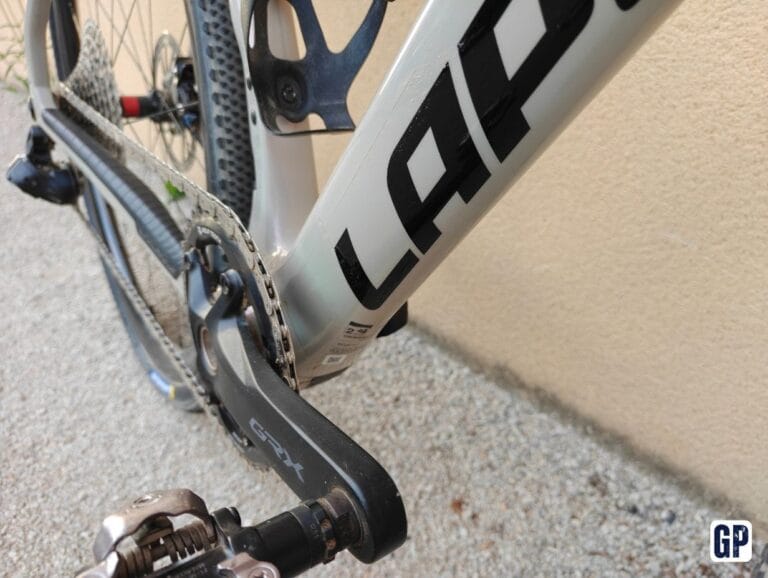
Lapierre is not a peripheral brand in the French market. Its catalogue spans road, MTB, e-bikes and gravel, with a long-standing, very strong presence in shops and in the French cycling psyche.
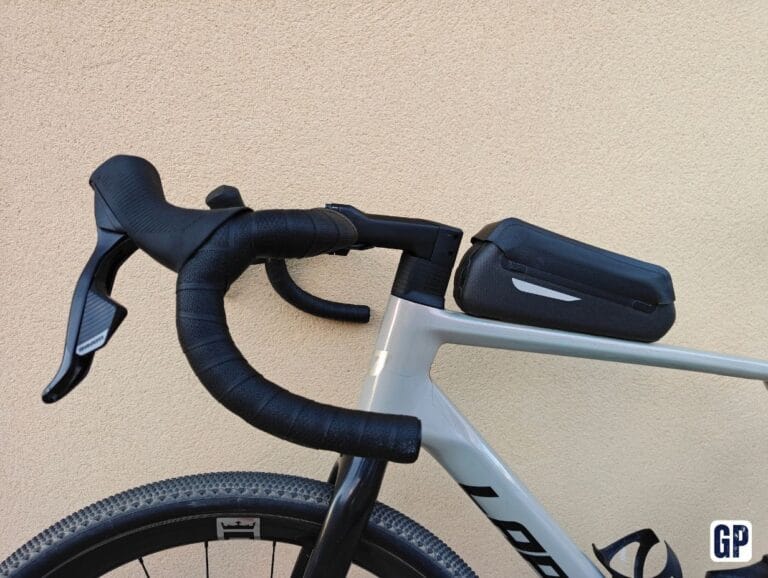
On the gravel side, the brand notably pushed its performance positioning with the Lapierre Crosshill CF, a carbon gravel bike that clearly showed Lapierre’s desire not to remain confined to a purely generalist image.
The takeover by Quanta Capital can therefore be read as good news for stability. But it’s too early to draw conclusions about Lapierre’s future ranges, prices or commercial presence in the coming months.
Accell - a collapse that sums up the post-Covid excesses
Accell Group was bought in 2022 by a consortium led by KKR for 1.8 billion euros. The bet largely relied on the continued growth of e-bikes after the years of strong demand linked to the pandemic.
The reversal was brutal. Accell posted a profit of 27 million euros in 2024, but growth failed to keep pace. The following financial year ended with a loss of 390 million euros.
This trajectory mirrors a broader sector trend: inventories that are too high, normalised demand, margins under pressure and groups forced to sell assets. We had already analysed it in our deep dive on the fragmentation of the bicycle market, where the multiplication of brands makes financial balances particularly fragile.
A brand-by-brand break-up
The takeover of Raleigh and Lapierre does not save Accell Group as a whole. The group is now being carved up, asset by asset.
Van Nicolas had already been sold in January. In February, Accell’s lenders took control from KKR after a fresh debt restructuring. A takeover plan by the Singaporean fund DuTech Group then looked possible, before failing and pushing Accell into insolvency.
DuTech Group ultimately picked up several brands, including Winora and Haibike. Quanta Capital, for its part, is taking hold of Raleigh and Lapierre.
Mel Sutcliffe - a buyer who knows the sector
Mel Sutcliffe isn’t entering the cycle industry as a purely financial investor. He raced for the Irish national team from the late 1980s to 1996, then founded Eurocycles, which became one of the major bicycle distributors in Ireland.
He also knows Raleigh well. Sutcliffe had previously owned Raleigh Ireland before selling the business to Accell Group in 2016.
This proximity to cycling doesn’t guarantee the success of the takeover. It does, however, change how the case is read. Raleigh and Lapierre aren’t being acquired by a player completely outside the market, but by a leader who has already worked on distribution, brands and the commercial realities of the cycle trade.