
Compression socks can sound like easy wins. Better circulation, fresher legs, faster recovery, sometimes even improved performance… hard to know what is left once the shoes are tightened and the ride starts.
I began this review with a few preconceptions. Not because compression was new to me – on the contrary: used to occasionally wearing medical-grade compression for venous circulation issues, I already know that sensation on the legs well. I was therefore curious to see what a product designed for sport could bring, without confusing it with a medical device.
Two STOX models landed on test: the Cycling Socks, designed for riding, and the Recovery Socks, intended for after the session. The first pair pleasantly surprised me. The second genuinely convinced me.
Strengths:
- Graduated compression evenly distributed and genuinely noticeable
- No pressure points felt in the shoes
- Very good moisture management on the Cycling Socks
Could be better
- Putting them on takes time and technique
Serious graduated compression, not just a high sock
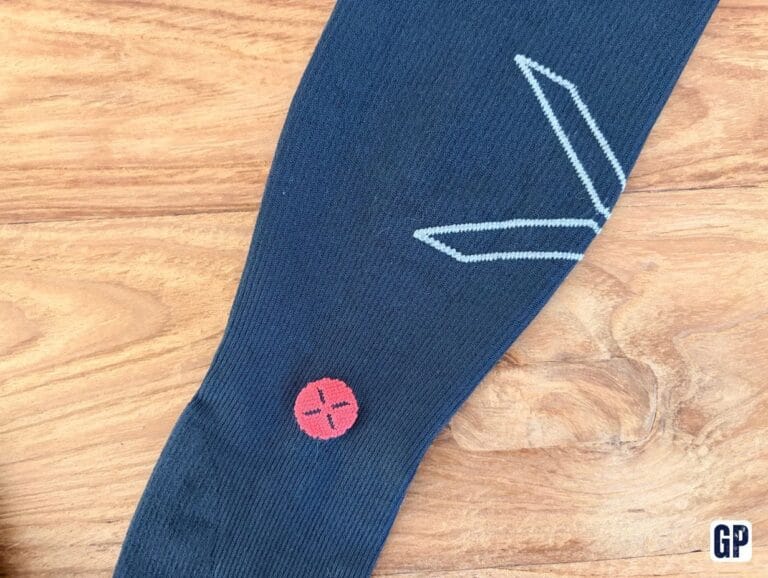
Both pairs are built on the same principle: graduated compression of 23 to 32 mmHg, equivalent to class 2 compression. Pressure is strongest at the ankle, then gradually decreases up the calf.
STOX designs its products in Amsterdam and manufactures them in Italy. The brand cites circular knitting, as well as compression control using Swisslastic AG equipment. So it is not just about making a tall, tight cycling sock: pressure distribution is truly central to the product.
As always with compression, you have to separate sensations, brand promises and what the science can actually support. For immediate on-bike performance, the evidence remains cautious. For recovery, the available results are more interesting, notably for muscle sensations and force recovery after exercise.
STOX Cycling Socks: easier to forget than expected
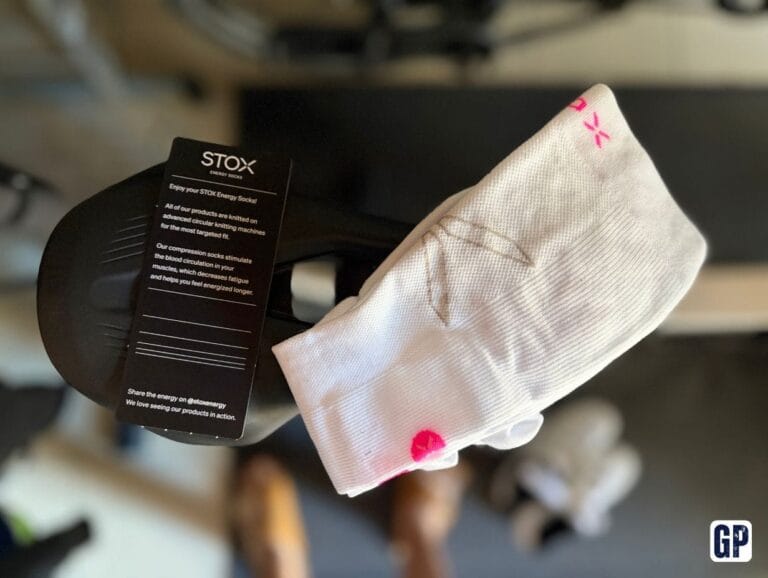
The Cycling Socks sit just below the knee. They pair the 23-32 mmHg graduated compression with Dryarn fibres, a padded forefoot, a midfoot support band and open-mesh zones for ventilation.
The spec is fairly technical: 50% Dryarn, 32% polyamide, 18% elastane. The tested model is listed at €49.95 on the STOX website. At that price, I expected more than a simply well-cut sock.
Even before riding, one point becomes obvious: this pair does not go on like a standard cycling sock. You need to turn part of the sock inside out, position the foot and heel correctly, then gradually roll the fabric up the leg.
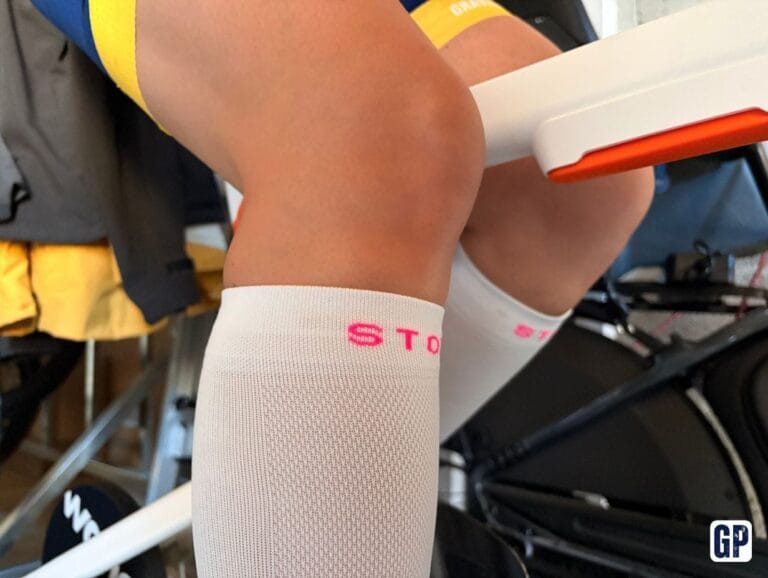
Once in place, the feel changes markedly. Despite the high level of compression, I did not have any pressure points in my cycling shoes. The foot settles in naturally, the fabric stays soft, and the feeling of support does not become intrusive.
That was the biggest surprise. I expected compression to be very noticeable, almost overbearing. In the end, after a few minutes, I stopped thinking about it. The leg feels supported, but without any sense of being constrained.
I also had that rather pleasant sensation of having ‘good legs’. It is hard to quantify, and I will not make it say more than it does. I did not notice any magic watts gained, nor the impression of jumping a level simply by wearing these socks. On comfort and support though, the experience is very positive.
On the turbo trainer, the breathability surprised me
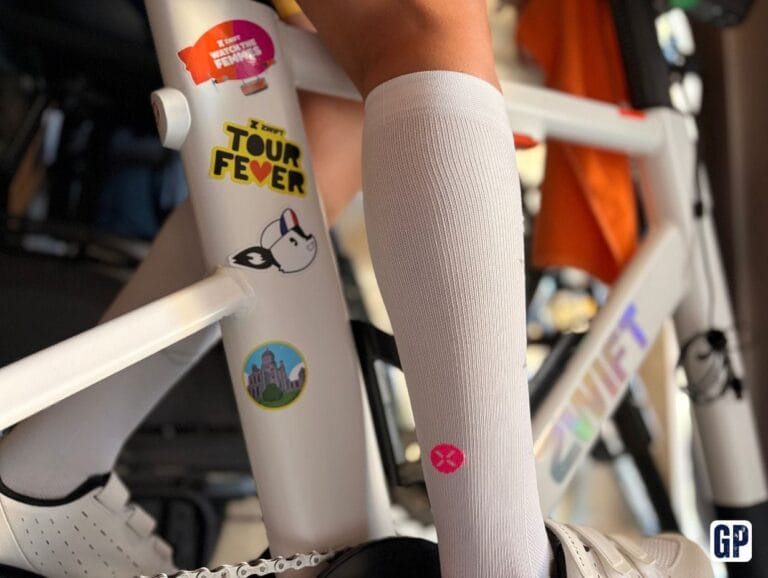
I used the Cycling Socks a lot on the turbo trainer. It is not the most glamorous testing ground, but it is quite revealing for judging moisture management.
Even with a fan, air flows less well than outdoors. Heat builds quickly, and so does sweat. With a compression sock that tall, the risk was obvious: ending up with a damp, heavy, unpleasant fabric.
That is not what I felt. The ventilated zones and Dryarn fibre do their job. After sessions that were fairly hot, I did not end up with a sock that was completely soaked or stuck to the foot.
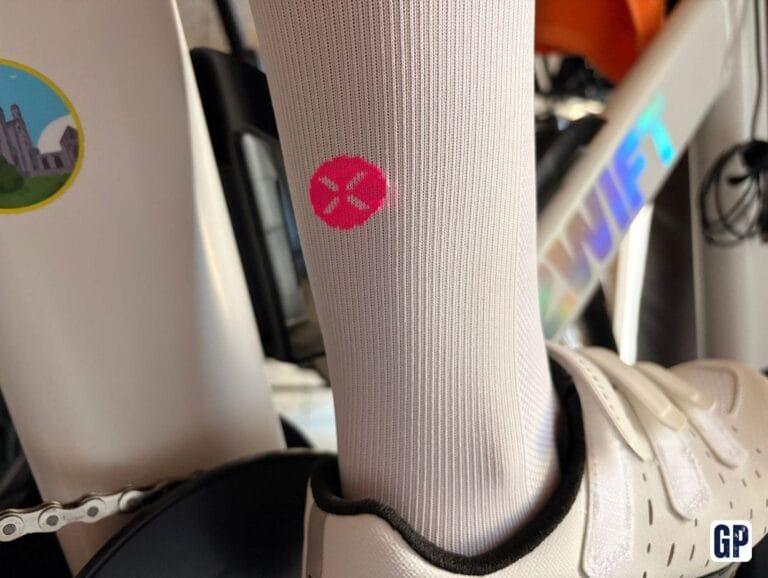
The foot remains comfortable, the sock does not move, and the support almost becomes a reference point during the effort. For regular indoor sessions, or a warm-up on the turbo trainer before a race, I see real value in them.
Not a sock for heatwaves
Breathability is good, but let’s be honest: you are wearing a compression sock that covers almost all of the lower leg.
At the end of summer, on a morning ride or in moderate temperatures, I found them very pleasant. At 35 °C, I would choose something else. A shorter, lighter, less enveloping sock.
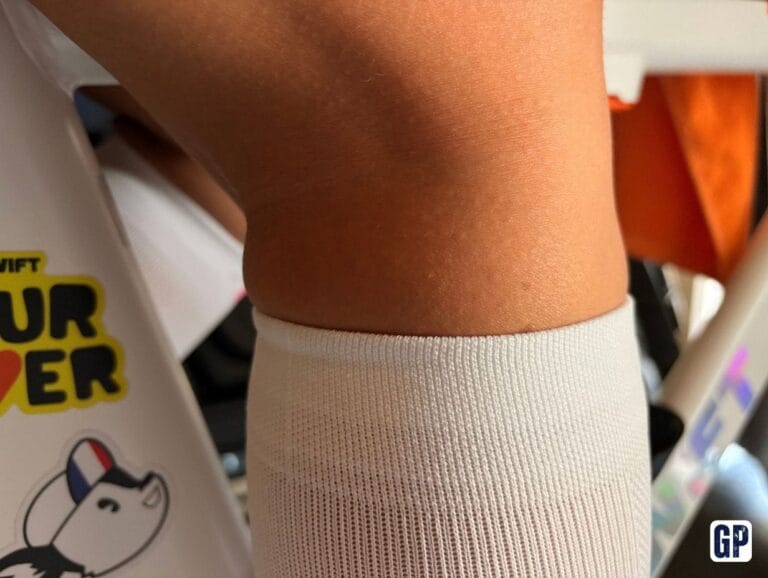
This is not a deal-breaking flaw, more a limitation of use. STOX has done a good job with moisture, but overall thermal comfort also depends on height and compression level. Those who often ride in high heat will need to bear that in mind.
STOX Recovery Socks: the real keeper
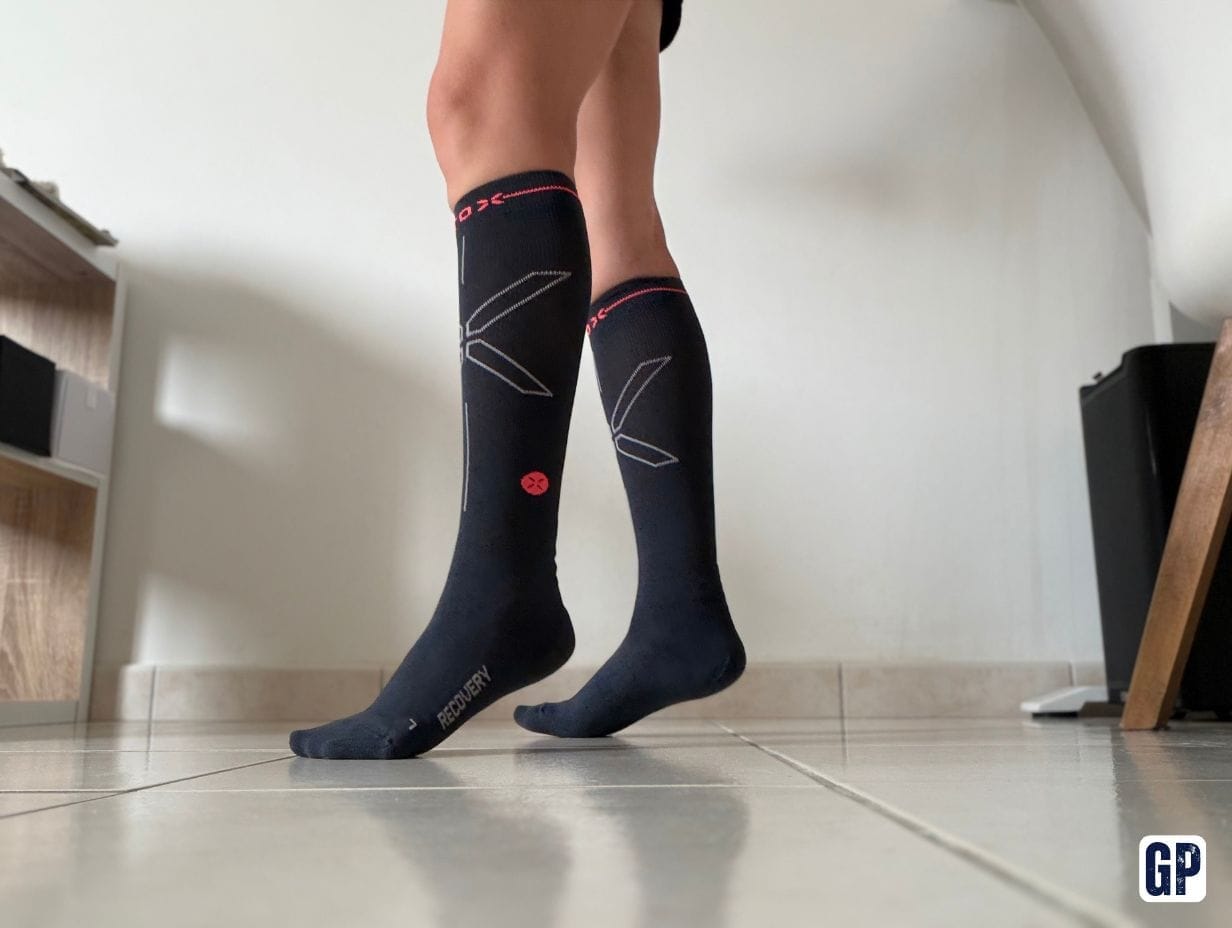
The Recovery Socks also use graduated compression of 23 to 32 mmHg, but their use is different. They are made to be worn after training, sometimes for several hours, with a softer fabric and a construction designed to limit friction.
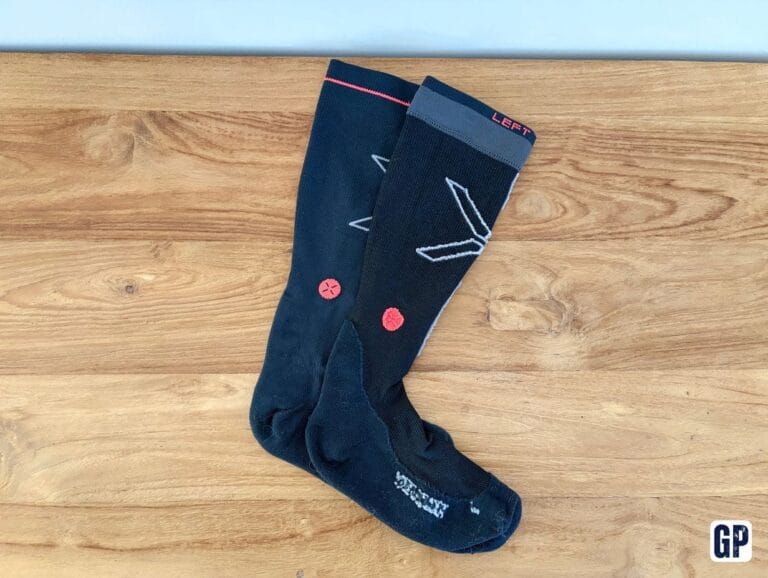
The composition changes to 88% polyamide, 12% elastane. STOX adds a seamless construction, a padded footbed, an extended heel and a left/right-specific anatomical fit. The price is also €49.95.
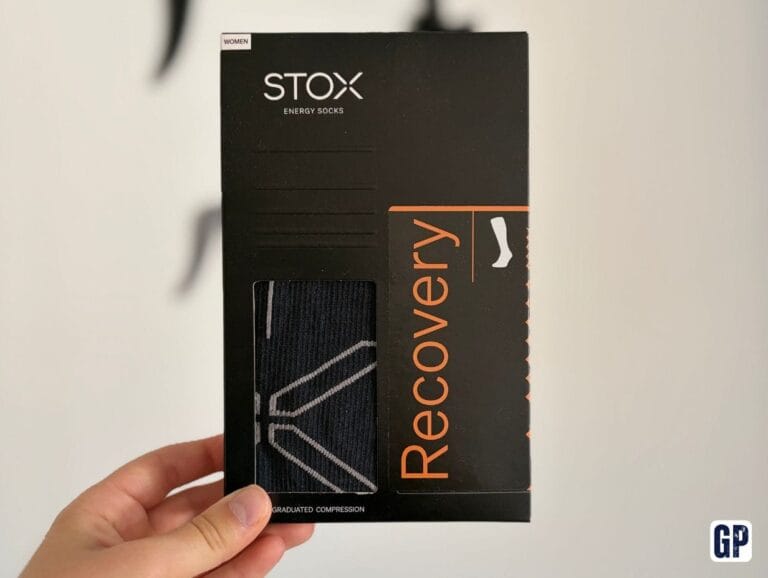
Putting them on still requires technique and strength in the hands and wrists. Even being used to compression, I take a few minutes to position them correctly. For someone completely new to compression, the first uses can be surprising.
But once the sock is properly distributed, the benefit appears quickly. The compression feels uniform, progressive, present without becoming harsh. I feared finding a sporty product a bit watered down compared to the sensations I know from medical compression. That is not the case.
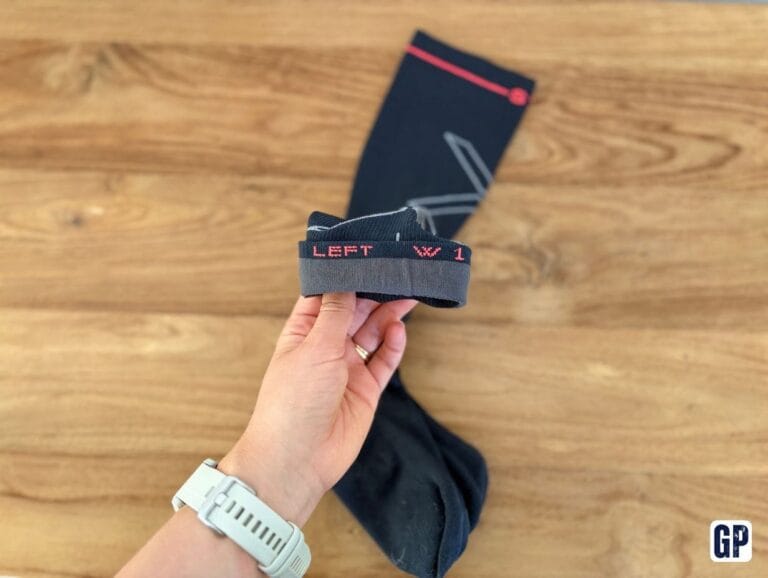
Light legs, and a sock you actually keep on
The contrast is almost funny: they take effort to put on, then the sock ends up disappearing.
The fabric is soft, the cuff does not squeeze excessively, and I never had that trussed-up feeling. Even with slippers over the top, I could carry on with my day as normal. In fact it happened several times: I put them on after a session, then kept them on for hours.
The feeling of light legs is clear. And sometimes it was when taking them off that I felt their effect most. After several hours with the Recovery Socks, the return to heavier legs was immediate.
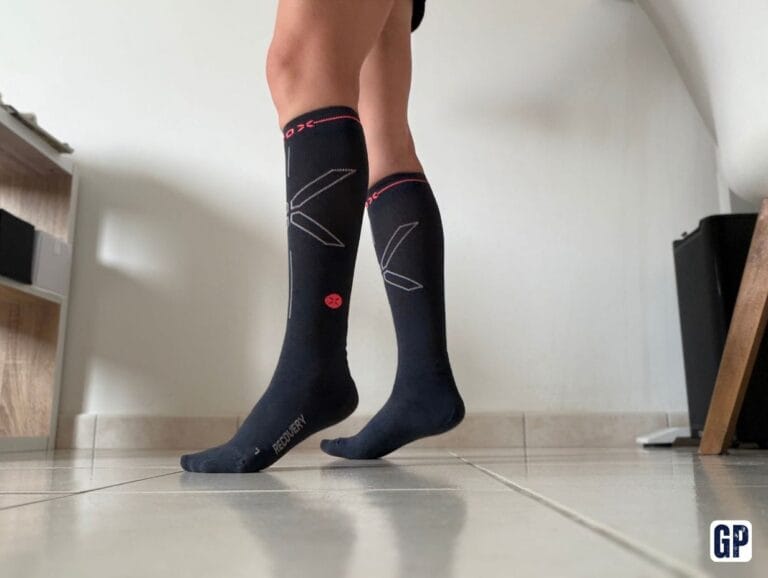
The next day, it is harder to say anything conclusive without a protocol. I cannot claim these socks precisely reduce my recovery time. That would be excessive. But during the periods when I used them after exercise, I felt I got better legs back more quickly, especially after intense sessions.
That feeling was convincing enough that I wanted to keep using them after the review. That is often when a product moves from a simple test into a real routine.
The effort-then-recovery combo works well
Over the weeks, a routine established itself quite naturally: Cycling Socks during the session, shower, then Recovery Socks for the following hours.
Ultimately, it is this combination that I liked most. The Cycling Socks offer comfortable support during the effort, with no discomfort in the shoes. The Recovery then take over with compression that is easier to live with over time.
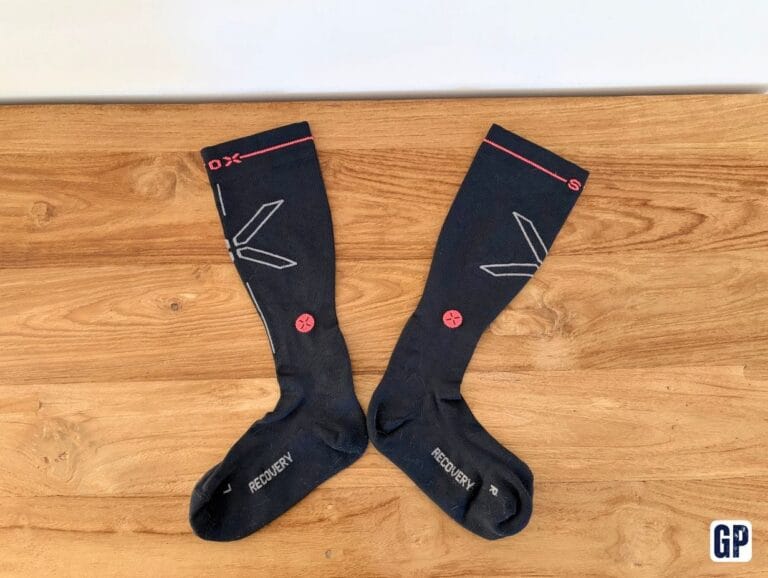
I would not present this duo as a miracle solution. But for cyclists who string sessions together, who often have heavy legs or who like to structure their recovery, there is something very logical about this use.
Recovery remains a broader topic than accessories. Sleep, nutrition, hydration, training load: socks do not replace the basics. They can, however, slot into a routine, like other compression tools we have already tested, notably the Reboots Go X Lite boots.
Compression on the bike: useful, but not for the wrong reasons
This is where the wording must remain precise. Compression garments cannot be presented as an obvious way to ride faster. Studies on immediate performance show variable results, often small or not significant.
Recovery is a more favourable ground. A meta-analysis covering 23 studies observed small overall benefits from compression garments after exercise, with interesting results for force recovery and certain performances 24 hours after the effort.
Put differently: buying compression socks to gain a few watts simply by wearing them is probably not the best reason. Using them because you appreciate the support, and above all because they help you handle the post-ride period better, seems much more accurate to me.
That also aligns with our broader approach to recovery in cycling: an accessory can help, but it does not make up for a poorly managed load or insufficient rest.
Which pair should you choose?
If I had to keep only one, the choice would be very simple: the STOX Recovery Socks.
This is the pair I would recommend first to a cyclist curious to discover compression. The perceived benefit is more obvious, the use easier to justify, and the comfort good enough to wear them for a long time after a tough ride, a demanding indoor session or a race.
The Cycling Socks are more specific. I found them comfortable, well ventilated and surprisingly easy to forget once in place. But their interest depends a lot on your relationship with compression. If you like that feeling of support, they can become very pleasant. If you are mainly seeking a measurable performance improvement, the purchase will be harder to justify.
An important point: these sports compression socks do not replace prescribed medical compression. In case of venous disease, doubt or particular symptoms, the matter should remain medical.
My verdict after several weeks
I went into this test sceptical and came out more convinced than expected.
STOX is not offering gimmicky compression. It is genuinely present, progressive and well distributed. Above all, it remains comfortable, which is not so easy with such a marked level of pressure.
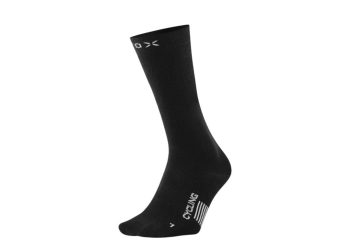
The Cycling Socks won me over for their support and breathability, especially on the turbo trainer. They do not become essential, though. The Recovery Socks, on the other hand, found a much more natural place in my post-exercise routine.
The best sign is quite simple: once the notes were taken and the review finished, I kept using them.