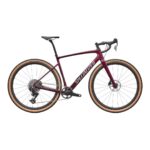
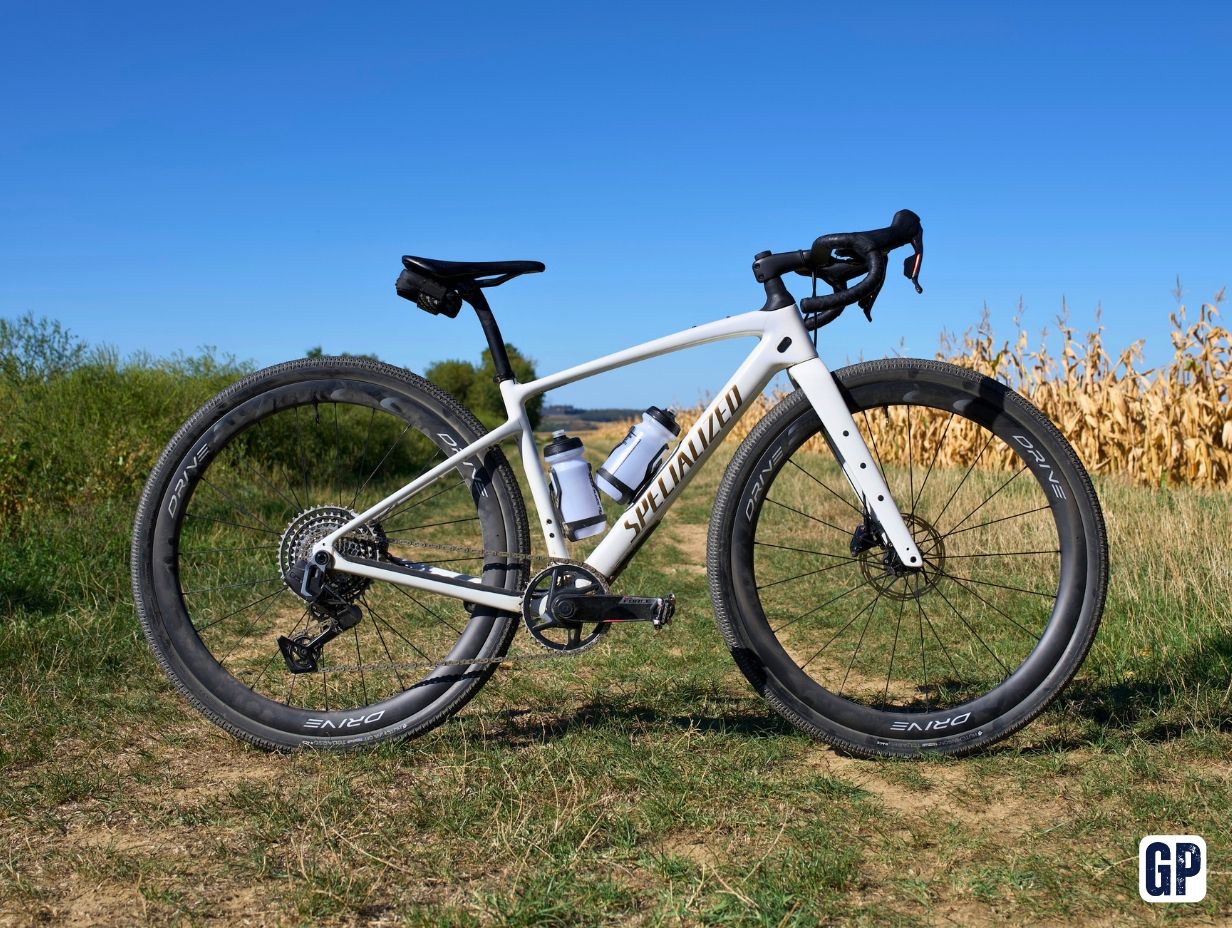

The Specialized Diverge 4 Pro is presented as a gravel bike capable of riding fast, going far, smoothing out bumps and staying efficient when the terrain gets rougher.
It’s ambitious. And not entirely untrue. But after riding it, I wouldn’t sum it up as a race bike. This Diverge mostly felt to me like a high-end adventure gravel bike – stable, very practical, but less taut and less incisive than its pitch suggests.
The version tested here is the Diverge 4 Pro SRAM Force XPLR, listed at €7,999 by Specialized. It’s the top build just below the S-Works, with a FACT 9r carbon frame, Future Shock 3.3 suspension, and Roval Terra CL III wheels.
A fine build, yes. But also a bike that asks you to look closely at what this price actually brings.
Strengths:
- Reassuring stability on mixed terrain
- SWAT 4.0 storage that is genuinely useful
- Tyre clearance up to 50 mm
- SRAM Force XPLR groupset - smooth and complete
Could be better
- High price for the specification
- Cabling still visible at this price point
- No carbon cockpit even on the Pro build
Where the Diverge 4 Pro sits in the Specialized range
At Specialized, the Diverge 4 exists at several levels: S-Works, Pro LTD, Pro, Expert, Comp, Sport, then an aluminium Comp Alloy version. The Pro therefore occupies a particular spot: it does not have the S-Works FACT 11r frame, but it is the highest-spec version with the FACT 9r carbon frameset, just below the Pro LTD.
It has a threaded bottom bracket (good point), a UDH hanger, and integrated SWAT storage in the down tube. Specialized claims a weight of 8.72 kg for the Diverge Pro in size 56.
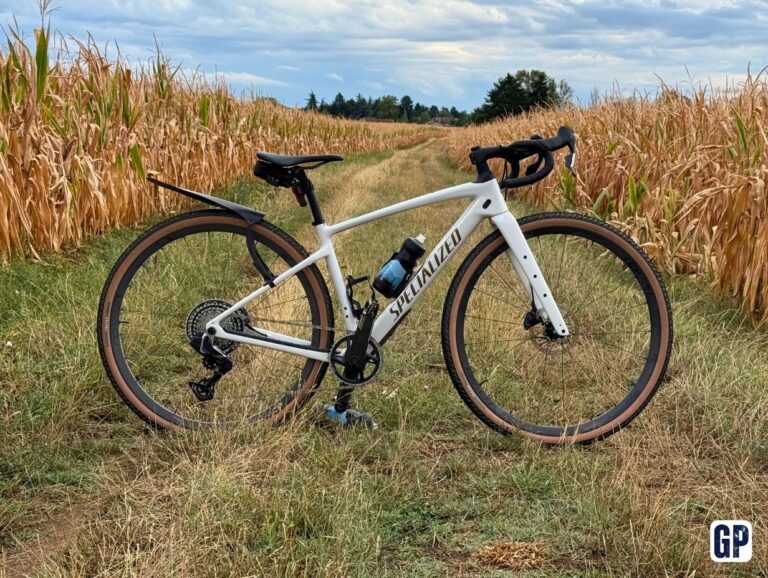
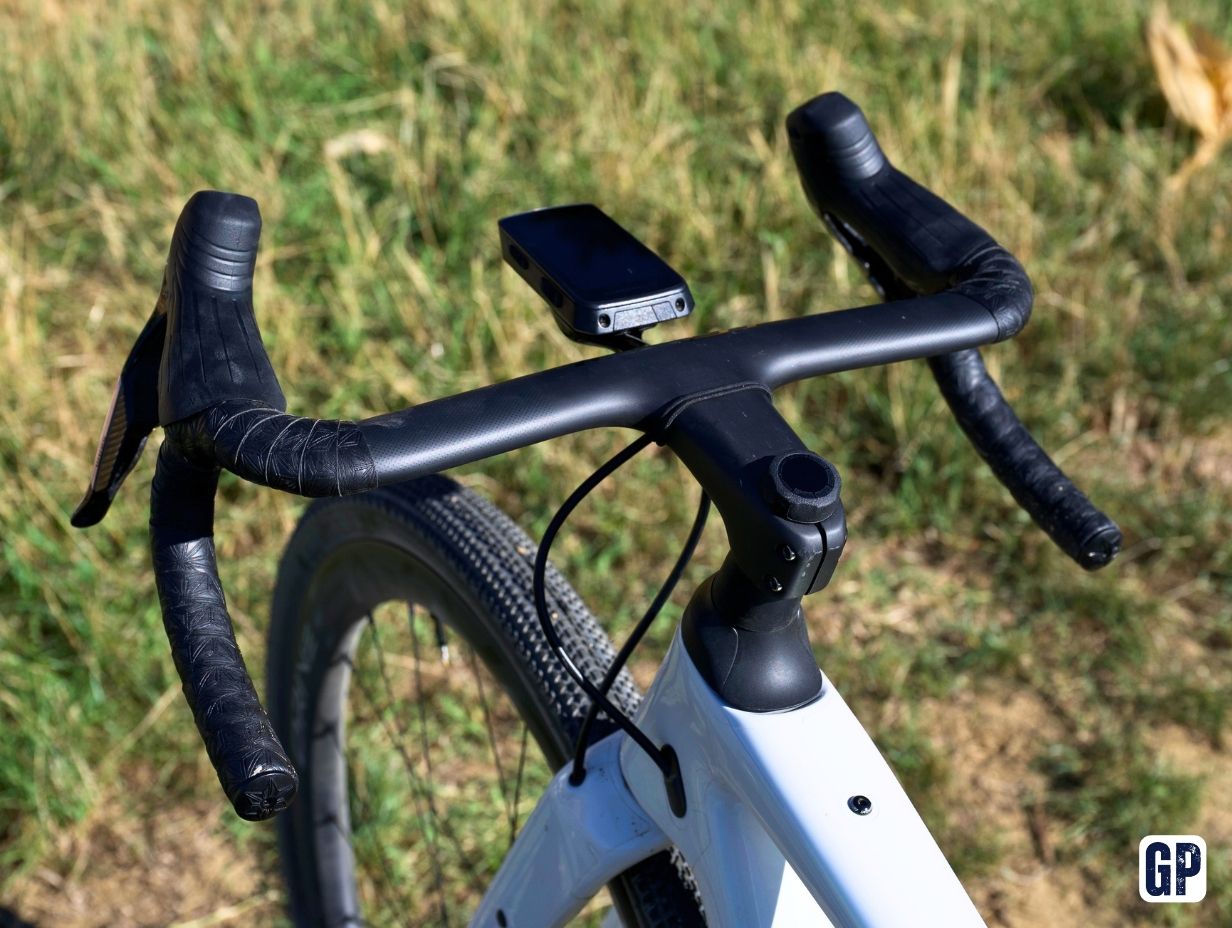
The stock build gets a Specialized Pro SL aluminium stem and a Roval Terra carbon handlebar.
Important note: the bike I rode was fitted with the Roval Terra integrated cockpit, normally reserved for the S-Works version.
Unfortunately, this is not the cockpit supplied on the Diverge 4 Pro as standard. It’s a pity, because on a bike that’s almost €8,000, the cockpit counts a lot in how the level of finish is perceived.
Marketed for racing, but the fit is distinctly adventure
Specialized presents the Diverge 4 as a bike “designed for racing and certified for adventure”. In practice, I clearly recognise the second part of that sentence. Much less the first.
The position is quite upright, notably because the Future Shock adds height to the cockpit. You feel high on the bike, settled in a rather relaxed stance. Not slumped, not soft, but clearly less aggressive than what I expect from a gravel bike “designed for racing”.
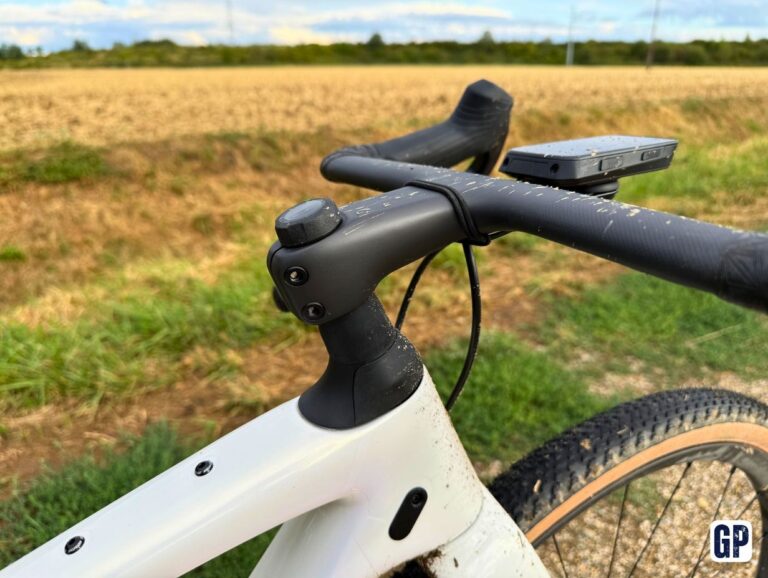
That’s not necessarily a flaw. For long rides, on varied terrain, with a forgiving bike that doesn’t require constant pressure over the front, this position makes sense. But if the goal is fast races, with a more committed position, the Diverge 4 Pro doesn’t deliver that sensation.
Stable, planted, never vague
Where the Diverge scores highly is stability. The rather mid-length wheelbase (from 1019 mm to 1081 mm depending on frame size), the fairly high position and the modern geometry produce a bike that remains easy to control when the surface deteriorates.
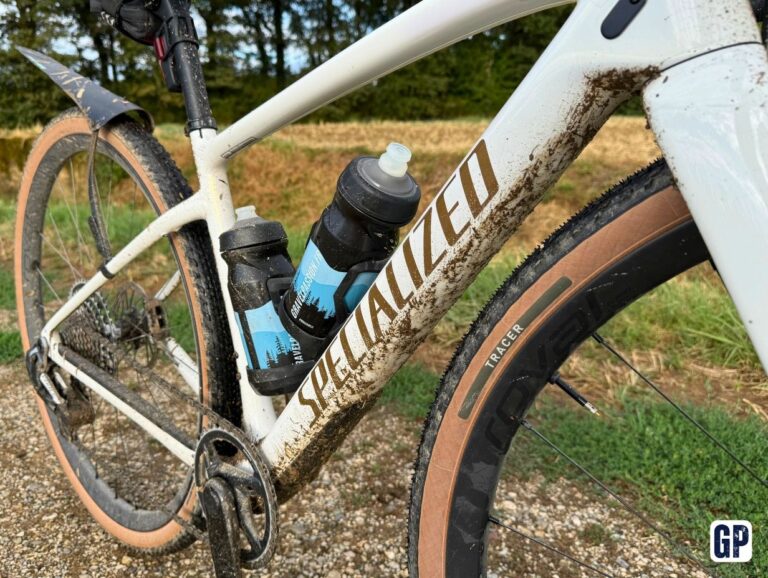
There’s no vagueness in the bends. Lines stay tidy, the bike doesn’t feel like it’s coming apart when you arrive a bit too hot into a loose section. It’s reassuring, especially on open trails, with grip changes, rocks, ruts or faster, slightly choppy stretches.
But this stability comes at the expense of a less lively character. The Diverge 4 Pro isn’t the snappiest bike I’ve ridden. It doesn’t leap forward under power, it doesn’t give that feeling of responding instantly to every change of pace.
It rolls well, of course. The frame is serious, the groupset is excellent, the wheels don’t weigh the bike down. But it’s not a gravel bike that spontaneously makes you want to sprint everywhere. It prefers to hold its line, filter some line-choice mistakes and carry pace over time.
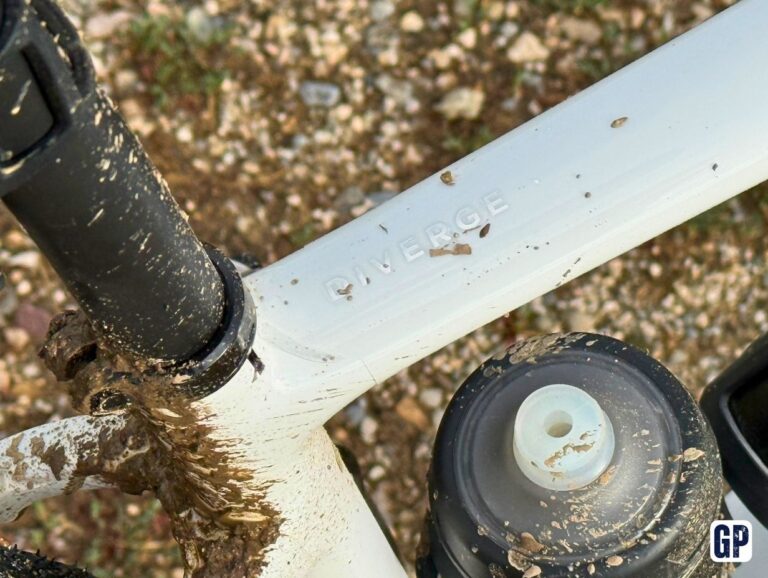
With the Roval wheels, less comfort than expected
The Diverge 4 Pro comes stock with Roval Terra CL III wheels, 27 mm internal width and 25 mm height. They are a good match for the bike’s intent: not too tall, fairly wide, designed for modern gravel tyres.
On my test bike, they were paired with Specialized Tracer tyres set up tubeless. Despite appropriate pressure, I found the package quite firm. Not uncomfortable enough to spoil the bike, but stiffer than I expected with a Future Shock up front.
It was even one of the things that surprised me most. On paper, the Diverge has everything to be very comfortable: generous tyres possible (up to 50 mm), steering suspension, long geometry, Roval Terra seatpost. Yet with this wheel/tyre setup, I didn’t find it particularly plush.
The feel is nothing like the Scott Addict Gravel, which I found clearly more comfortable in its category. The Diverge is stiffer, harsher in some of the feedback, with a rear end that doesn’t always give that impression of natural filtering.
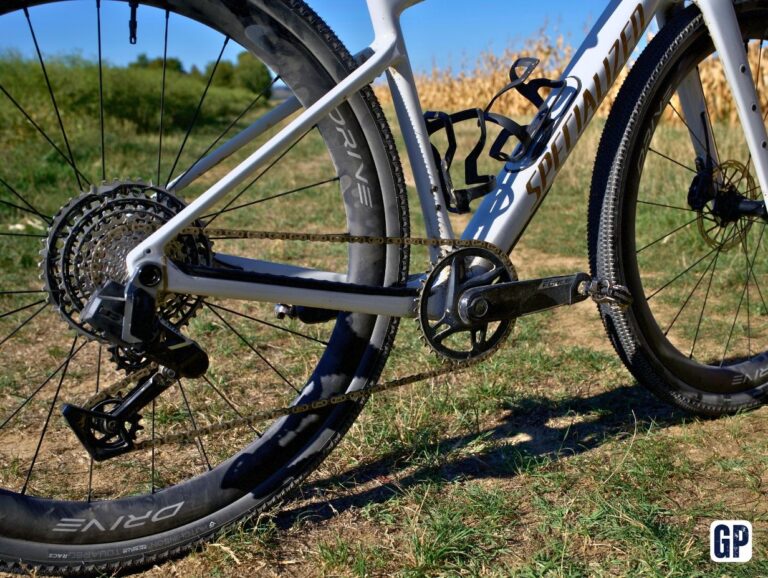
Elitewheels G42 noticeably change its behaviour
I also rode the Diverge with Elitewheels Drive G42. And the bike came alive.
Taller wheels give it more response on rolling sections. The bike seems to hold speed better, it feels more efficient as soon as you settle into a steady pace. It’s not a magical transformation, but it’s enough to make the Diverge feel more lively.
I also found the Elitewheels less harsh, less “bone-rattling” than the Rovals in this configuration. It’s quite interesting, because you might expect the opposite from a taller rim. Here, they brought both a bit more efficiency and a more pleasant comfort.
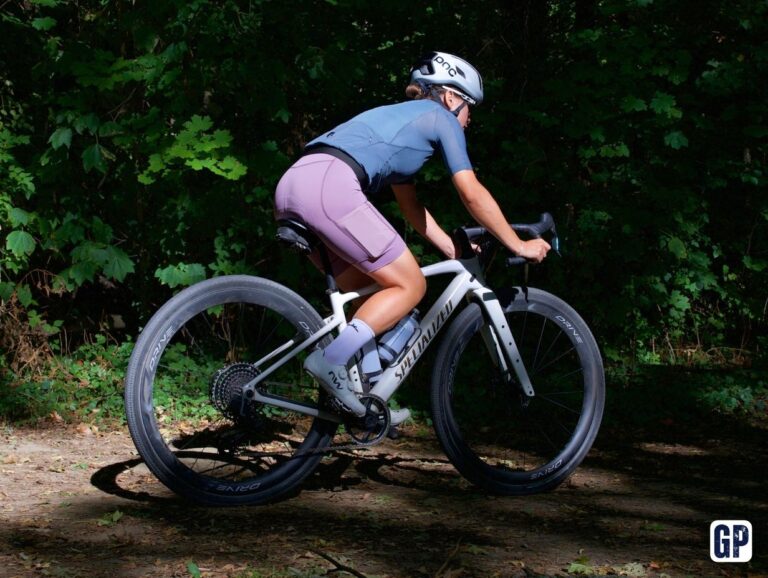
This says something about the Diverge: the chassis is good, but it seems quite sensitive to wheel and tyre choice. With the stock setup, it can feel a bit tame and firm. With a more dynamic pair, it regains some character. But the Diverge’s DNA seems more “chic tractor” than taut thoroughbred.
Future Shock 3.3: useful, but not magical
The Future Shock 3.3 is one of the Diverge’s key elements. This suspension system sits between the stem and the frame, with 20 mm of travel. Adjustment is done easily by hand via a dial above the stem.
In use, I found the concept pleasant. When the Future Shock is open, you feel fewer impacts through your hands. On choppy trails, vibrations are transmitted less directly to the cockpit. For a long ride, or for adventure riding, it’s a real plus.
But I wasn’t blown away. I mostly felt two states – open or closed. The intermediate settings seemed much less distinct. Halfway, I didn’t really perceive enough difference to fine-tune by terrain.
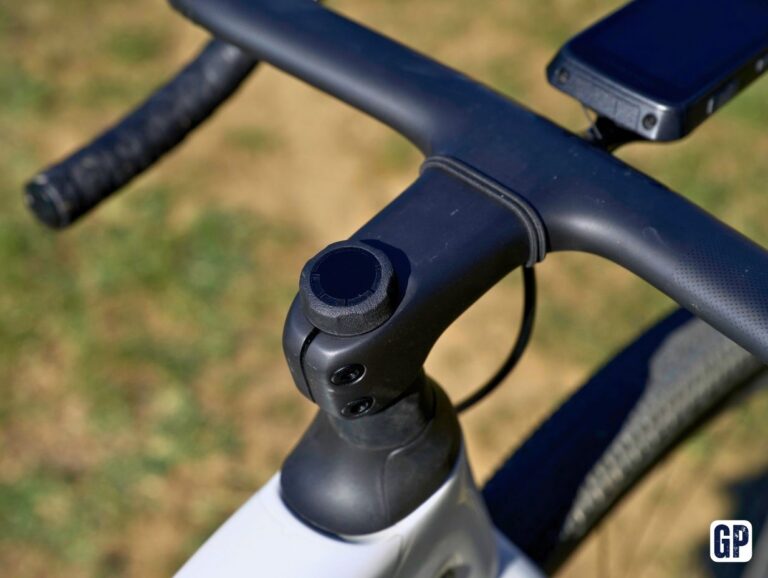
Above all, the Future Shock doesn’t change the bike’s behaviour like a real suspension fork would. It filters at the cockpit, but it doesn’t give that extra front-end grip or stability on rough ground. Impacts in the hands decrease, but the bike’s reading of the ground remains similar.
Is the comfort gained worth the added height?
That’s the real question. For my use, the Future Shock has an ergonomic cost: it noticeably raises the cockpit. And on this Diverge, that directly contributes to the more upright, less race position, which, for me, was much less comfortable.
If I had to take this bike for racing, I’m not sure I’d keep this configuration. I’d probably look for a lower, more stretched position, closer to what I like on a race bike.
The Diverge accepts tyres up to 50 mm. For me, a large part of the comfort sought can come from that: a wide, well-chosen tyre, properly set up, at the right pressure. The Future Shock adds a layer, but I don’t find its gain always justifies the loss of available bar drop for truly sporty use.
For adventure, however, I understand the appeal better. It’s stock, it doesn’t add a lot of weight, and it can relieve the hands on long days. Just don’t expect suspension that radically transforms the handling.
SWAT 4.0 - a strong practical argument
The SWAT storage integrated into the frame is one of those pleasing details on this Diverge. The volume is significant, access is tidy, and the system gives real freedom to carry repair gear or an extra layer without stuffing your pockets.
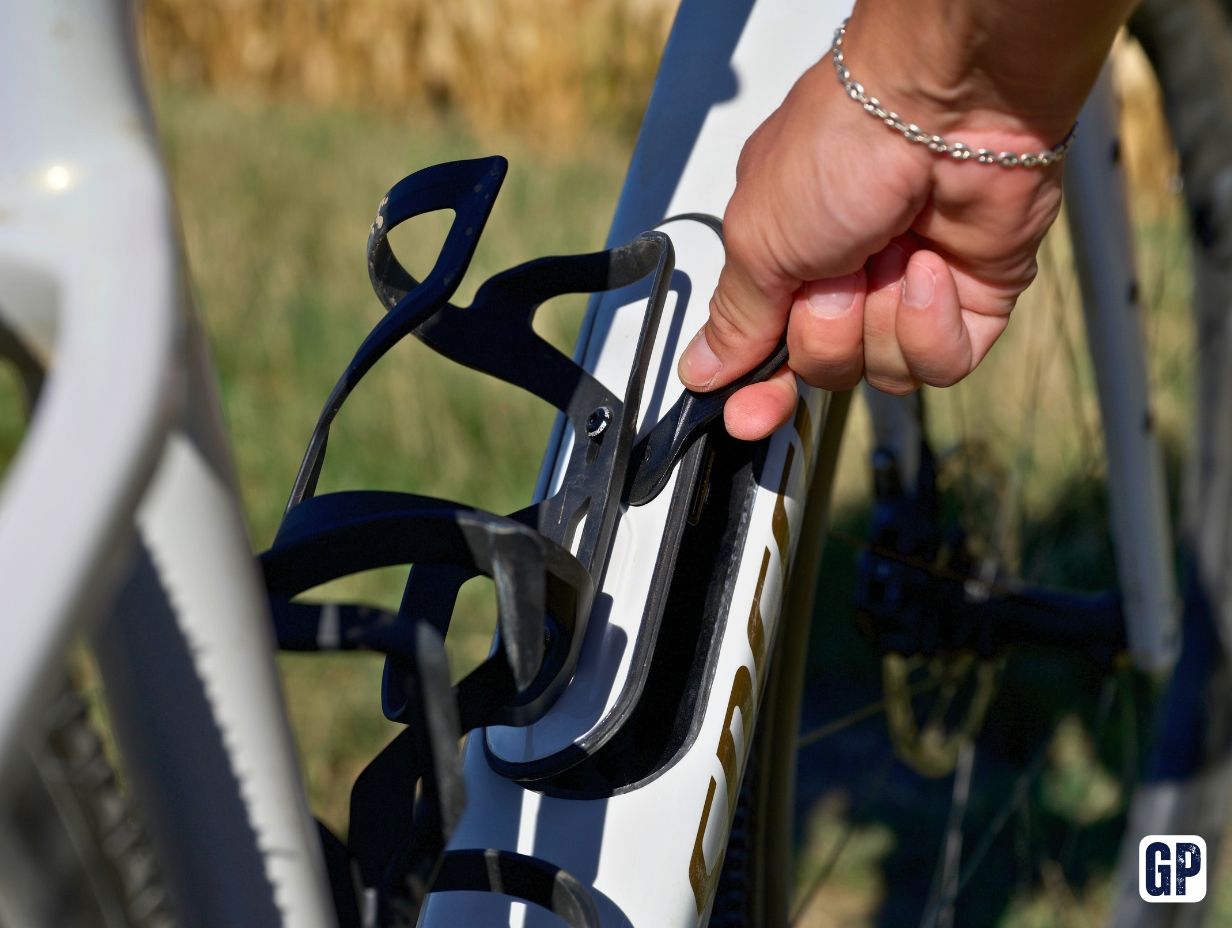
Specialized also announces SWAT 4.0 storage that is more spacious, with a larger opening. In the real world, this is not just a spec sheet line: this internal storage can change how you prep a ride. For adventure, long-distance or impromptu outings, it’s very practical. You can keep tools, a tube, a mini-pump or a light layer in the frame, and ride a visually cleaner bike.
This is also what makes the Diverge more convincing on its exploration side than on its racing side. It makes you want to use it as a very capable, self-sufficient bike, ready to go far. Not necessarily as a minimalist race-number machine.
That said, it’s neither a truly competition-focused gravel bike nor a machine designed for long-haul exploration: with only three mounts on each side of the fork and two on the top tube, mounting options remain limited if you’re thinking proper loaded touring or bikepacking.
SRAM Force XPLR 13-speed: nothing to fault in operation
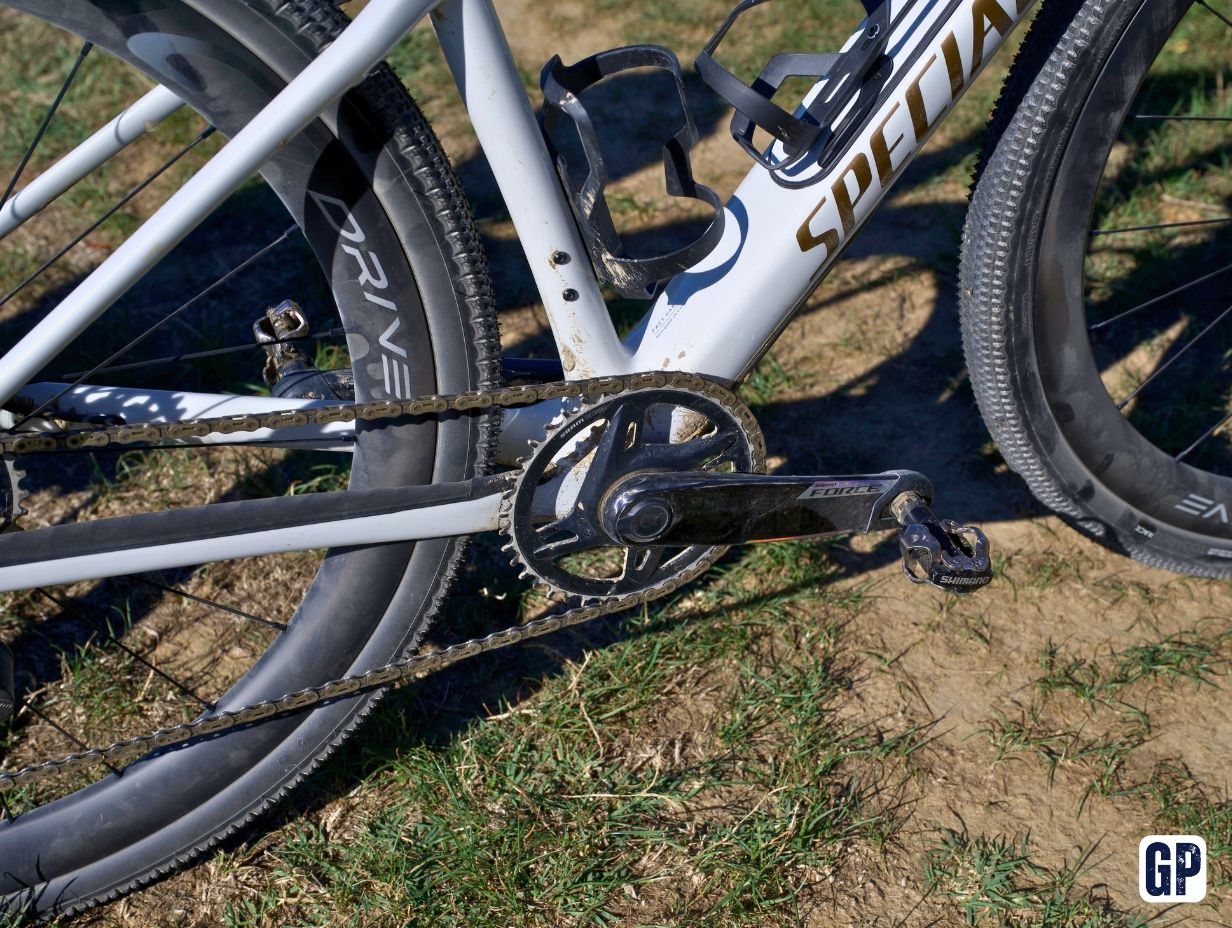
The SRAM Force E1 XPLR build is effective. You get a DUB Wide crankset with a 40-tooth chainring, a Quarq power meter, and a 10-46 13-speed cassette.
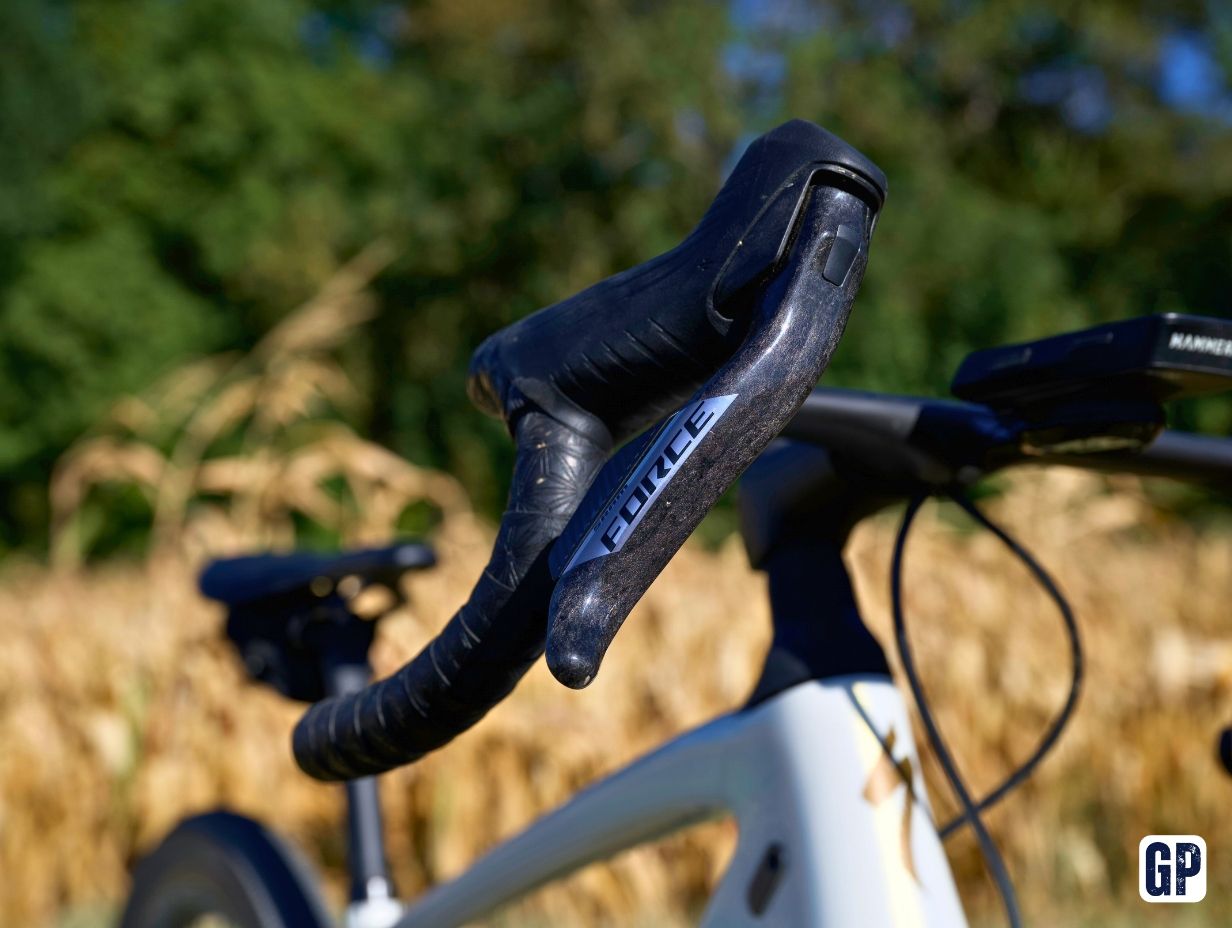
Shifting is smooth, crisp, predictable. SRAM Force remains a groupset I appreciate for this kind of riding: simple, modern, effective, with a range suited to gravel.
The 40-tooth chainring still says something about the bike. Again, it fits a fast adventure profile more than an all-out racing orientation. For long rides, going anywhere, keeping margin on steep or loaded sections, it’s coherent.
For very fast, race-focused riding, some will perhaps want taller gearing up front. Nothing unusual, but it confirms this reading: the Diverge 4 Pro seeks solid versatility more than aggression.
A tested cockpit that is very nice, but not the stock one
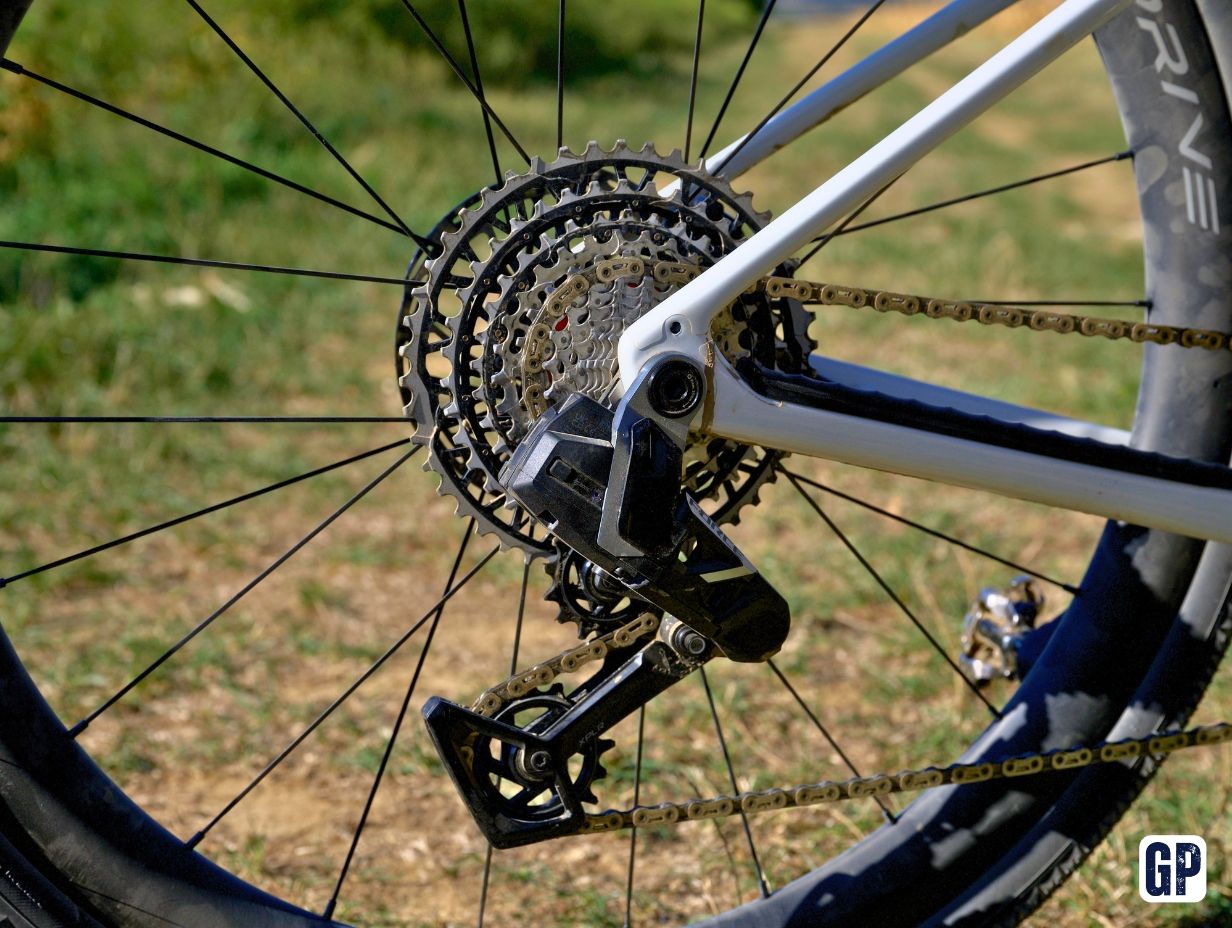
The integrated Roval Terra cockpit I used is very well executed. The hand positions are good, the shape is natural, and visually it really suits the Diverge. It brings a more modern finish to the cockpit.
I liked it a lot, even if I still have a clear preference for the Syncros cockpit on the Scott Addict Gravel, which I found even more convincing in access to positions, comfort and overall ergonomics.
But again, this is not the cockpit supplied as standard on the Diverge 4 Pro. As stock, the bike gets a Specialized Pro SL aluminium stem and a Roval Terra carbon handlebar. At €7,999, that choice leaves me a bit underwhelmed.
It’s not that aluminium is bad. A good aluminium stem can be perfectly sensible. But on a bike positioned this high, just under the Pro LTD (which itself is not fitted with an integrated cockpit either!), you expect a more polished cockpit.
Cable routing: perhaps practical, less flattering visually
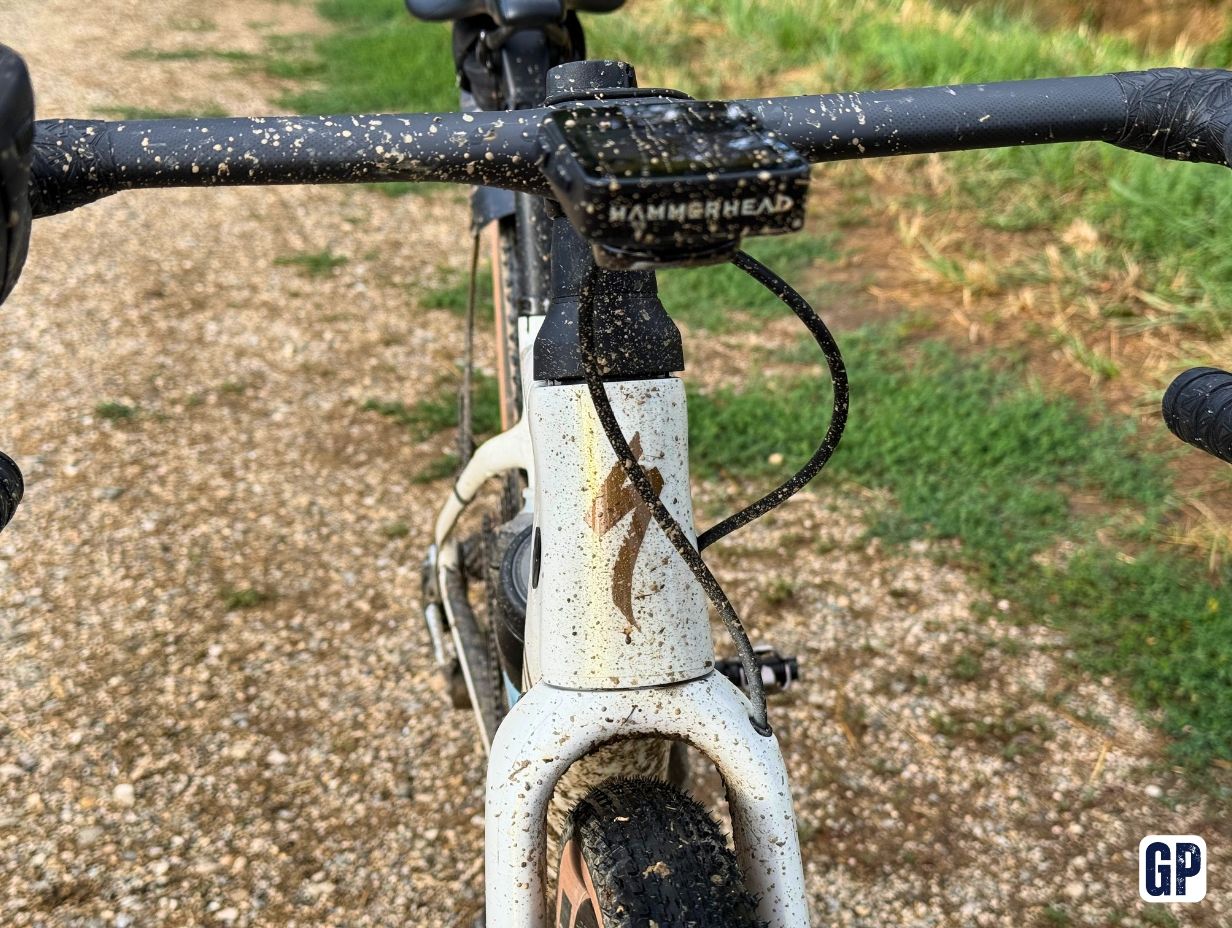
Another detail that convinced me less: the visual integration of the cabling. The cables remain visible around the cockpit and run along the side before entering the frame.
Aesthetically, on a bike at this price, I find that a bit of a shame. But the Diverge S-Works shows it’s possible to have a more refined integration with this platform. Quite logically then, the Diverge 5 should finally be integrated!
A Specialized price, with the expectations that come with it
The Diverge 4 Pro is an expensive bike. No surprise – it’s Specialized. But at €7,999, it sits in a zone where you naturally become more demanding about each equipment choice.
The frame is modern, the SWAT storage is excellent, the Force groupset with power meter is a real plus, the carbon wheels are serious, the Future Shock adds a specificity few rivals offer. The bike is not under-equipped.
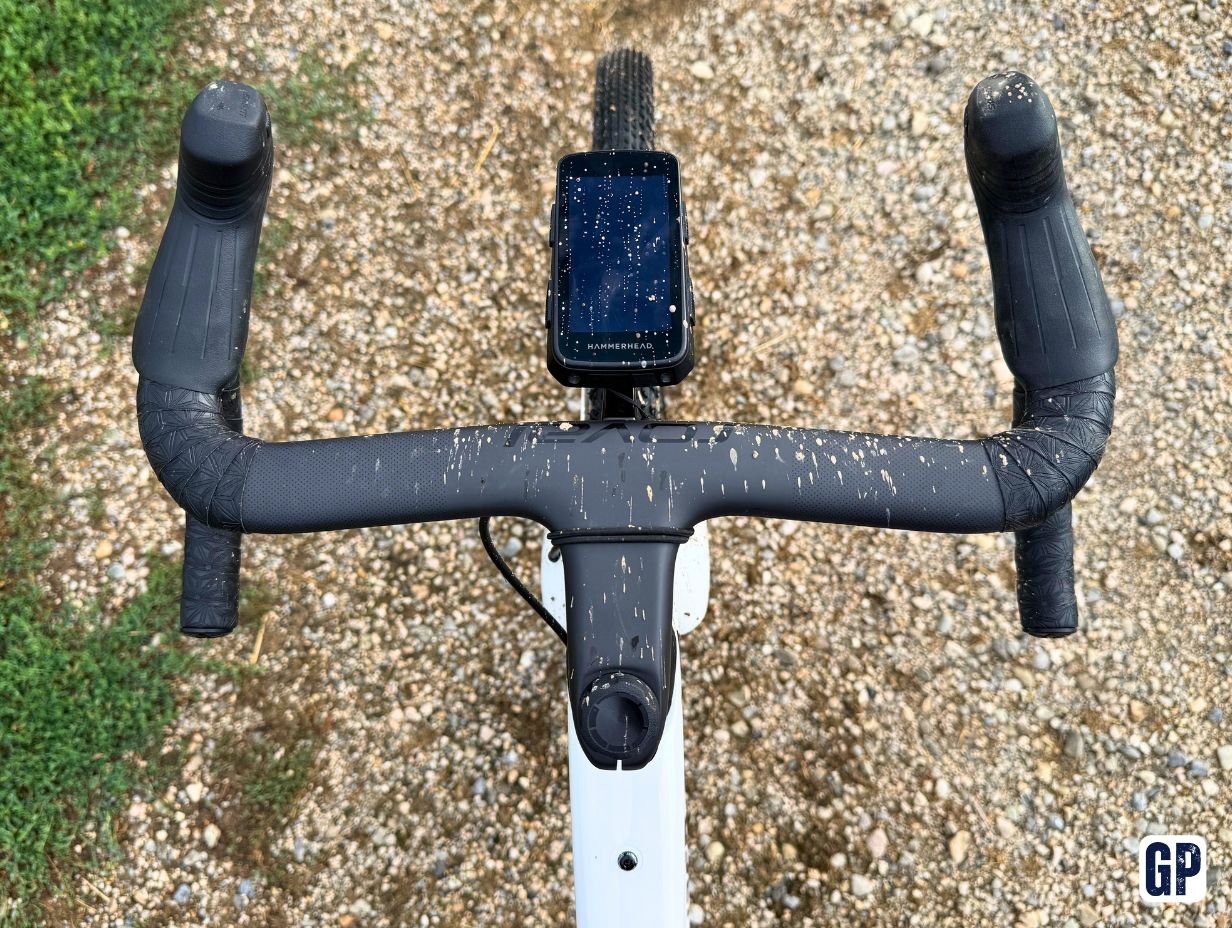
But the absence of the integrated cockpit as standard, the visible cabling, the comfort not as obvious as expected with the Roval wheels, and the gap between the racing promise and the real feel make the price harder to swallow.
In a more accessible approach very focused on long distances, the Lapierre Crosshill CF 6.0 AXS tested over several thousand kilometres shows that a versatile carbon gravel bike can also deliver a lot of pleasure without aiming at this price level. It’s not the same standing, nor the same equipment, but it’s a reminder that the Diverge needs to justify more than just a spec sheet.
A very good bike, with a promise that needs reframing
I’m left with a broadly positive impression of this Diverge 4 Pro. It’s a good gravel bike. Stable, reassuring, seriously equipped and capable of changing (a bit) in character with another wheelset.
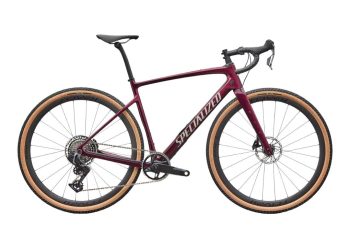
But I don’t find it fully aligned with its sportiest pitch. Its best side appears when you take it for what it really is: a high-end adventure gravel bike, not a race bike (in that logic, at Specialized, the Crux seems more naturally tailored to that use).
The Future Shock brings comfort to the hands without transforming the bike. The internal storage is spacious, and the SRAM Force setup works very well. The chassis inspires confidence. What remains is the high price, and a few equipment choices that could have been more generous on a Pro version.
If you’re after a stable, practical gravel bike for long rides, the Diverge 4 Pro clearly deserves a test. If you want a bike that makes you want to attack every acceleration, this may not be the first bike to look at.