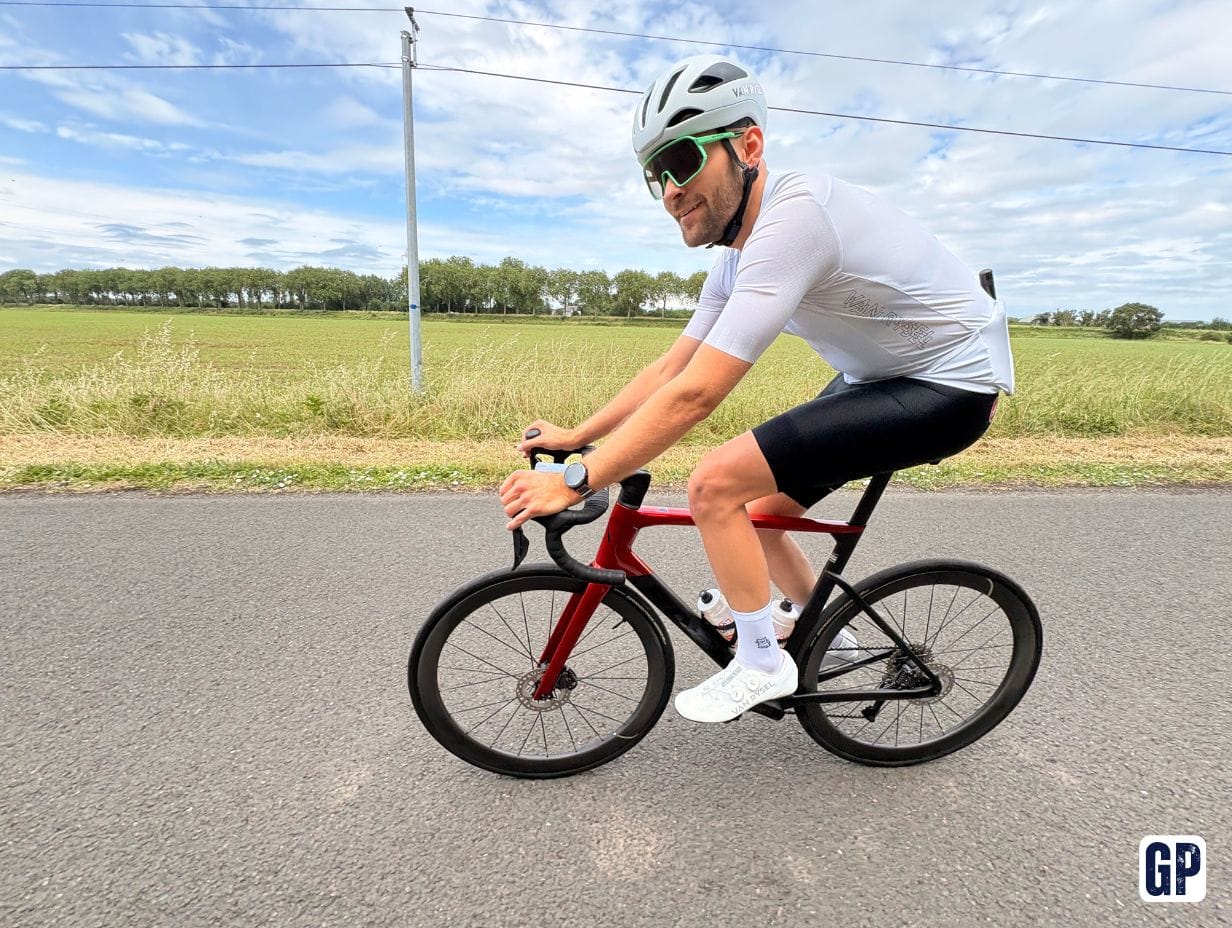
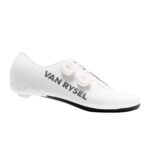
With its pair of RCR-R, Van Rysel offers a road shoe that aims to make carbon soles more accessible.
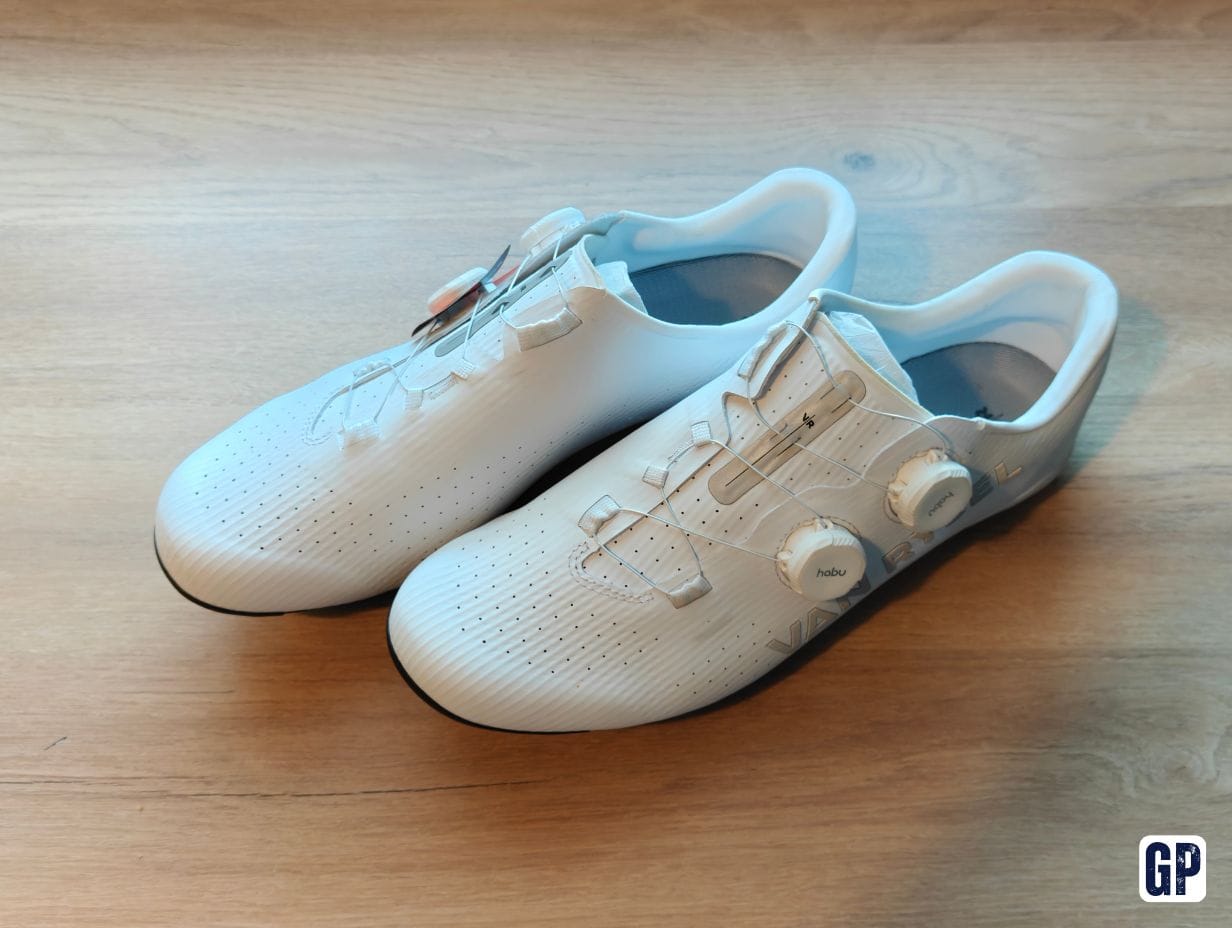
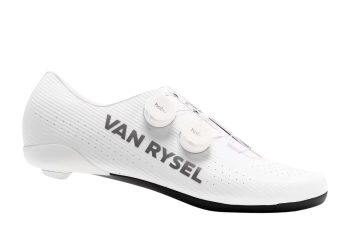
Priced at 169.99 €, it combines a 100% carbon sole, dual habu Li2 dials and a claimed weight of 290 g in size 43. It also comes in four colours, allowing everyone to find a model that suits their taste.
On paper, the value for money looks particularly compelling. It remained to be seen whether the ride feel would live up to it.
After more than 2,800 kilometres ridden on all kinds of outings, the verdict is quite clear.
Finish and presentation that belie the price
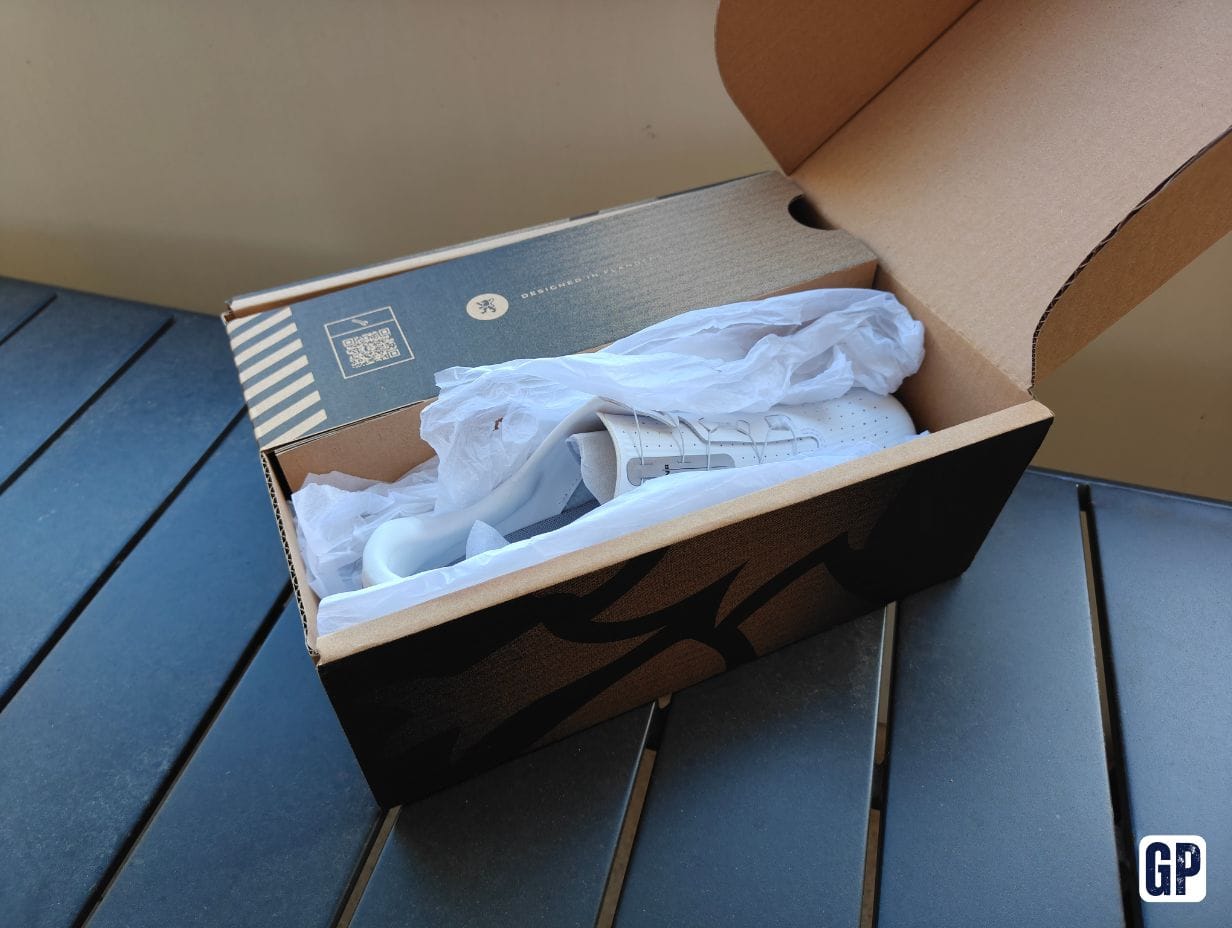
From the moment you open the box, the first impression is excellent.
The recycled cardboard packaging is neat, the shoes are wrapped in tissue paper and keep their shape thanks to cardboard inserts. A small touch that contributes to a quality feel right from unboxing.
Finishing is excellent. Panels are neatly joined, cuts are precise and the perceived quality is immediately apparent.
Right out of the box, the carbon sole stands out for its rigidity. You can’t flex it by hand, an early sign that bodes well for power transfer.
The synthetic upper also deserves a mention: its slightly velvety touch inspires confidence and seems designed to withstand the miles.
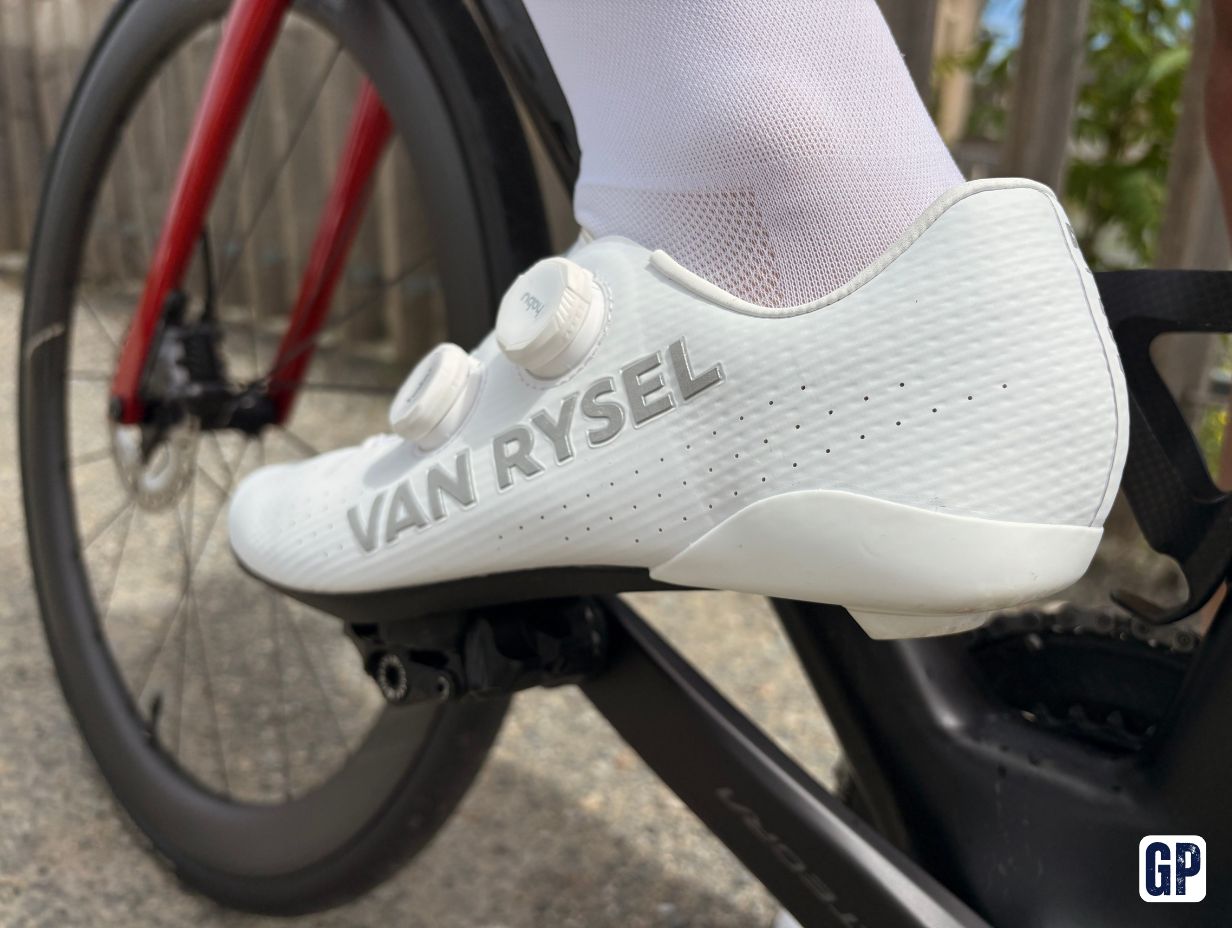
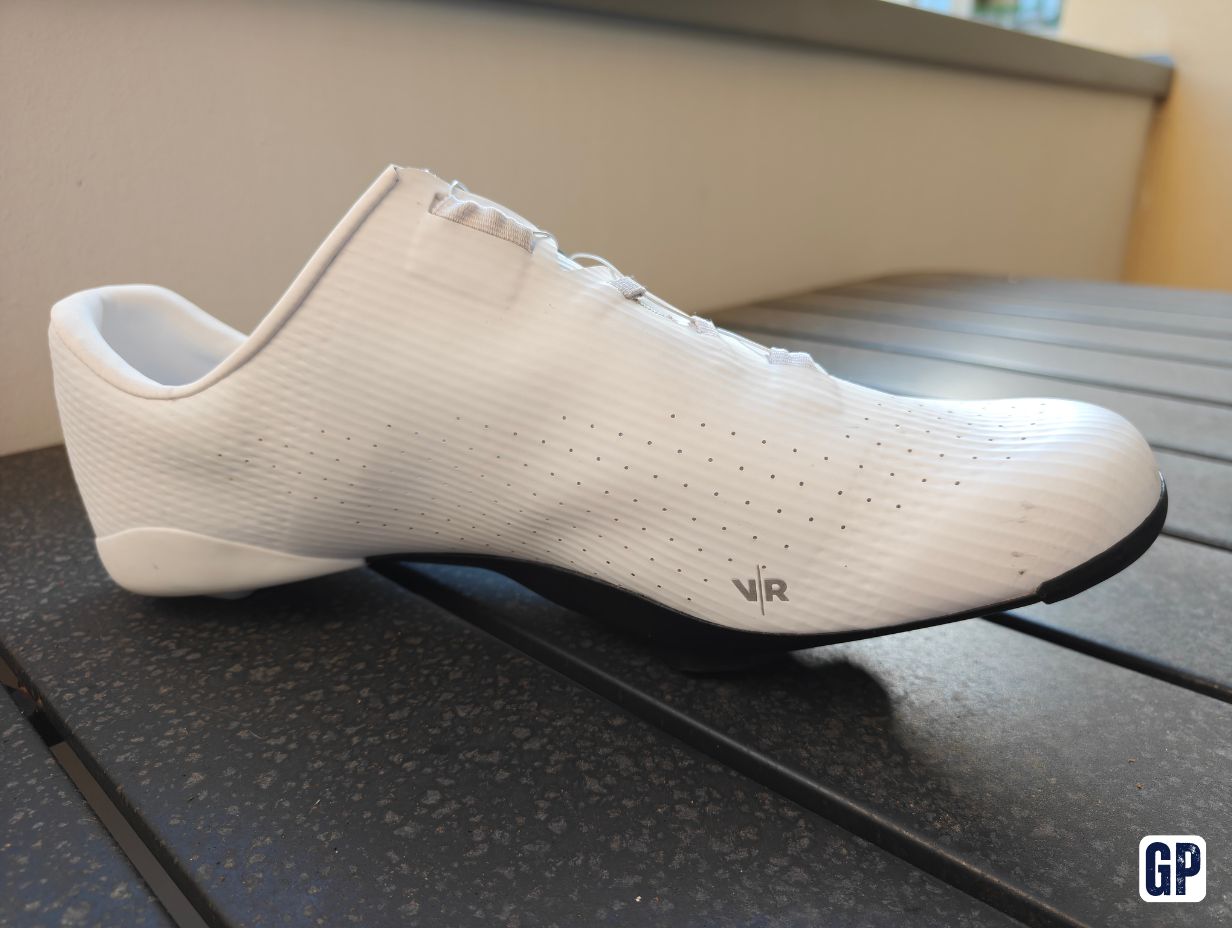
Finally, the design stands apart from many road shoes. The lines remain understated and modern, with a style that almost evokes a sneaker more than a bike shoe. An aesthetic choice I particularly appreciate.
Comfort, the real reason you keep coming back ride after ride
Yet it is once in the saddle that the RCR-R reveals its main quality.
The fit is immediately comfortable. Your foot drops in naturally, with no particular pressure points, while the heel is perfectly held.
From the very first kilometres, you quickly forget you are wearing a new pair of shoes.
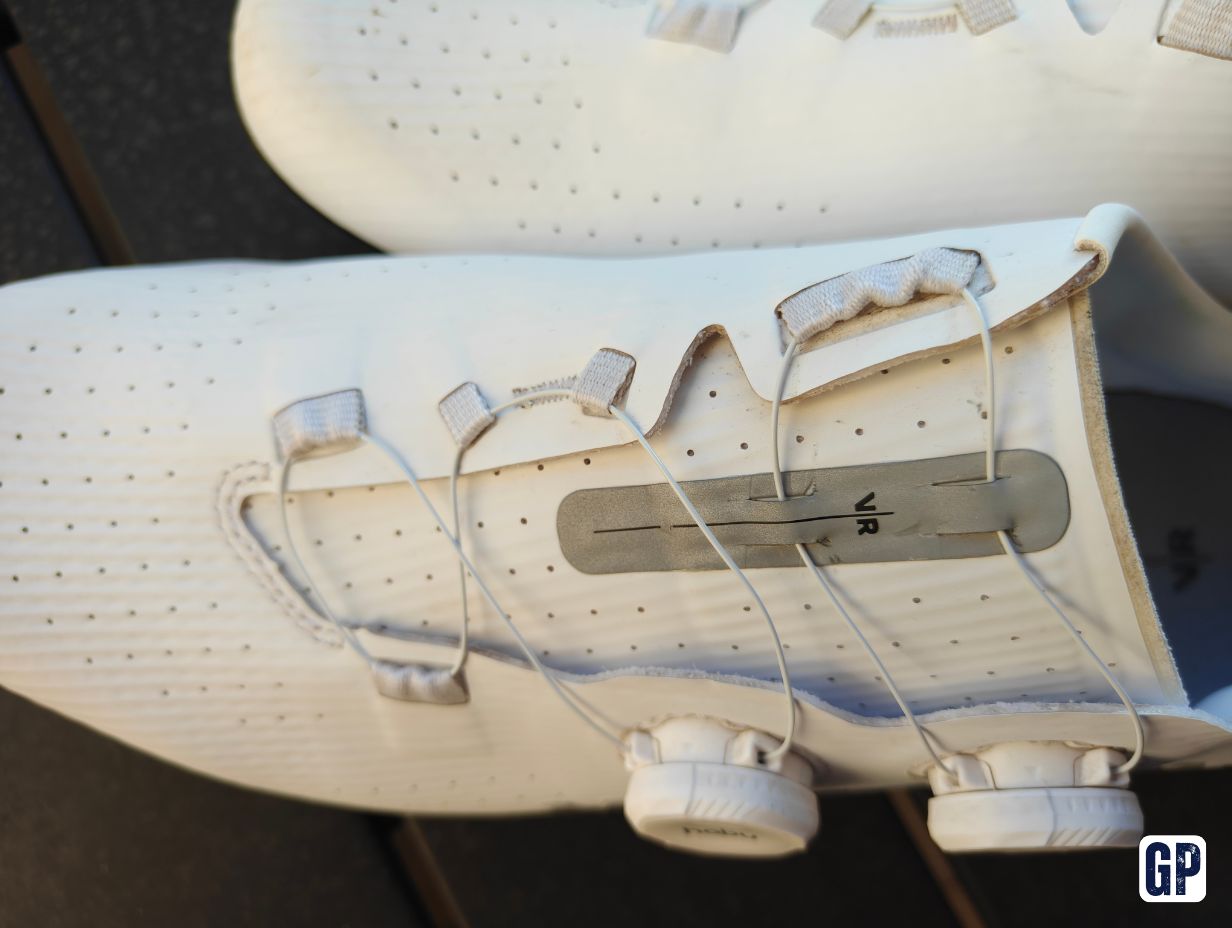
The two habu Li2 dials allow very precise adjustment, both to tighten and to slightly loosen the shoe. Micro-adjustments can be made in both directions without starting again from zero. A particularly pleasant system in daily use.
Developed by habu, a BOA Technology brand, this system also comes with a lifetime warranty.
If a dial or lace breaks, a replacement kit can be sent free of charge by habu. A real plus for the shoe’s durability.
But it is above all over time that the RCR-R won me over.
After several hours in the saddle, I noticed neither pain, nor hotspots, nor tingling.
Even on my longest rides, I never felt the slightest discomfort, whatever the contact point.
Of course, a shoe’s comfort is partly subjective and depends on each person’s morphology. For me, it is quite simply the most comfortable shoe I have used so far.
Over the weeks, that became its main asset. When I open the kit cupboard before a ride, it’s almost always the RCR-R I choose. I know I’ll be able to rack up the kilometres without dreading the slightest pain as the ride goes on.
An efficient carbon sole, without chasing ultimate stiffness
A carbon-soled shoe is first and foremost expected to deliver on one point: power transfer.
On that point, the RCR-R delivers. Surges are crisp, accelerations never feel like they waste energy, and the sole offers excellent support when you press hard on the pedals.
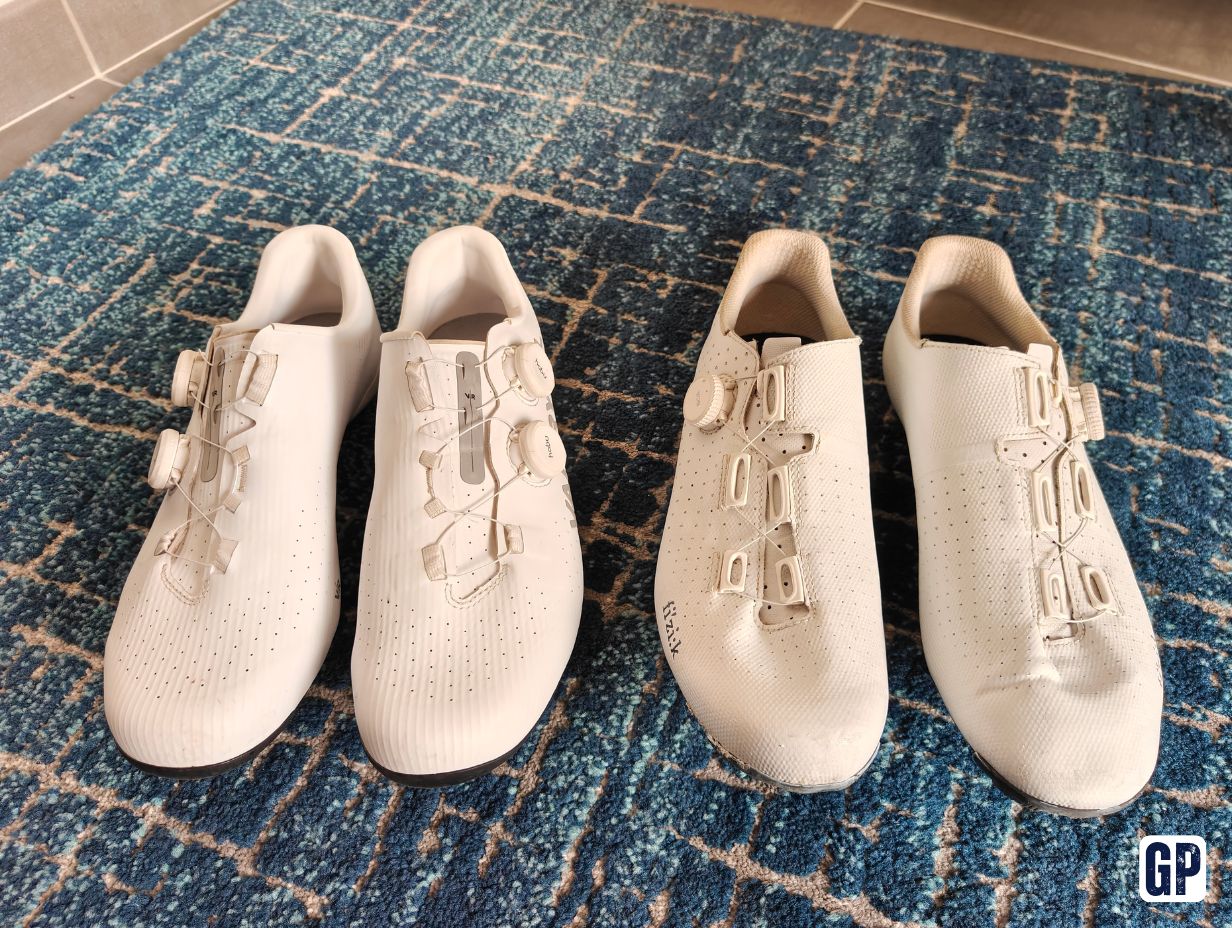
That said, I wouldn’t place it quite at the level of my Fizik Tempo. The latter still have a very slight edge in pure stiffness.
In practice, however, the difference remains small and I never felt it as a real disadvantage, including during the most intense efforts.
On the scales, the RCR-R come in at 697 g for the pair with Van Rysel cleats fitted, versus 590 g for my Fizik with Look cleats. The gap is therefore real.
Yet once on the bike, I never noticed it. The shoe remains lively and stiff enough to transmit power efficiently. At no point did I feel that those few extra grams penalised my performance.
In the end, the slight stiffness advantage of the Fizik does not, in my view, outweigh the level of comfort offered by the RCR-R. That’s why these are almost always the ones I choose before a ride.
Decent ventilation, but not built for heatwaves
Ventilation is undoubtedly the main area where the RCR-R can still improve.
On most of my rides, I had no particular issue. Up to around thirty degrees, the shoe remains pleasant to wear.
However, on the hottest days, between 32 and 40 °C, the difference with my Fizik Tempo becomes clear. The synthetic upper, thicker and more enveloping, lets less air circulate and feet heat up more.
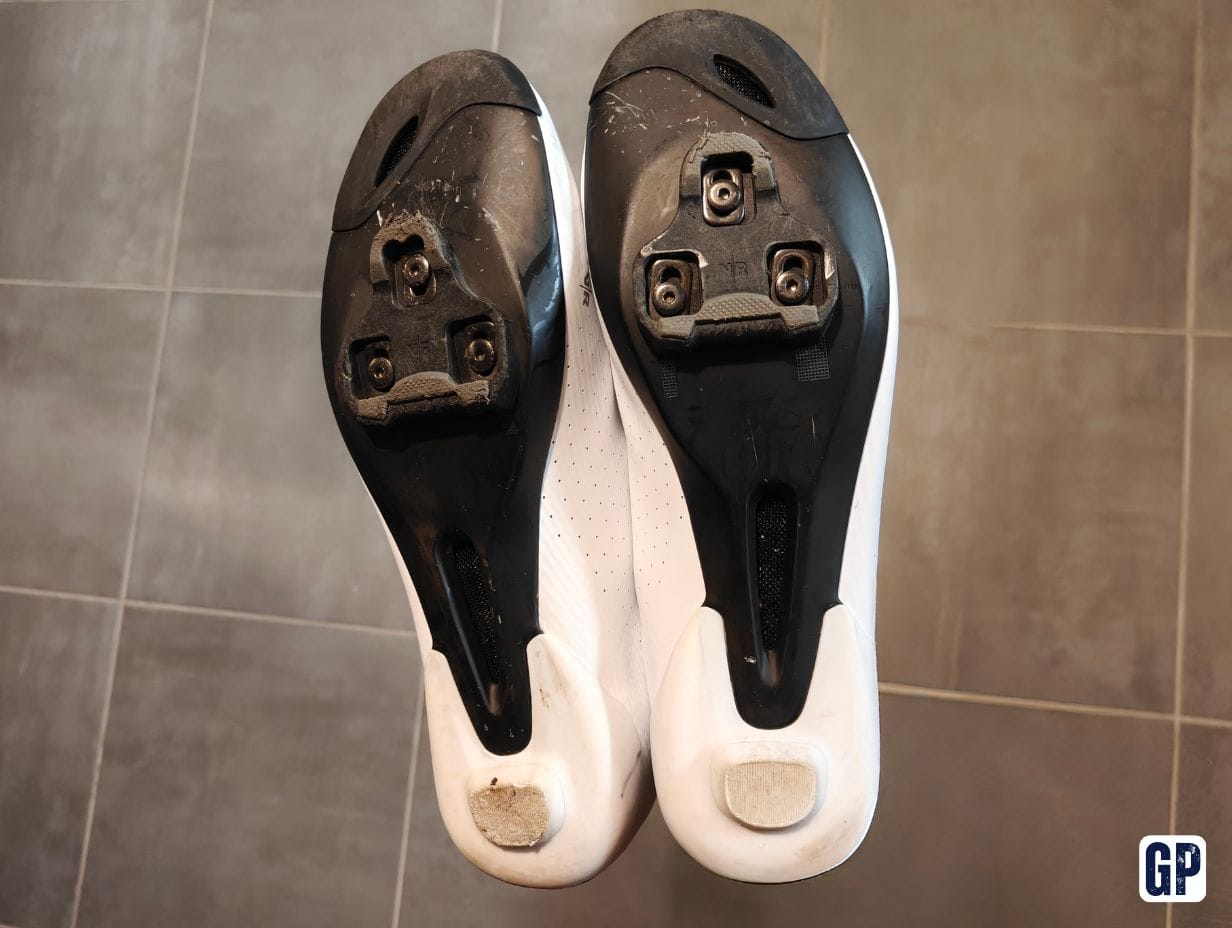
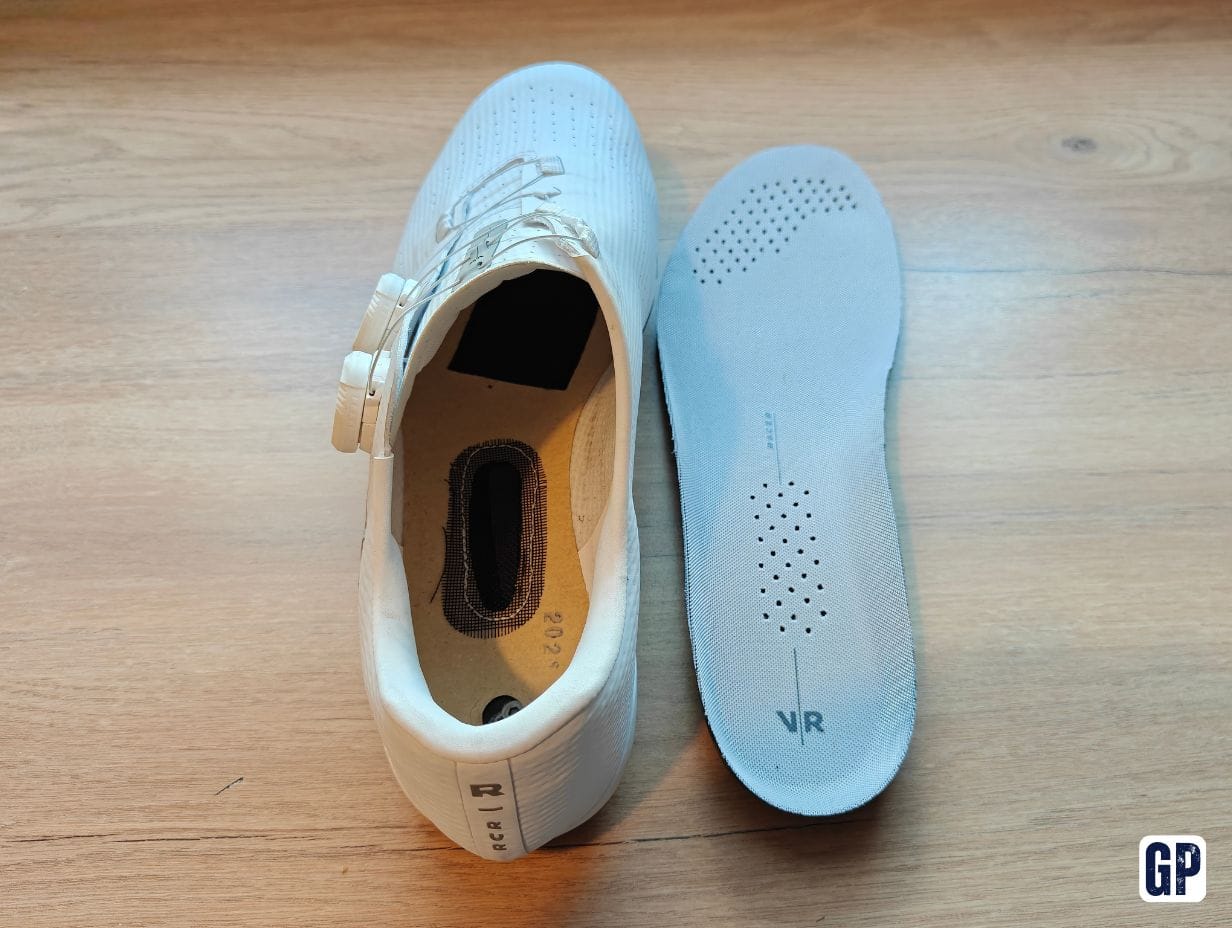
The sole also has only two small openings designed to promote airflow, which remains quite limited.
This doesn’t call the shoe’s overall comfort into question, but cyclists who regularly ride in very high heat will find more ventilated models, like some shoes designed around breathability such as the Q36.5 Dottore Clima.
Conversely, this more closed design should be an advantage on spring, autumn, even winter rides, where keeping a bit of warmth is often appreciated.
After 2,800 km, reassuringly little wear
After more than 2,800 kilometres, several rides in the rain, a hailstorm and numerous stops on the roadside, the RCR-R have aged in a particularly reassuring way.
The synthetic upper is very easy to clean with a simple damp cloth and marks far less than that of my Fizik Tempo. Despite regular use, the shoes still look excellent.
The small number of visible seams also helps preserve the shoe’s aesthetics over time. To prolong the clean look of a white shoe, our review of the Dynamic Bike Care Touch-Up can also be a useful complement.
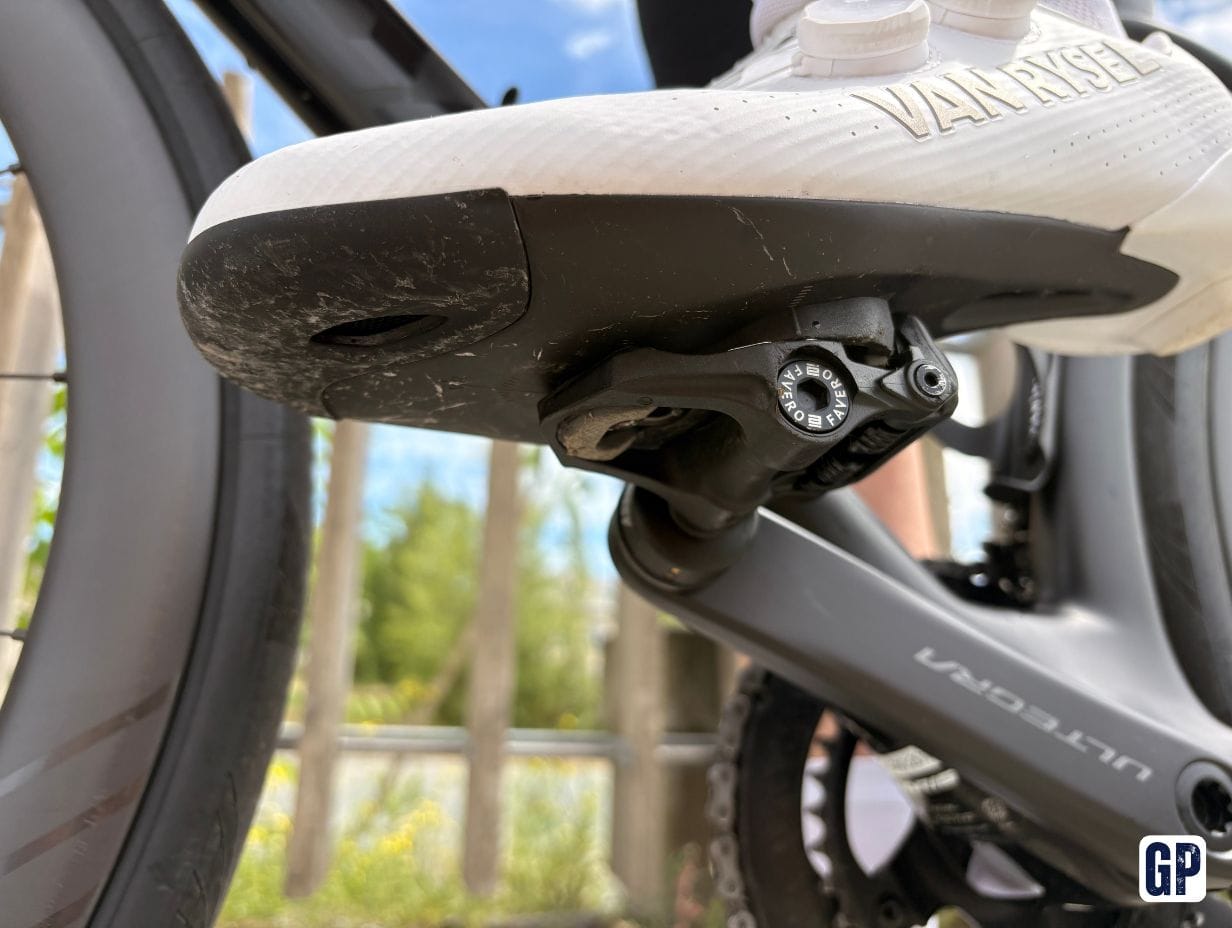
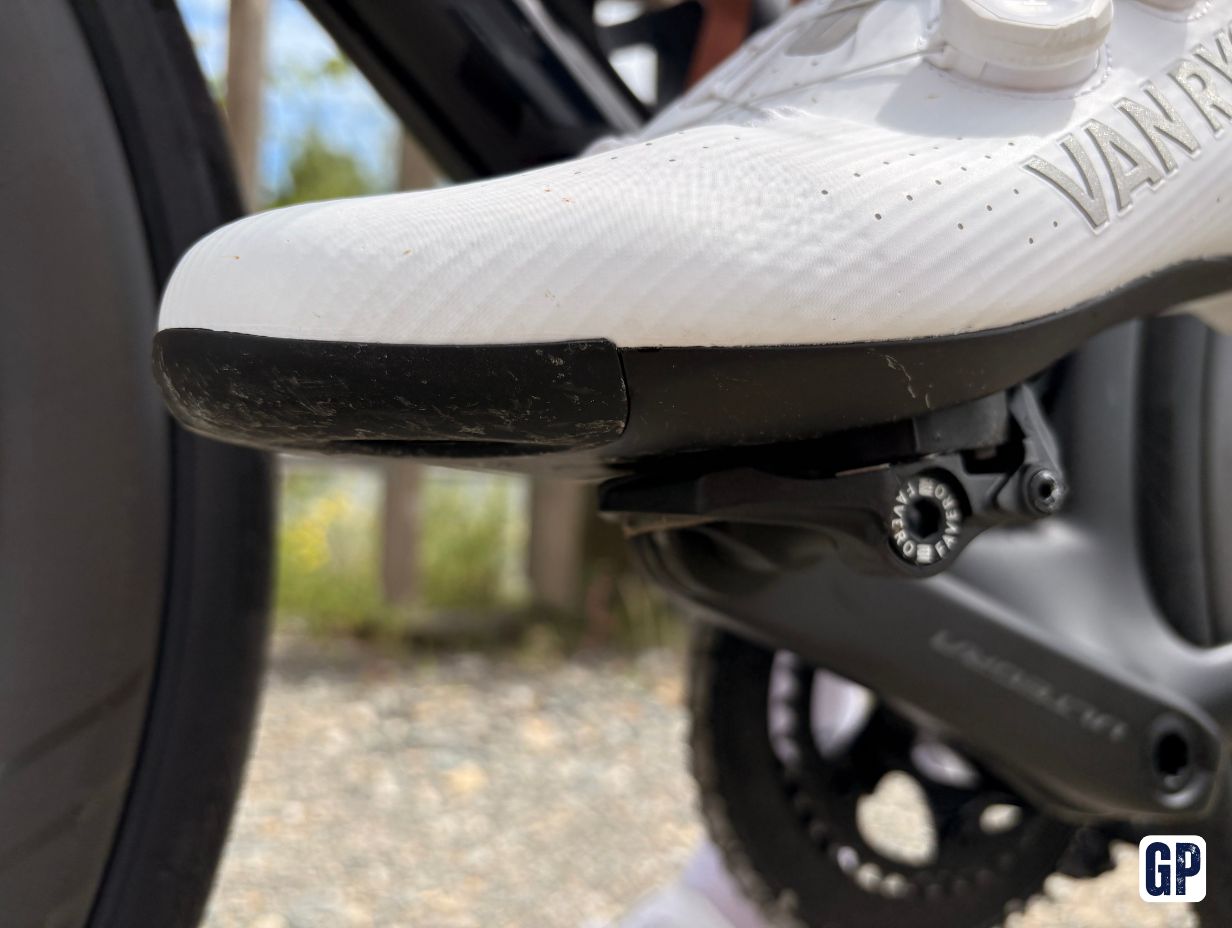
The carbon sole now shows a few scratches, mainly due to walking on tarmac or during breaks. Nothing unusual: this kind of mark is inevitable on a road shoe and in no way calls its solidity into question.
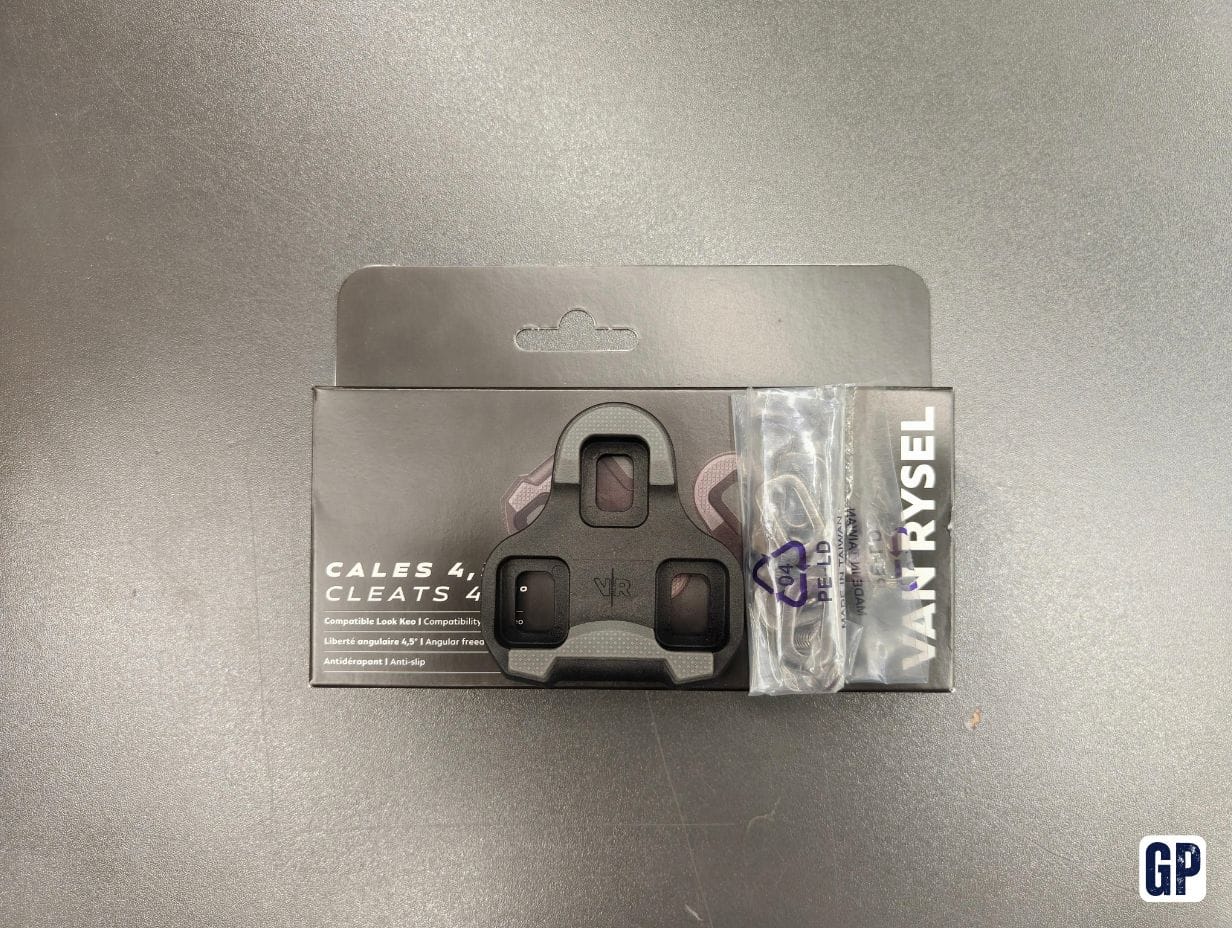
I also used the Van Rysel 4.5° cleats, sold for around a dozen euros. They are an excellent surprise. Installation is simple, the screws are good quality and, despite use without real precautions, they show limited wear and no sign of corrosion.
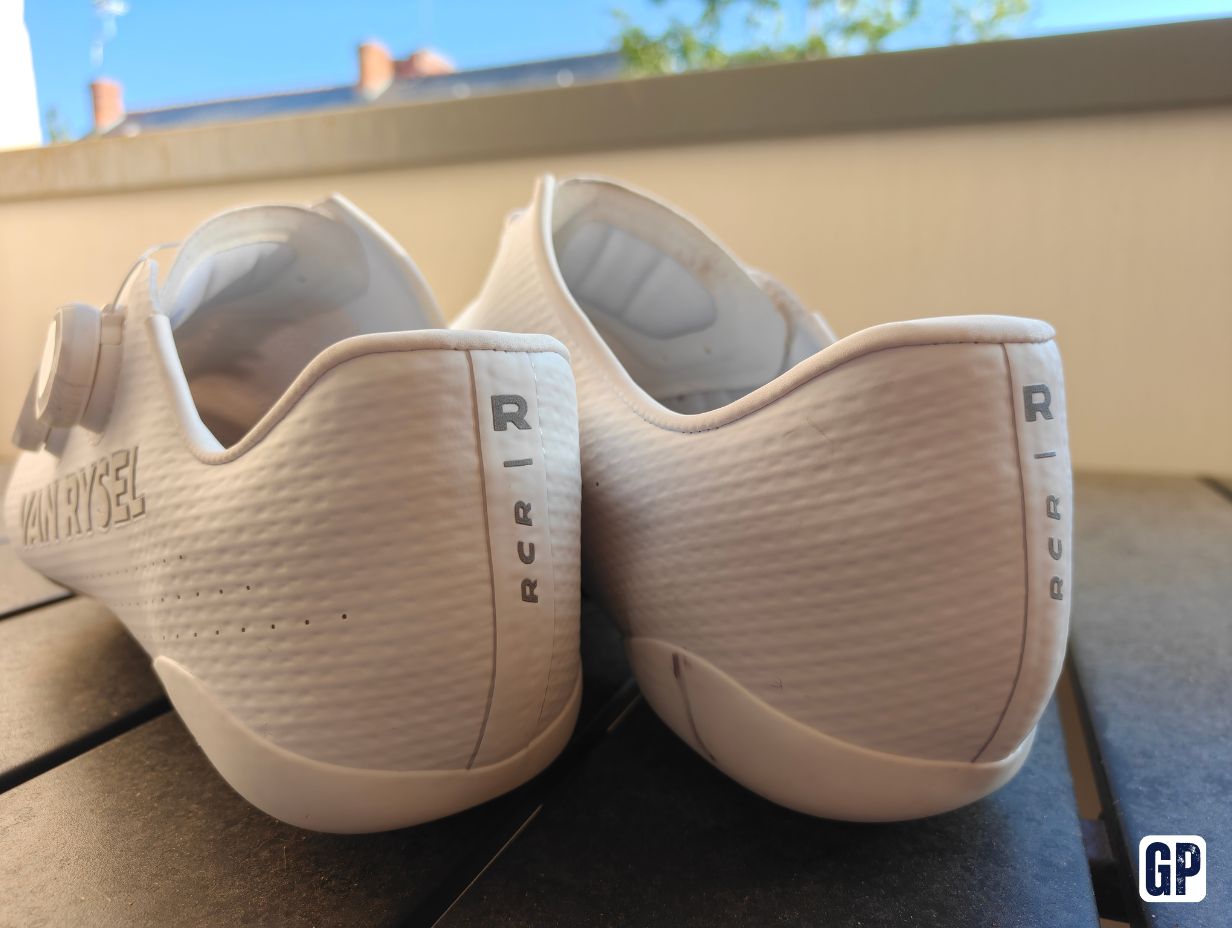
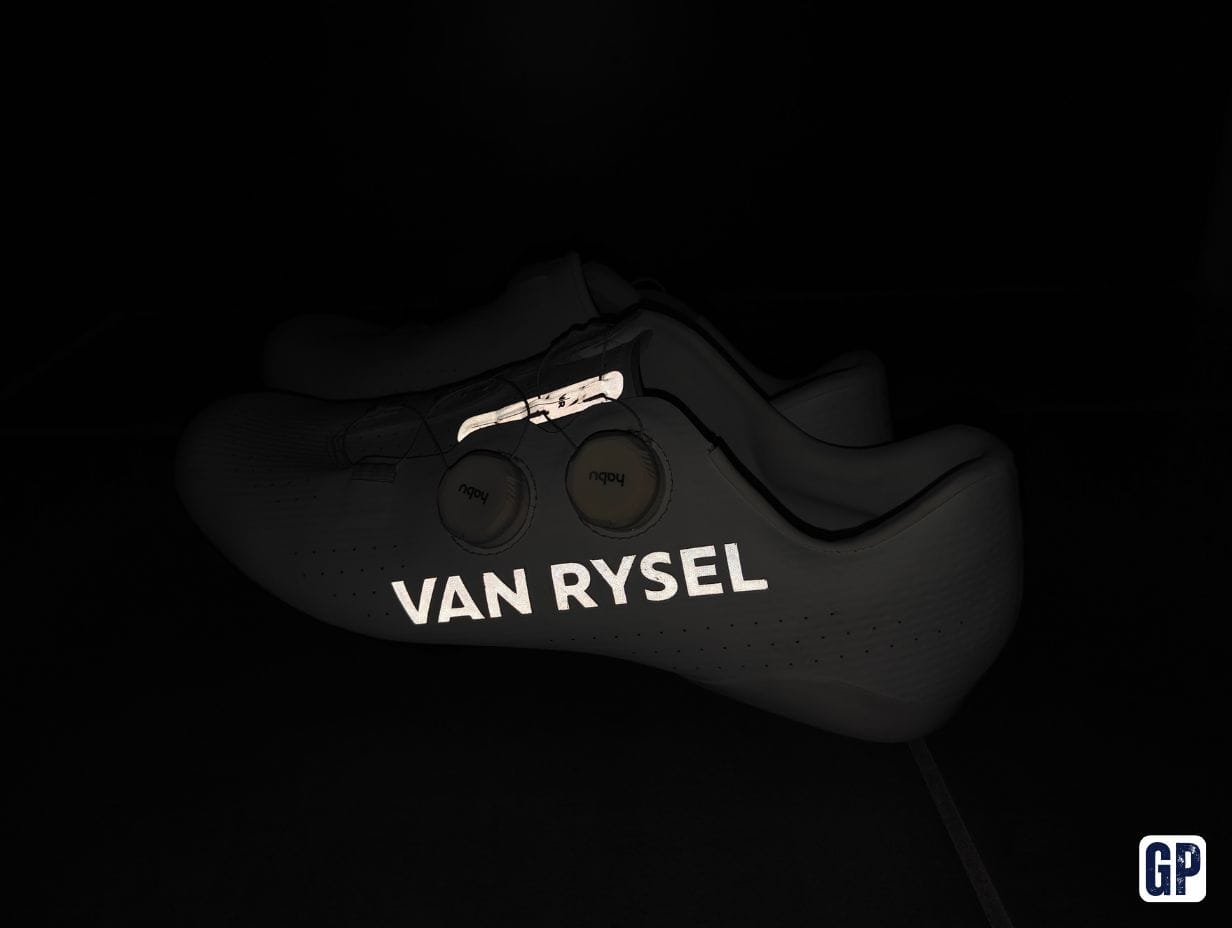
Finally, one last detail is worth highlighting. On the white model, the VAN RYSEL markings on the sides of the shoe, as well as a small strip on the tongue, are reflective.
This may seem minor, but for those who, like me, ride regularly early in the morning or after nightfall, it’s a real little plus.