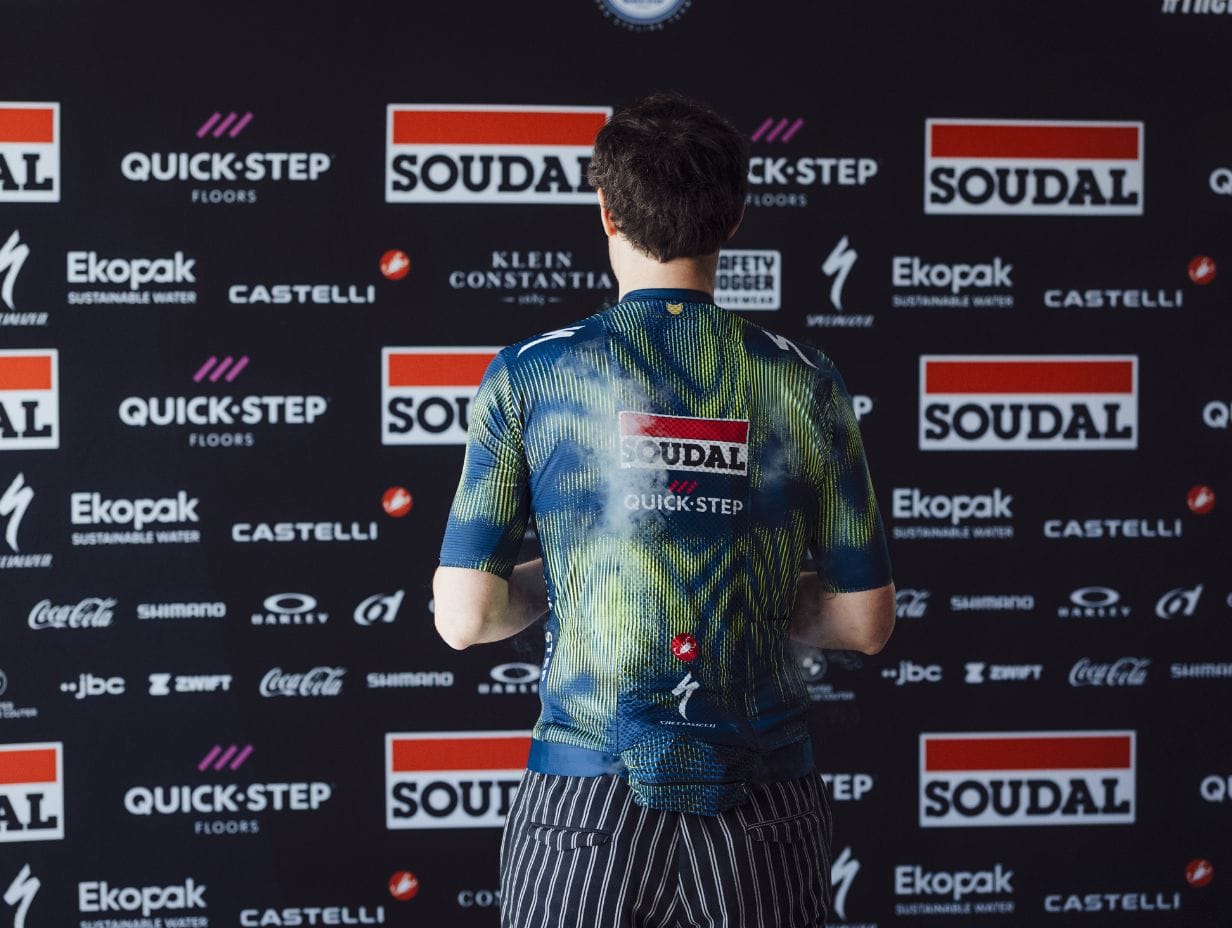

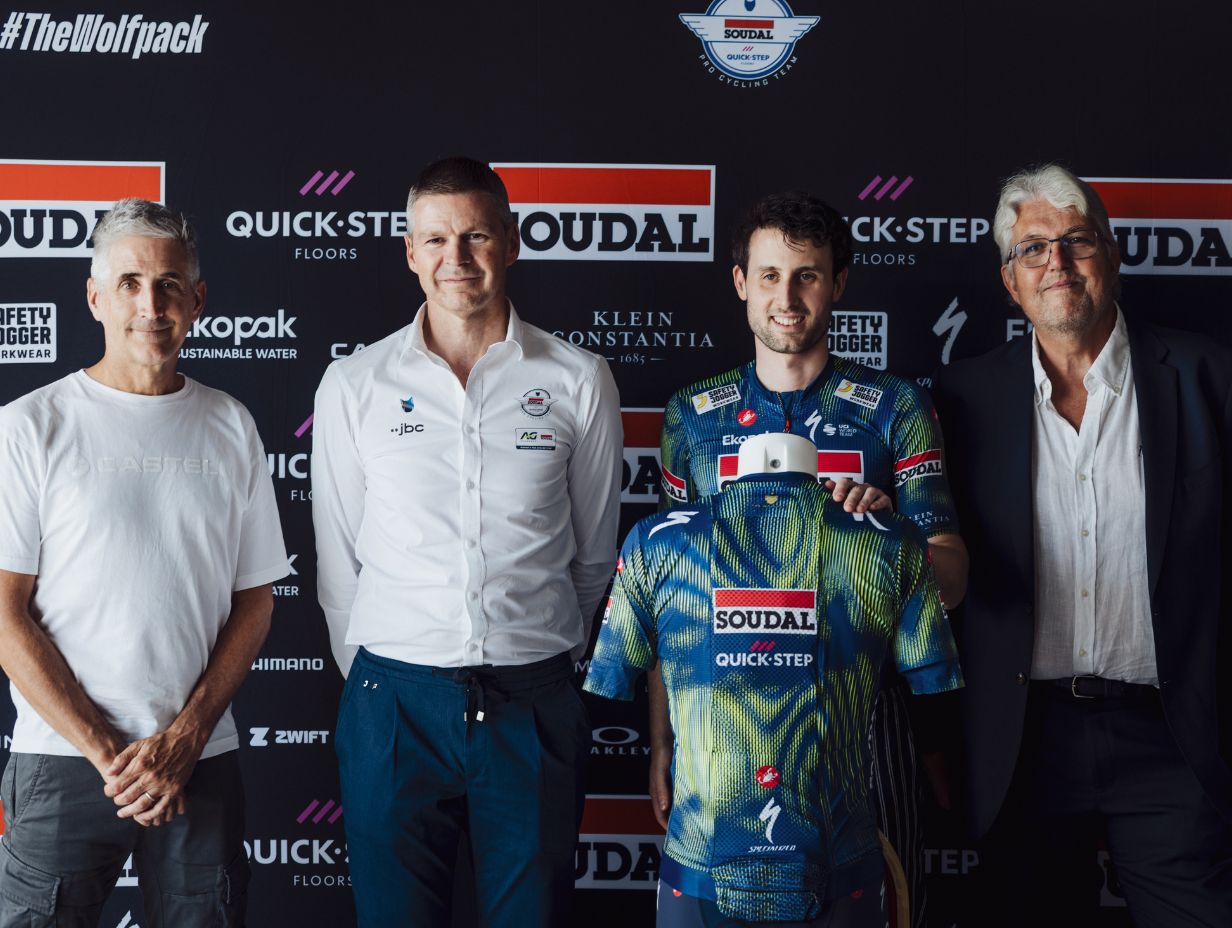
Castelli, Soudal Quick-Step, AG Insurance Soudal and the Italian start-up RAGAZ have announced a collaboration on a topic that goes well beyond the usual performance apparel brief: an airbag system integrated into cycling kit, designed to protect the spine in the event of a crash.
The announcement was made in Barcelona, on the eve of the Tour de France. For now, this isn’t a retail product, but a prototype in a technical evaluation phase with professional teams.
An airbag for your back, not another add-on
The system developed with RAGAZ targets a specific area: the spine. The idea isn’t to replace a helmet or cover the whole body, but to add a layer of protection to a part that’s particularly exposed in certain crashes.
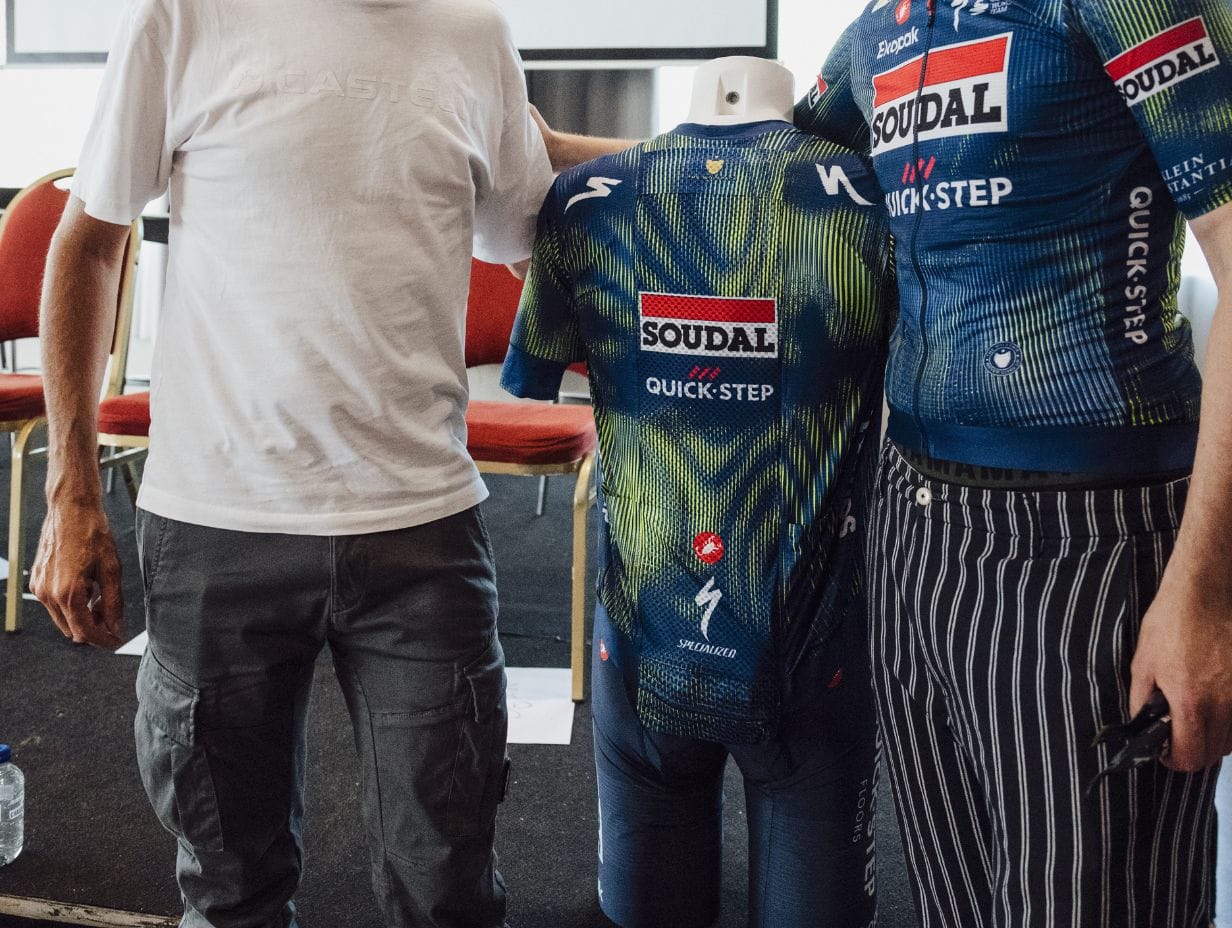
Castelli emphasizes one point: this protection must remain compatible with the demands of elite cycling. In other words, there’s no question of adding a rigid, heavy vest that hampers movement. The prototype is said to be integrated into the garment, with a focus on comfort, freedom of movement and aerodynamics.
200 ms inflation and a claimed low weight
According to the information shared, the RAGAZ system inflates in 200 milliseconds. That’s one of the key figures here, because in a cycling crash the useful window is extremely short.
Another point highlighted: weight. The system is claimed to weigh roughly the equivalent of two energy gels. The wording is deliberately illustrative, but it conveys the goal: not turning a race jersey into a heavy or cumbersome piece of protective equipment.
The prototype is also described as rechargeable, removable and compatible with washing the garment once it’s been taken out. An important detail, because a safety system can be technically brilliant yet remain unusable day to day if it makes maintenance too complicated.
The real challenge: to be worn, not endured
Cycling safety isn’t only about theoretical protection levels. It also depends on adoption. Gear that’s too hot, too bulky, too restrictive or too expensive often ends up in a drawer.
That’s probably why Castelli is putting so much emphasis on textile integration.
A response to an issue that has become central in the peloton
Castelli presents this project as a new step in its work on safety, after developments around visibility and abrasion-resistant fabrics. The context is clear: serious crashes in the professional peloton have put protection back at the center of discussions.
Soudal Quick-Step and AG Insurance Soudal will take part in evaluating the prototype. This matters, because a system intended for the highest level must withstand very concrete constraints: aggressive positions, long efforts, heat, rain, clothing changes, friction, storage, travel and repeated use.
The issue goes beyond professional cycling, however. Castelli and RAGAZ also mention use for everyday cyclists and recreational riders. On paper, that makes sense: low- or medium-speed crashes can also have serious consequences, especially when the back hits the ground, an obstacle or a vehicle.
What we still don’t know
At this stage, several questions remain open. Castelli hasn’t yet communicated a price, a release date, precise compatibility with different apparel ranges or a certification protocol.
We also don’t yet know exactly how the system detects a crash, under what conditions it may deploy, how it handles false positives, or what real protection it provides across impact scenarios. The release mentions X-ray-style visuals showing the protective cushion once inflated and the maximum coverage area, but that doesn’t replace independent data.
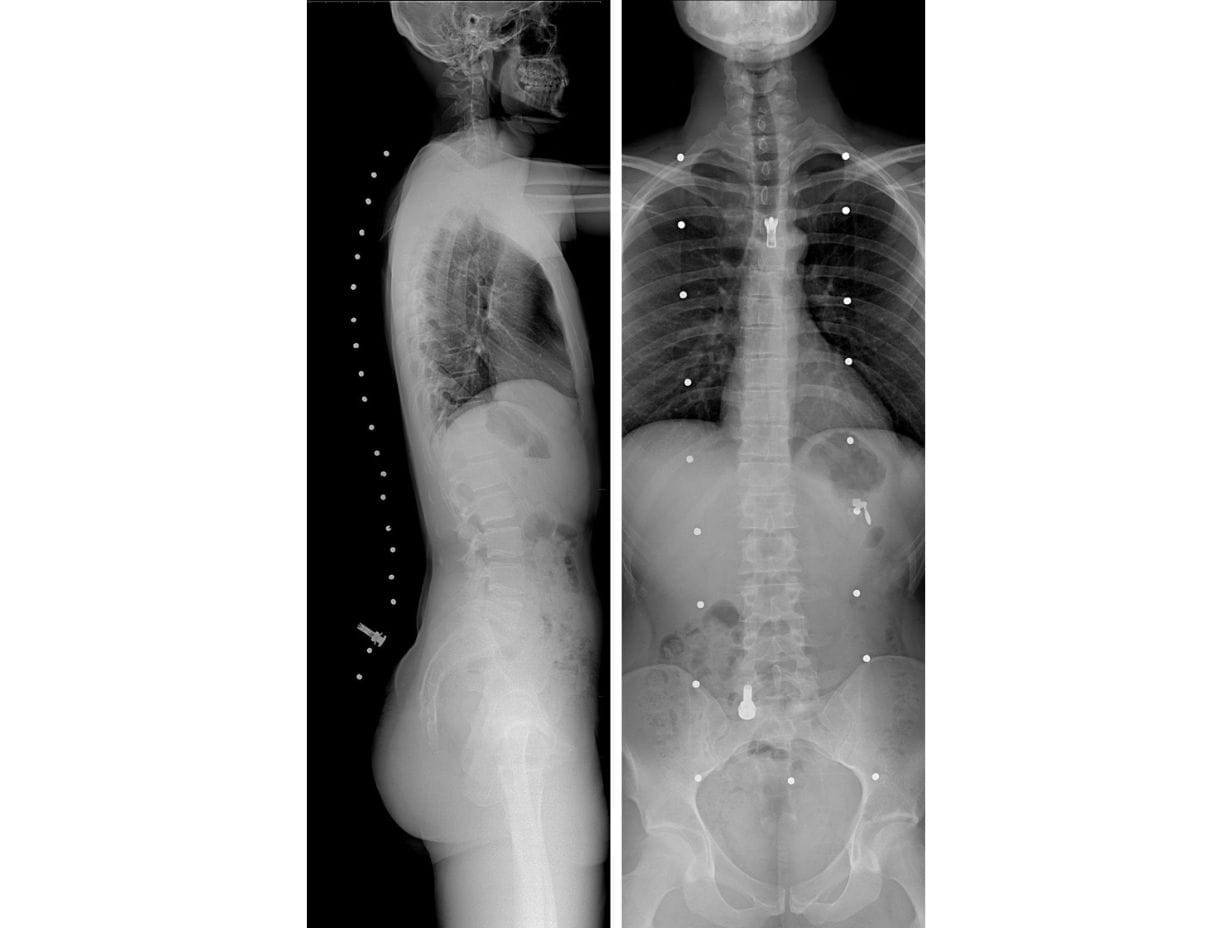
The issue of accidental deployment has at least been anticipated: the system would include controlled automatic deflation, so the cyclist isn’t left immobilized for long after an unwanted inflation.
A promising innovation, but still to be proven
This announcement should be read for what it is: a strong signal, not yet a product verdict. Castelli, Soudal Quick-Step, AG Insurance Soudal and RAGAZ are combining three areas of expertise that can really matter: elite-level feedback, textile know-how and protection engineering.
But between a convincing prototype and equipment that’s widely adopted, there’s always a tricky gap to bridge: reliability, long-term comfort, maintenance, cost, durability, certification and acceptance by cyclists.
Fundamentally, the idea seems very sound. Cycling has made huge progress in performance, aerodynamics, comfort and technical fabrics. Rider protection, however, is still largely centered on the helmet. If an integrated airbag can add real safety without profoundly changing the riding experience, the topic clearly deserves to be followed closely.