
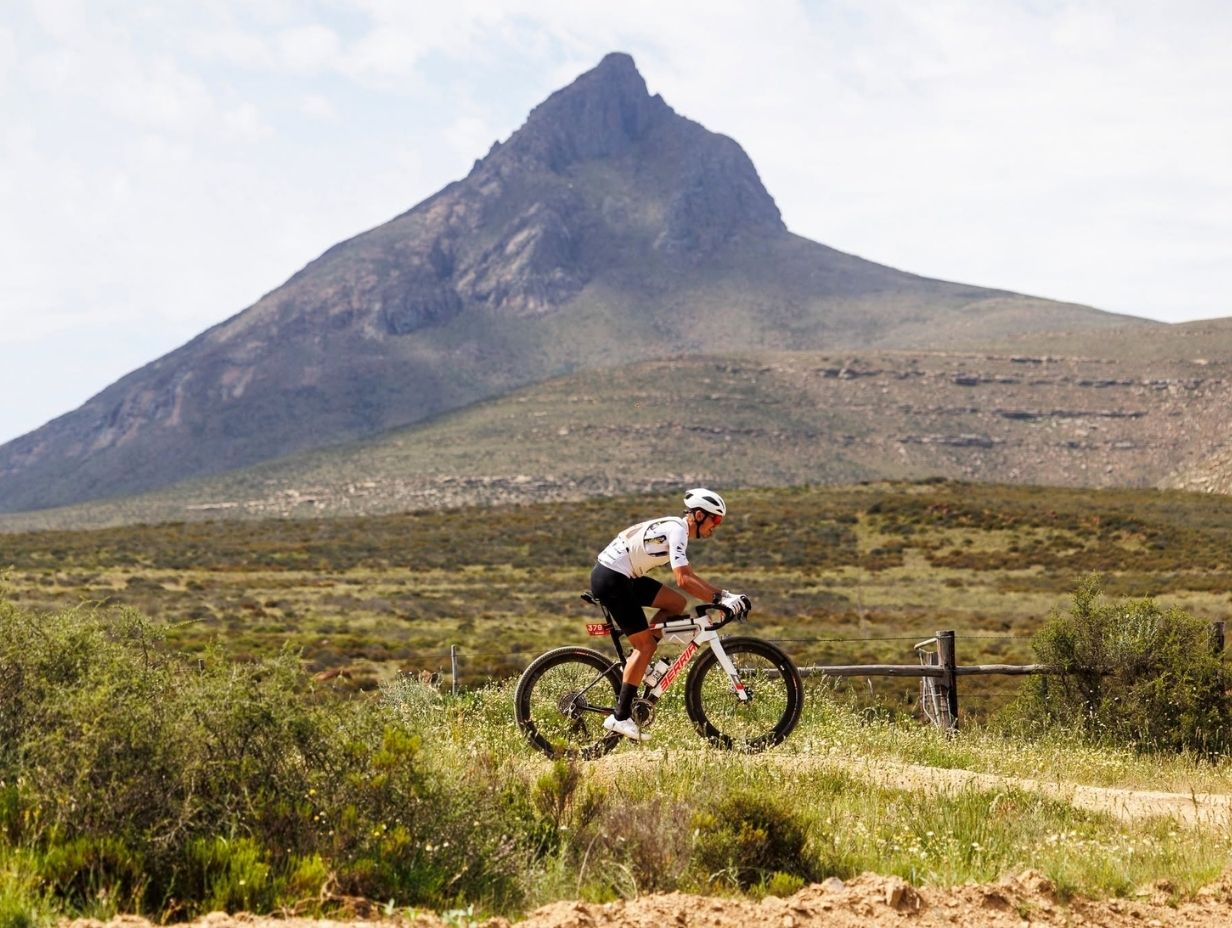

Seven days of racing, around 750 kilometres, 8,500 metres of elevation gain and landscapes I had never ridden through before. At the end of October 2026, I took part in the second edition of the Nedbank Gravel Burn, a gravel stage race held in South Africa. A sporting experience, but above all a human one, that deserves far more than a simple race report.
It all started in February 2026, when Matériel-Vélo.com offered me a place to join a hosted group for this new event.
I didn’t take long to reply. A few hours at most.
Yet this kind of offer is something I usually tend to refuse. Flying to the other side of the world, travelling in a group, being in an unfamiliar environment, speaking English every day… Lots of situations in which I’m not particularly comfortable.
But this time, I said yes.
Without quite knowing why, I felt this opportunity might not necessarily come around again. And above all, I wanted to step out of my comfort zone a bit.
Ten months later, here I am in South Africa, ready to start one of the most memorable sporting adventures of my life.
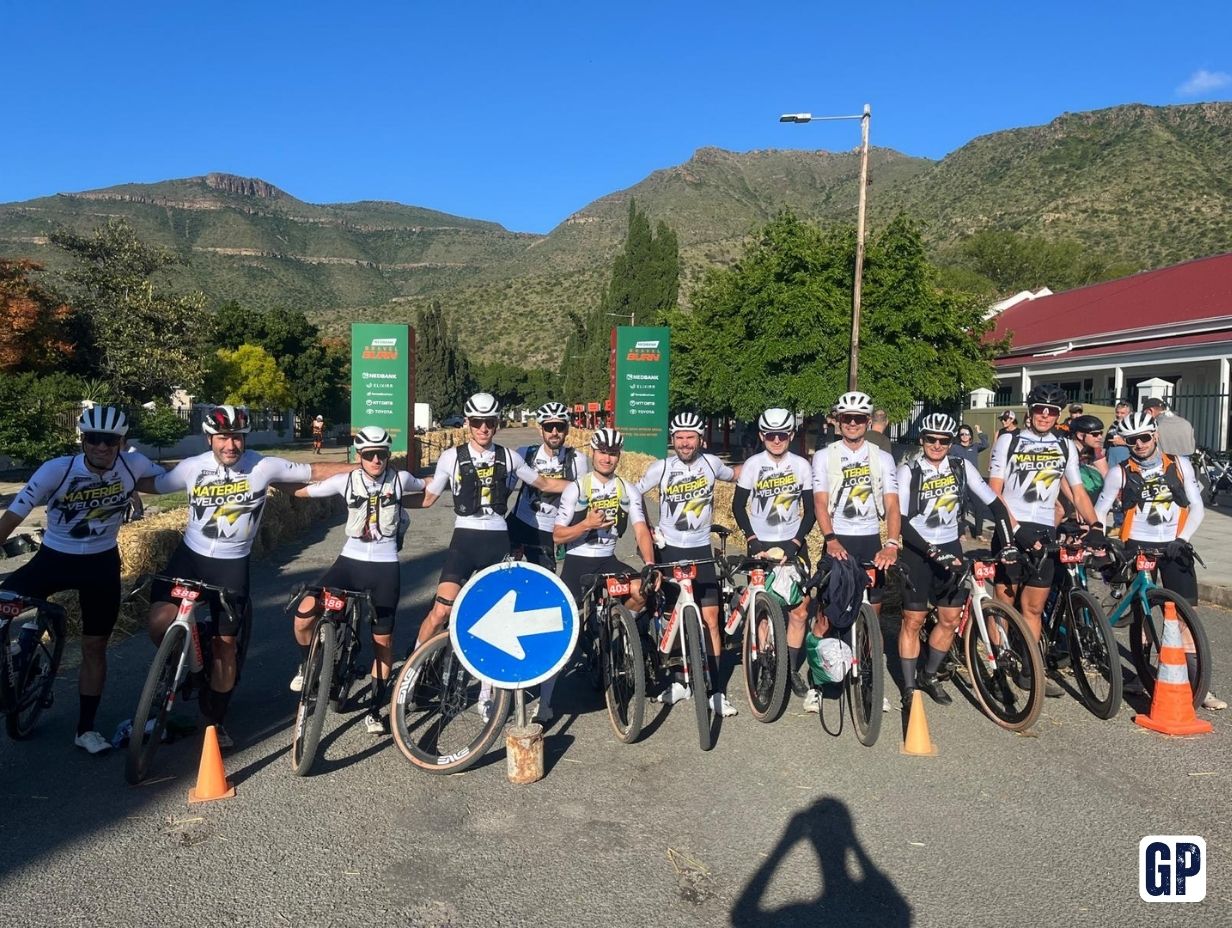
Here is my unfiltered feedback on this second edition of the Gravel Burn. From preparation to kit, through the camps, the difficulties of the race, local life and the many details that are hard to imagine before you set off.
An adventure that started long before the start
Between February and October, I had plenty of time to think about this date.
At first, it feels a long way off. You picture the landscapes, check the first information about the route, think about the kit… But until the date draws near, it all stays fairly abstract.
Then my sporting year ran into a couple of setbacks.
A first crash in June, followed by a second at the end of August. Nothing that stopped me riding for good, thankfully, but enough to disrupt my preparation and, above all, dent my confidence a little.
After two crashes in a few weeks, it’s hard not to ask yourself a few questions. Was it really sensible to go and race seven days of gravel thousands of kilometres from home?
Fortunately, September and October allowed me to feel good again on the bike.
Physically, I was reassured. Even if my preparation hadn’t been perfect, I knew I had enough endurance to string the stages together.
On the other hand, I was clearly short on technical work. And I would soon understand how much that parameter could matter.
Heading for the Karoo, far from everything
To reach the start, you first had to cross a good part of the planet.
First Johannesburg, then Port Elizabeth, before continuing by road to Graaff-Reinet, a historic town in the Karoo region.
This is where the Gravel Burn really begins.
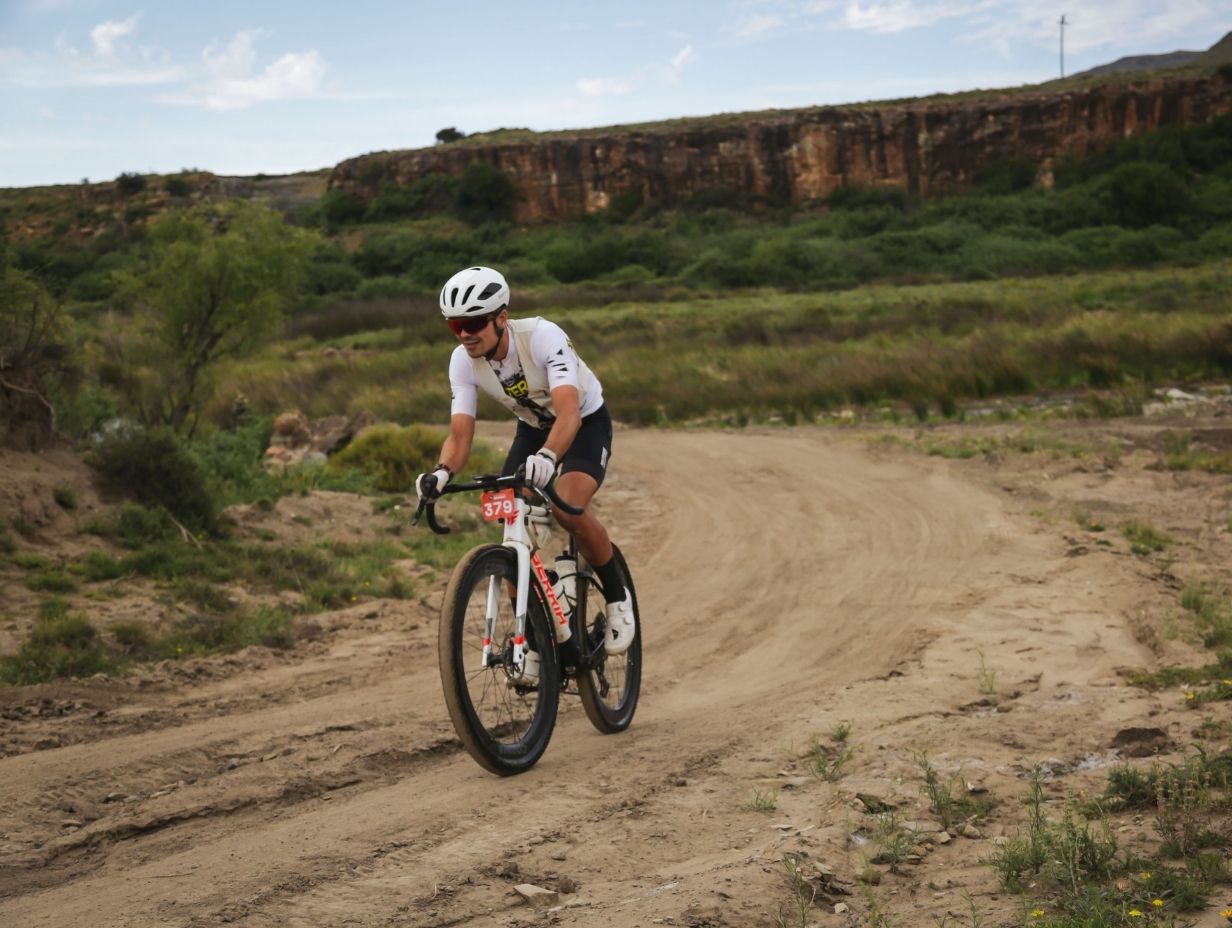
The principle is quite simple: cross part of South Africa over seven days, mainly on tracks, regularly changing camps, until reaching the Shamwari private reserve.
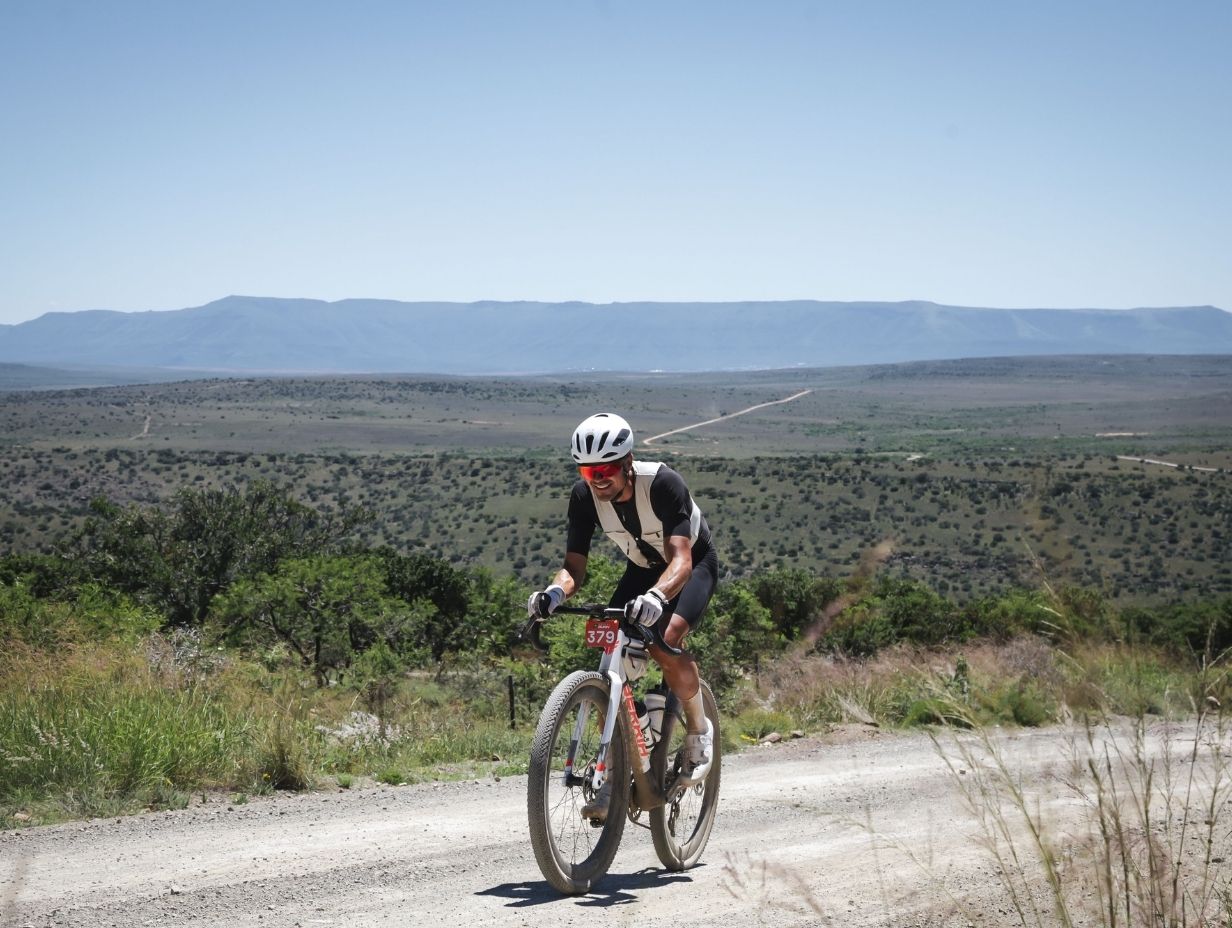
On the menu: never-ending tracks, long climbs, a few technical sections, heat and above all lots of dust.
Gravel Burn 2026 in a few key figures
- 7 days of racing, from 25 to 31 October 2026.
- About 750 km and 8,500 m of elevation gain.
- More than 400 participants, professionals and amateurs alike.
- Stages ranging from 60 to 140 km.
- Accommodation in Burn Camps, set up in particularly remote places.
- A finish at Shamwari, in a private nature reserve.
- The initial route saw a few adaptations, notably due to bad weather that made some tracks dangerous. The final stage was in fact neutralised after around fifty kilometres.
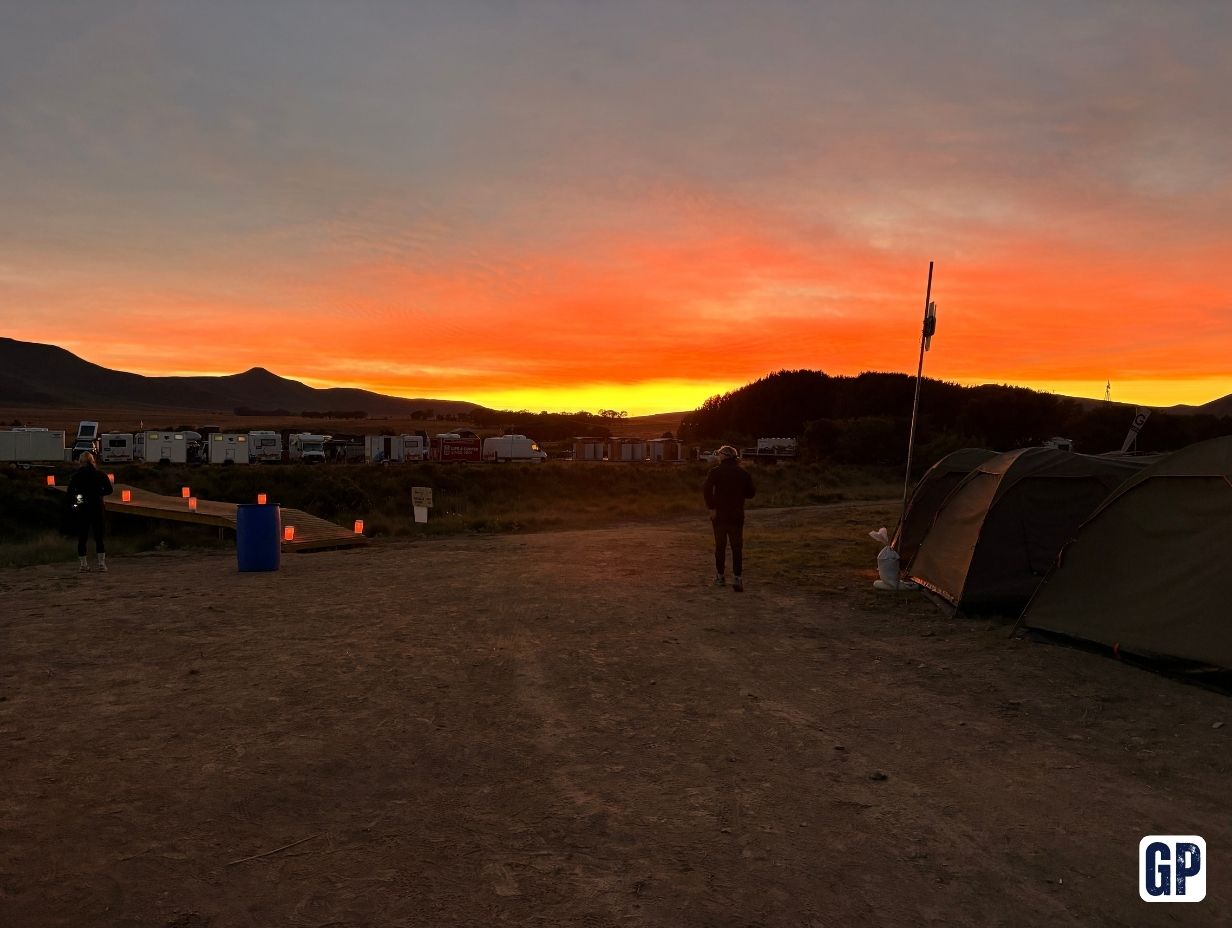
But one thing didn’t change: we were going to spend seven days in an environment quite far removed from what we know in Europe.
An organisation unlike anything I’d seen before
That’s probably the first thing I’ll take away from this adventure.
In terms of organisation, the Gravel Burn is simply the most impressive thing I’ve seen in the cycling world.
I was told there were more people on the staff than there were participants. I didn’t verify the figure, but after seven days on site, it doesn’t seem at all unrealistic.
Picture fully fledged living spaces, sometimes created in the middle of desert landscapes, able to host several hundred cyclists.
Individual tents, dining areas, toilets, showers, medical assistance, technical facilities, rest areas and even spaces to work.
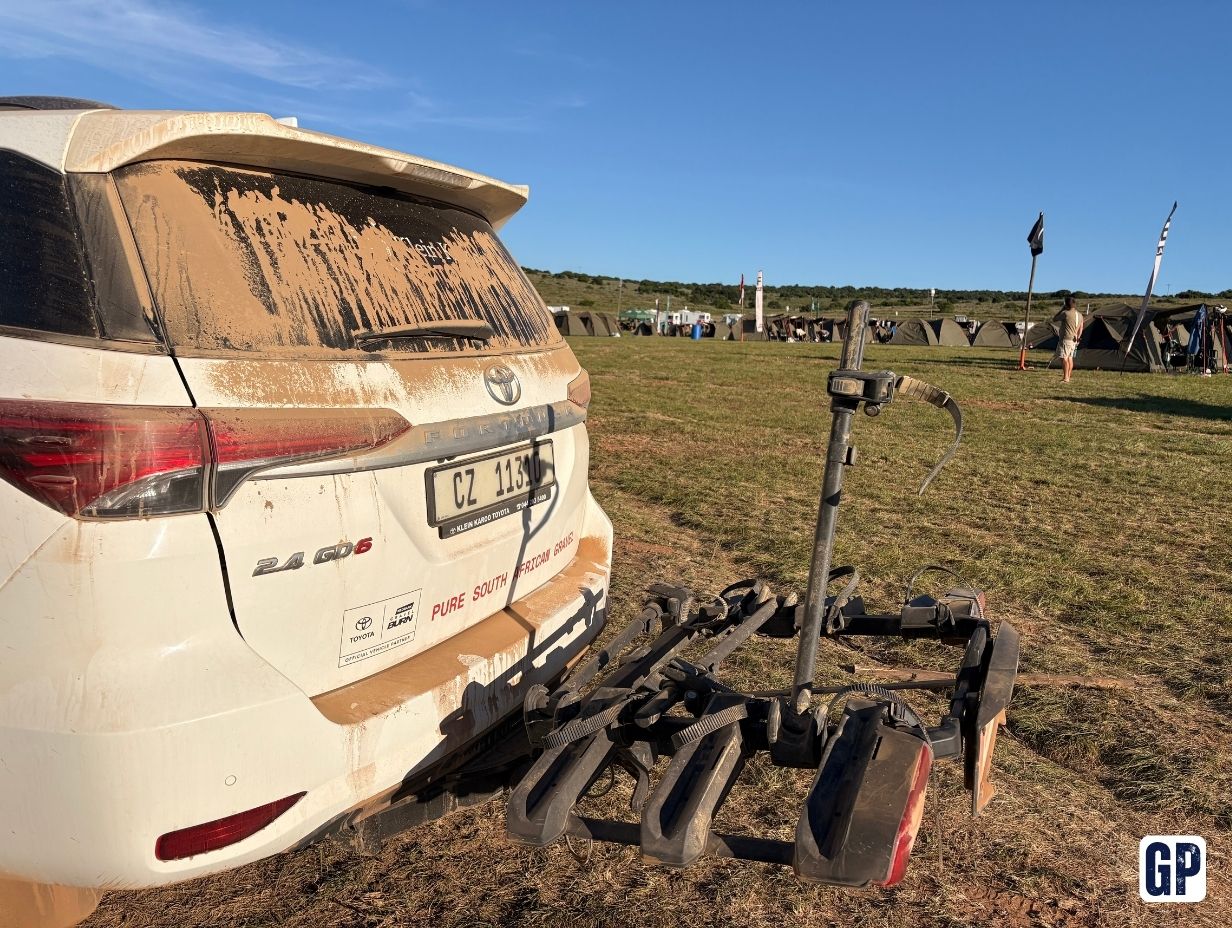
All of it moved or reinstalled as the race went on.
It’s pretty mind-blowing.
Surprisingly comfortable camps
Before leaving, I was expecting a fairly basic experience.
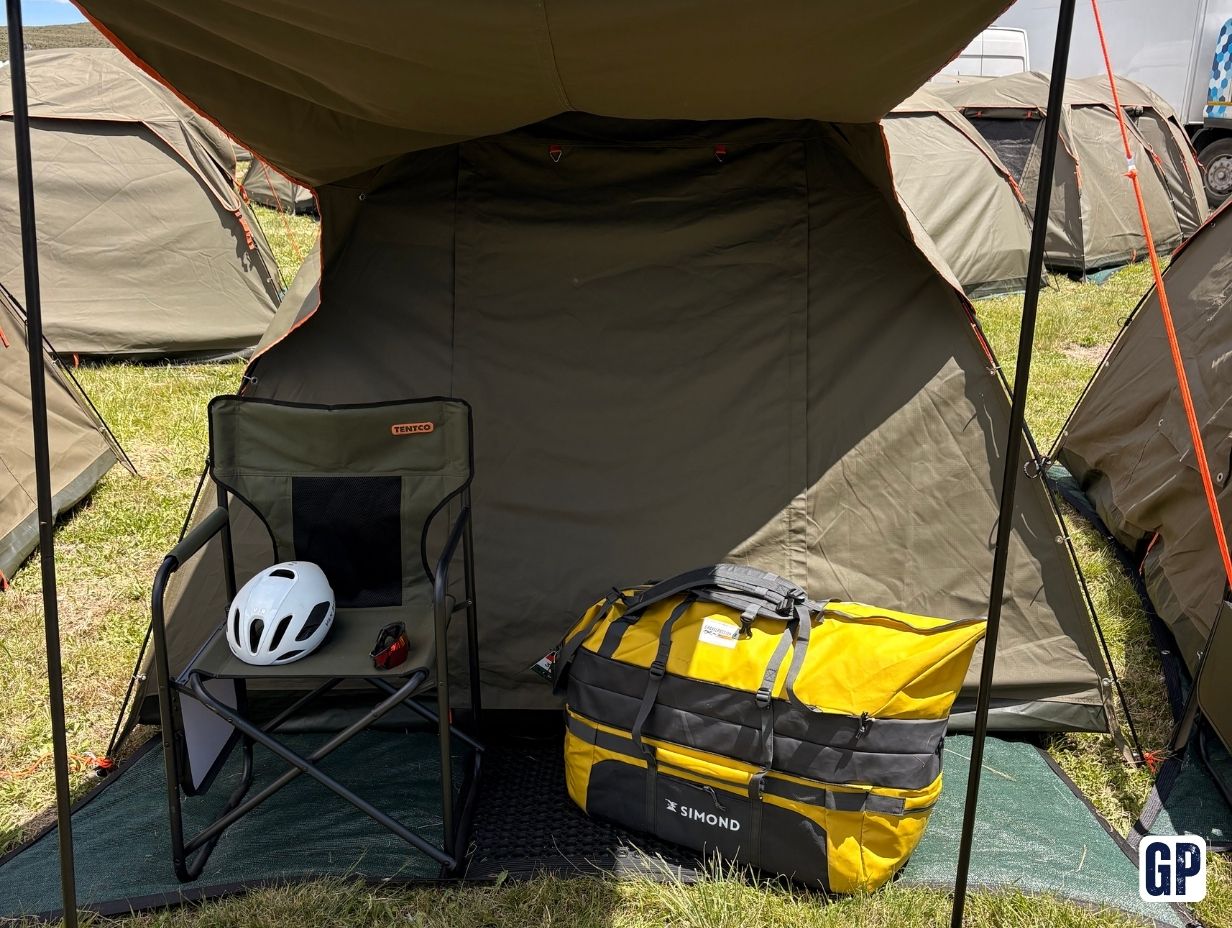
In the end, each participant had a fairly large tent, equipped with a camp bed, a small table, battery lighting and a chair to sit outside.
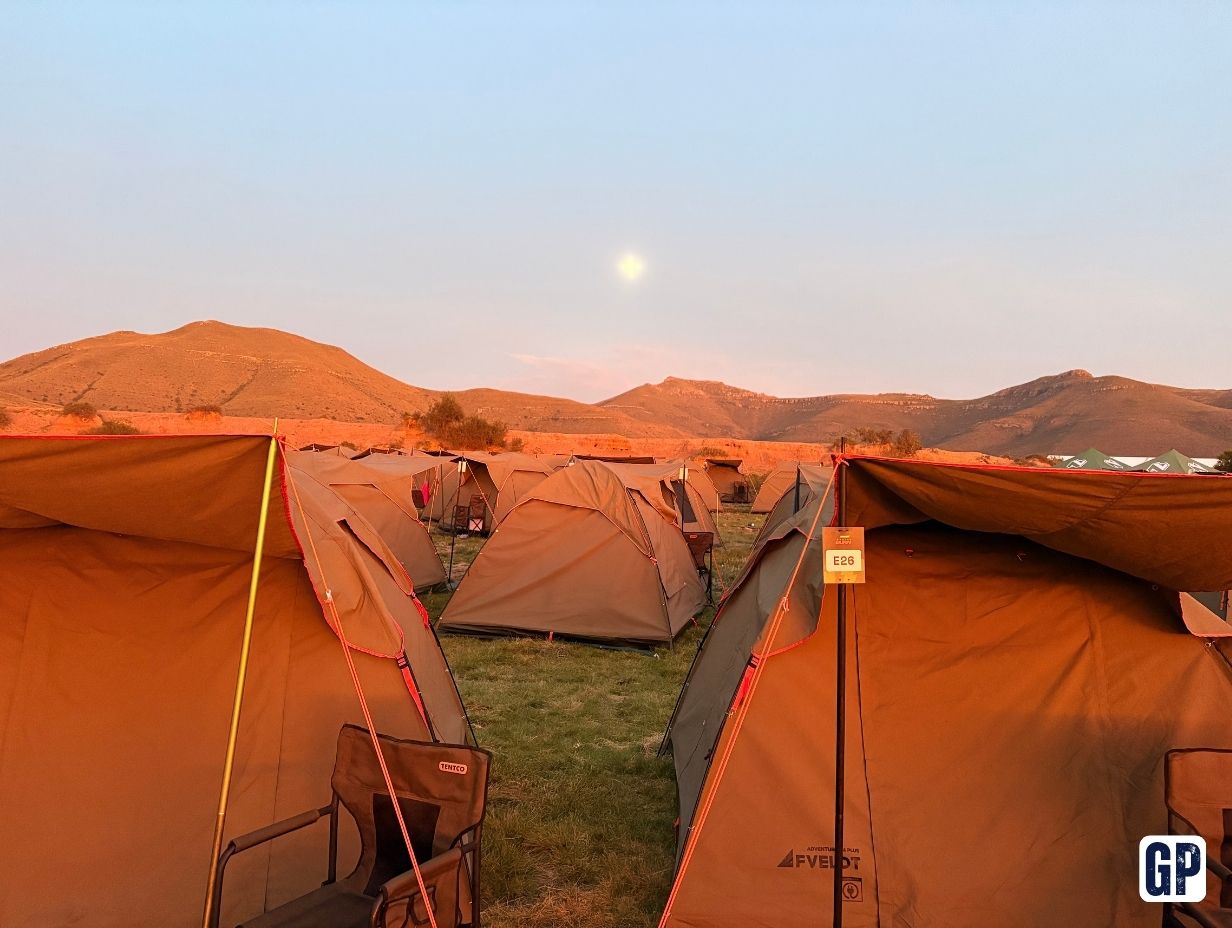
Simple, but more than enough for a good night after several hours on the bike.
The level of cleanliness really struck me. The portable toilets and showers were serviced continuously, with the toilets in particular cleaned after every use.
The staff were everywhere, always available to serve us, clear away or respond to our needs.
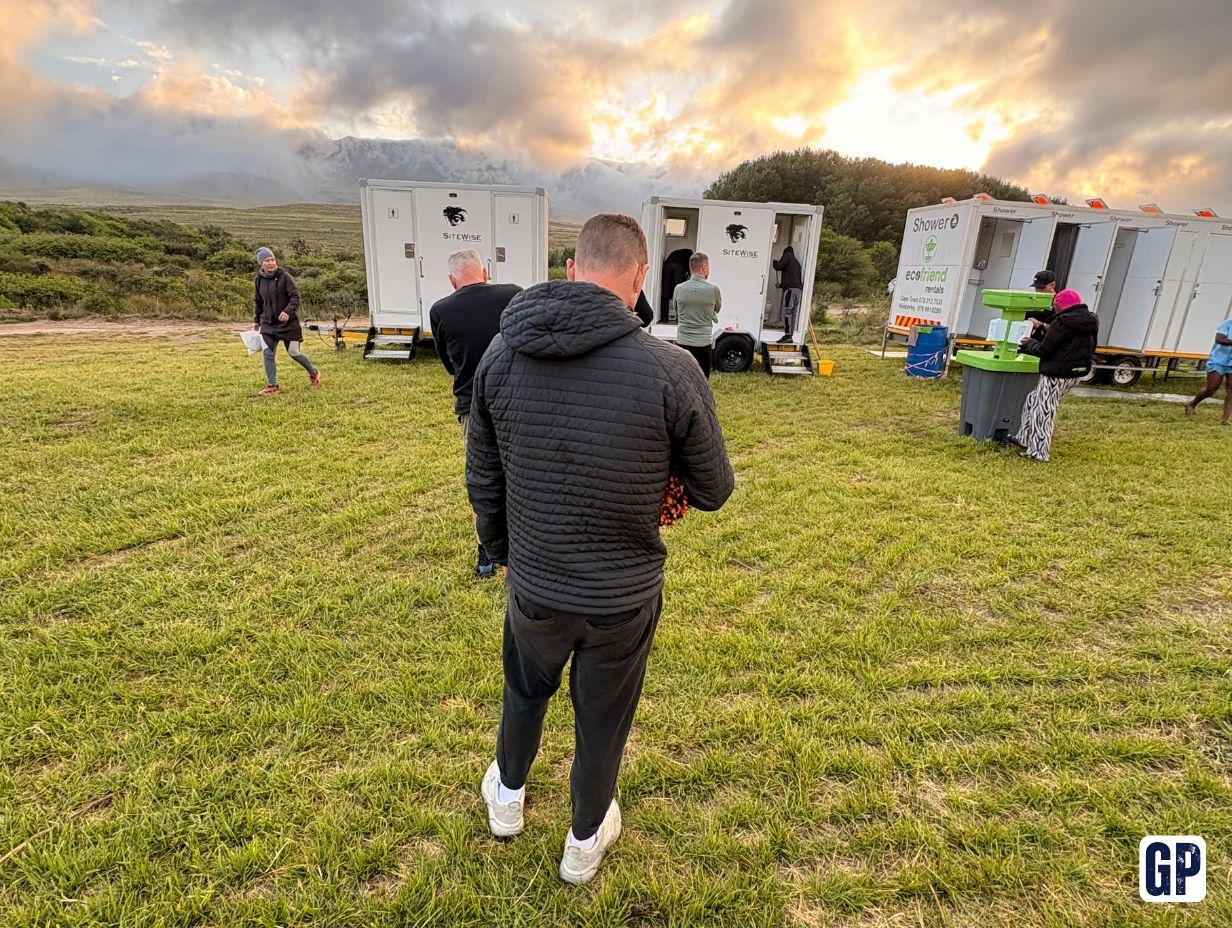
We were a long way from the image of a spartan bivouac.
If I had to find a fault, I’d simply have appreciated a few more showers and toilets, especially at peak times after the stages.
But that’s really a detail given the overall quality of the facilities.
Flawless organisation, even out on the course
This quality wasn’t limited to the camps.
Out on the ground, marshals were present at tricky spots, notably to warn participants of dangerous sections or changes of direction.
Medical assistance, race tracking, media teams and feed zones were also very well organised.
Despite the remoteness of some areas, we never really felt left to our own devices.
This organisation obviously comes at a cost. But it goes a long way to making the experience accessible to cyclists who are not necessarily used to travelling or taking part in such long events.
Seven days of racing: gravel at its toughest
Let’s get to the point: the bike.
On paper, the distances and elevation are not necessarily frightening for a trained cyclist.
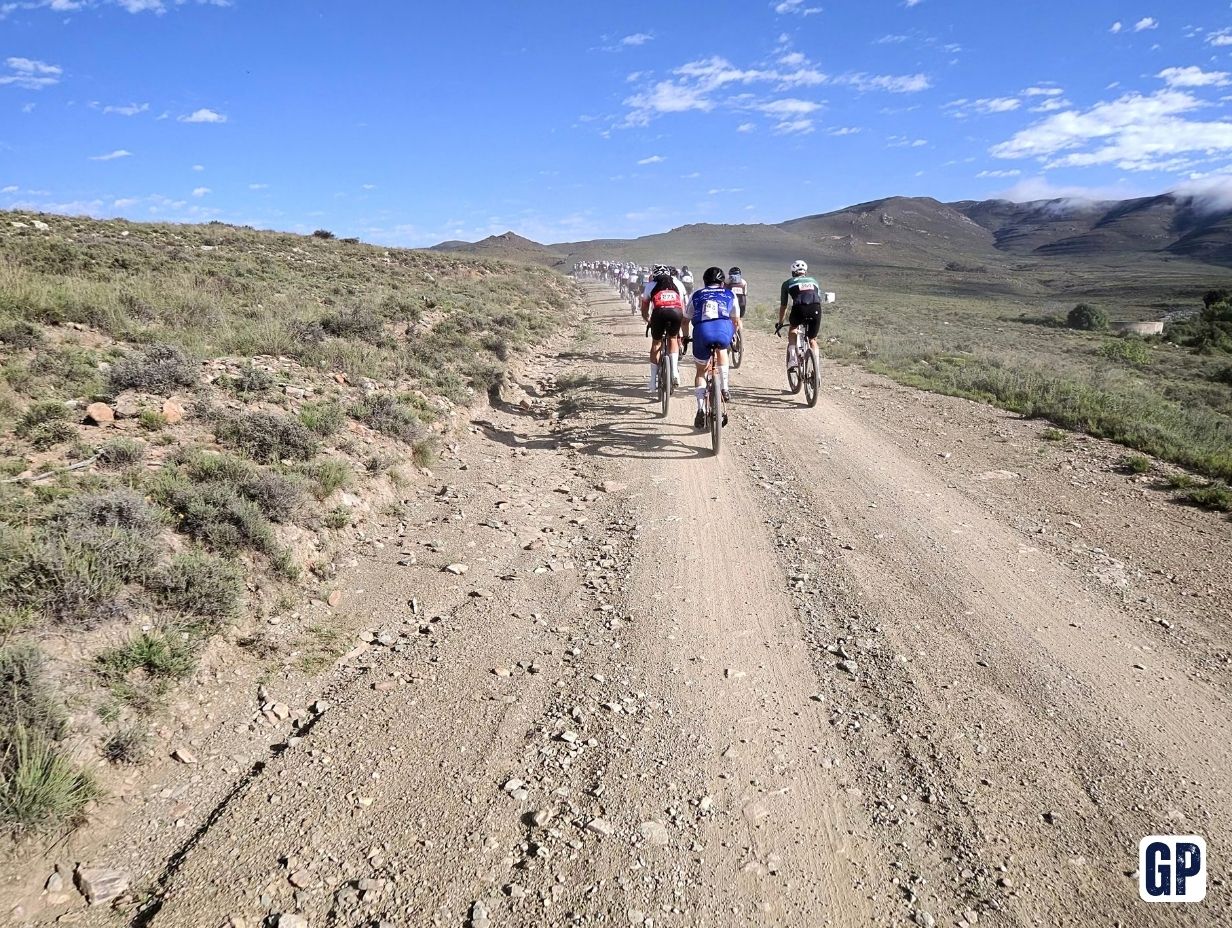
Stages of about 100 kilometres and 1,000 to 1,500 metres of elevation gain are fairly standard.
But the problem isn’t one stage. It’s the accumulation over seven days.
And above all, the nature of the terrain.
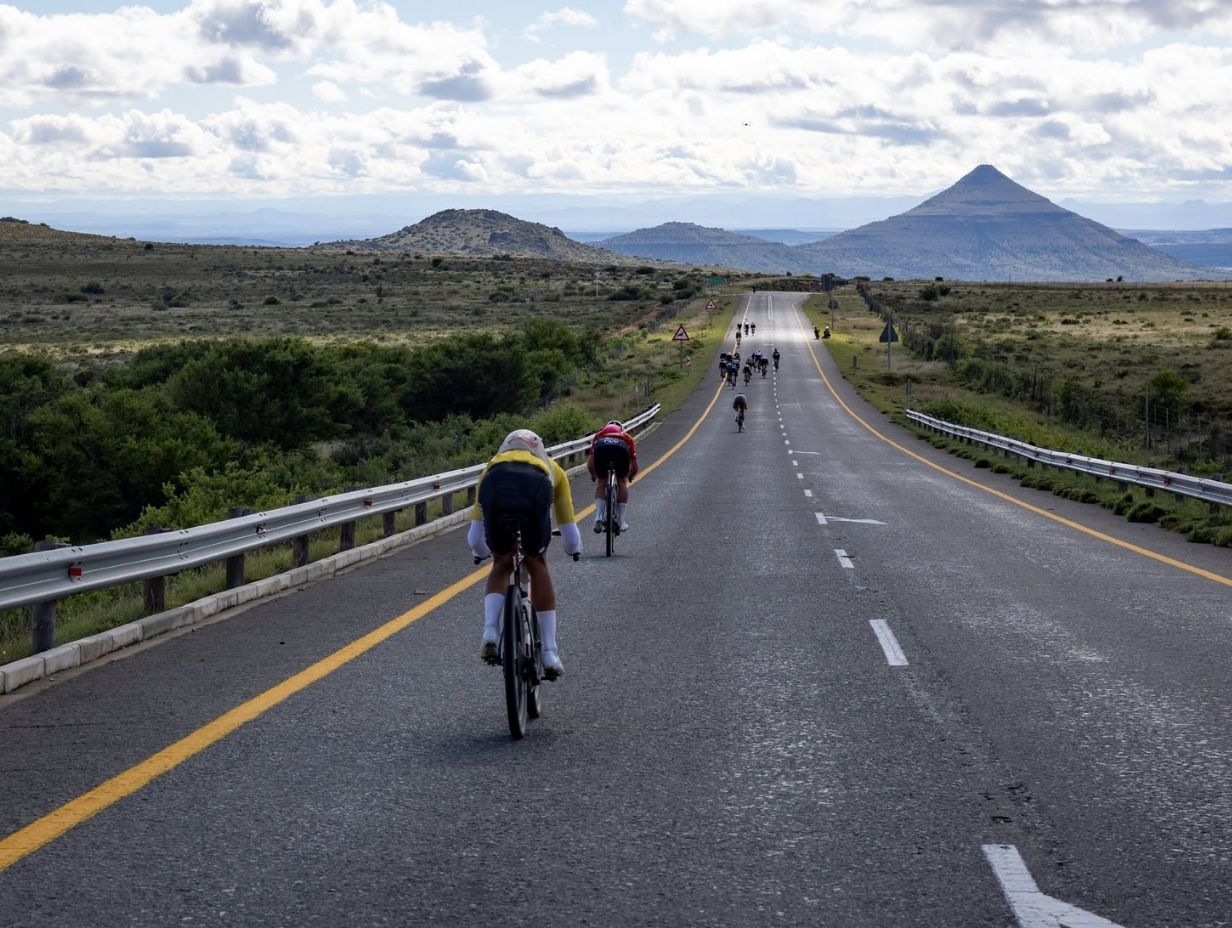
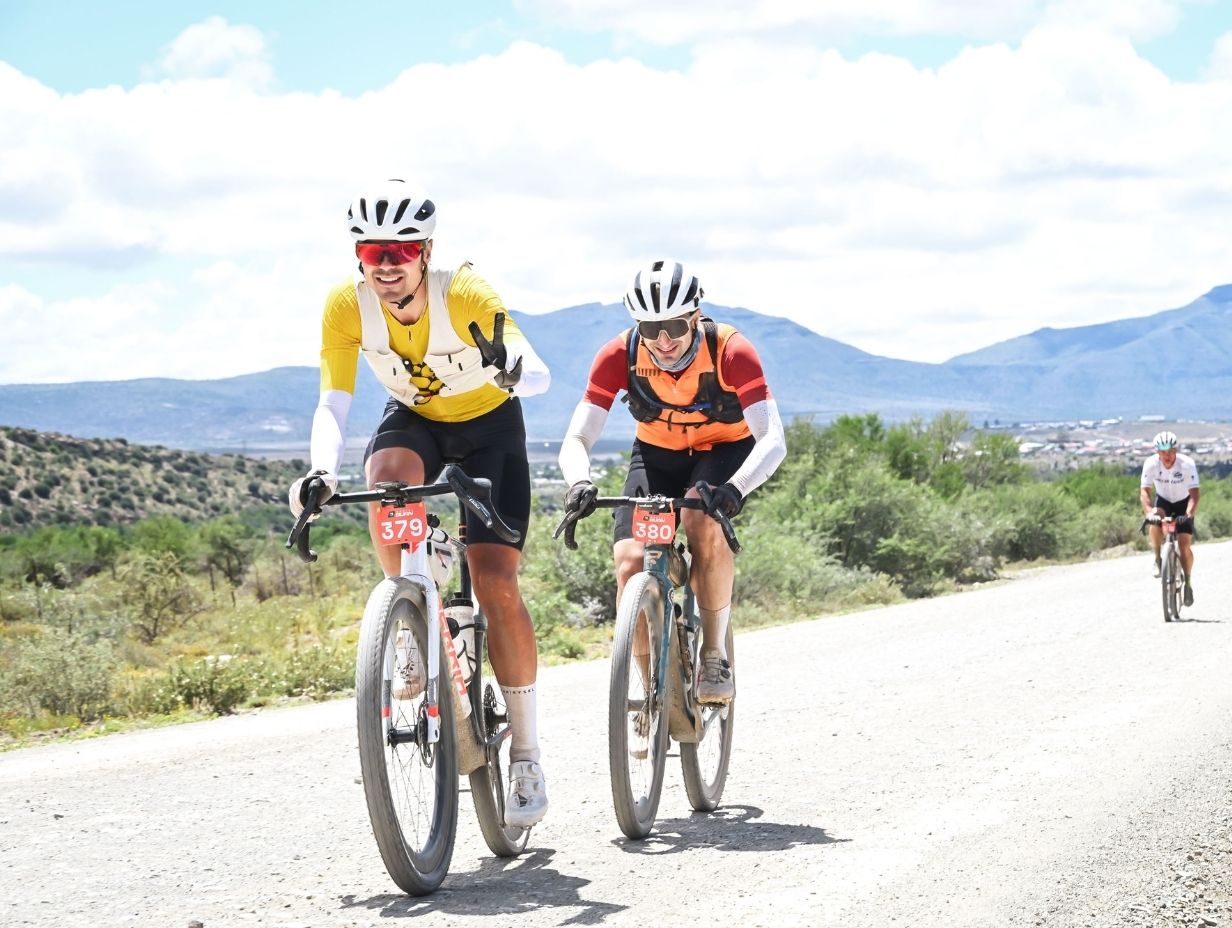
On most stages, we rode almost exclusively on tracks. Apart from a few road sections, notably on the third day, there was virtually no respite.
Fast tracks, but particularly wearing
What surprises you is the speed you ride at.
Personally, I didn’t finish any stage with an average below 25 km/h.
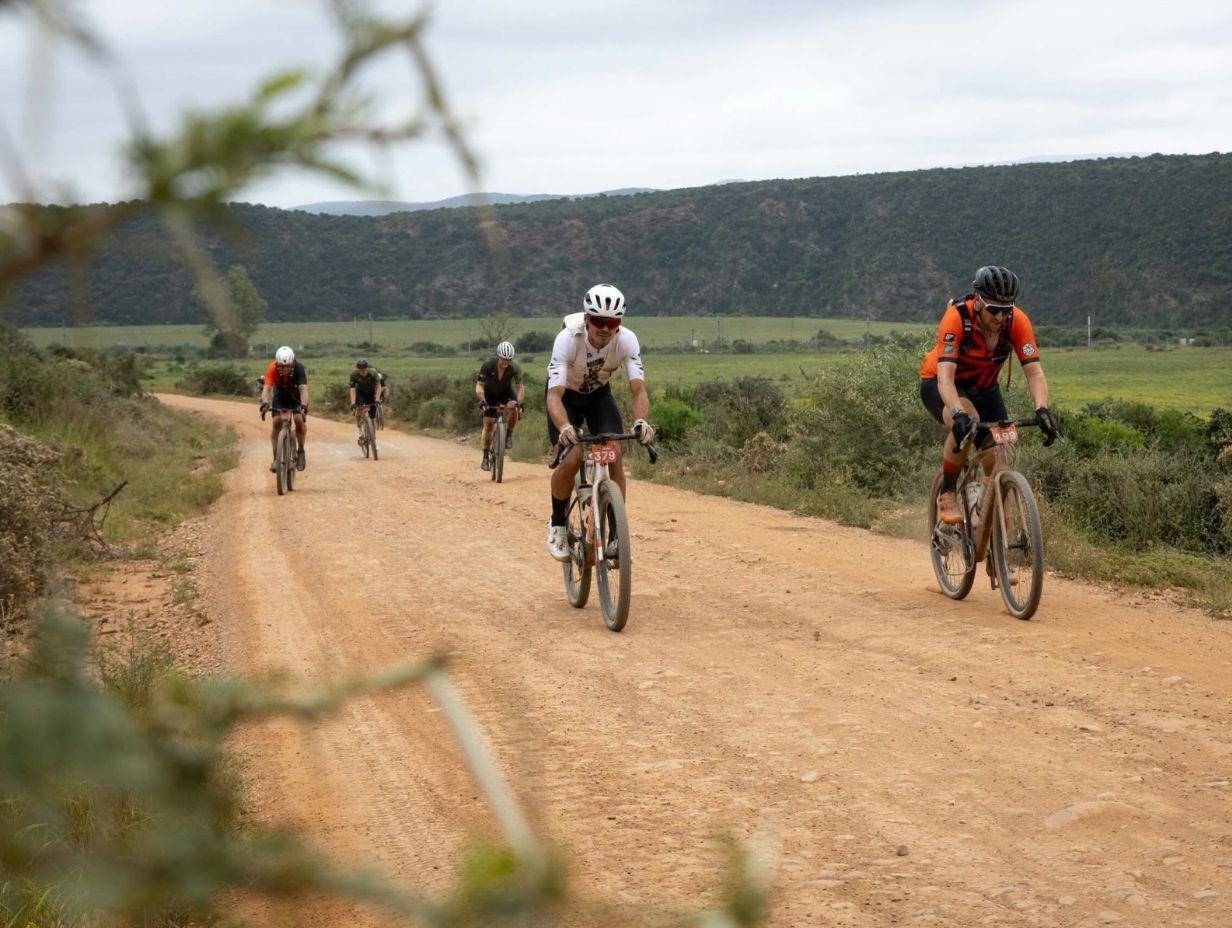
So you might imagine perfectly smooth, fast-rolling tracks.
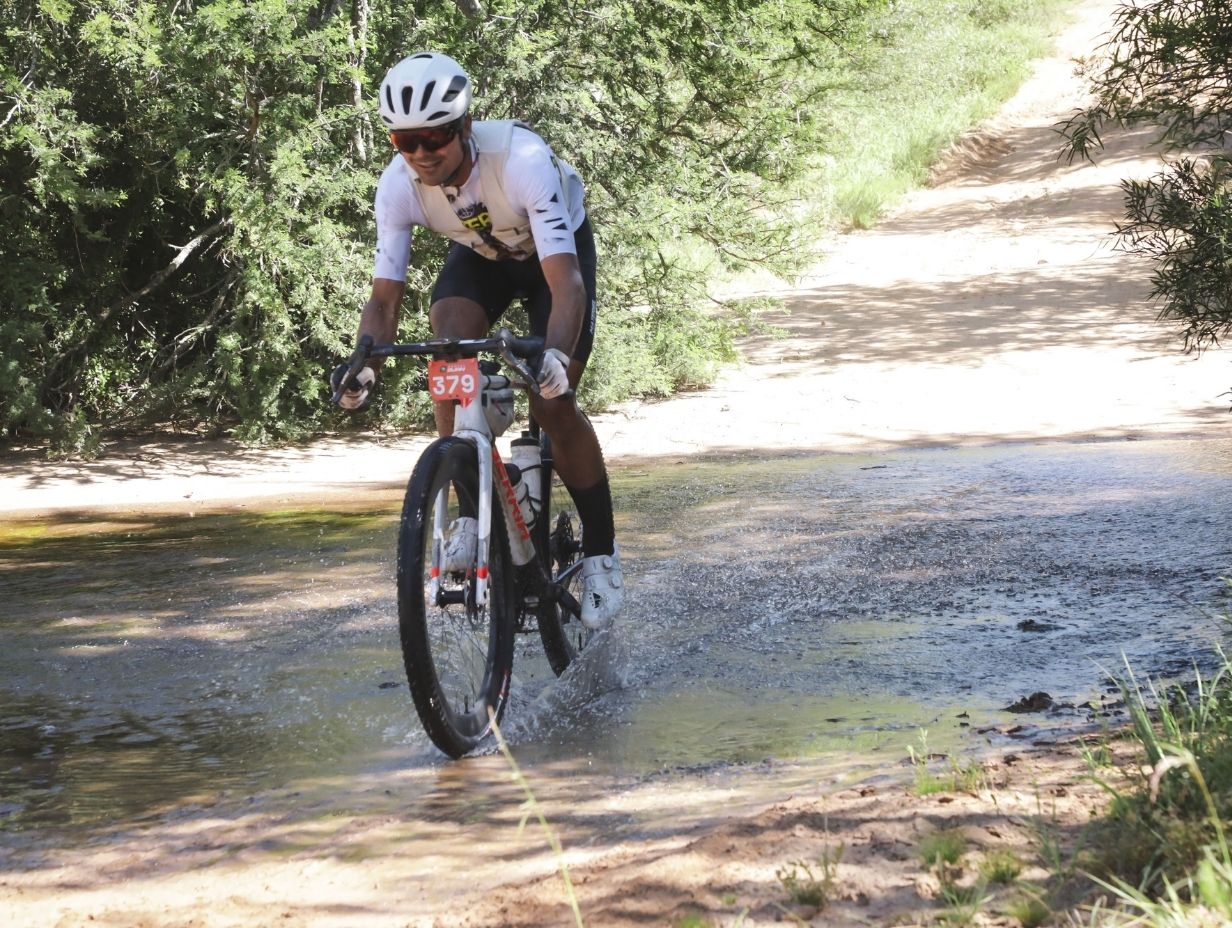
Not quite. The surface changes constantly: rocky sections, sand, ruts, holes, stones, corrugations…
Even when a track seems easy, it can become particularly tiring after several hours.
Corrugations, in particular, impose constant vibration. Your body takes a battering, and so does your equipment, and the fatigue builds day after day.
On the road, it’s quite easy to find moments to recover, relax your focus or simply sit in with a group.
In gravel, it’s another story.
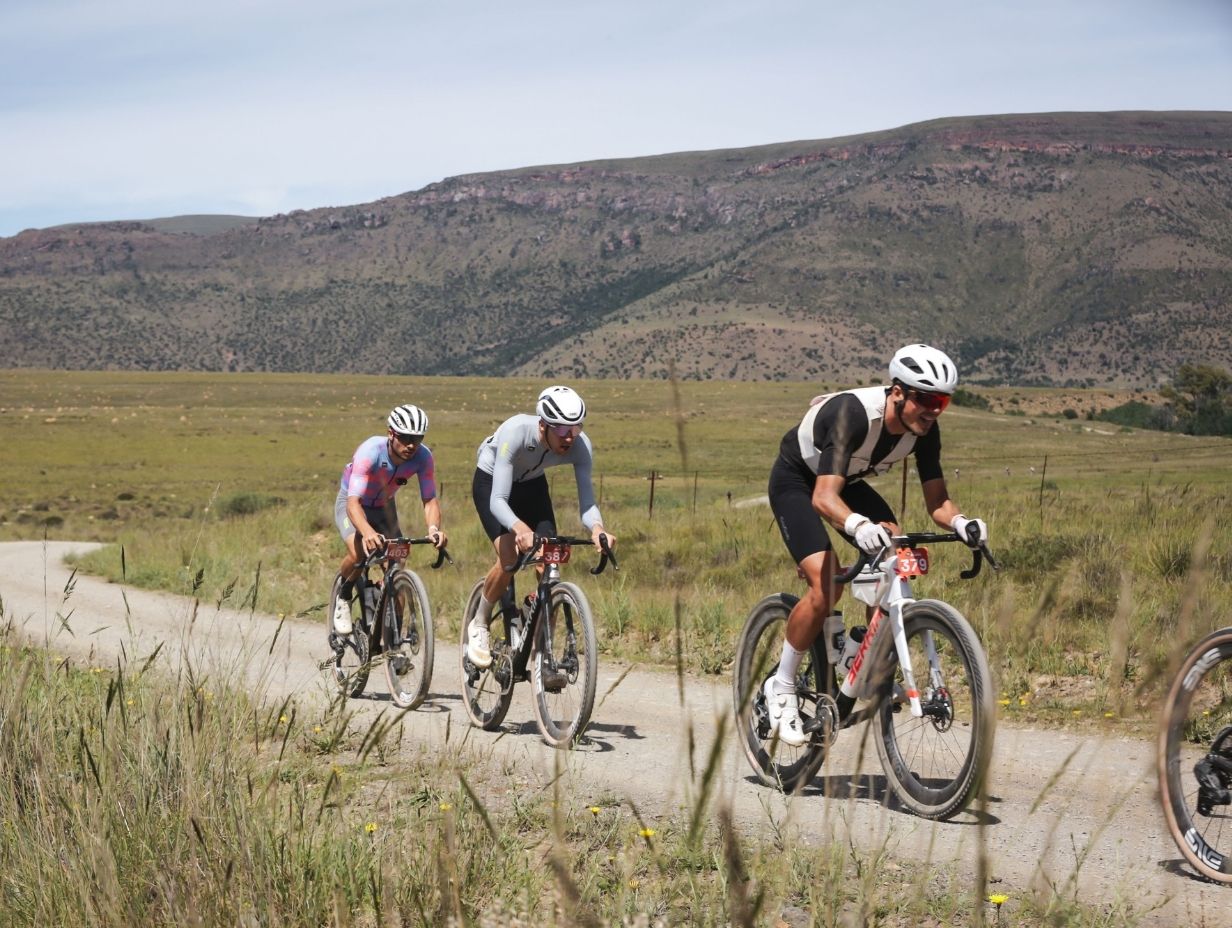
Concentration has to be near constant, especially when you’re on the wheel of other participants.
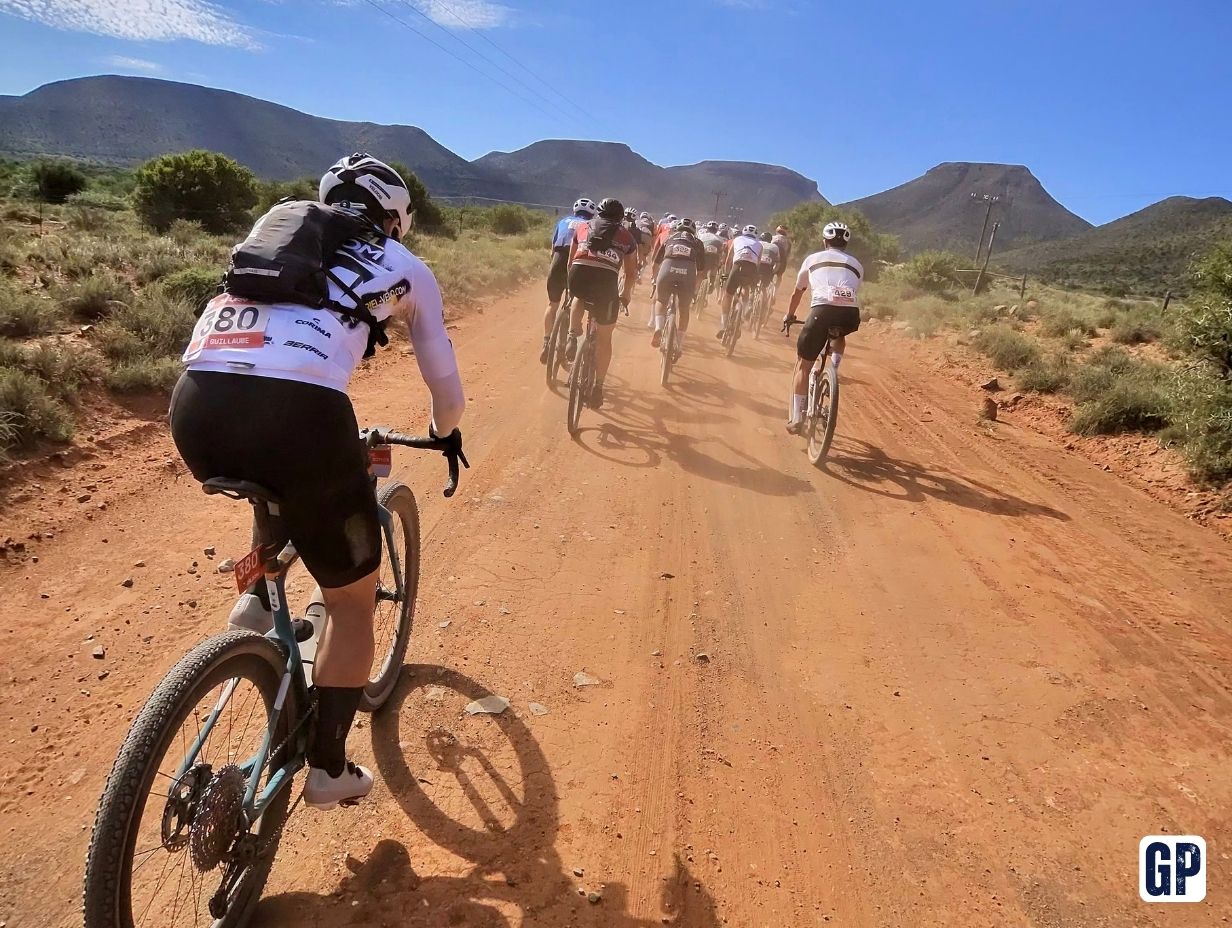
A badly placed rock, an invisible rut or an approximate line can be enough to cause a crash.
A race where you have to choose your days
I quickly realised that trying to race flat out for seven days wasn’t necessarily the best strategy for me.
So I chose to target certain stages.
On the more rolling routes, those that matched my physical strengths better, I could enjoy riding fast, staying in the groups and challenging myself.
Conversely, on the more technical stages or those I considered dangerous, I preferred to ease off.
That helped save energy, but also limit risk.
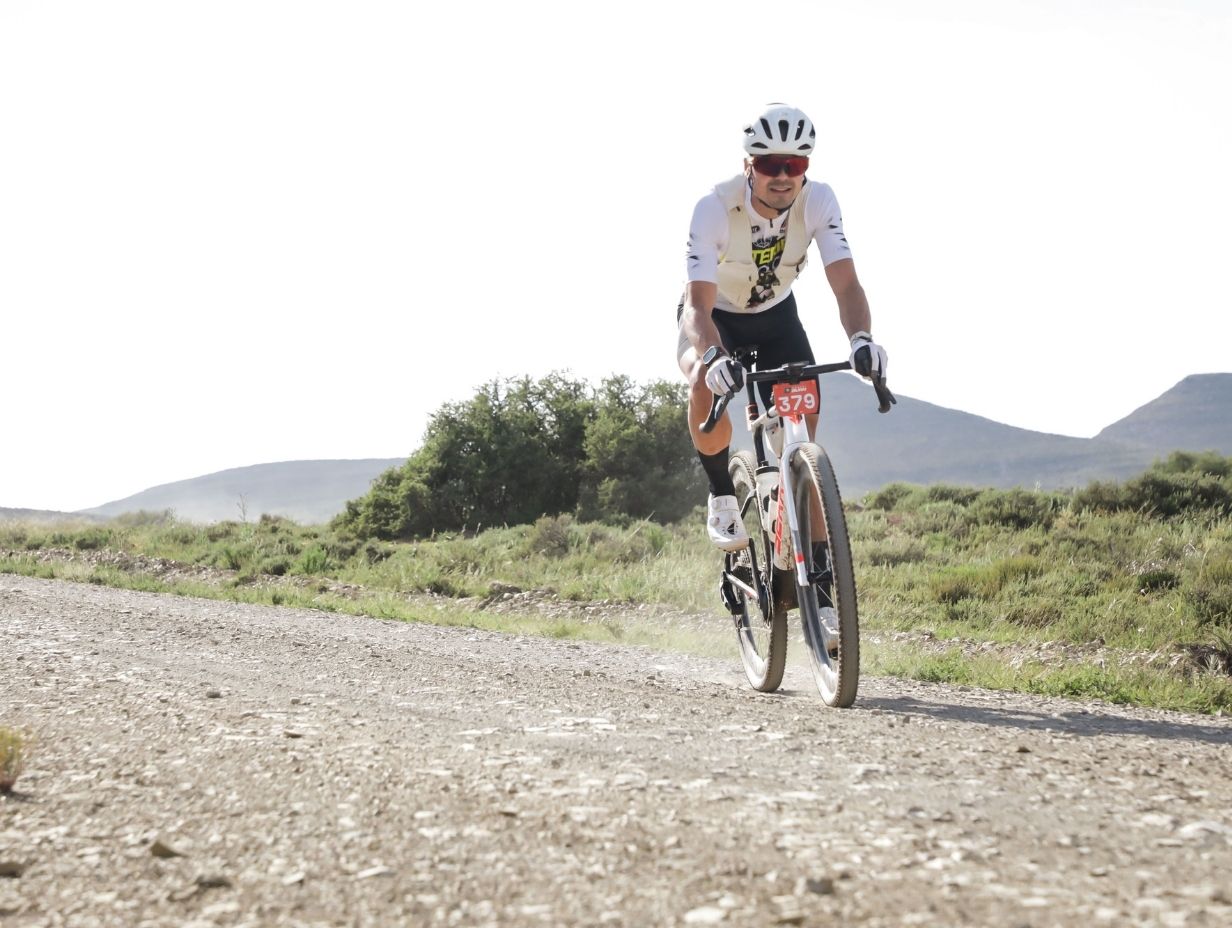
Because we have to talk about it: there were plenty of crashes.
From what I saw and heard, 10 to 20% of participants crashed during the week. A personal estimate, not an official statistic.
On the very first evening, some tents were already disappearing from the camps, their occupants having abandoned the event.
356 athletes classified, 50 “out of race” so 12%… A bit like Koh-Lanta, in the end.
Above all it reminds you that a seven-day gravel race should not be taken lightly, even when you have a good physical level.
Race or look at the scenery?
That’s probably my main regret from this adventure.
I wanted to use this trip to push myself athletically, but also to discover a country and take a step back from certain aspects of my life.
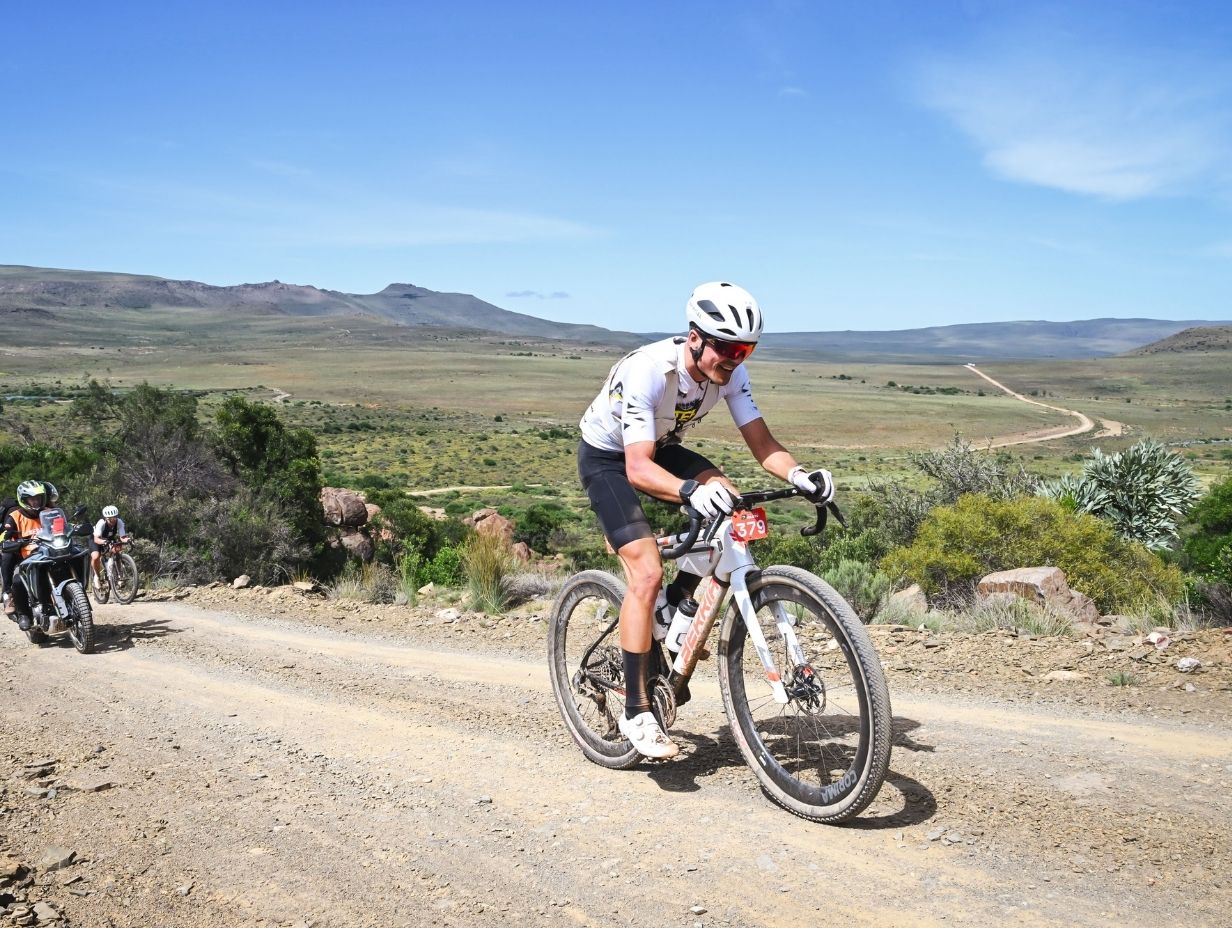
Except that on the days when I was riding flat out, on the wheel of a group, I couldn’t think about anything other than the terrain.
And even less enjoy the scenery.
More than once, I told myself: ‘Lift your head, look around you. You may never come back here.’
It’s quite paradoxical.
You pass through exceptional landscapes, in a country you’re discovering for the first time, but you can spend several hours staring only at the wheel of the rider in front.
That’s also why I’m glad I alternated between racing days and those when I rode more at my own pace.
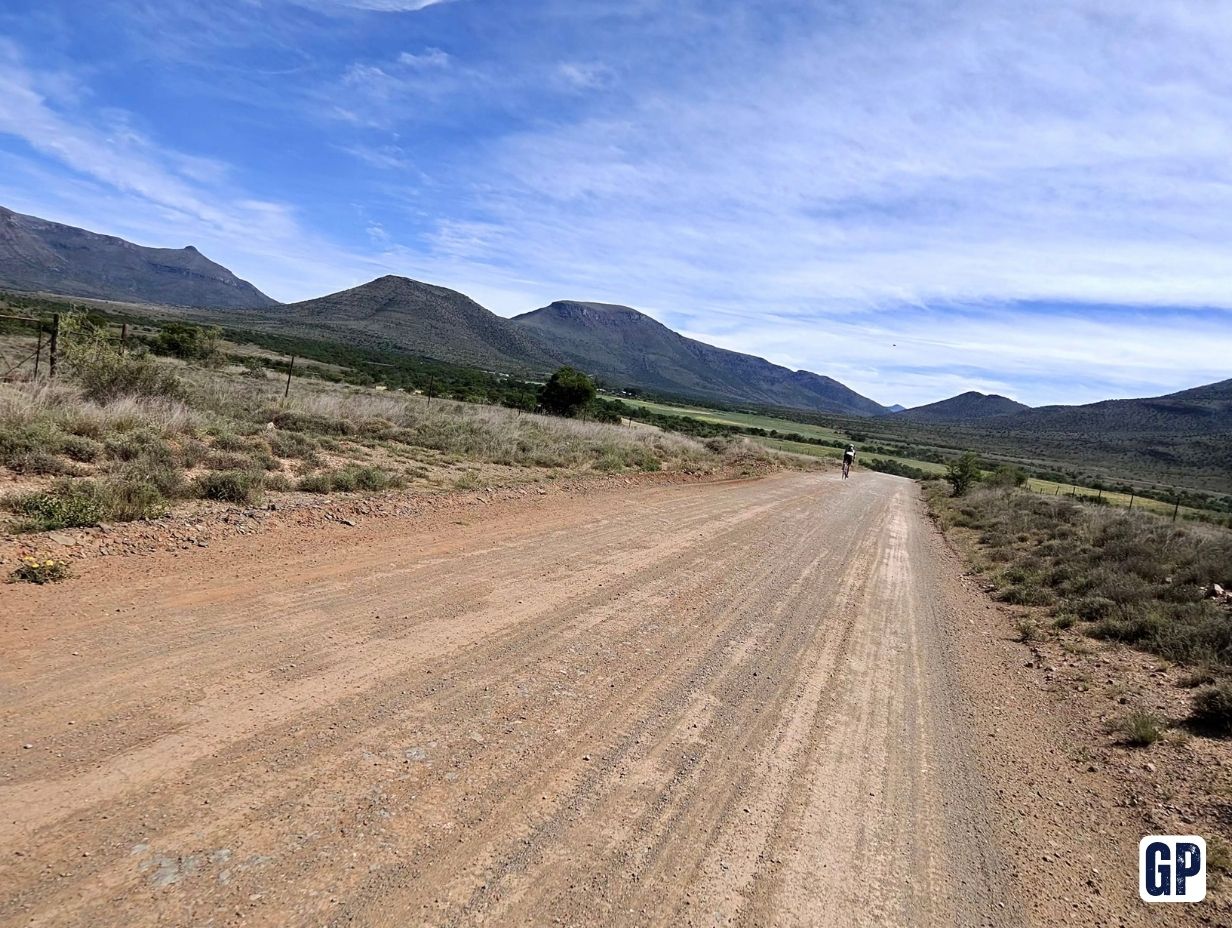
Both approaches have their merits.
But if you ever take part in the Gravel Burn, I recommend not neglecting this aspect. It would be a shame to cross South Africa without taking the time to look at it.
What kit to survive seven days of African gravel?
Before leaving, I spent a lot of time preparing my bike.
For this adventure, I had a Berria fitted with a SRAM Red groupset, a Corima 50G wheelset and Vittoria Terreno T50 tyres.
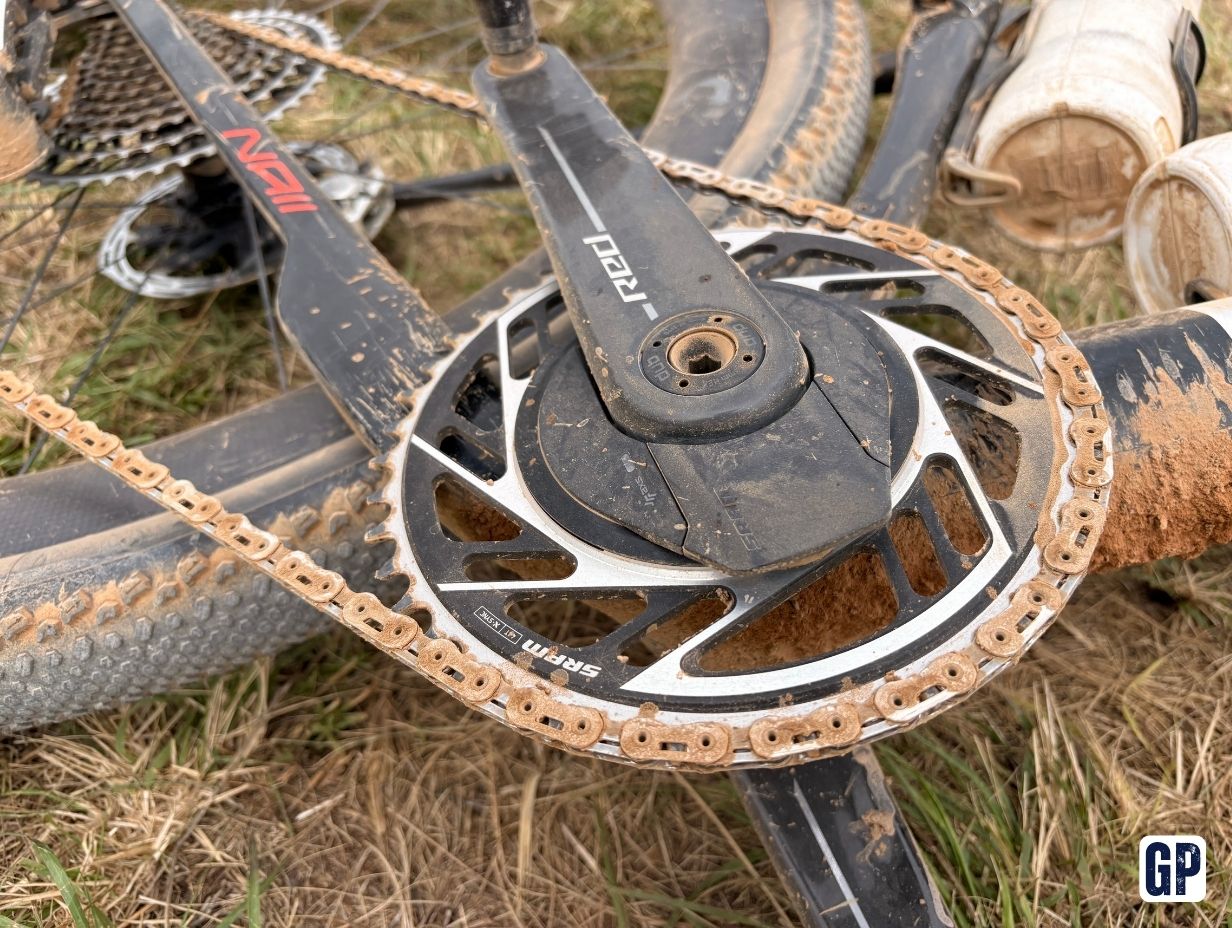
I detailed the whole setup in a dedicated article, which I refer you to for the full specifications.
But after seven days of racing, here’s what really stands out for me.
50 mm tyres minimum, and 55 mm if possible
That’s my first recommendation.
For this event, I suggest tyres of at least 50 mm. And if your frame allows it, I wouldn’t hesitate to go up to 55 mm.
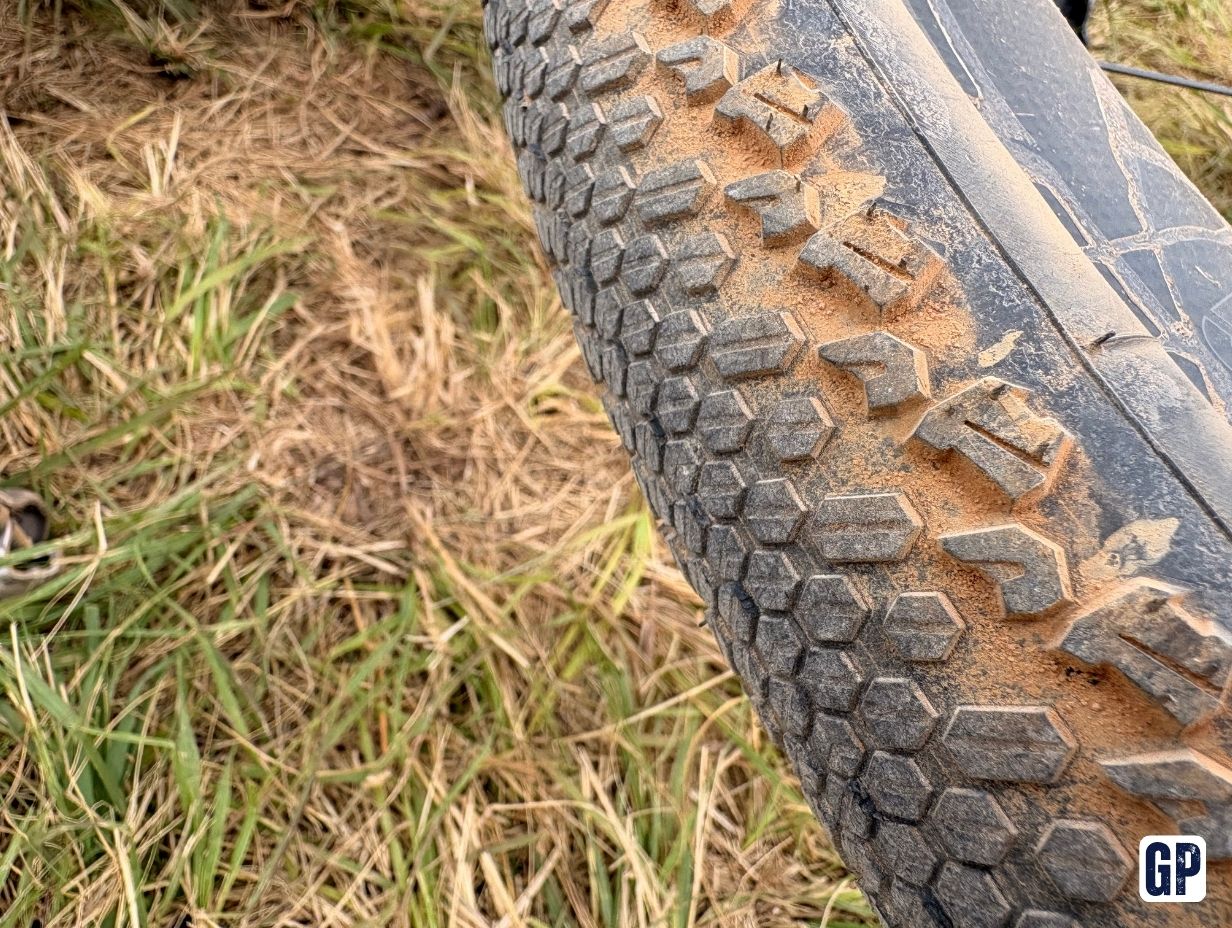
In my case, the Berria accepted this width only at the front.
A choice I’d make again without hesitation.
The extra width gave me more comfort, but also more security in sandy sections and ruts.
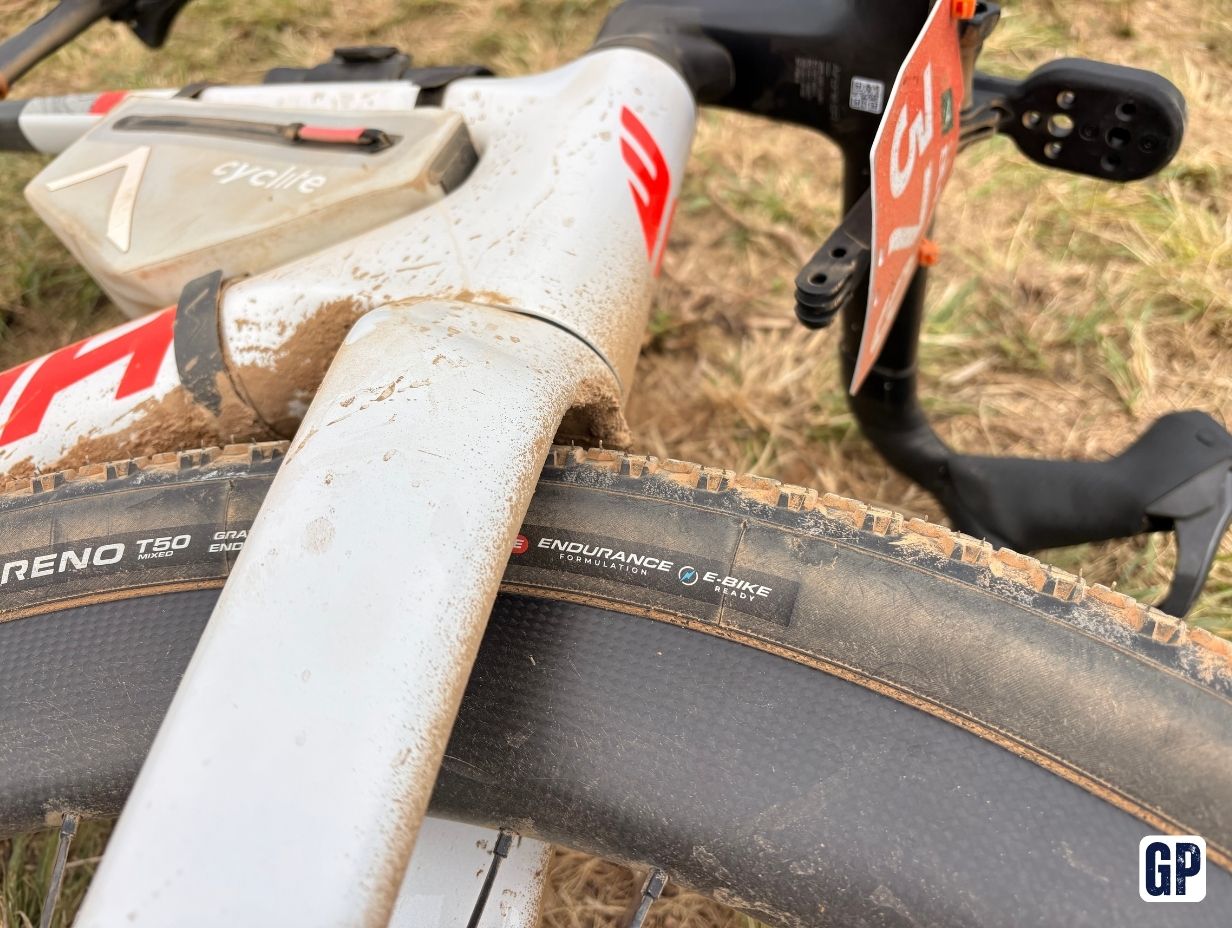
That was particularly welcome on this bike, whose front end is relatively stiff.
I also opted for a fairly pronounced tread, with Vittoria Terreno T50 front and rear, rather than chasing rolling performance at all costs.
And the result exceeded my expectations. In seven days: no punctures, no abnormal loss of pressure. Nothing.
On such a demanding event, that’s a pretty exceptional satisfaction.
Another point I would not neglect at all: the bottle cages.
Every day, we came across dozens of bottles abandoned on the tracks, ejected by vibrations and impacts.
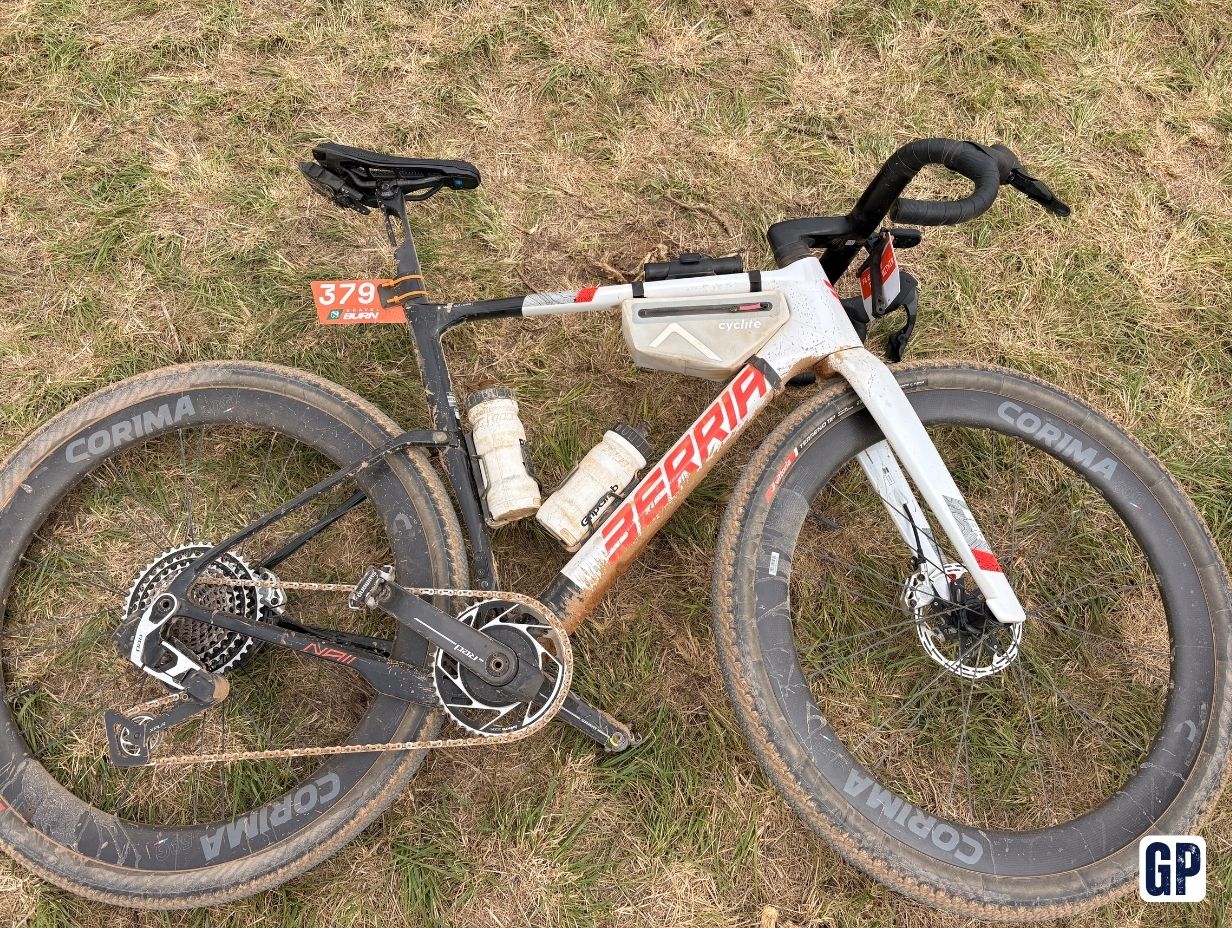
For my part, my Zéfal side-entry bottle cages did their job perfectly.
Seven days, hundreds of kilometres of tracks and not a single bottle lost!
If you add that to the absence of punctures, I’m almost tempted to say I deserve a spot on the reliability podium! 😂
Joking aside, that kind of detail can truly change a day of racing.
A hydration pack is almost essential
Beyond bottles, I had also planned a hydration pack.
And I highly recommend it.
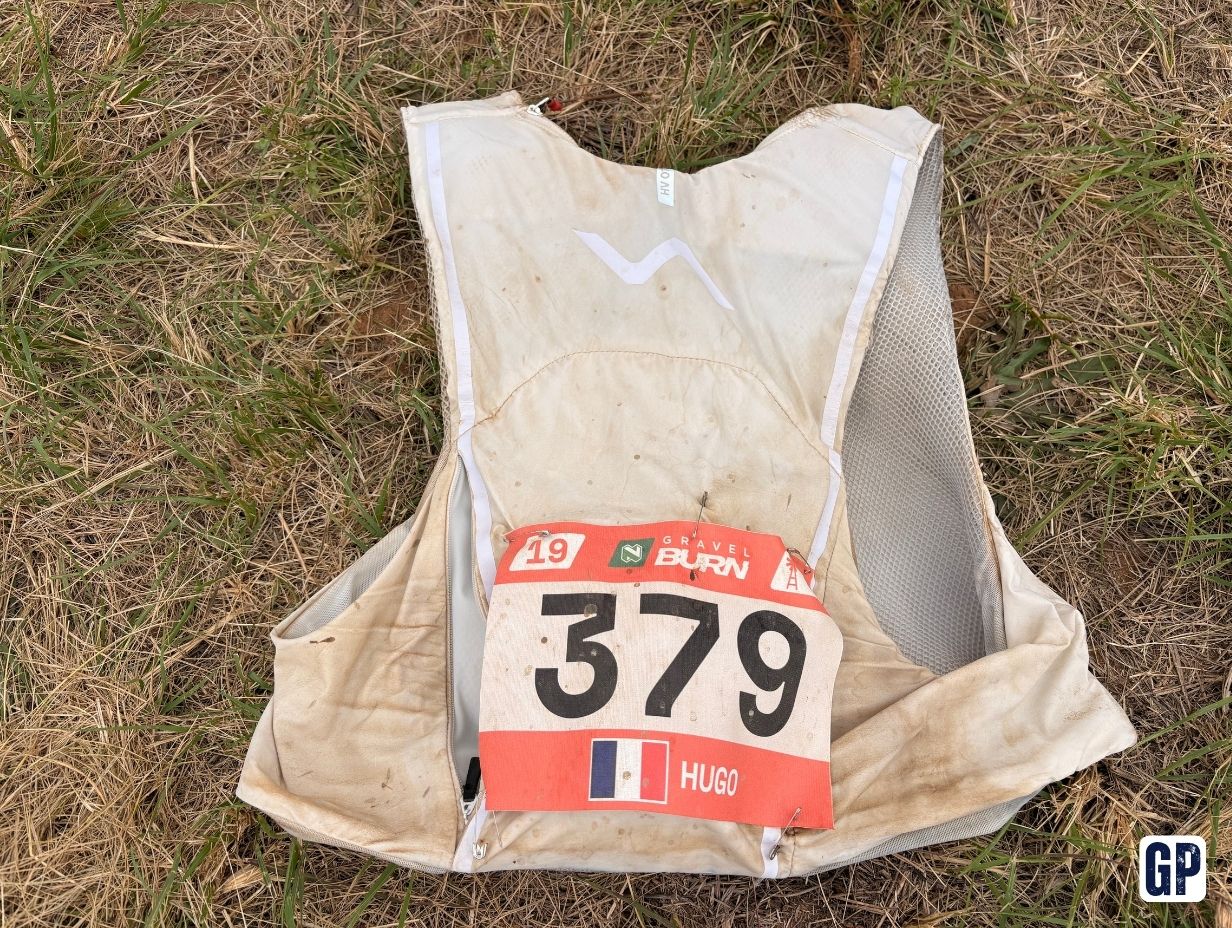
The heat can be particularly intense. On one of the stages, we recorded more than 50 °C in the sun.
In these conditions, having a sufficient water reserve is essential. But the pack has a second advantage: being able to drink without taking your hands off the bars.
On very changeable terrain, grabbing then replacing a bottle can become a delicate operation, especially when you’re riding fast in a group.
With a hose accessible close to your face, it’s much simpler. It’s no coincidence that many participants were using this kind of equipment.
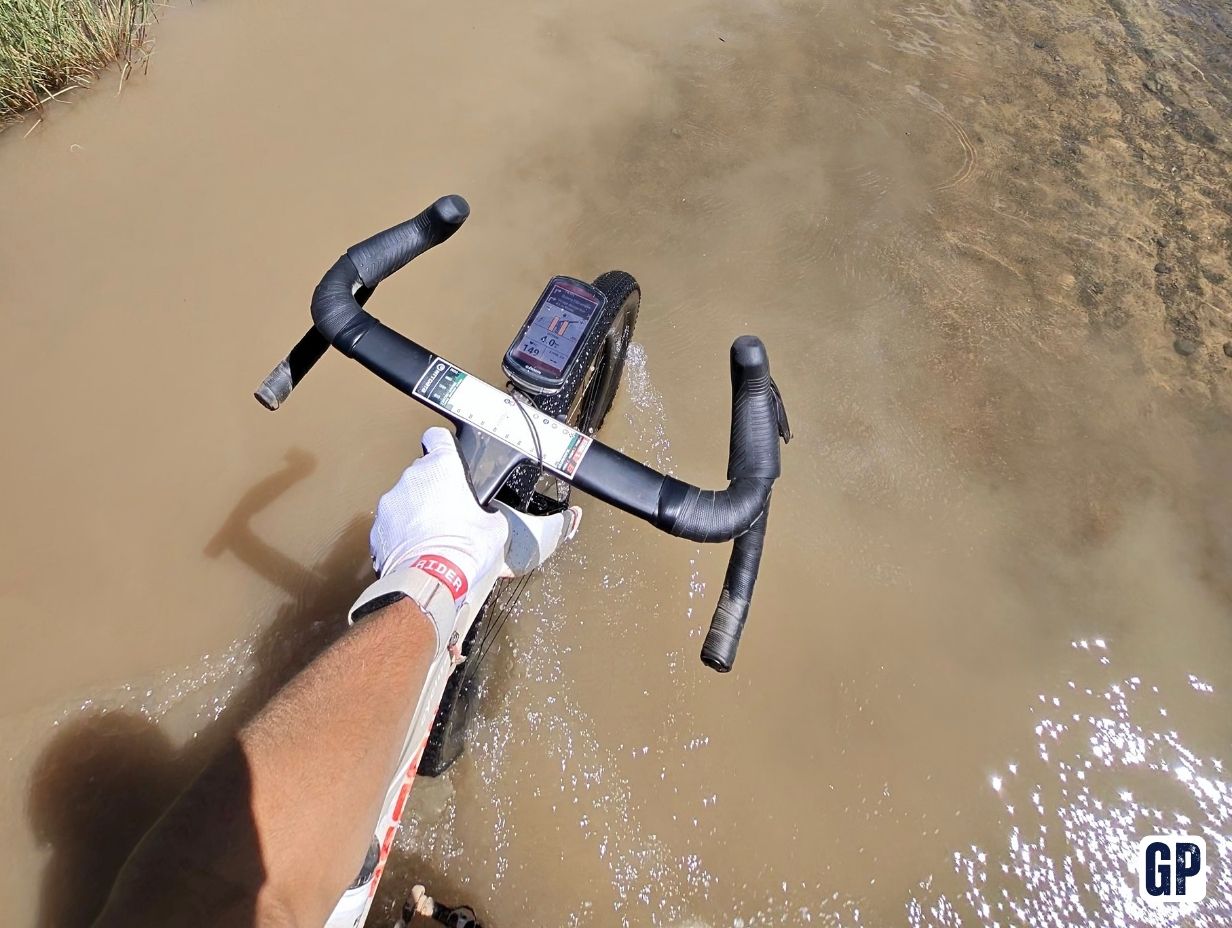
A suspension fork, why not?
I also noticed several bikes fitted with suspension forks.
At a glance, that was perhaps 10% of the bunch.
While big tyres now significantly improve comfort on rigid gravel bikes, I completely understand this choice on such an event.
After several days of vibration, the extra comfort can be welcome.
That said, I don’t see suspension as essential. However, I would make no concessions on tyre width and quality.
A bike that never faltered
In the end, the equipment verdict is extremely positive.
Apart from a broken GPS mount on the last day, I didn’t have any noteworthy mechanical issue.
No punctures, no bottle lost, no breakages on the bike.
If I had to start again tomorrow, I’d keep almost exactly the same setup.
And on an event that is so demanding on equipment, that’s probably the best compliment I can pay this build.
Life in the Burn Camps: between comfort and switching off
After each stage, we returned to our camp.
It’s a part of the experience I particularly enjoyed.
You quickly get into a routine: find your tent, shower, eat, chat with the other participants, prepare your bike and then try to recover before the next day.
Nights that were sometimes very chilly
You should definitely not imagine that South Africa is warm all the time.
In the Karoo, the temperature swings are quite impressive. During the first stages, at a certain altitude, night-time temperatures dropped to around 5 to 6 °C.
I even felt a bit cold for two or three nights, despite my gear. A good sleeping bag is therefore essential.
Conversely, it warmed up extremely quickly as soon as the sun rose.
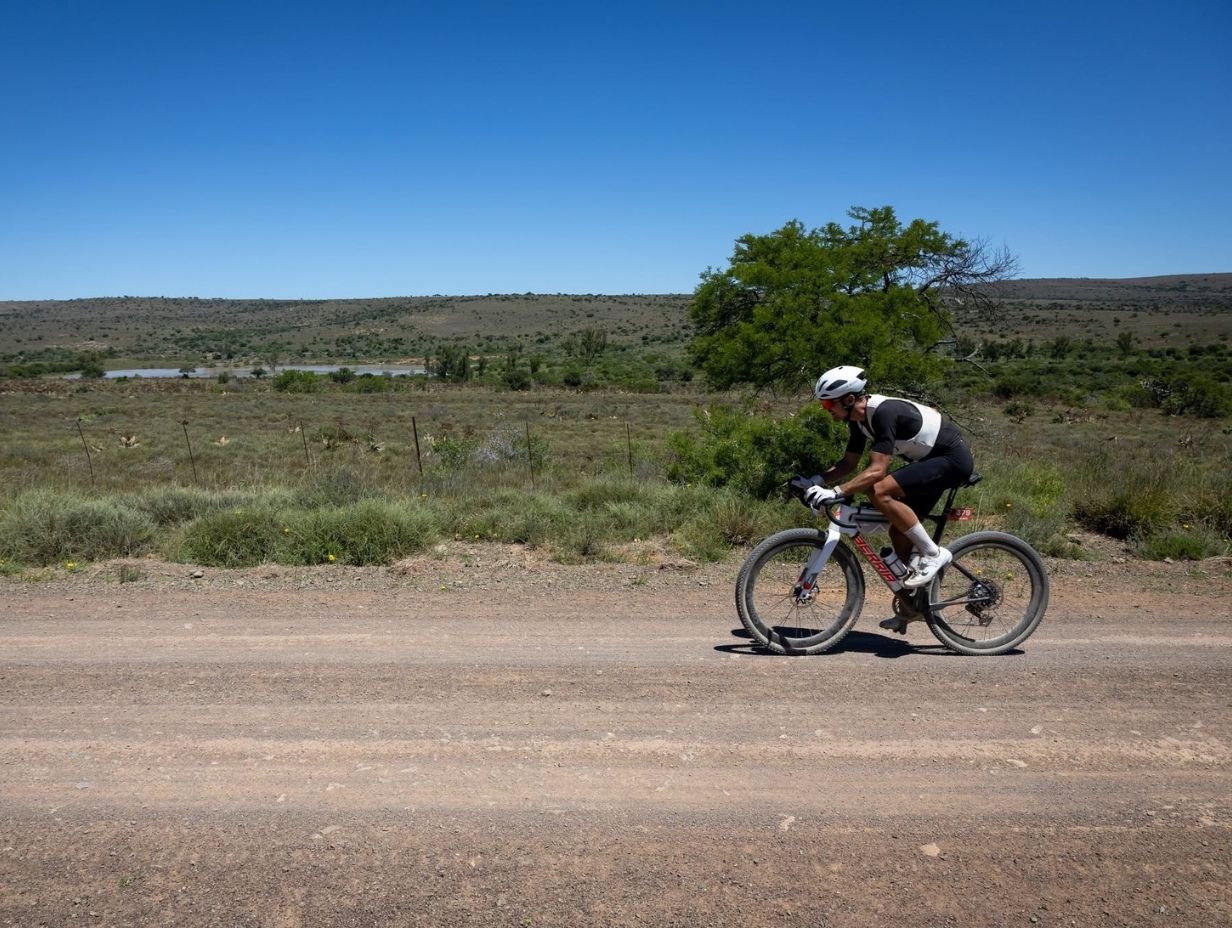
We generally got up around 5 am. An hour later, temperatures had already climbed by a good ten degrees.
Result: despite the early starts, we rarely needed to ride for long in warm clothing.
On most days, we could even start directly in short sleeves.
All-you-can-eat meals... and three extra kilos!
This is probably one of the most surprising anecdotes of my stay.
I put on three kilos during the Gravel Burn.

Yes, despite seven days on the bike and a particularly high daily energy expenditure.
The explanation is quite simple: we were eating a huge amount.
And it’s fair to say the organisation pulled out all the stops.
After the stages, a large buffet awaited us. Same again in the evening, with varied, hearty meals sometimes inspired by local cuisine.
The dishes changed regularly and the quantities seemed almost unlimited. Drinks, snacks, full meals… Everything was provided.
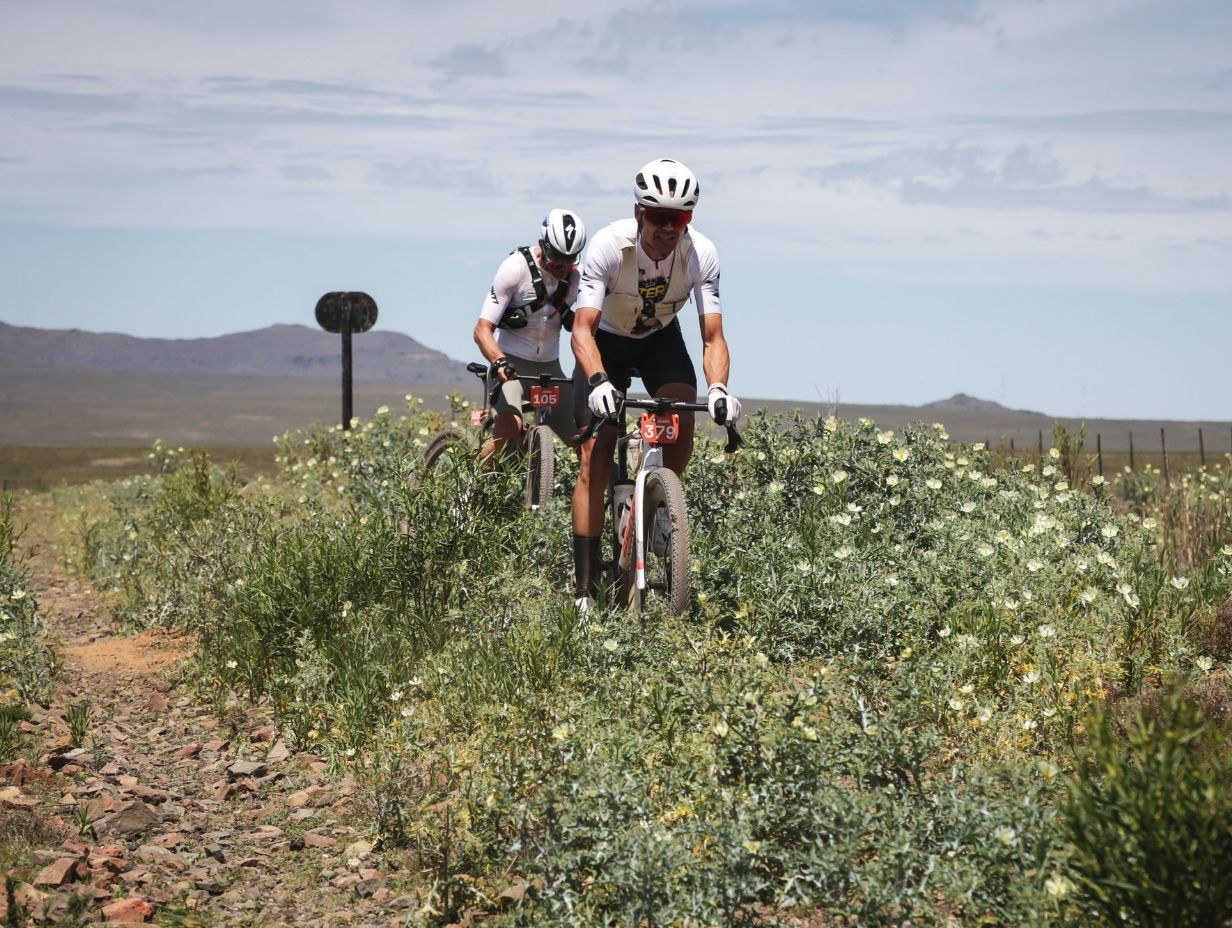
Even out on the course, the feed zones offered a very complete selection, notably with the event’s nutrition partner (Amacx).
We were a long way from some events where portions are carefully counted. Here, the organisers had clearly understood they needed to fuel several hundred athletes who would be setting off again the next day.
And that abundance genuinely helped with recovery.
Now that I’m back in France, I’ll just have to get back to slightly more reasonable eating habits!
Hygiene, drinking water, electricity: the details to know
There are also more down-to-earth aspects it’s worth thinking about before you go.
The first concerns water.
During my stay, I favoured bottled water, including for brushing my teeth. In the camps, filtered drinking water was provided for participants.
These precautions still didn’t stop me having a small episode of digestive trouble for around 24 hours.
Impossible to know exactly what caused it.
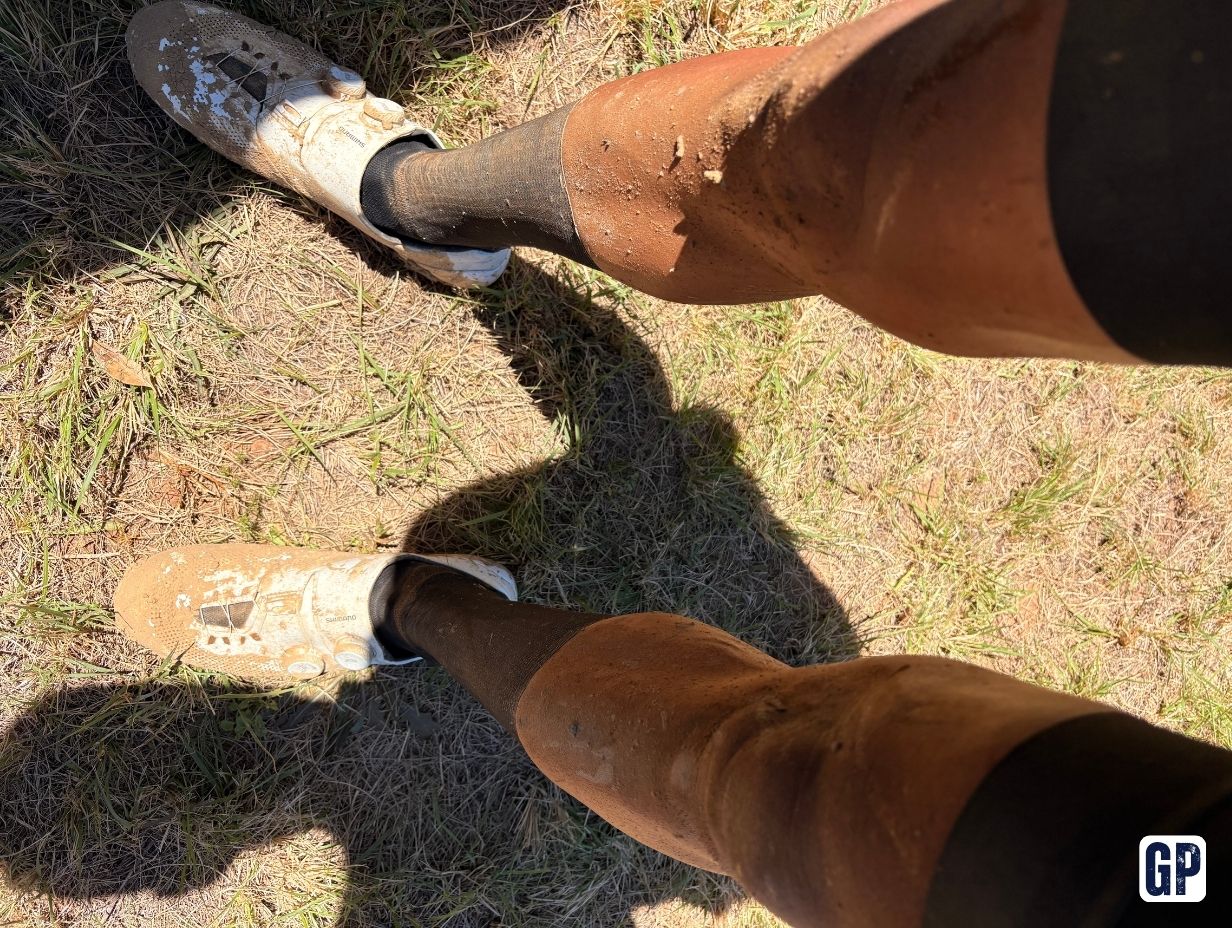
Fortunately, it settled quickly and didn’t compromise my trip.
It simply serves as a reminder that you need to pay attention to your food and the quality of the water you drink when travelling, without assuming that all South African tap water is unfit for consumption.
Internet and charging: bring what you need
For the first few days, I also recommend taking a power adaptor compatible with South African sockets.
In the camps, we mostly had USB ports to charge our devices, which was enough for the essentials.
As for Internet, the Wi-Fi connection (via satellites) was more or less good depending on the place.
But that wasn’t really a problem.
The event also encouraged a certain degree of switching off, and I found that pretty consistent with the experience on offer.
For my part, I still managed to work most afternoons thanks to the dedicated spaces in the camps.
A nice surprise when you need to keep running a business remotely.
Travelling with your bike in South Africa: actually quite simple
That was also a part of the trip I was apprehensive about.
Between flights, connections and ground transfers, there was plenty of scope for complications.
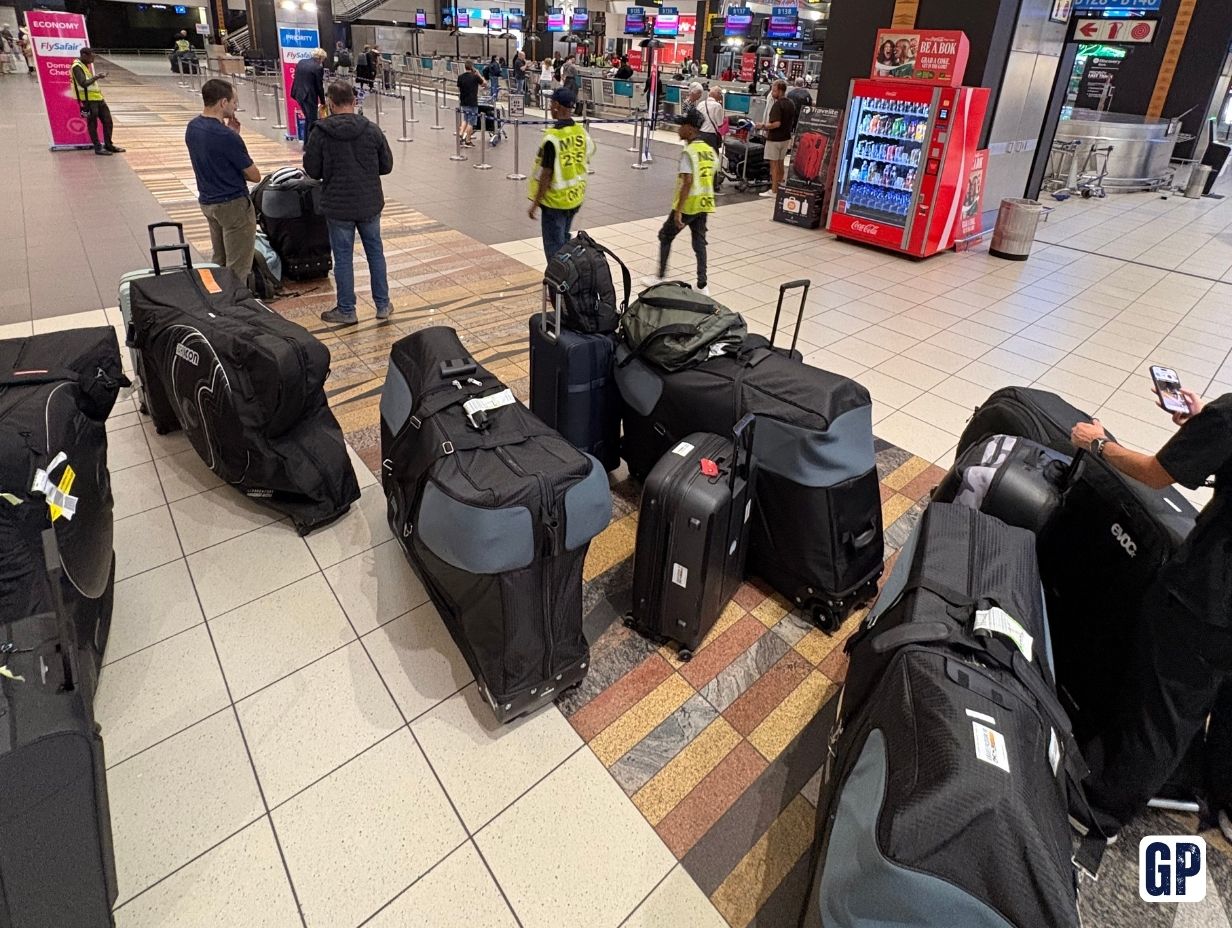
Yet everything went perfectly.
My bike arrived at destination without a hitch, and it followed me on all the transfers.
I still recommend one very simple precaution: put an AirTag in your bike case and in your personal luggage.
It obviously doesn’t replace good organisation, but lets you keep an eye on your bags, notably during connections.
Another nice advantage: the time difference with France was virtually non-existent.
When we arrived, the two countries still shared the same time. The switch to winter time in France, on 25 October, then created a one-hour difference.
That’s very little for such a long trip. You therefore recover from the journey fairly easily, without suffering real jet lag.
South Africa beyond the race
I didn’t want this trip to be only about the bike.
And even if the Gravel Burn kept us busy for a good part of the stay, I also enjoyed the time spent in Johannesburg, Port Elizabeth and Graaff-Reinet.
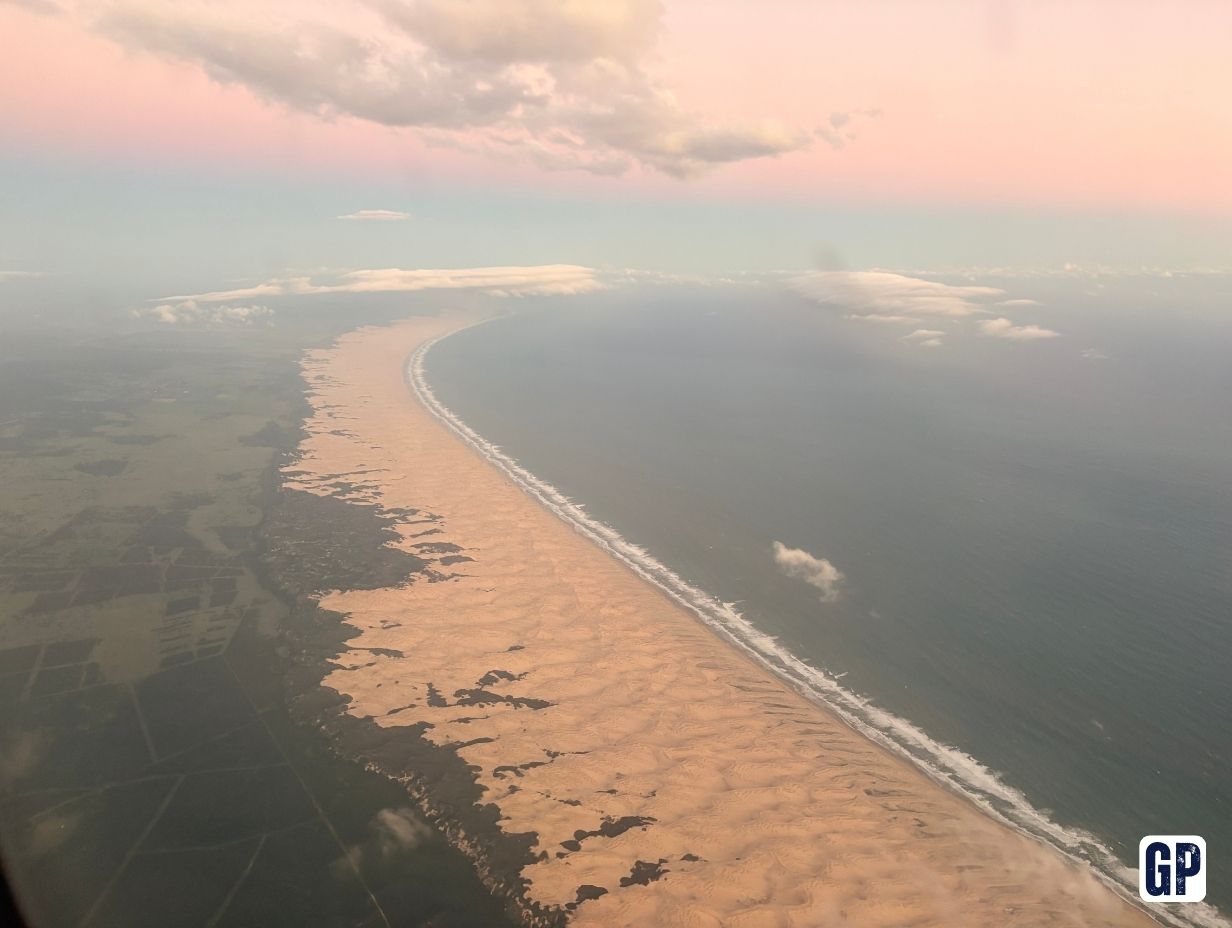
What struck me most were the people.
Whether in accommodation, shops or while travelling, I met people who were particularly welcoming and helpful.
Always ready to help, find a solution or simply exchange a few words.
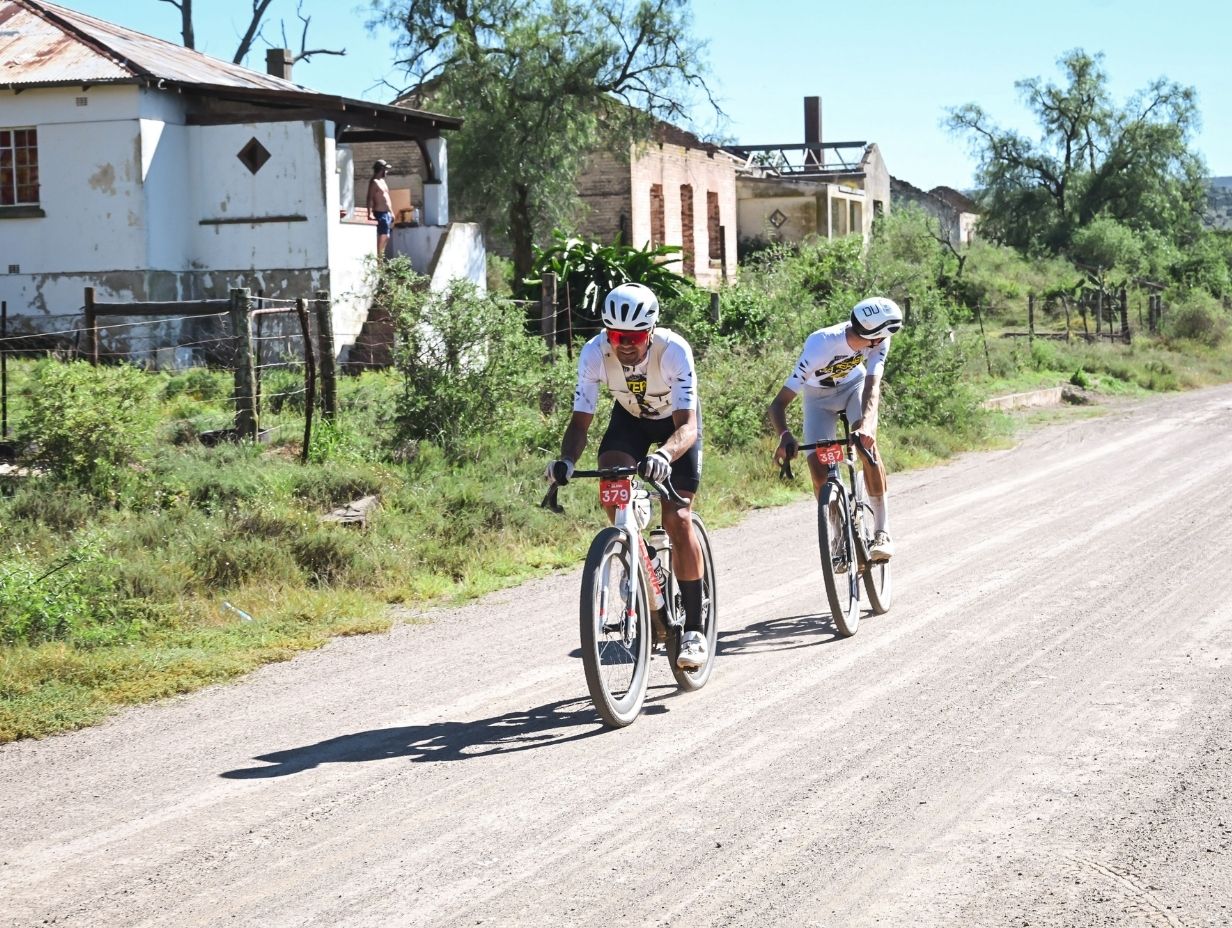
Of course, the people working on the event had every reason to take care of the participants. But I found the same kindness outside the race.
A friendliness that sometimes surprised me, especially compared with certain experiences you can have in France.
A country where safety is still an issue
It would be dishonest to talk about South Africa without mentioning safety.
In big cities like Johannesburg or Port Elizabeth, certain precautions are still necessary.
We were a group of twelve, which meant I never really felt unsafe.
But I wouldn’t necessarily have ventured alone into certain neighbourhoods, especially after dark.
One detail particularly struck me: on some night-time Uber rides, the driver didn’t always stop at red lights, as a precaution.
That says quite a lot about the local context.
By contrast, during the seven days of racing, I never felt the slightest worry of that kind.
We crossed extremely remote areas, sometimes with very few villages or dwellings for tens of kilometres.
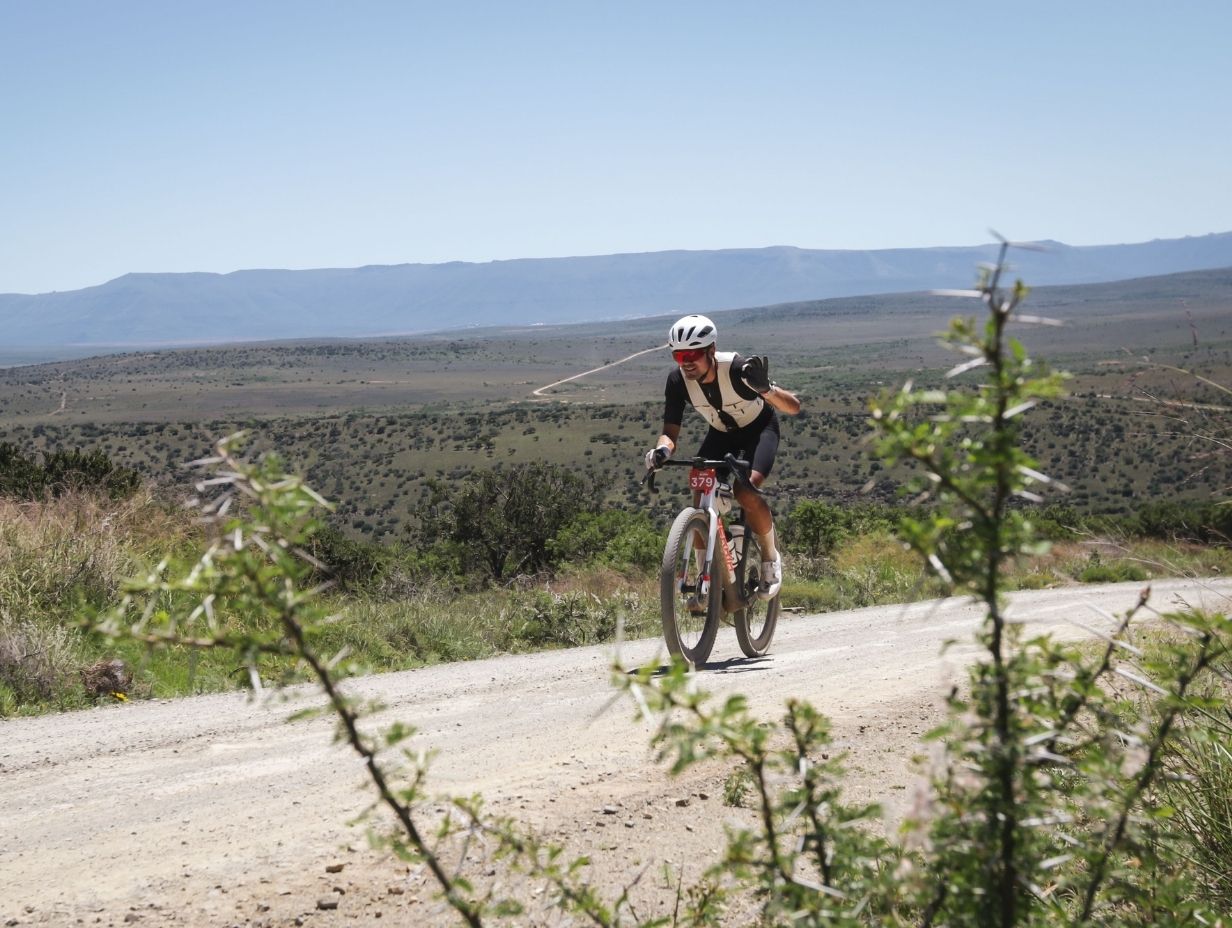
The contrast with the big cities was striking.
An accessible adventure, but not to be taken lightly
So, do you need an exceptional physical level to take part in the Gravel Burn? I don’t think so.
A properly trained cyclist, used to long distances and capable of stringing together several days on the bike, can reasonably consider this event.
However, you shouldn’t underestimate specific preparation.
If I had to do it again, I’d slightly increase my training volume several months before departure, then include more specific sessions as the event approached.
But above all, I’d work on technique much more.
That was clearly where I felt my limits.
On the rolling stages, I was physically comfortable. On the other hand, in the tough descents, I lacked confidence and control.
And constantly losing in the descents all the time gained on the climbs can quickly become frustrating.
Technical skill is therefore almost as important as physical condition for those who really want to race.
For others, it’s obviously possible to take more time and prioritise discovery. That’s also what makes this format interesting.
Nearly €4,000 to enter: a justified price?
Entry to the Gravel Burn costs around €4,000, depending on the package chosen.
A significant amount, to which you may need to add travel to South Africa and some personal expenses.
In my case, I was lucky enough to be invited by Matériel-Vélo.com, so I didn’t have to bear that cost.
That said, having experienced the event, that price doesn’t shock me.
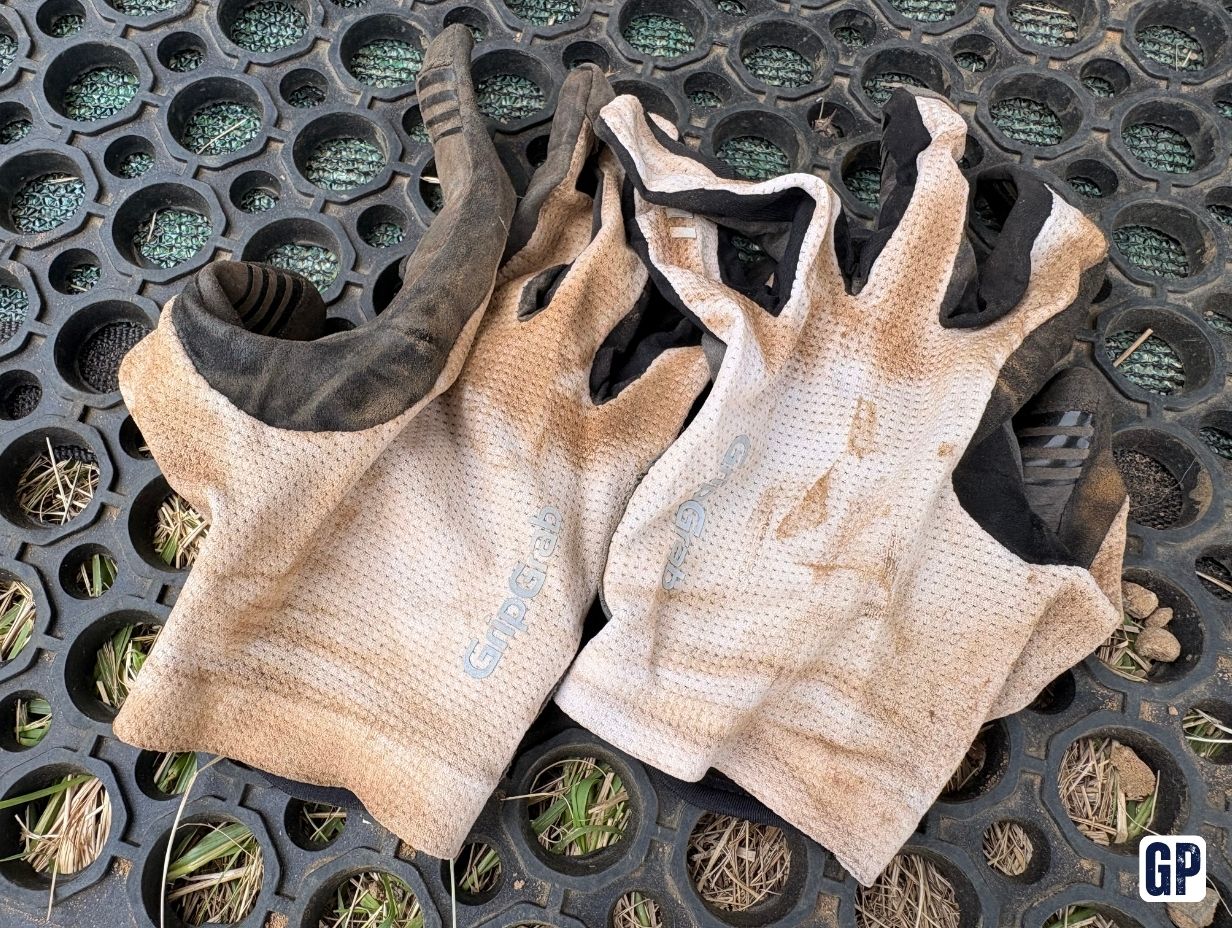
We’re talking about seven days of racing, fully equipped camps, all-you-can-eat meals, gigantic logistics and very comprehensive support.
Compared with the prices charged at some major endurance events like Ironman, the package on offer seems reasonable.
And given the quality of the organisation, I consider the experience more than justifies the price. It’s obviously a substantial budget. But the Gravel Burn offers far more than a simple entry to a bike race.
150th out of 410, but that’s not what I’ll remember
After seven days, I finally crossed the last finish line in 150th place, out of around 410 participants, professionals included.
A fairly anecdotal result in my eyes.
I knew I hadn’t come to fight for the front, and my strategy of targeting certain stages in any case didn’t allow me to optimise my general classification.
What I remember above all is having managed to string together those seven days without a crash, without a puncture and with virtually no equipment issue.
I also enjoyed feeling good physically again and seeing that, even with imperfect preparation, my endurance was there.
But in the end, what will probably last the longest are not the numbers.
It’s the landscapes, the people I met, the camps set up in the middle of nowhere, the post-stage conversations and that rather special feeling of being at ease in an environment that was totally unfamiliar.
Would I do the Gravel Burn again?
Probably not.
And that is absolutely not a criticism of the event.
On the contrary, I’m happy to have experienced this second edition. The organisation was remarkable, the terrain was exceptional and the experience will undoubtedly be etched in my memory.
But I think I also like discovering new things.
Now that I know the format, its constraints and its particularities, I’d be more inclined to go and live a different adventure rather than do exactly the same one again.
I nevertheless completely understand those who want to come back, year after year.
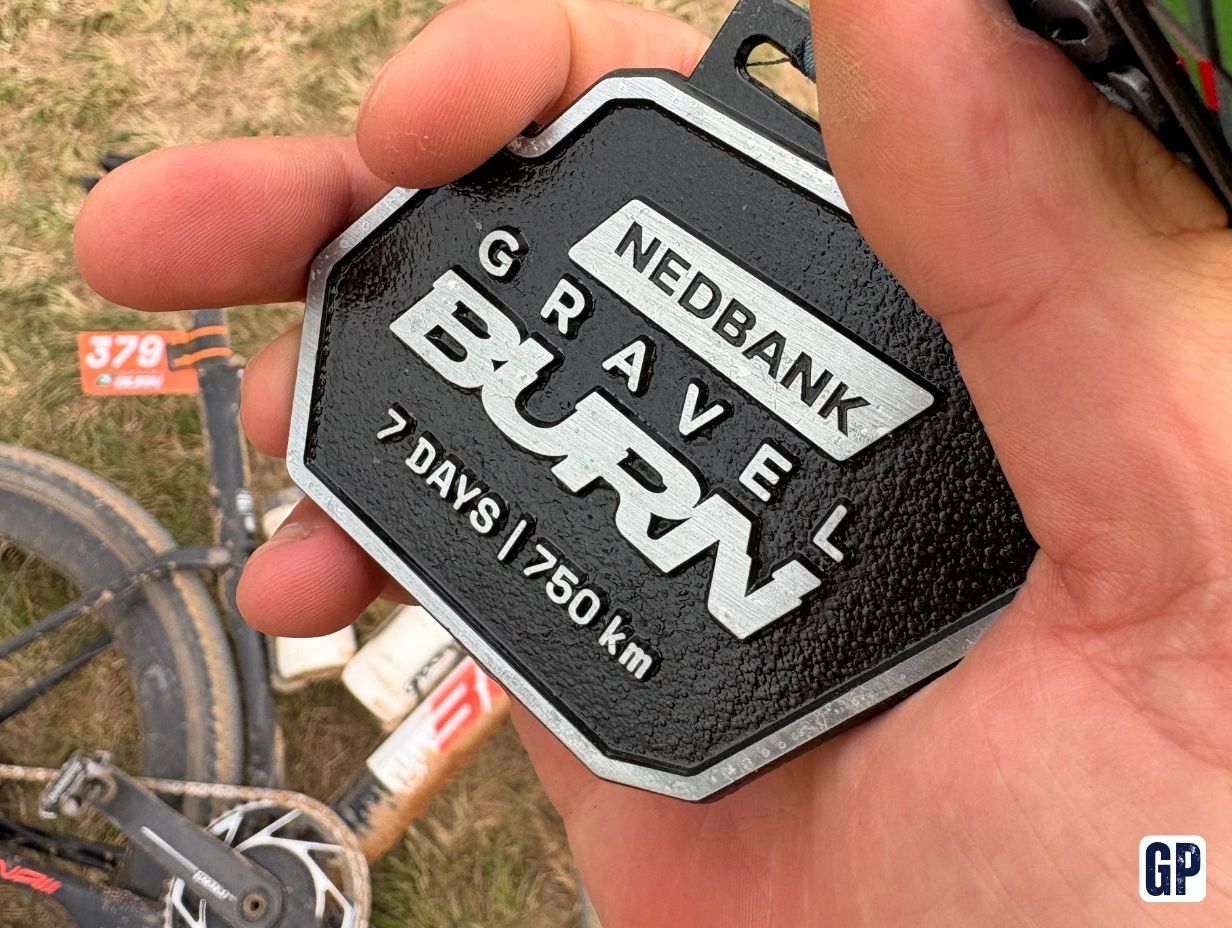
Because the Gravel Burn has something quite rare: it combines a real sporting event with a complete travel experience, in an environment we are not used to.
And above all, it forces you to step outside your habits.
It’s not only a matter of kilometres or elevation.
It’s also about accepting to travel far, to live for several days with other people, to get by in a foreign language, to discover another culture and to face an unknown terrain day after day.
In February, when I accepted this invitation, that was exactly what I was looking for.
With hindsight, I think I found much more.
So, if you ever get the chance to live this kind of adventure, and you hesitate because it takes you away from your usual routine, that might actually be a good reason to go for it.
Photo credits: Gravel Burn & Sportograf