
Some technologies arrive with such a bold promise that you almost want to be wary. Classified is one of them. Replacing the front derailleur with a two-speed rear hub, keeping the look of a single chainring, retaining a genuinely wide range of gearing: the idea sounds simple. In practice, it prods at one of the touchiest topics in modern road cycling.
1x is slowly gaining ground on performance builds. It appeals for its chainline, its simplicity, its potential aerodynamics and its very clean aesthetics. But it still poses a fairly blunt question: how far are you willing to compromise on versatility?
Strengths:
- Ultra-smooth shifting and possible under load
- Very natural integration with Shimano Di2
- Lets you keep the single chainring spirit with real versatility
Could be better
- Charging port still standard USB
- High upgrade cost outside a complete build
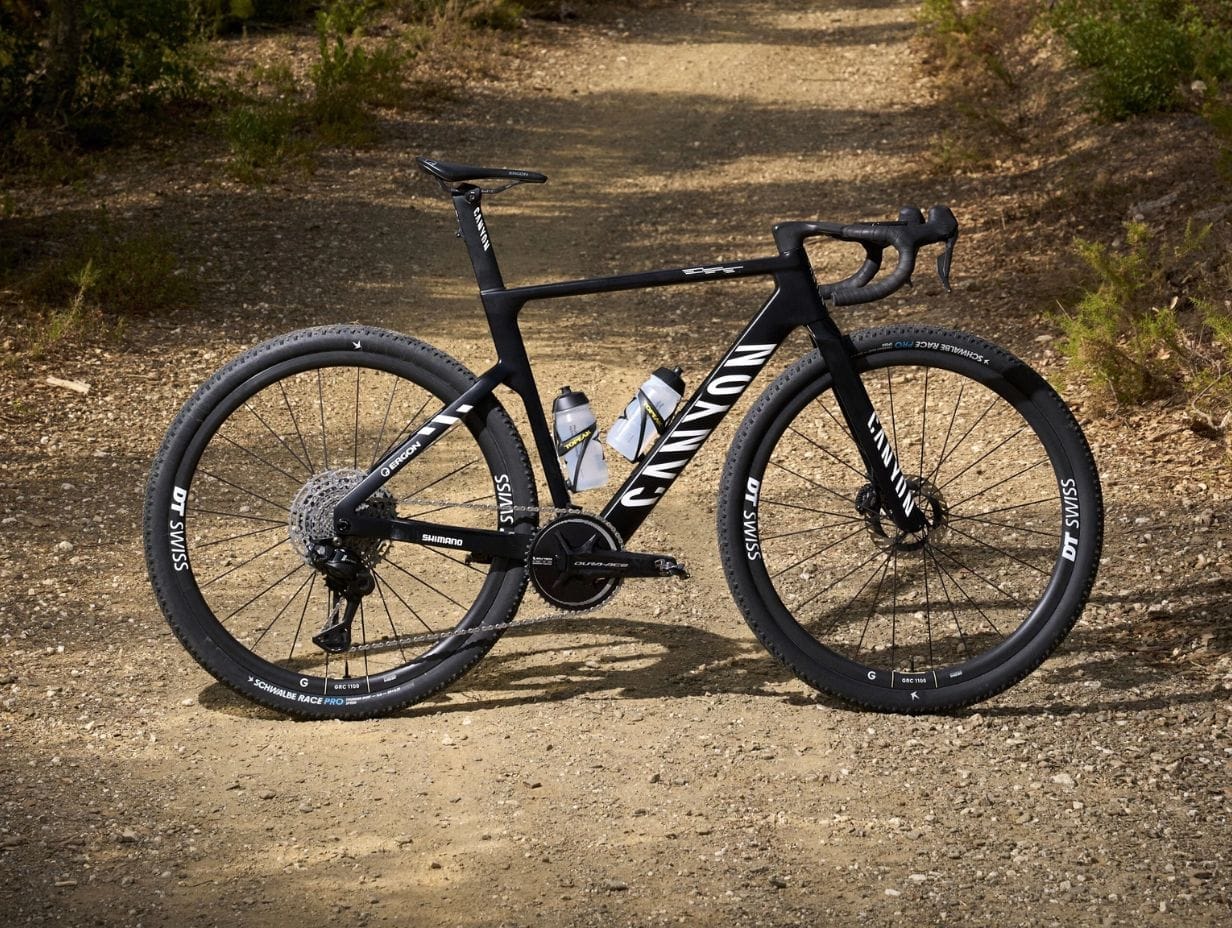
I had already tested this technology two years ago in gravel, over more than 4,000 km, with a product that was already very mature. This new test interested me for another reason: to see what Classified delivers on a very aerodynamic road bike, in a much more radical configuration.
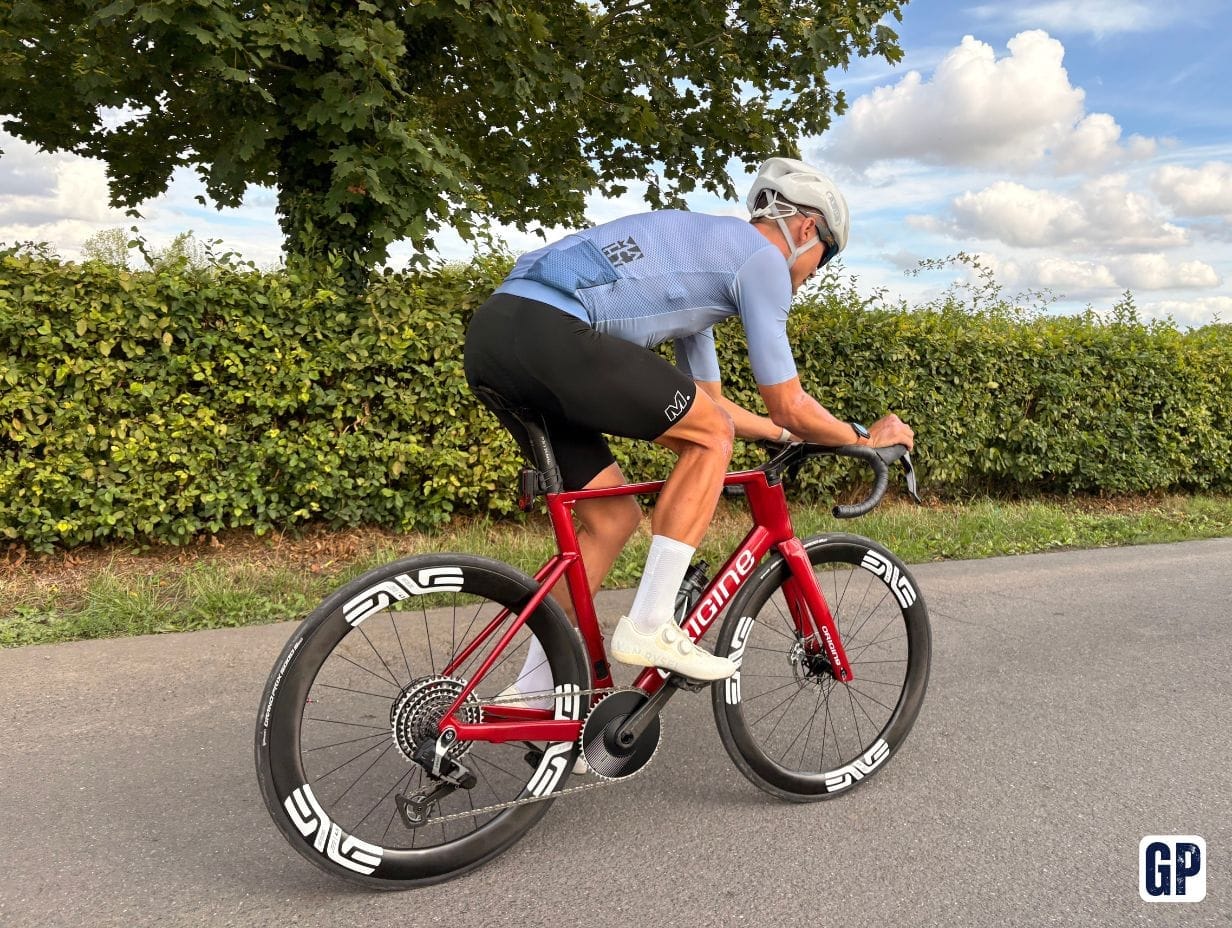
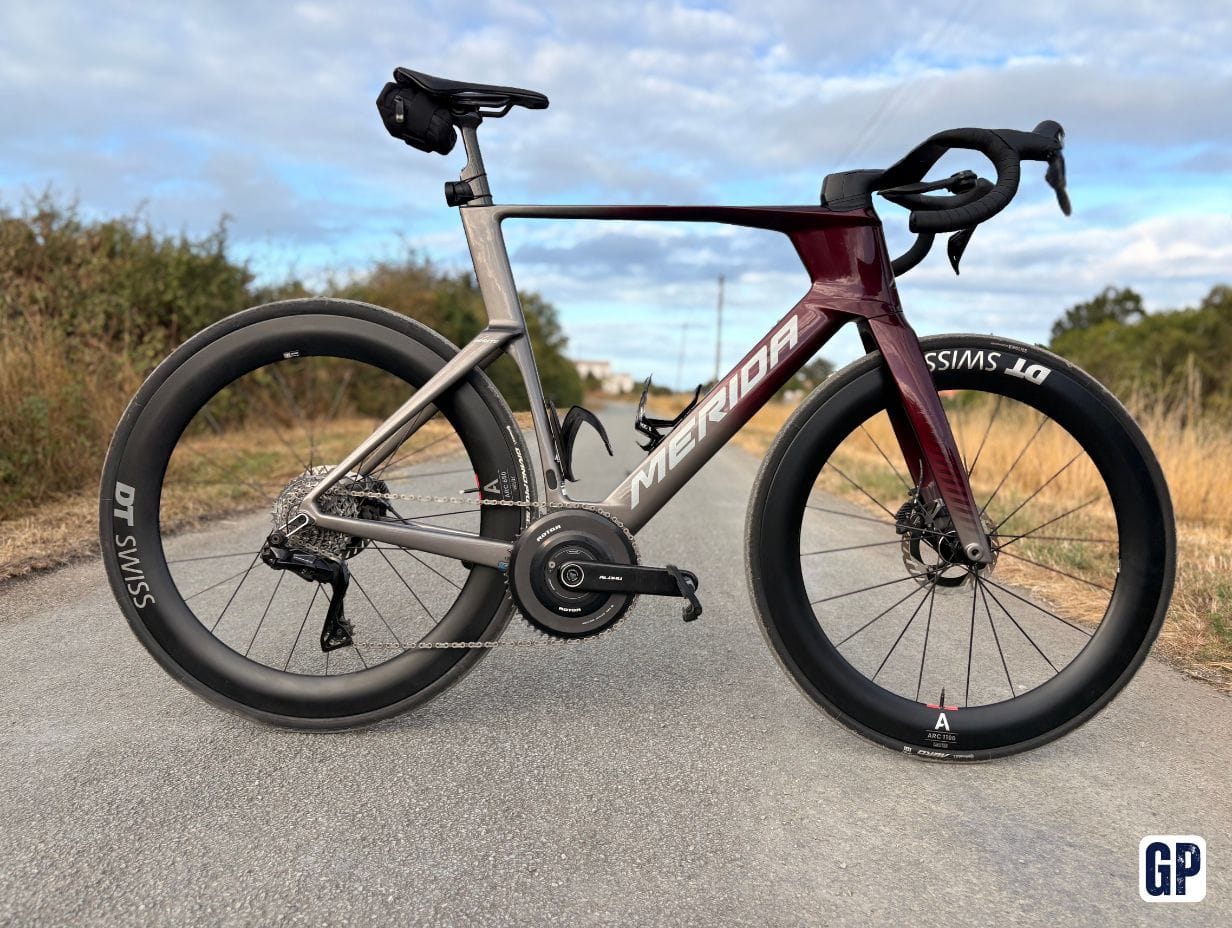
The test platform is no coincidence: a Merida Reacto One equipped with Classified PowerShift, built to go fast. The sort of bike where every technical choice has to serve speed, or at least not penalise it.
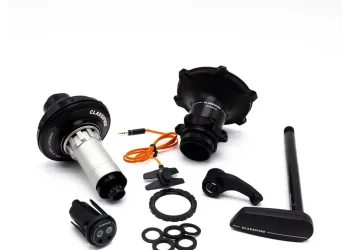
For the detailed workings of the system, I am not going to rerun the whole technical deep dive here. The principle is already explained in my first Classified PowerShift gravel test. The short version: the rear hub houses a two-speed mechanism, with a 0.686 reduction ratio that simulates the use of a small chainring.
A Shimano Di2 integration that changes a lot
On my first test, one minor drawback was the control. The system worked well, but you had to use a dedicated button placed inside the bend of the bar. Nothing dramatic, but it added a mental step. On a performance road bike, this sort of detail quickly matters.
This time, the change is clear: with Shimano Di2, Classified integrates directly into the levers thanks to the partnership between the two brands. Shifting the Classified gear becomes as natural as a traditional front shift on a double.
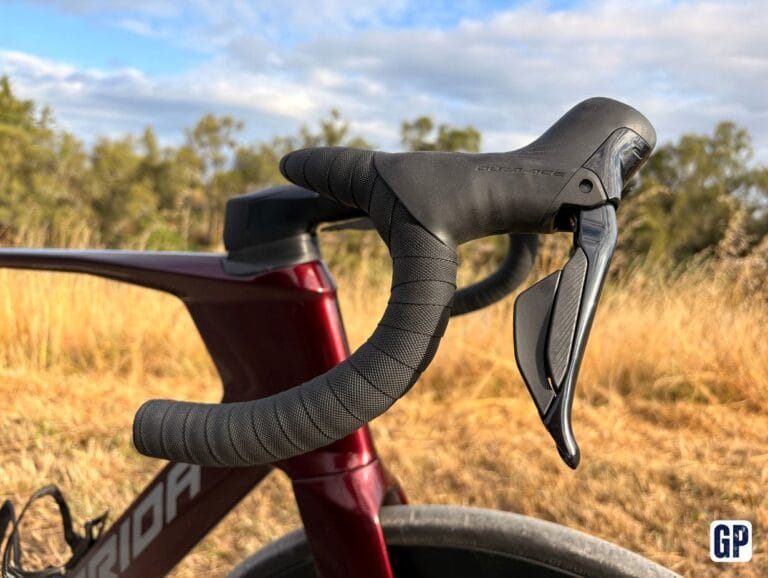
This is probably one of the most important evolutions of the system. Not because Classified fundamentally changes its technology, but because it gets out of the way more in use. You no longer think about a specific hub. You press, it shifts.
For now, this integration is for Shimano. Not SRAM. And that is a real limitation if you already ride in the AXS ecosystem or want to keep that very integrated control logic. But for a Shimano Di2 road build, it is currently one of the cleanest ways to ride a single chainring without accepting the usual compromises.
The hub fades away, especially with the right wheels
In my previous gravel test, the Classified hub was laced into the brand’s own wheelset. The carbon rim was fine, the overall behaviour too, but the package did not transform the bike. And because the technology is concentrated in the rear hub, I sometimes felt that extra mass on certain slower accelerations.
Here, the system was built into DT Swiss ARC 1100s. That is not a detail. These wheels are among the high-end benchmarks in the aero segment: stiff, fast, reasonably light for their depth, and above all able to give the bike real snap.
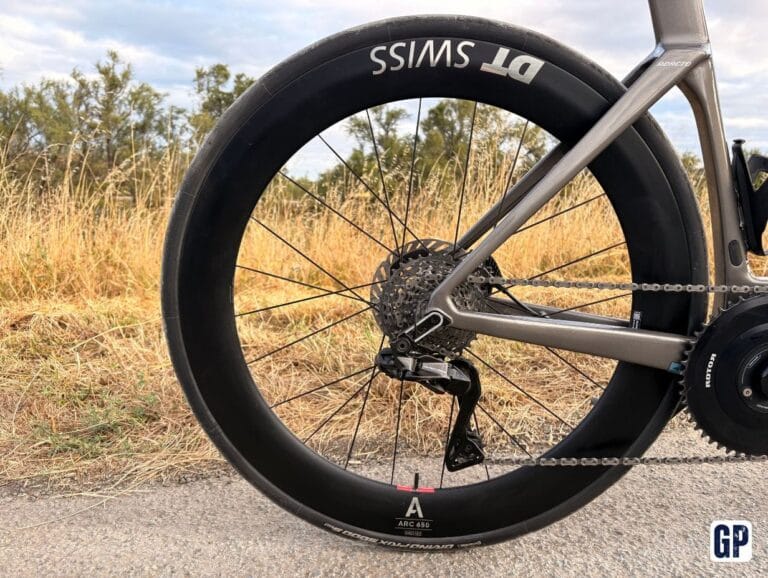
Result: the presence of the Classified hub becomes almost transparent. I am not saying the mass no longer exists. Technically, it is still there. But in this configuration, it does not spoil the bike’s behaviour. Accelerations remain crisp, the Reacto keeps its character, and the system never feels like you are dragging something in the rear wheel.
That matters, because Classified is not just a drivetrain. It is also a wheel constraint. If the integration is average, you can blunt the value of the system. With a wheel of ARC 1100 calibre, the product takes on another dimension.
On the road, the benefit is very tangible
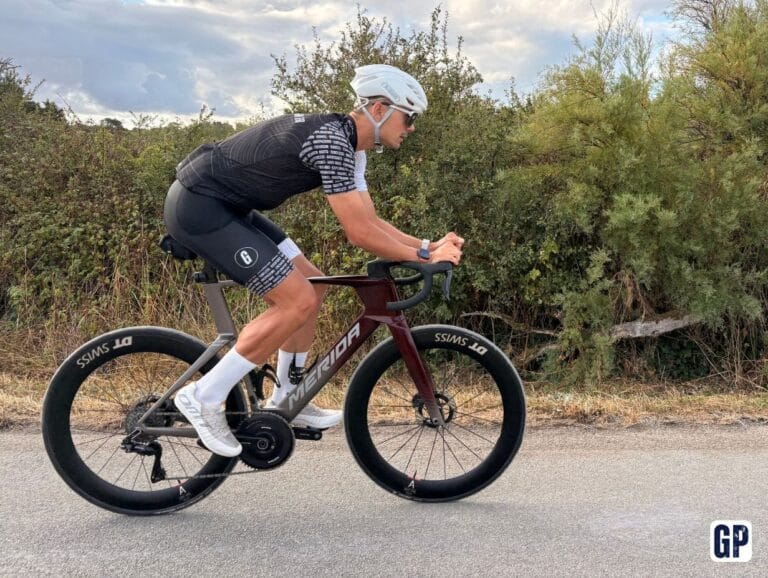
I am quite a defender of single chainring, including on the road, because my region lends itself to it. Lots of fast, rolling rides, few long climbs, and a genuine desire to simplify the bike. But as soon as I stretch rides into the Vendée hills, pushing a big gear all the time can quickly become wearing.
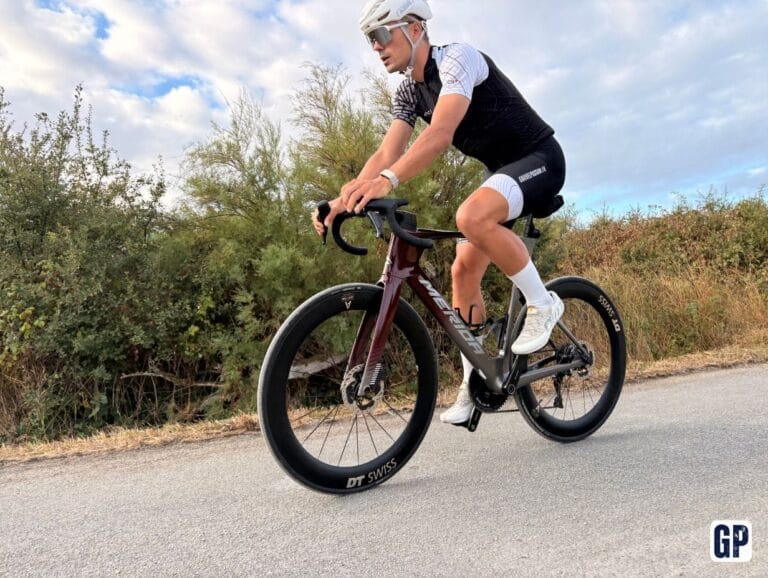
That is exactly where Classified makes sense. You keep a build that looks and behaves like a 1x, but you get a real safety valve when the road tilts up or fatigue starts to creep in.
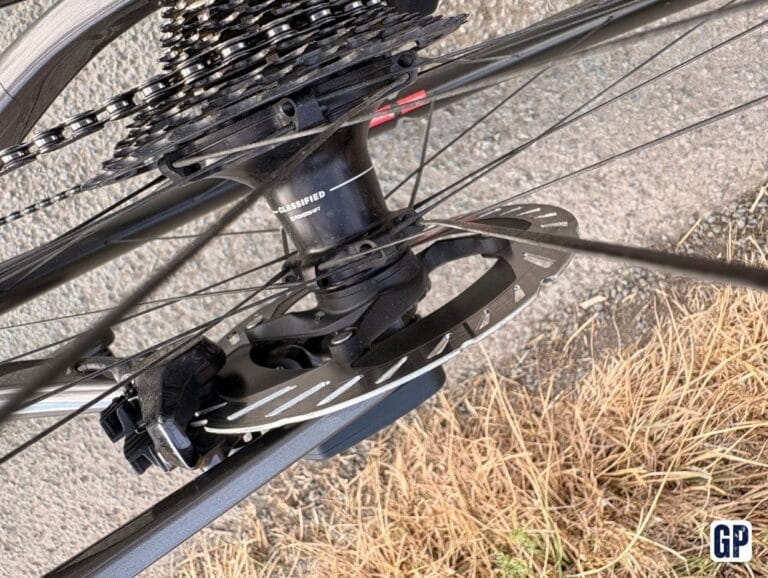
One press on the lever and the reduction gear engages. The system shifts very quickly, even under load, and it can also be actuated at a standstill. That last point seems secondary, until the moment you restart uphill after a stop, or after forgetting to anticipate your gearing.
This ability to change gear without thinking twice feels rather odd at first. We all know the classic limits of a front derailleur: you have to ease off a little, anticipate, sometimes accept a micro hesitation. Here, the shift is far more direct. This is probably what Classified does better than any traditional double chainset.
The system does not turn an aero road bike into a mountain bike. That is not the point. But it lets you keep a fast configuration on the flat while preserving genuine headroom when the terrain turns against you.
1x, 2x, Classified: the choice becomes less binary
The 1x versus 2x debate is often framed the wrong way. 1x is not only about simplicity. On the road, it can also enable a cleaner aero line, fewer exposed parts, a visually tidier drivetrain and a very direct logic in gear selection.
2x, for its part, remains unbeatable for those who want a wide range, tight steps and immediate adaptation to all terrains. It reassures. It is familiar. It works.
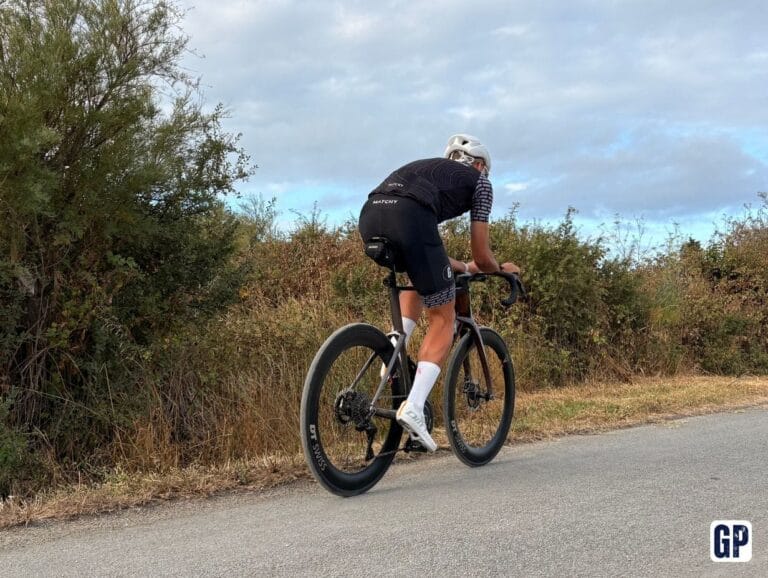
Classified slips between the two. And that is precisely what makes it interesting. It does not try to pretend to be a conventional double chainset. It offers another architecture: a single chainring up front, a cassette at the back, and a second ratio hidden in the hub.
The quoted 0.686 reduction corresponds to the idea of a virtual small chainring. Depending on the chainring chosen, you therefore get gearing close to a road 2x setup, but without a front derailleur. It also leaves real freedom in cassette choice, depending on terrain and use.
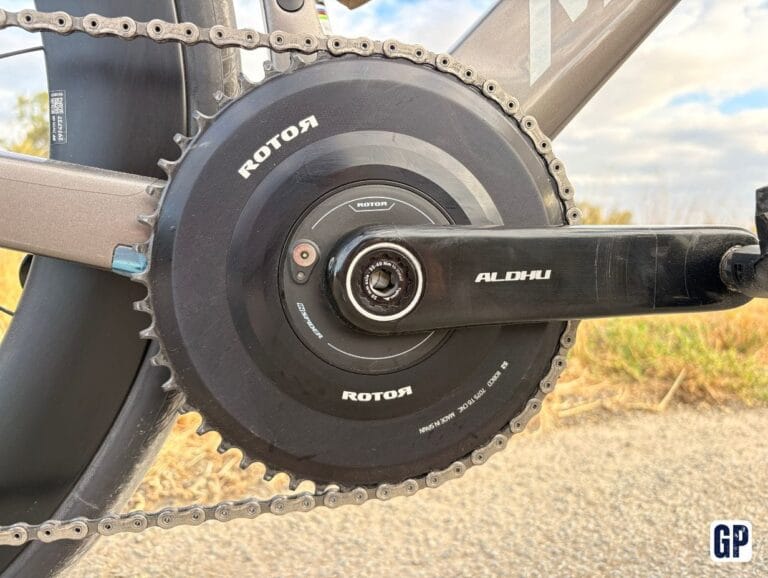
For a rider who very often rides fast, mainly on the big gear, but refuses to get stuck when the gradient arrives, it is a particularly elegant solution.
Efficiency: the numbers reassure, but feel matters too
Classified communicates a lot about the efficiency of its hub. The brand has published a numerical and experimental analysis indicating measured efficiencies between 99.04% and 99.25% in the 0.686 ratio, and between 99.68% and 99.88% in 1:1, depending on the powers and speeds tested. The document also compares the 1:1 efficiency to that of a DT Swiss 240 hub, with differences below 0.1% in the measured conditions.
You should read these figures for what they are: data from Classified, on a test bench, with a defined protocol. It is not an independent test conducted by an external laboratory. But they have the merit of being detailed and consistent with my feel on the road.
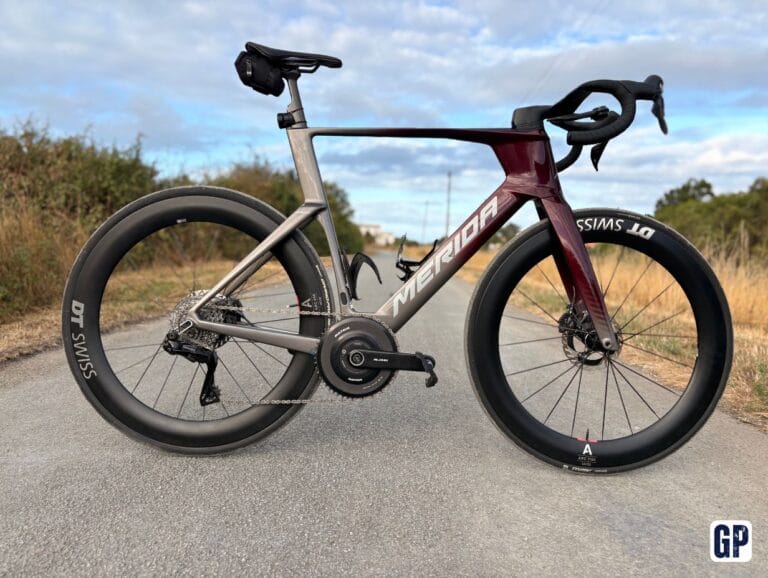
On the road, I did not feel the loss or mushiness you might fear with an internally geared hub. In 1:1, the bike stays lively. In the reduction, the system does its job without any perceptible drag.
The real efficiency of a drivetrain also depends on the chain, the cassette, the chainline, maintenance and gear choice. That is precisely one of Classified’s arguments: by allowing you to stay more often on a better chainline, the system can offset part of the hub’s internal losses. On the bike, in any case, I never felt I was paying for the technology at every pedal stroke.
Battery life without stress, but dated charging
Battery life did not pose a problem. The system does not change gear constantly: it only toggles between direct drive and the reduction ratio. On a typical road ride, the number of actions remains limited.
We are far from an electronic component that needs constant watching. That is reassuring, especially on a product you want to forget about once you are rolling.
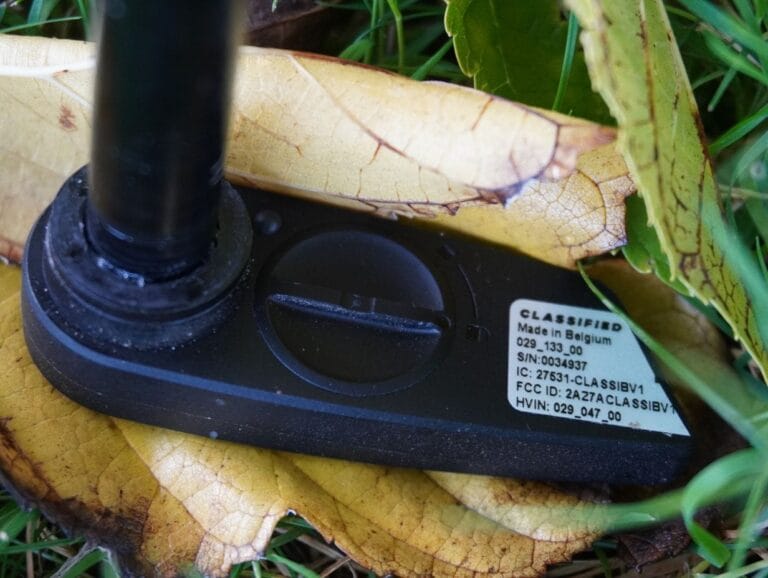
The real minor gripe remains the charging port. Classified still uses standard USB, not USB-C. It is not a deal-breaker. But at this level of technology, in 2026, that sort of detail is starting to look dated. Especially when the rest of the system feels so well integrated.
The main drawback: dependence on the rear wheel
Classified has a structural limit: the technology is in the hub. If you change wheelset, you lose the system. The bike then becomes a conventional single chainring again, with all the limitations that implies depending on the cassette fitted.
For some riders, that will not be an issue. One bike, one wheelset, one fixed configuration. In that case, the integration is logical. For others, especially those who alternate between training wheels, race wheels, different depths or specific builds, the constraint is more serious.
This is probably the most important point to understand before buying. Classified is not a simple component that you can move as easily as a derailleur or a cassette. It is an ecosystem.
Cost also enters the equation. Buying the technology on its own is a significant upgrade. In my view, the most interesting option is in complete builds already designed around the system. Classified works in particular with Merida, Cervélo, Argon 18, Rose, Focus, Ridley and Titici. On this type of bike, the integration becomes much more natural.
Where Classified makes the most sense on the road
After this test, I see three very relevant road use cases.
The first is the modern aero bike, like this Reacto One. A build where 1x brings real visual and technical coherence, but where you do not want to sacrifice versatility.
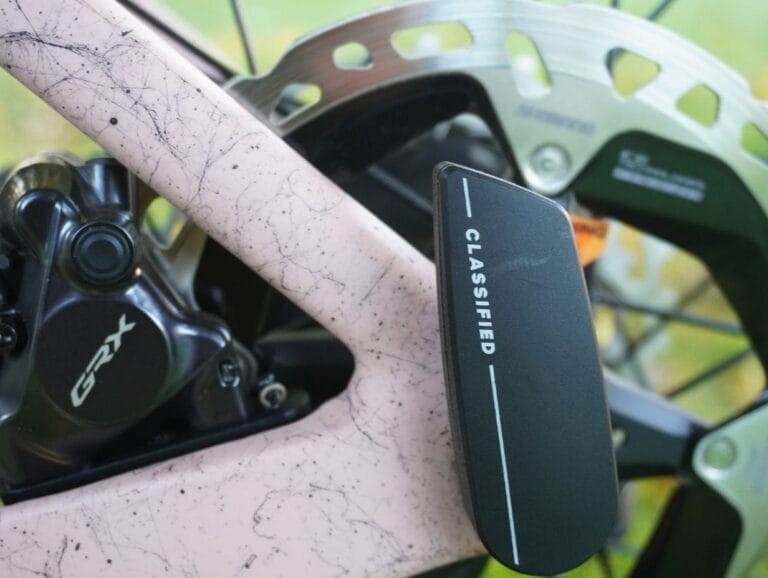
The second is time trial and triathlon. In these disciplines, you spend most of the time on the big gear, with a stable position and a quest for maximum efficiency. But one rise, a U-turn, a headwind or a messy start is enough to need an easier gear. Classified fits this scenario very well.
The third is the rider who likes 1x but does not want to turn every rolling ride into a compromise. Those hesitating between a simple setup and a truly broad gear range will find a fairly unique answer here.
The system also remains highly relevant in gravel, of course. But this road test mainly confirmed something else for me: Classified is not just a curiosity for niche users. It is a genuine proposition for a modern drivetrain.
Key takeaways from this test
Classified PowerShift is not perfect. The system is still expensive to integrate, it imposes dependence on the rear wheel, full integration is currently most attractive with Shimano Di2, and the charging port really should move to USB-C.
But in use, the level of smoothness is impressive. The shift is quick, possible under load, possible at a standstill, and almost invisible once the bike is up to speed. The hub does not distort the bike’s behaviour.
I already thought very highly of Classified after my gravel test. This road version convinces me even more. The system answers a real question in modern cycling: how to enjoy the advantages of 1x without closing the door on 2x?
The answer is not for everyone, nor for every budget. But technologically, Classified is among the most serious innovations to appear on a bicycle drivetrain in recent years.