
The Continental GP 5000 is one of those tyres you end up using as a benchmark. I rode it for years with tubes, then tubeless, in 25, 28, 30 and 32 mm. On personal bikes, on test bikes, with different wheels, across a wide range of uses.
What has always stood out to me with this tyre, beyond its performance, is its consistency. From one pair to the next, the feel stays very close, with few nasty surprises during set-up or in use. Adding up testing and my own use, I must have gone through well over 60 pairs of GP 5000.
Strengths:
- Outstanding grip and confidence in cornering and descending
- Very easy tubeless set-up
- Feels close to a 30/32 mm despite the volume
Could be better
- High weight
- Price and availability
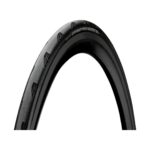
So when Continental released a 35 mm version of its Grand Prix 5000 S TR, the topic naturally got interesting. Not just because the section is wide. But because it is not a disguised all-road tyre: it remains a performance road tyre, with the casing, BlackChili compound, Active Comfort technology and Lazer Grip pattern from the GP 5000 S TR range.
Why 35 mm is coming to the road now
A few years ago, a 35 mm road tyre would almost have been seen as an anomaly. Today, the context has changed. Endurance bikes accept wider tyres, modern wheels have more generous internal widths, and the line between road, endurance and all-road is increasingly blurred.
Above all, the logic of comfort has gained ground. A wider tyre, properly set up and inflated, reduces fatigue, filters imperfections better and helps you carry speed on imperfect roads. And over long distances, comfort is not a luxury – it is often a form of performance.
That said, there is no need to go overboard. 30 mm is slowly becoming the choice for many fast riders, 32 mm makes sense on battered roads, but 35 mm will not become tomorrow’s racing norm. That is exactly what makes this tyre interesting: it advances a logic already underway without tipping into gravel tyres.
A heavy, rare tyre, and only with black sidewalls
The GP 5000 S TR 35 mm exists in 700 x 35C, or 35-622. Continental offers it only with black sidewalls. No tan sidewall version for this size, at least based on information available at the time of testing.
Availability has been tricky. It took me several months to get hold of this size. That is not necessarily a flaw of the tyre itself, but it is a real issue if you want to integrate it into a regular rotation or secure a pair before an event.
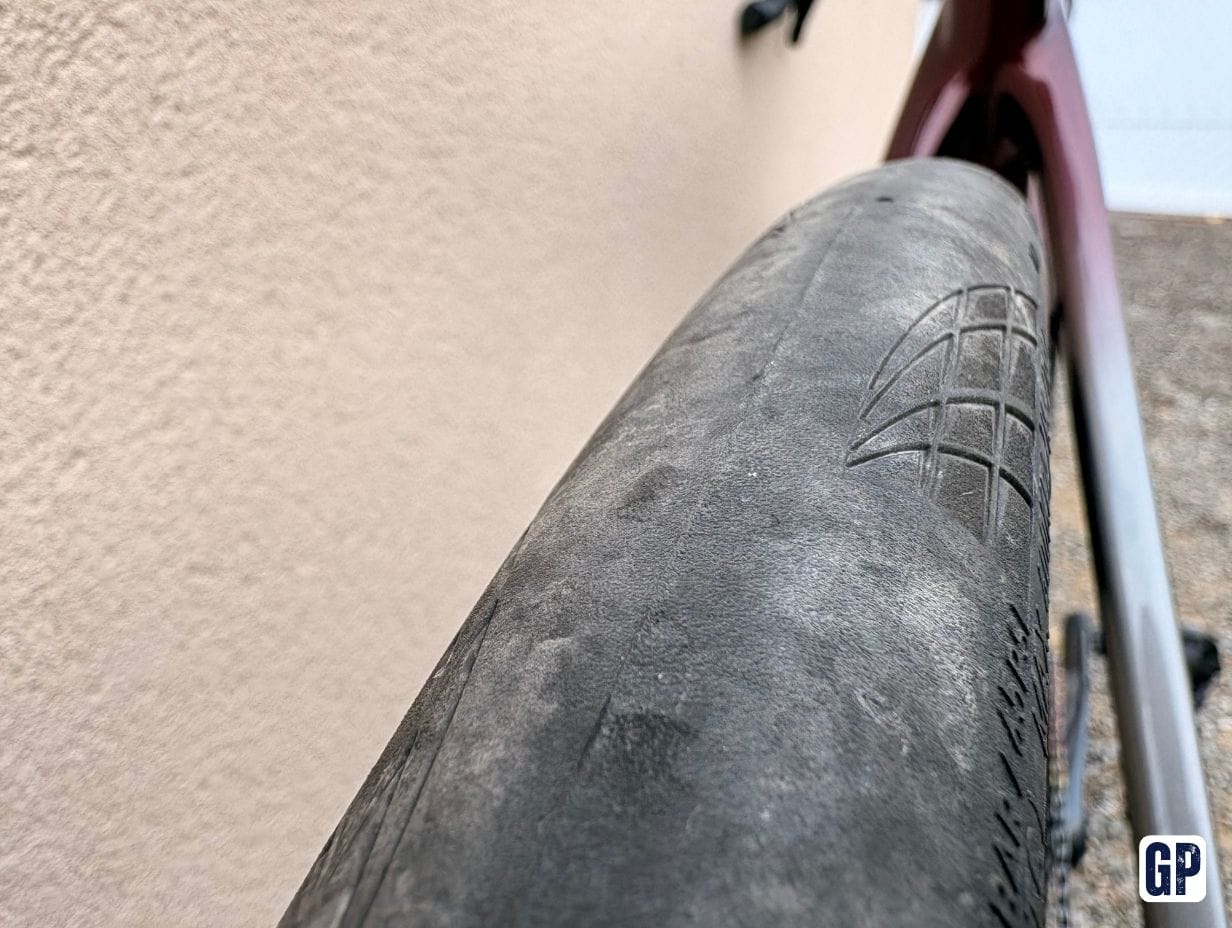
On the weight front, you also have to accept the trade-off. At over 360 g per tyre, this GP 5000 S TR 35 mm is not a way to lighten the bike. For comparison, a GP 5000 S TR in 28 mm is around 250 g. The gap is clear, and you will feel it especially if you are after a very snappy build for accelerating or climbing in competition.
Tubeless set-up: still just as easy
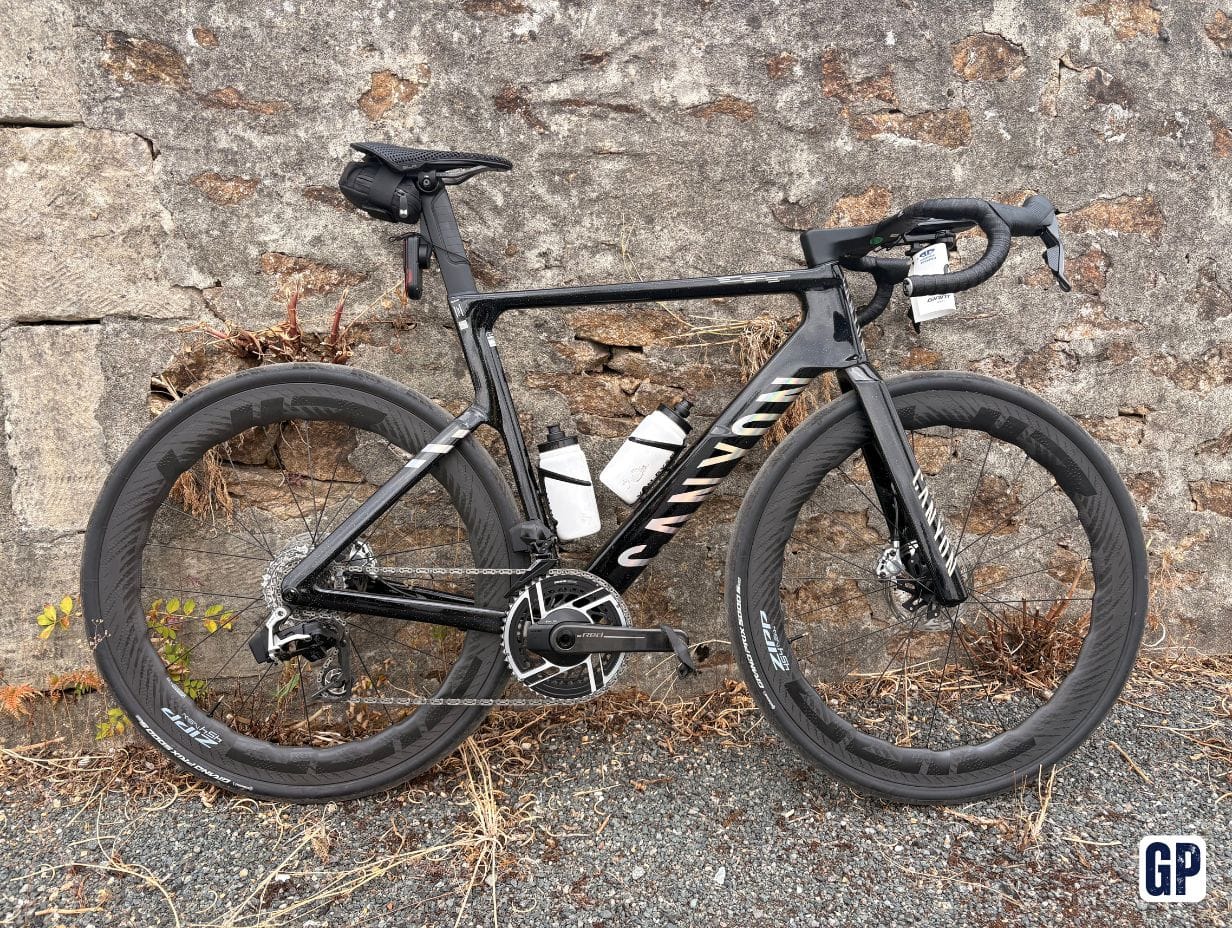
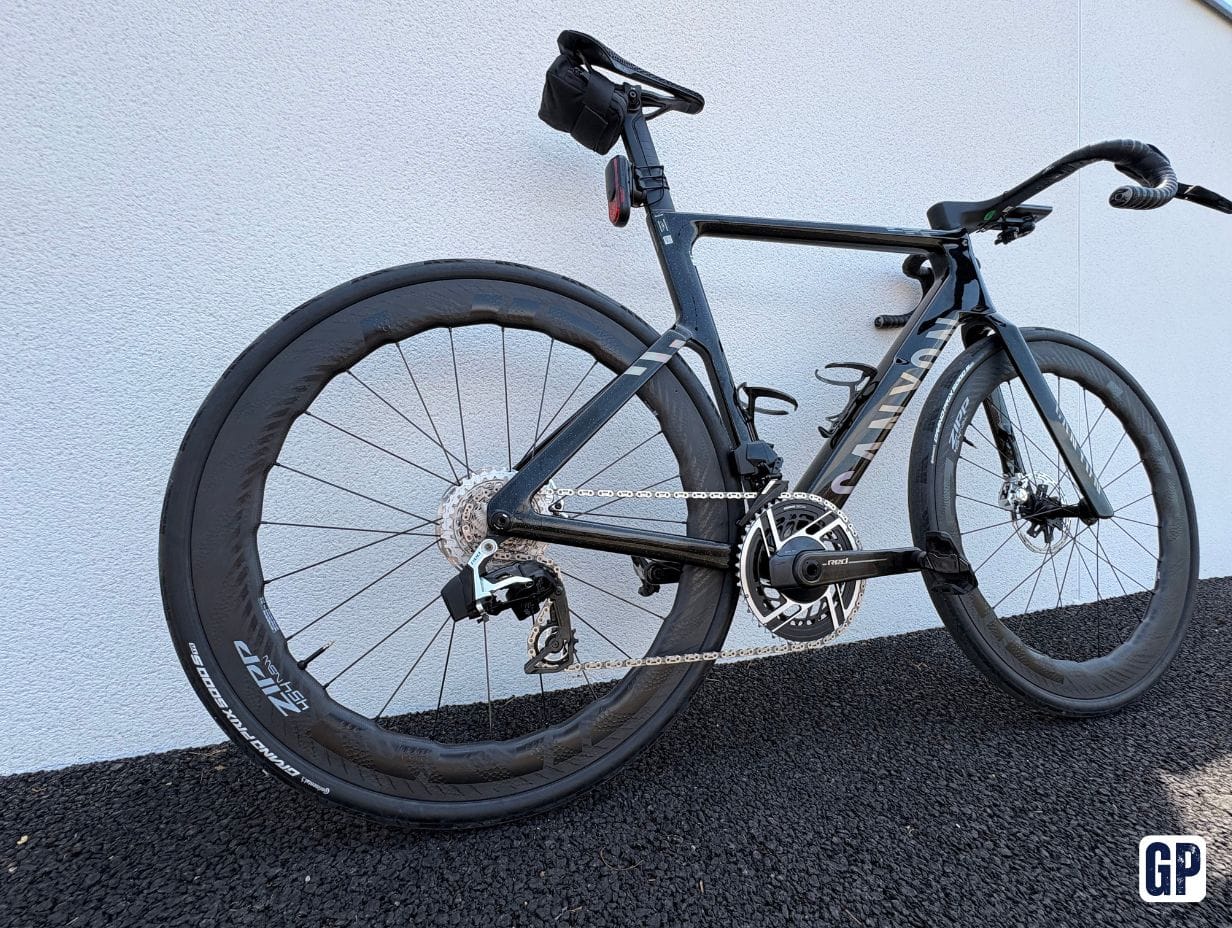
First set-up on a Canyon Endurace CFR, with the stock Zipp 454 NSW wheelset with a 23 mm internal width. It was a logical starting point: a modern wheelset, wide without being extreme, aligned with performance road use.
The set-up confirmed what I have appreciated for a long time on the GP 5000 S TR: it is one of the easiest road tubeless tyres to install and seat. The tyre seats well without unnecessary struggle and does not give that stubborn-casing feeling you sometimes get on certain road tubeless models.
As always with tubeless, stick to the method: clean rim tape, suitable valve, sufficient sealant, and respect rim/tyre/pressure compatibility. Continental recommends at least 30 ml of sealant per tyre for the initial set-up. For the basics, our guide on how to mount tubeless tyres on a road or gravel bike remains a good reference.
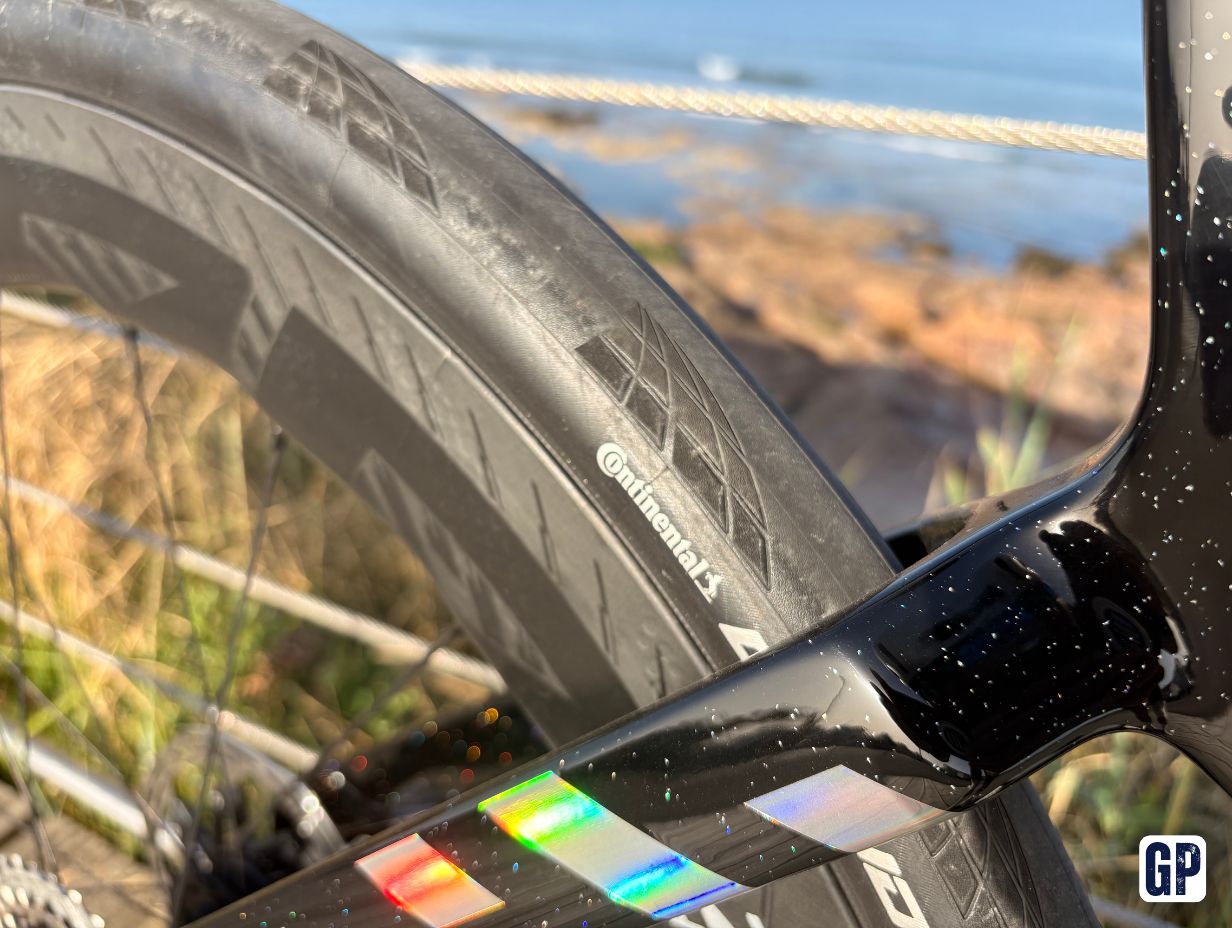
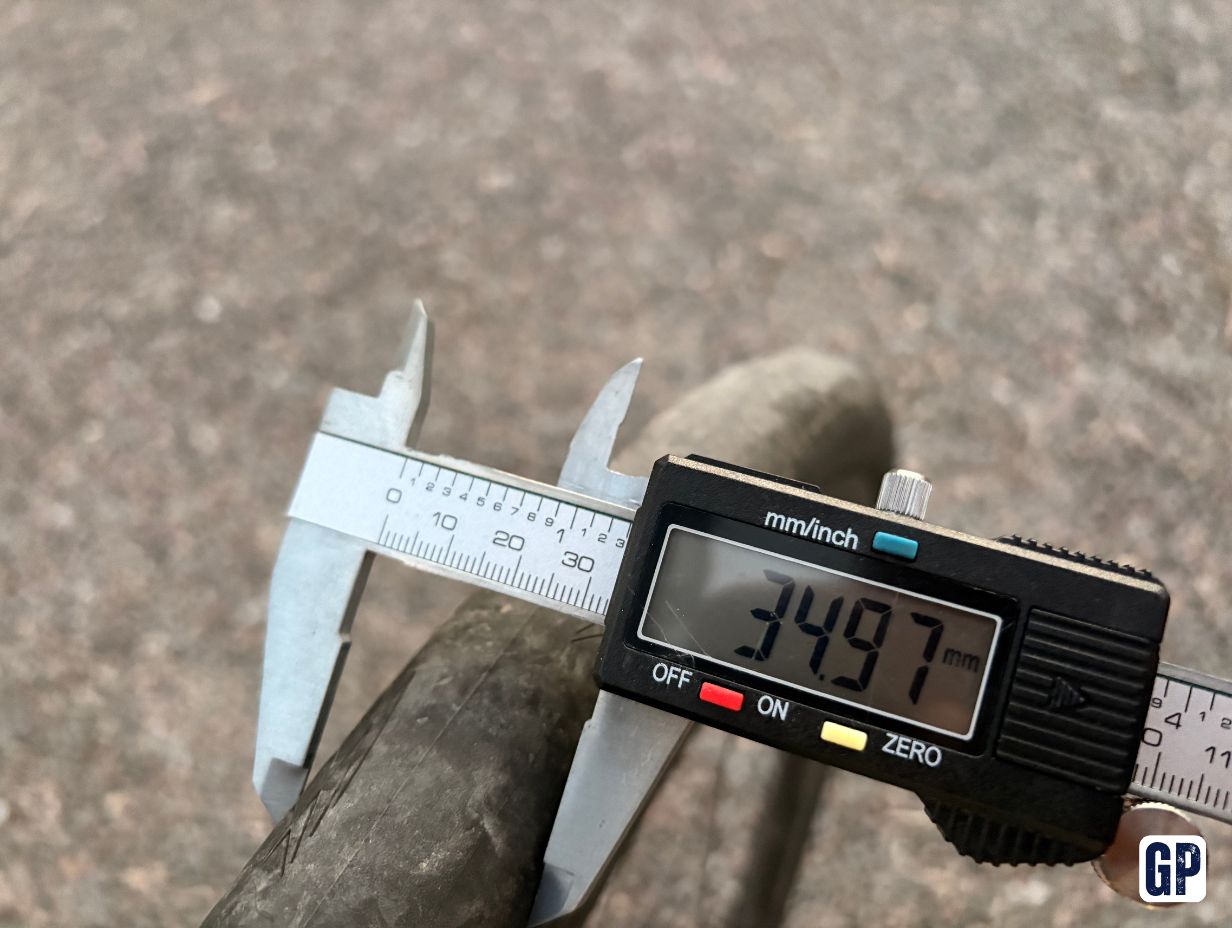
Visually, on the Zipps with 23 mm internal, the tyre looked very round. A real balloon. Measured with callipers, it did come out at 35 mm, but the overall look gave a marked impression of volume.
On 23 mm rims: big volume, surprisingly normal feel
The first few kilometres were rather disconcerting. Not because the tyre felt slow. On the contrary: the transition from 32 mm happened almost seamlessly.
At a steady pace, it is hard to tell you are riding a 35 mm tyre. The bike keeps a road-like behaviour, the efficiency remains very credible, and the excess section does not jump out at your legs as you might imagine.
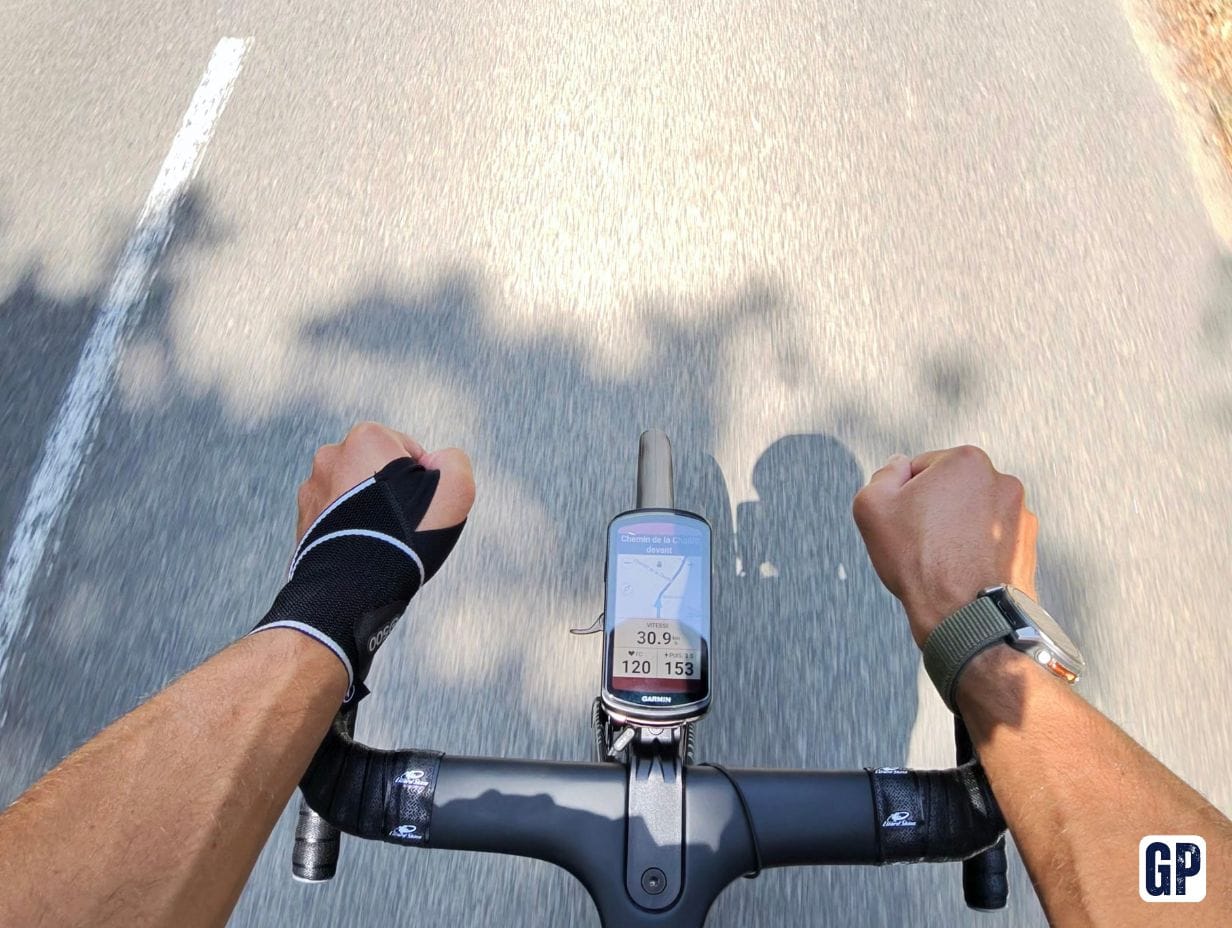
The limit appears in specific contexts: steep gradients, low speeds, surges where inertia becomes a bit more noticeable. Nothing abnormal with a tyre of over 360 g, but this is where the 35 mm reminds you it is not a 28 or 30 mm.
However, in descents and corners, the tyre impresses. Support is positive, it holds a reassuring line, and the grip invites you to commit. It is not just a matter of compound: the volume also contributes to this feeling of margin.
A 180 km gran fondo without feeling like you are dragging the tyres
The real test came on a gran fondo of over 180 km, with more than 3000 m of elevation gain. A ride long and demanding enough to see whether this section would become a real handicap.
At over 30 km/h on average, the finding is quite simple: the 35 mm was not an obvious hindrance. Of course, this is not a laboratory rolling-resistance measurement. It is a field impression, on a given day, with a given bike. But in this context, the tyre never felt like it was holding the bike back.
What you gain in comfort is immediately noticeable. Small vibrations are reduced, irregular surfaces become less wearing, and the bike keeps good support when the road degrades. Over long distances, that kind of detail ends up mattering.
This is precisely where the GP 5000 S TR 35 mm finds its place: not in the pursuit of the lightest build, but in a logic of sustained speed over varied roads, with less accumulated fatigue.
On wide rims: the tyre makes even more sense
I then mounted the tyres on Reserve Turbulent Aero wheels, with 25.4 mm internal width at the front and 24.8 mm at the rear. The set-up remained just as simple, but the tyre seemed more in its element.
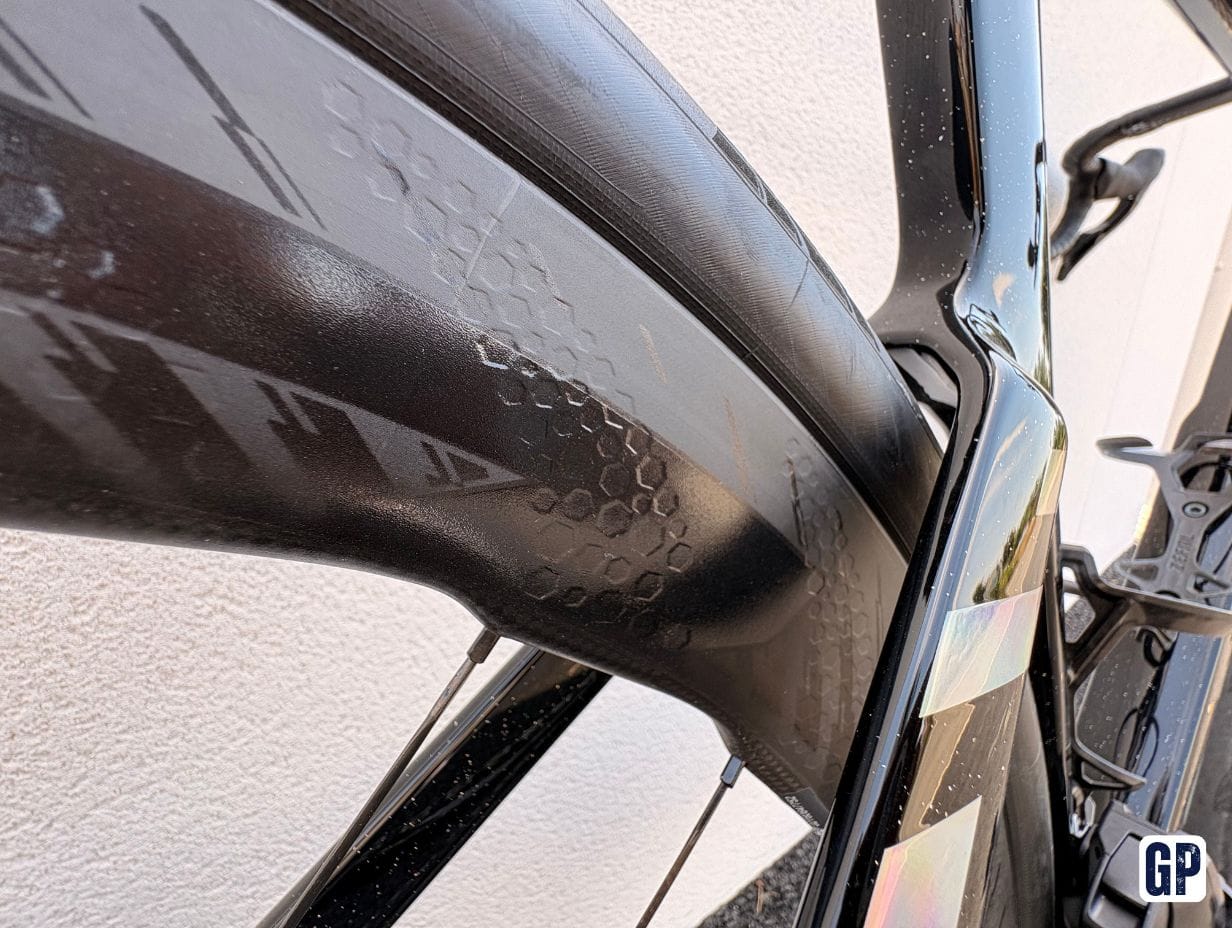
Visually, the balloon effect was less marked. The tyre spread out more, with a more modern stance, more coherent with current wheels. Measured with callipers, it then approached 37 mm. That is a lot. Really a lot for a performance road tyre.
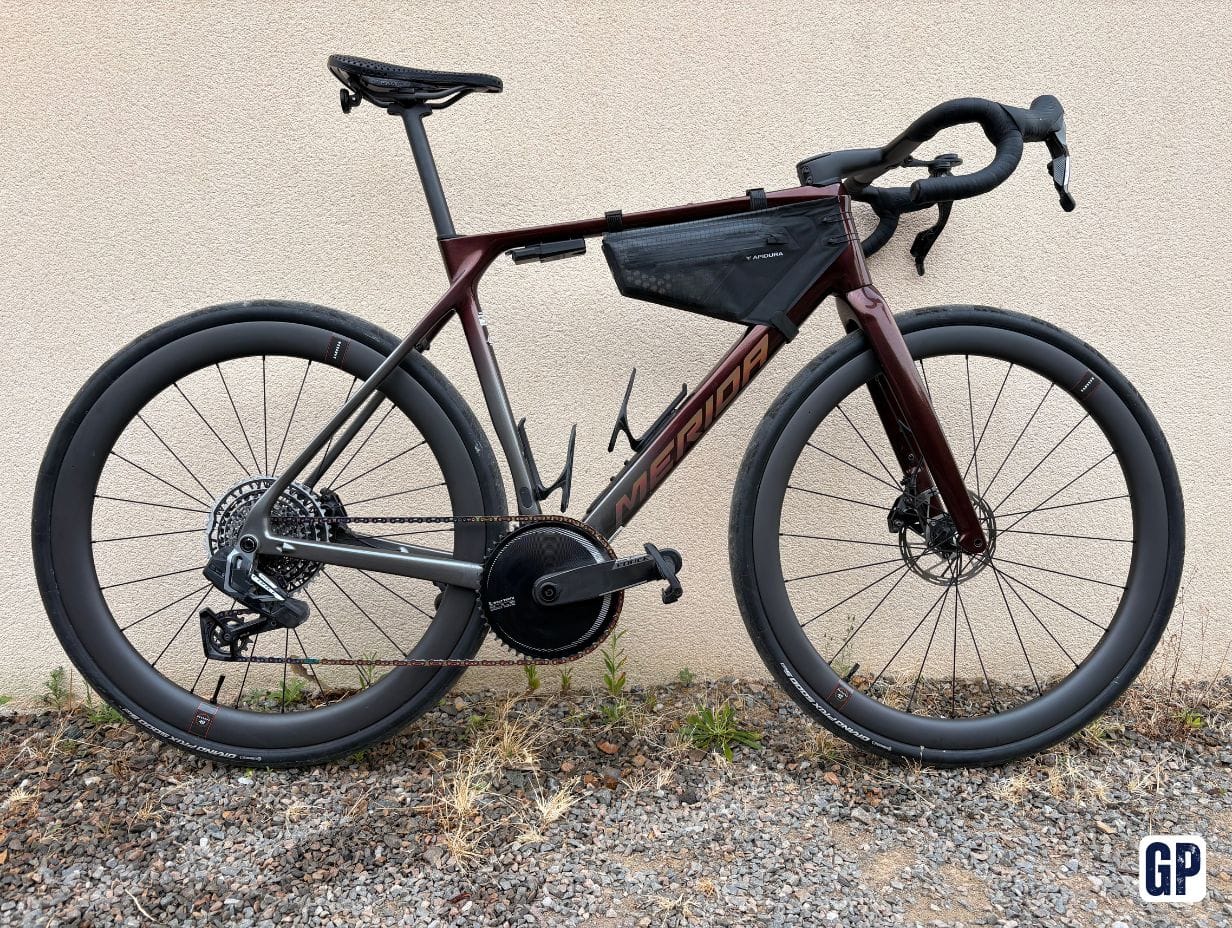
And yet, once on the road, the feel remains impressive. The behaviour stays close to a good 30 or 32 mm set-up, with a very clear comfort gain. On the Reserves, the tyre almost feels like it has found its natural habitat: a wide rim, a casing that sits well, and volume that works without making the bike feel vague.
On the Canyon Endurace CFR and Merida Mission: comfort without transforming the bike
I rode this GP 5000 S TR 35 mm on two bikes that are not the most comfortable on the market: the Canyon Endurace CFR and the Merida Mission, used here on the road. Two fairly sporty platforms, where tyre choice can really change the overall feel.
The 35 mm smooths out imperfections far more than a smaller section. It is not subtle. You immediately feel more filtering, fewer sharp hits, less fatigue on coarse or damaged roads.
The most interesting part is that the bike does not lose its identity. It does not become sluggish, soft, or approximate. The tyre adds comfort without erasing the road character of the set-up. That is probably what surprised me most in this test.
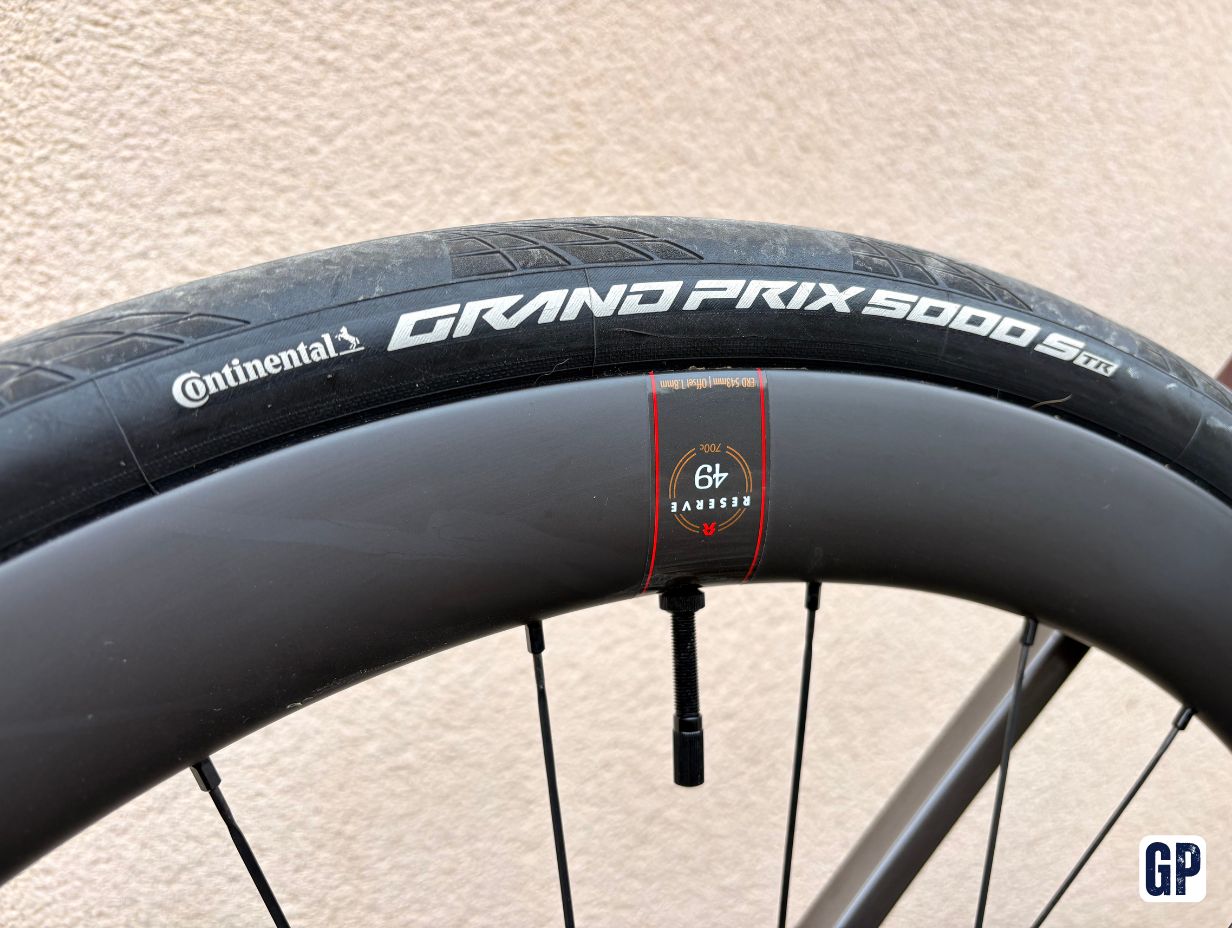
Again, let’s be honest: this is not a lab protocol, nor a machine-based efficiency test. But in real use, on several bikes and several wheels, the tyre gives a rare impression for this section: lots of volume, but very few perceived compromises at a brisk pace.
What 35 mm will not replace
For regional races, I would not choose this tyre. My preference today remains around 30 mm, or 32 mm if the roads are really bad. 35 mm brings more comfort and margin, but it also brings more weight and a bit more inertia.
It is also worth remembering that this is not a gravel tyre. Its tread is still that of a road tyre. It can handle dirty roads, shoulders, rough sections, but it is not meant to replace a real knobbly tyre for trails.
Final point: your frame must truly have the tyre clearance for this section. A tyre labelled 35 mm can measure 37 mm on a wide rim.
Wear after 1700 km: nothing concerning so far
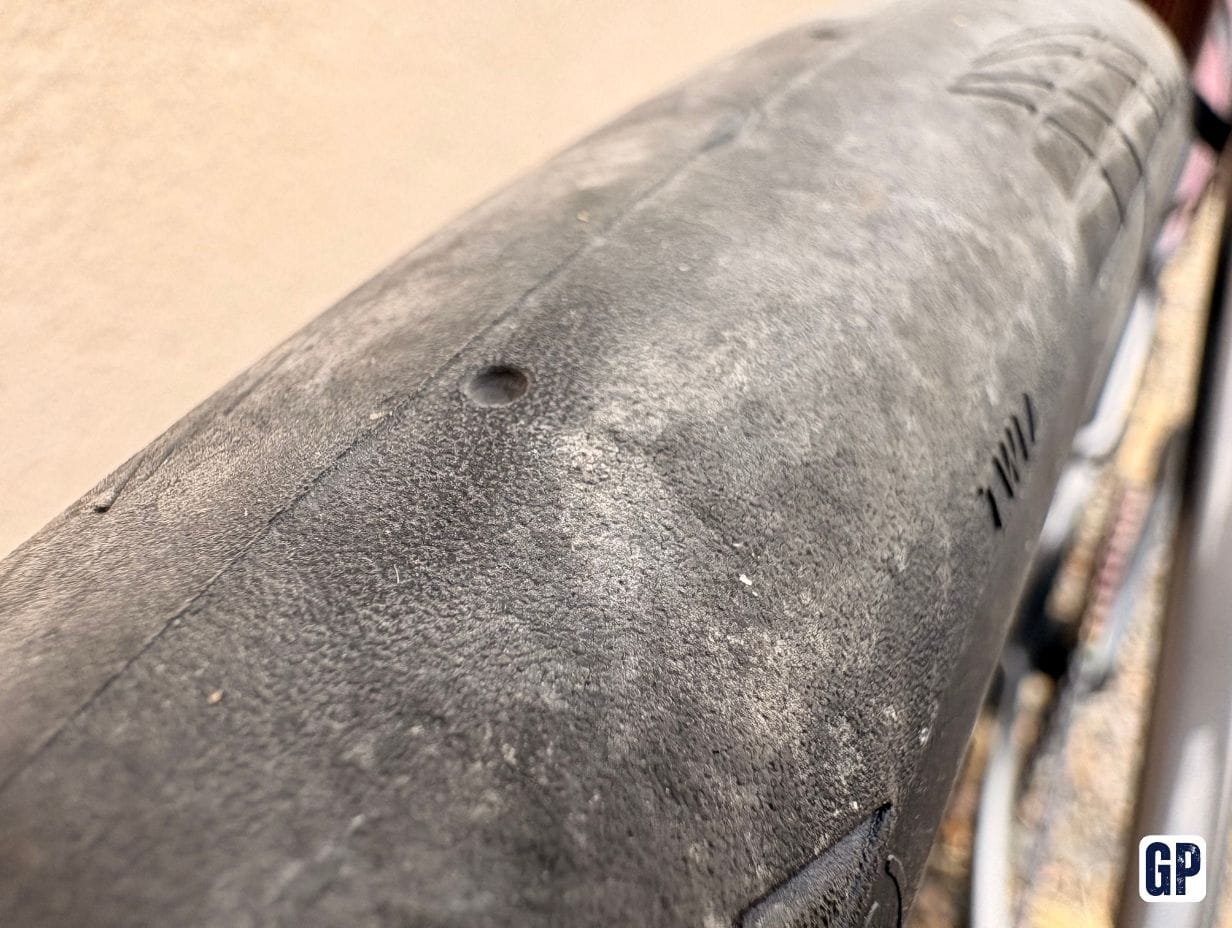
After more than 1700 km, the wear indicators are still visible and I have not noticed anything particular or abnormal. The rear logically seems to wear a bit faster than the front, but nothing out of the ordinary for a road tyre.
That is consistent with my overall experience of the GP 5000. The range is not indestructible, but it generally offers a good balance between performance, grip and durability. On this 35 mm version, the extra volume could even favour more serene long-distance use, provided pressures and compatibilities are respected.
The retail price is around €80 per tyre, although it is often possible to find it cheaper online. That is still high, especially for a tyre that is hard to find, but the positioning is that of a performance road tubeless tyre.
My take on this tyre
This tyre will mainly appeal to riders already convinced by wider sections. If you are reading this review with curiosity, there is a good chance big tyres do not scare you and you have already understood the benefit of volume on the road.
For fast day-to-day riding, long rides, gran fondos on imperfect roads or ultra-distance events, the GP 5000 S TR 35 mm is a truly relevant option. It lets you ride fast, for a long time, with more comfort and a real sense of security in corners.
However, if your absolute priority is snap, weight or short-course racing, there are more logical options in the Continental range. A 30 or 32 mm will remain better suited to many classic sporty uses.
This review is not saying everyone should move to 35 mm. It is saying something else: when a tyre as capable as the GP 5000 exists in this section, 35 mm road becomes far more credible than it was yesterday.