
A power meter at around €150 on its own, or a bundle with an Easton-type carbon crankset for under €350 – that is bound to catch the eye.
I rode for several months with the Coospo S10, received here in its version with a crankset. The idea was simple: see whether this very affordable product could be anything more than a spec-sheet charmer.
Strengths:
- Aggressive pricing for a power meter
- Well-finished version with carbon crankset
- Long battery life and magnetic charging
Could be better
- Less convincing accuracy at higher power outputs compared with Favero pedals
And the answer is less clear-cut than expected. This is not the meter I would recommend to someone who wants to align all their bikes to the nearest watt. But to discover power-based training, track your progress and ride with a stable figure, there is something worth a serious look.
A surprisingly good crankset for the money
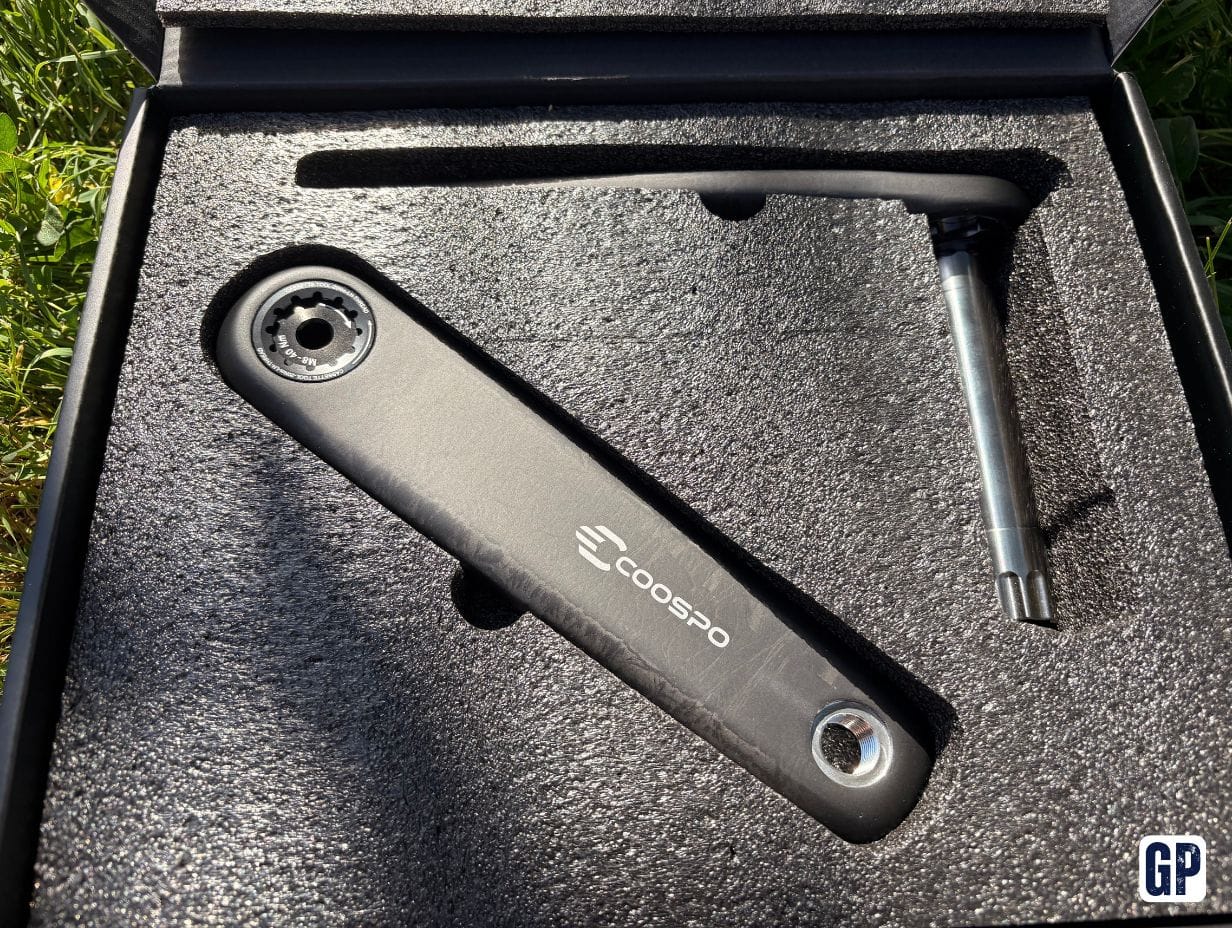
The first good surprise almost comes more from the crankset than from the meter itself.
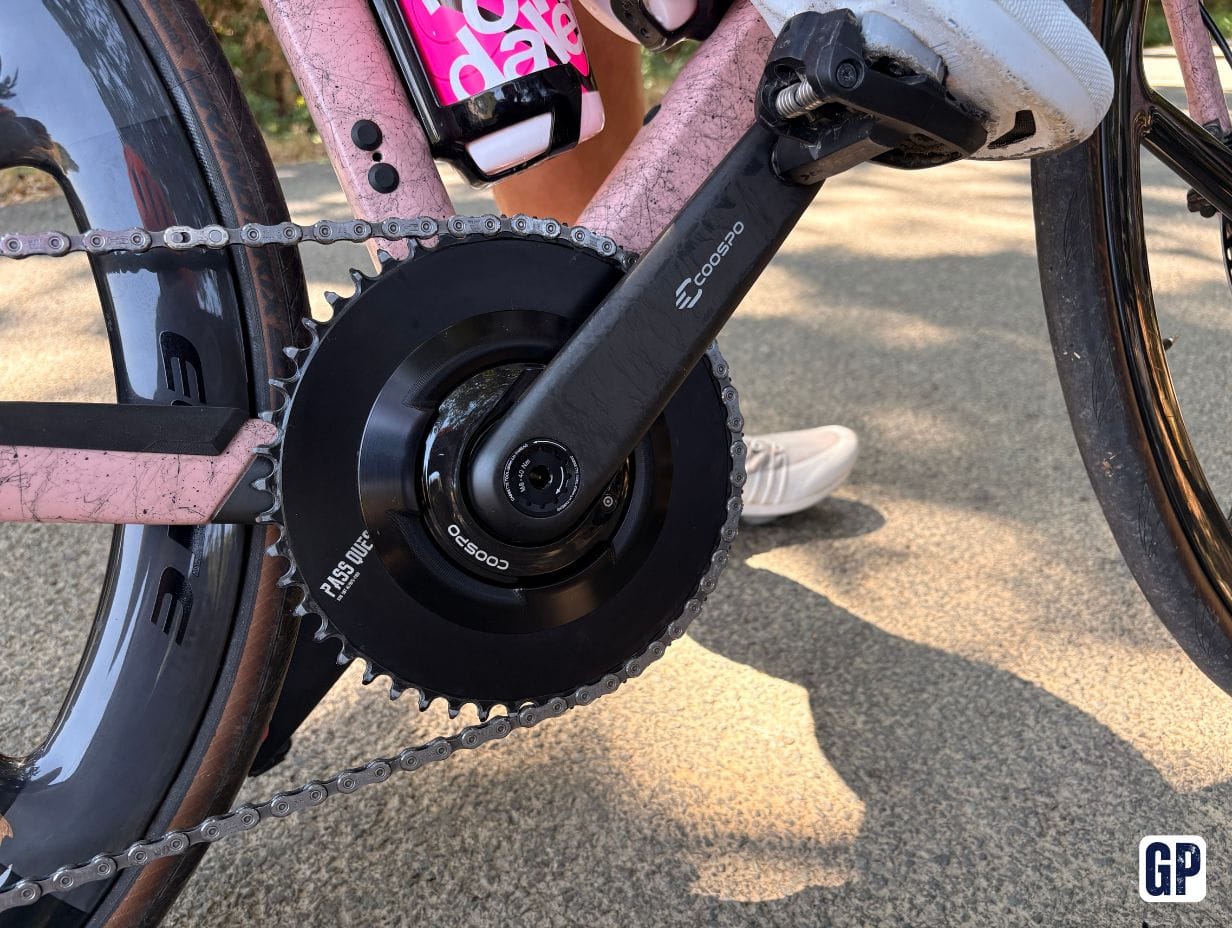
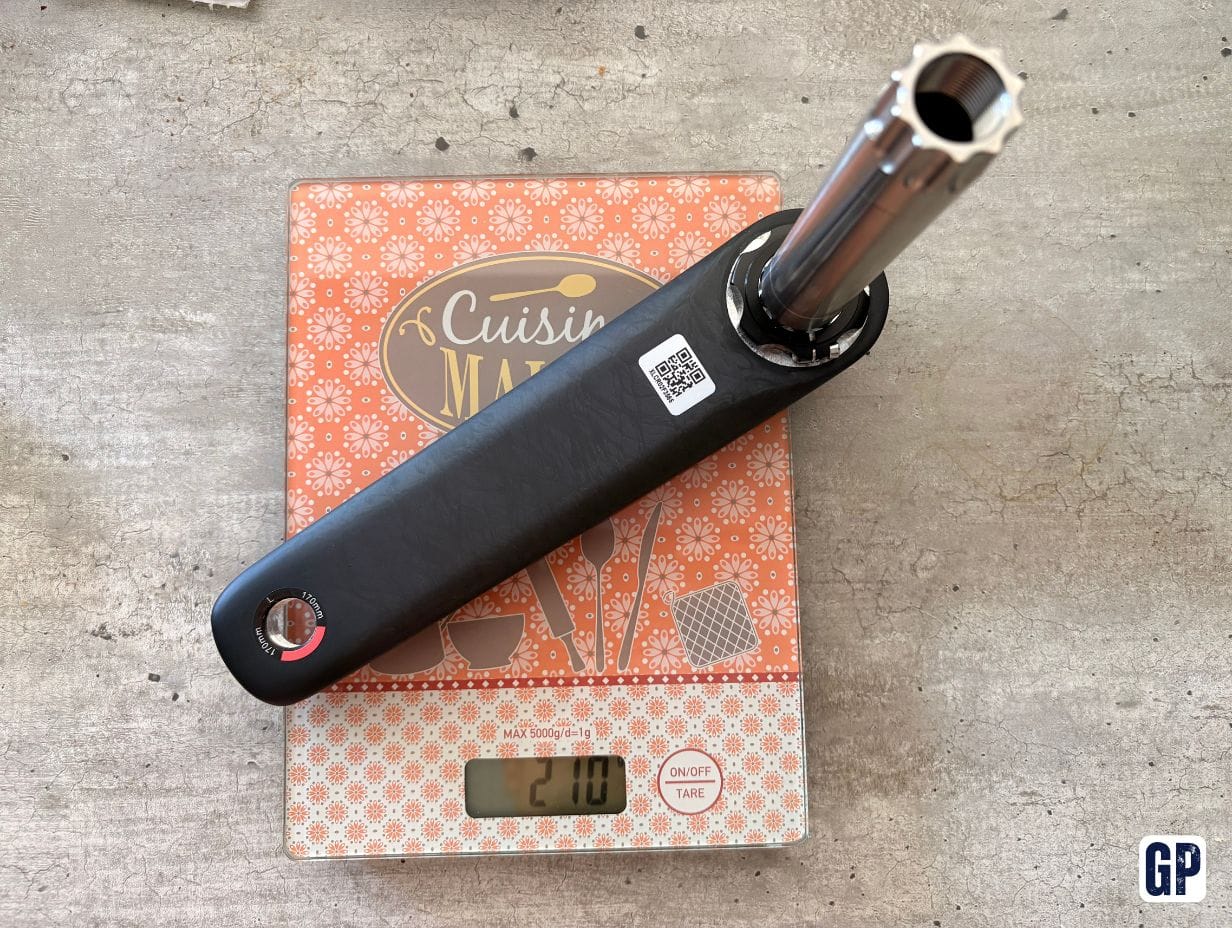
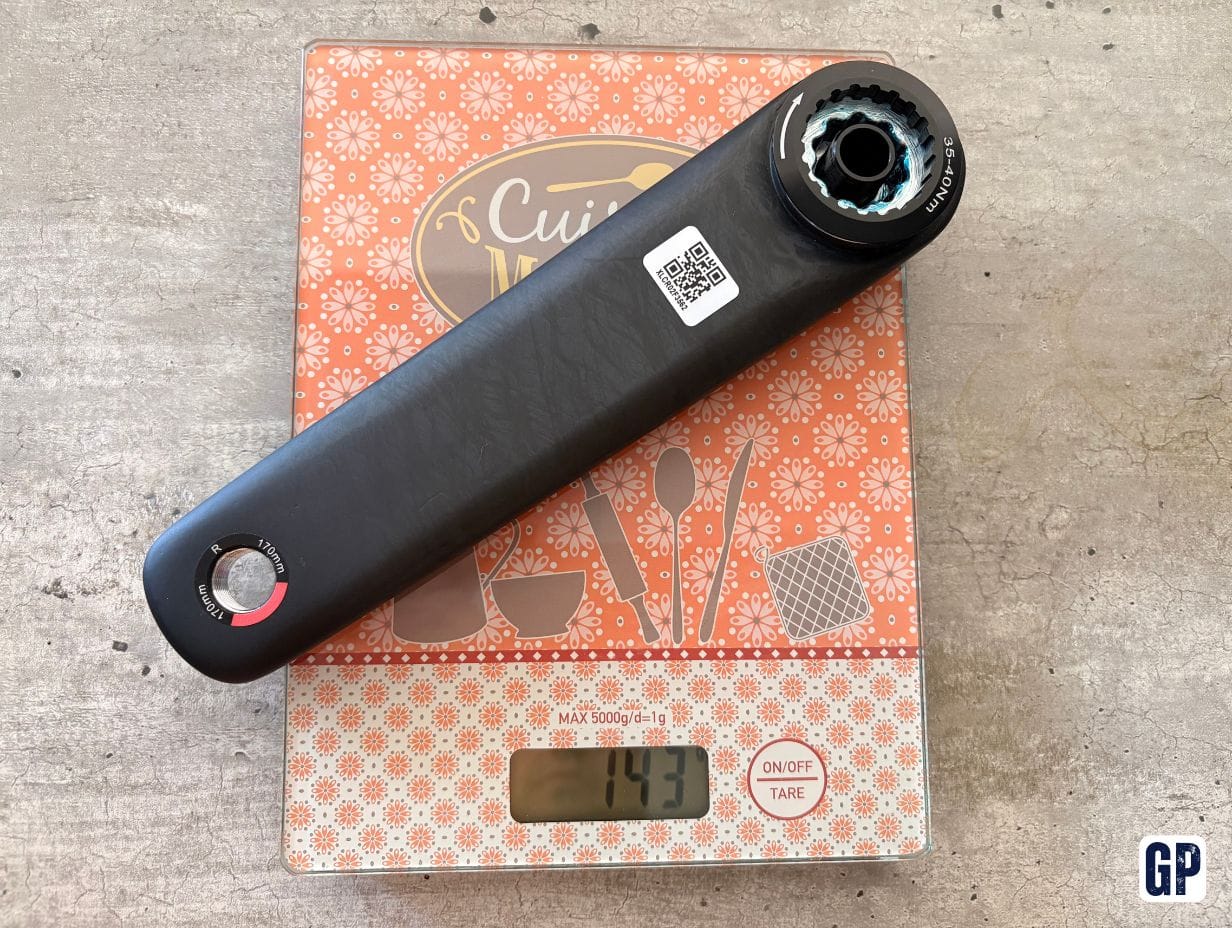
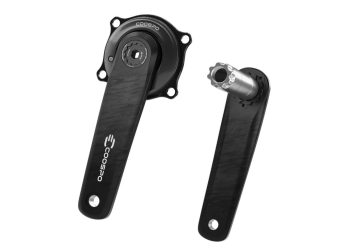
The version received uses carbon crank arms in an Easton-type format. In the hand, the piece inspires real confidence: neat finish, contained weight, an upmarket look. At this price, I expected something more basic. Here, visually, the package works well, especially with a solid chainring that finishes the build nicely.
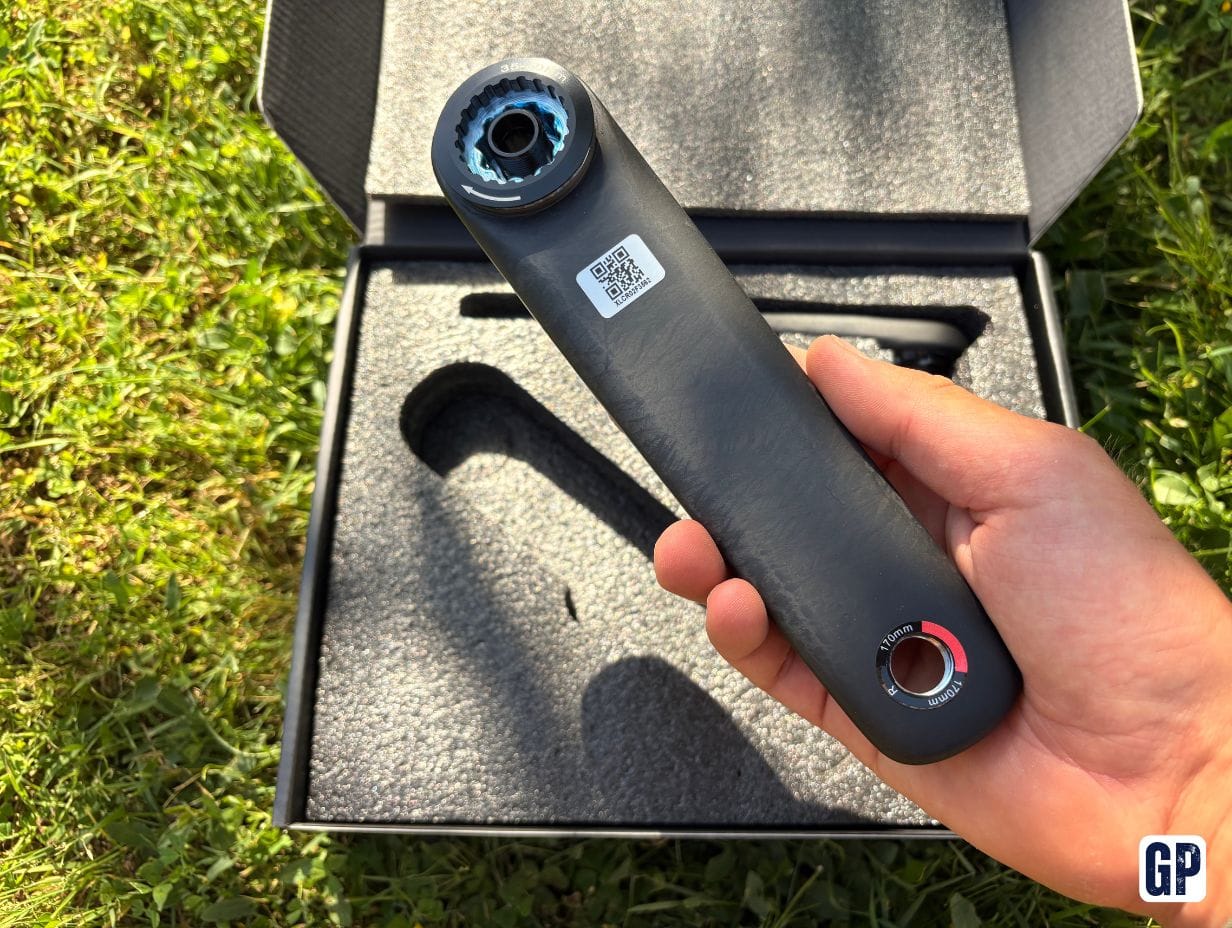
Coospo offers several crank lengths, from 160 to 172.5 mm. That is pretty modern, especially at a time when many cyclists are shortening their cranks for reasons of position, comfort or cadence.
As ever, you need to match the bottom bracket standard. The version tested uses a 24 mm axle with an Easton interface. In my case, installation went smoothly, provided you pick the right standard from the start.
I had to tweak the spacer stack slightly to avoid the crankset rubbing the chainstay.
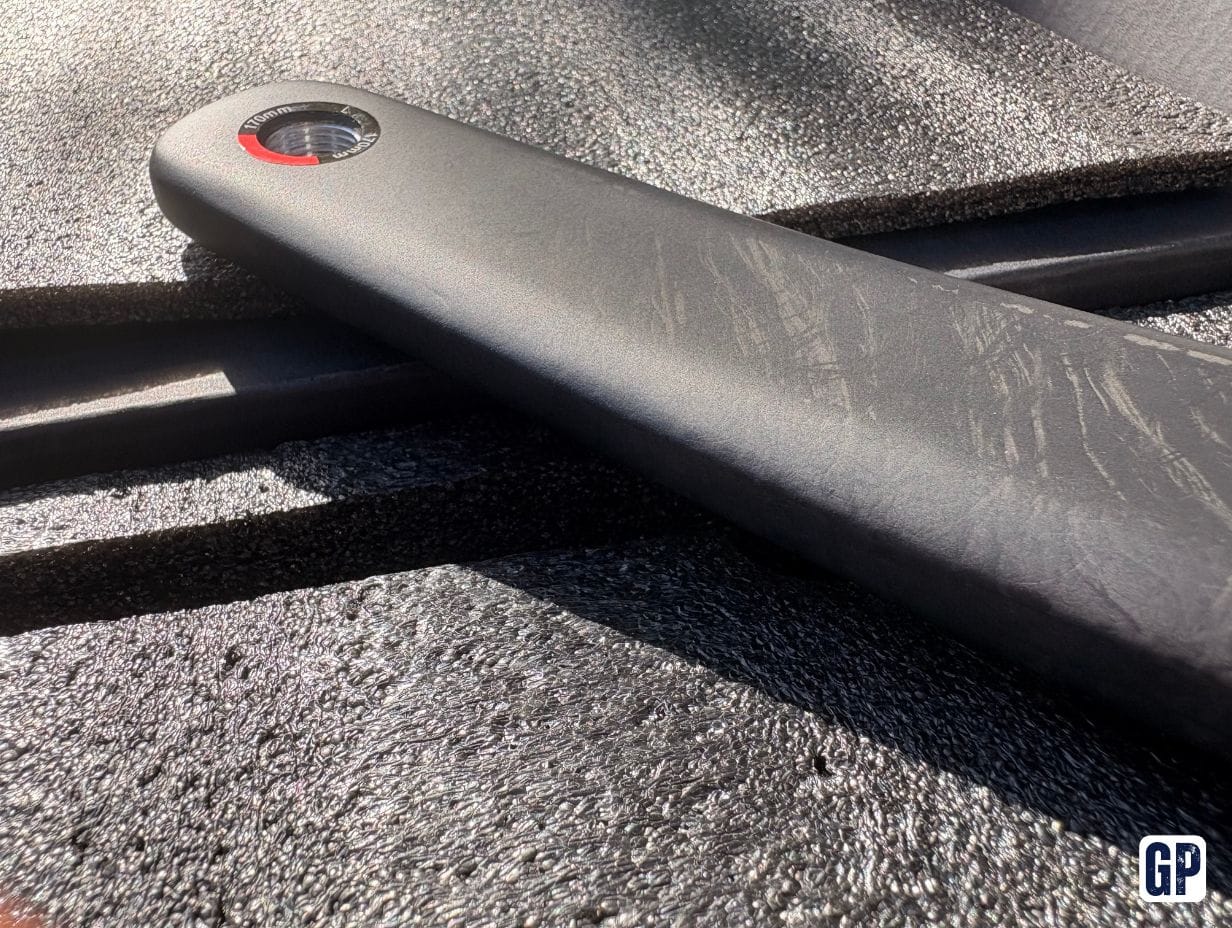
Once installed, nothing to report in my case: no play, no creaks, no feeling of a bargain-basement crankset flexing under load. On that front, I was satisfied.
The meter itself takes the form of a spider placed between the chainring and the right crank. The principle is reminiscent of some spider meters, like the Rotor INspider we had already tested on GravelPassion. The philosophy is tidy: discreet integration, protected sensor.
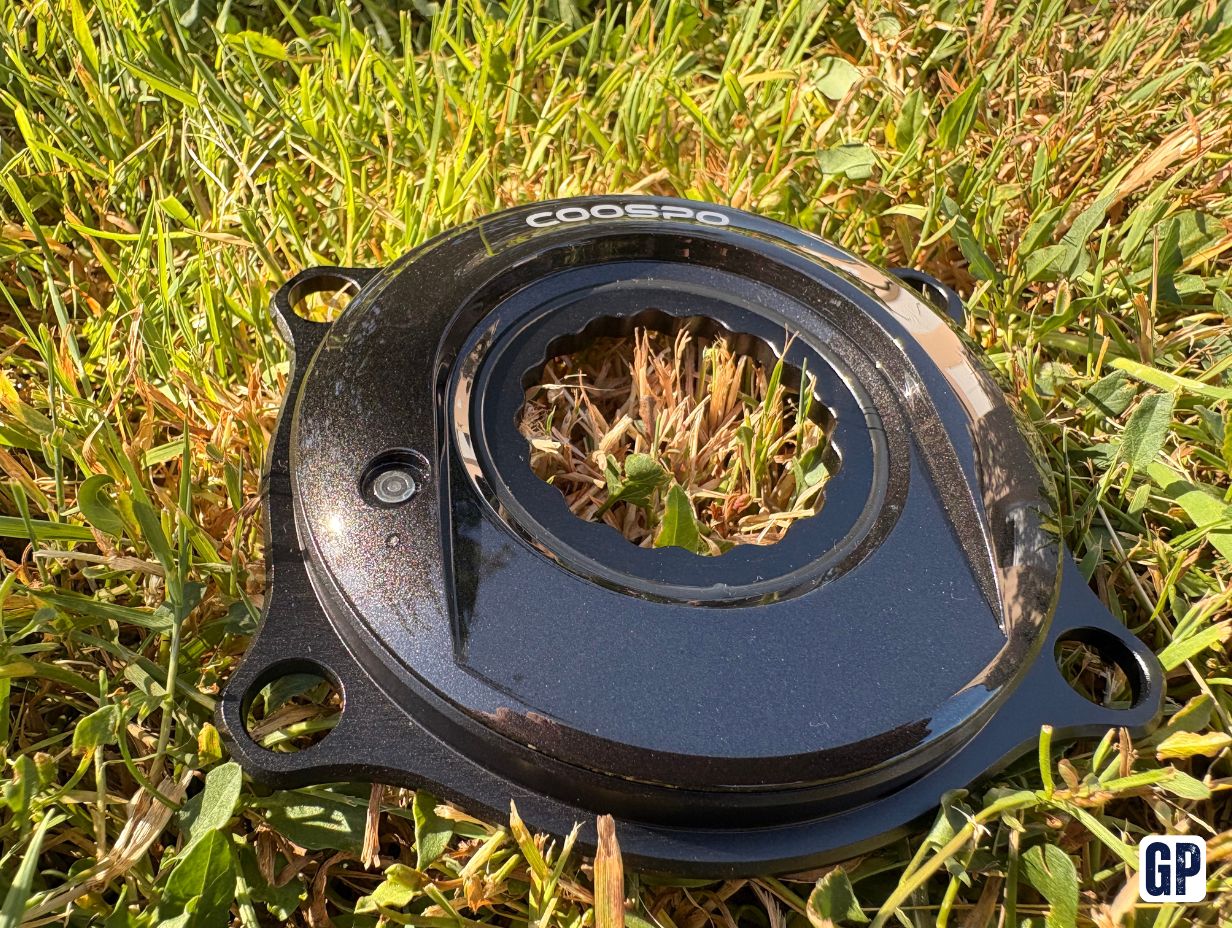
This choice also has its limits. A spider-based meter can be more sensitive to installation, drivetrain type, the chainring used or spacers. It is an important point to keep in mind if your aim is maximum accuracy.
Connectivity, app and firmware: a product that has matured
The Coospo S10 communicates via ANT+ and Bluetooth. For a bike computer, I favour ANT+, which generally remains the cleanest protocol for this kind of device.
On arrival, I updated it via the CoospoTools app. The meter is currently running firmware 1.7.7 in my setup. That detail matters.
Several tests published at the product launch noted less convincing behaviour. I am not going to say everything has become perfect. But my feeling, after several months, is that the latest updates have matured the product.
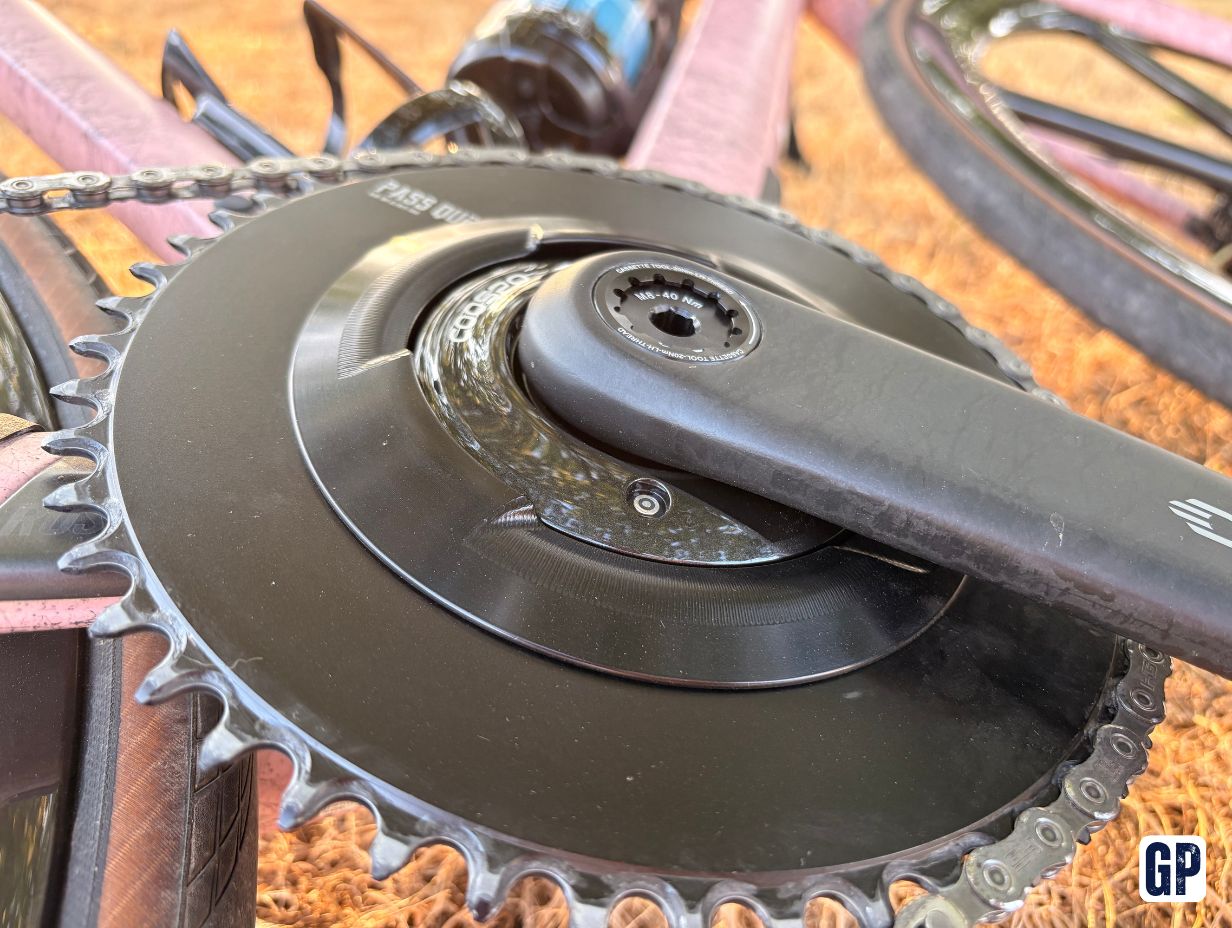
The magnetic charging port is well integrated. Coospo claims up to 300 hours of battery life, IPX7 waterproofing, a power range from 0 to 2800 W and stated accuracy of ±1%. These figures put the S10 in line with typical market claims. The real question, of course, is how it behaves out on the road.
Accuracy or consistency: ask the right question
A power meter is often judged on its accuracy. That is logical, but a little incomplete.
Accuracy becomes central if you use several meters on several bikes, if you compare your values with a turbo trainer, or if you regularly switch from one bike to another with tightly defined training zones.
But for a cyclist discovering power and using a single meter on a single bike, consistency sometimes matters more than the exact watt. Like a set of scales: if it is always wrong in the same way, it is still usable to follow a trend. If it drifts without warning, it becomes useless.
That was mostly what I expected from the Coospo S10.
On the road: stable, no dropouts, but not at the level of the very best
The good news is that I did not encounter any disconnections during my rides. The connection remained stable, and for a power meter at this price, that is not a minor detail.
I also did not observe any annoying drift after hard efforts. Some meters can settle back poorly after a big effort, with values that remain polluted for several minutes. In my case, the S10 proved rather consistent over the course of the ride.
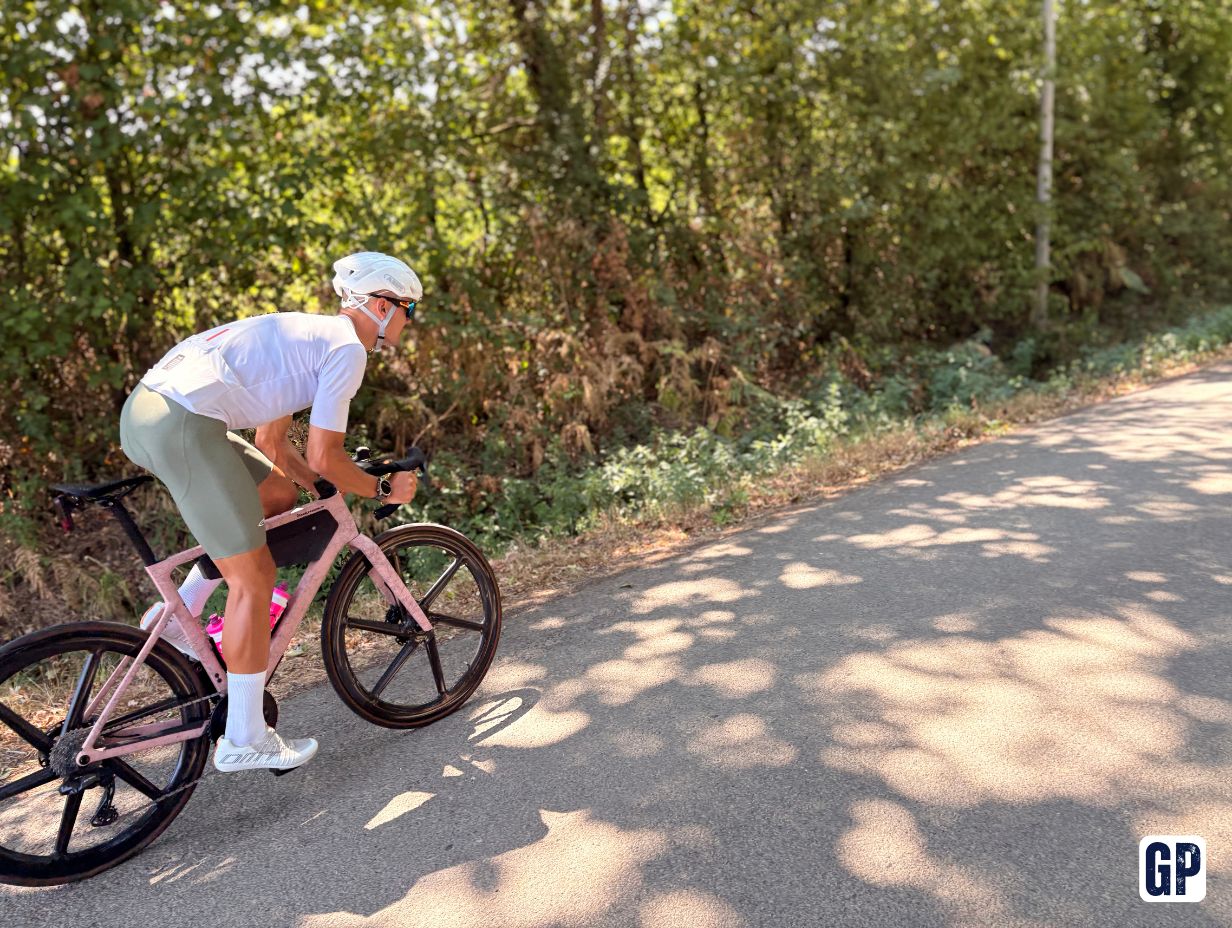
Compared with my Favero pedals, I observed a difference greater than 1% at the highest outputs. So this is not the meter I would choose if I wanted an absolute reference, nor the one I would pick to harmonise several bikes precisely.
But you have to put the product in the context of its price. At around €150 for the meter alone, we are not talking about the same proposition as a high-end pedal system or a spider meter mounted on a big-brand crankset.
Who is the Coospo S10 for?
I would mainly recommend it to a cyclist who wants to discover power without blowing the budget.
If you ride a single bike, want to structure your long rides, manage your intensities better, track your progress and start thinking in watts, the S10 can do the job. It provides usable data, stable in my use, with tidy integration and a frankly aggressive price.
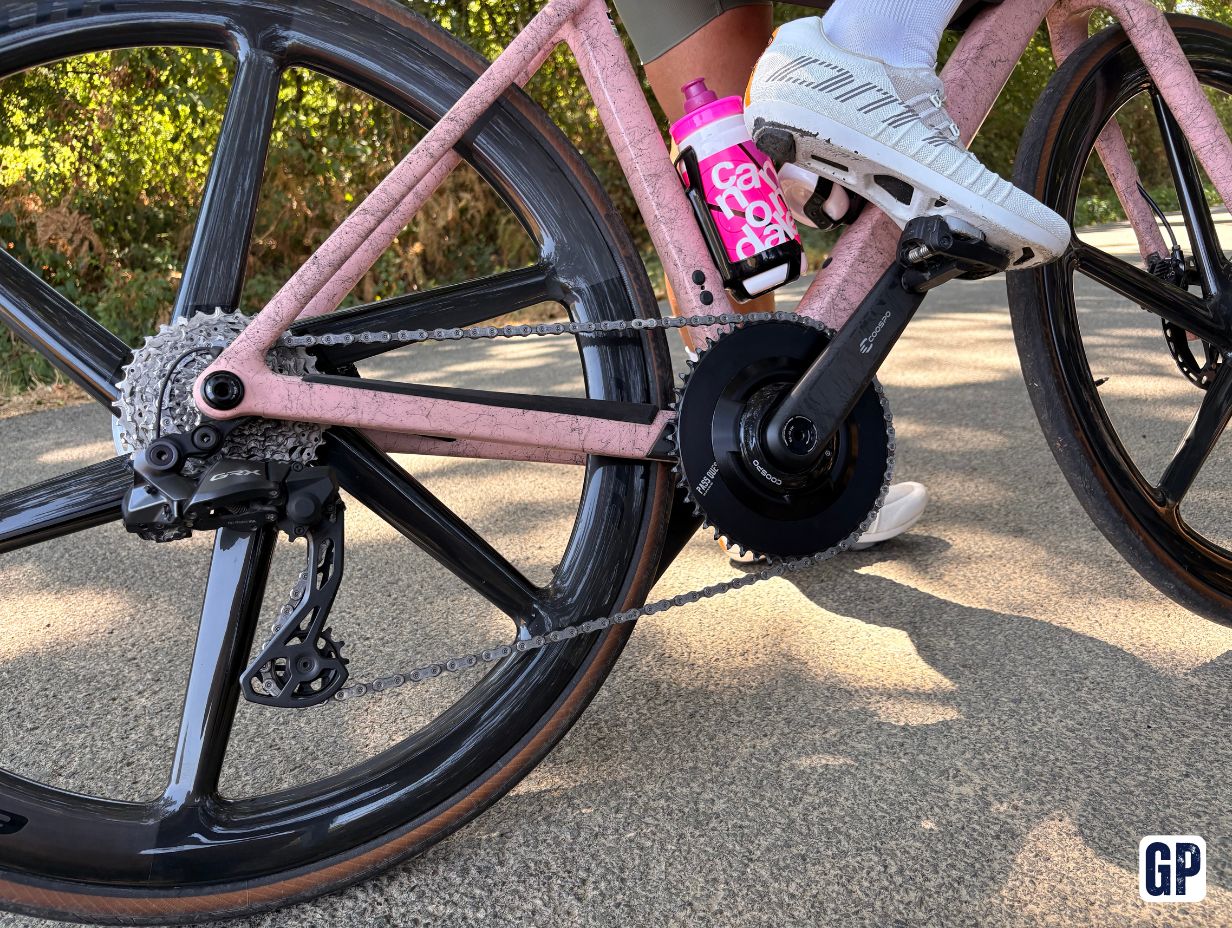
The crankset version adds real interest if you are starting from an ageing build or want to assemble a clean complete set, with carbon crank arms and integrated meter. At under €350 based on prices observed at the time of the test, the spec-to-price ratio is hard to ignore.
On the other hand, if you already have several meters, if you are seeking strict precision across all your bikes, or if every watt counts in your training tracking, I would be cautious. The S10 is not bad. It is simply not the one I would choose as an absolute reference.
An accessible power meter, not a miracle device
The Coospo S10 rather surprised me in a good way.
I expected to have to talk mainly about compromises. In the end, I also note real build quality on the crankset, fairly simple installation, a stable connection and a product that seems to have improved with updates.
Do not ask it to do what it does not really promise: replace the best references on the market without nuance. But to discover power-based training on a limited budget, it is a credible alternative.
Not the meter for the watt-obsessed. Rather the one for the cyclist who finally wants to stop riding on feel alone, without spending the price of a full groupset on a meter.