
The Giant TCR is one of those bikes that hardly needs an introduction. An emblematic model from the Taiwanese brand, it has long embodied the idea of a light, efficient race bike, built to climb, accelerate and carry sportive riders over demanding routes.
Its new generation was unveiled in 2024, in a slightly unusual context. Today, many aero bikes have shed weight. Some optimised builds now dip close to 7 kg. As a result, the line between an aero bike and a lightweight bike is less clear than it used to be.
Strengths:
- Frame stiffness
- Overall well-judged spec
- Respectable comfort for a bike at this level
Could be better
- The lack of a one-piece cockpit as standard is a bit frustrating
At Giant, the TCR still exists alongside the Propel. And that choice still makes sense. Even if the current Propel seems easier, lighter and more versatile than before, it remains hard to get many sportive riders to accept it as a bike for the mountains in their imagination. For many, a bike destined for mountain passes still needs to look like a lightweight bike. The TCR therefore retains a clear place in the range.
The model tested here is the Giant TCR Advanced Pro 1 Di2, priced at €4,700, with a stock build of Shimano 105 Di2, Giant SLR 1 40 carbon wheelset, Giant Power Pro power meter and in-house components.
The bike then evolved slightly during the test, with a Shimano Ultegra build followed by the addition of a Cadex Race cockpit, to get a cleaner front end and something closer to my preferences.
Design & finish
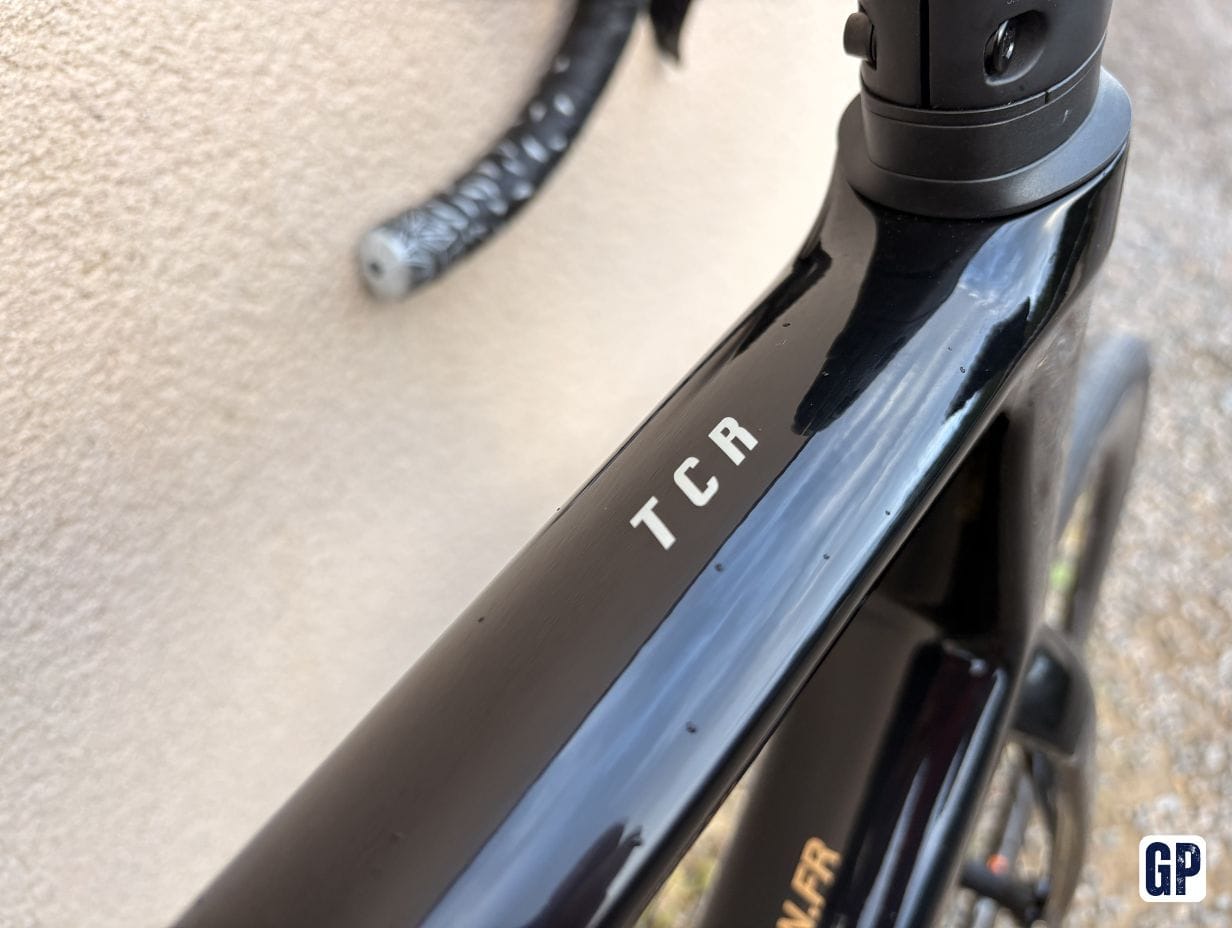
Out of the box, the Giant TCR inspires confidence. It’s simple, clean, with no obvious missteps.
The black paint is well executed. You don’t see that orange-peel effect some brands sometimes let appear on dark, solid colours. The finish quality is serious, in line with what Giant has long known how to do: nothing spectacular, but a sense of assurance.
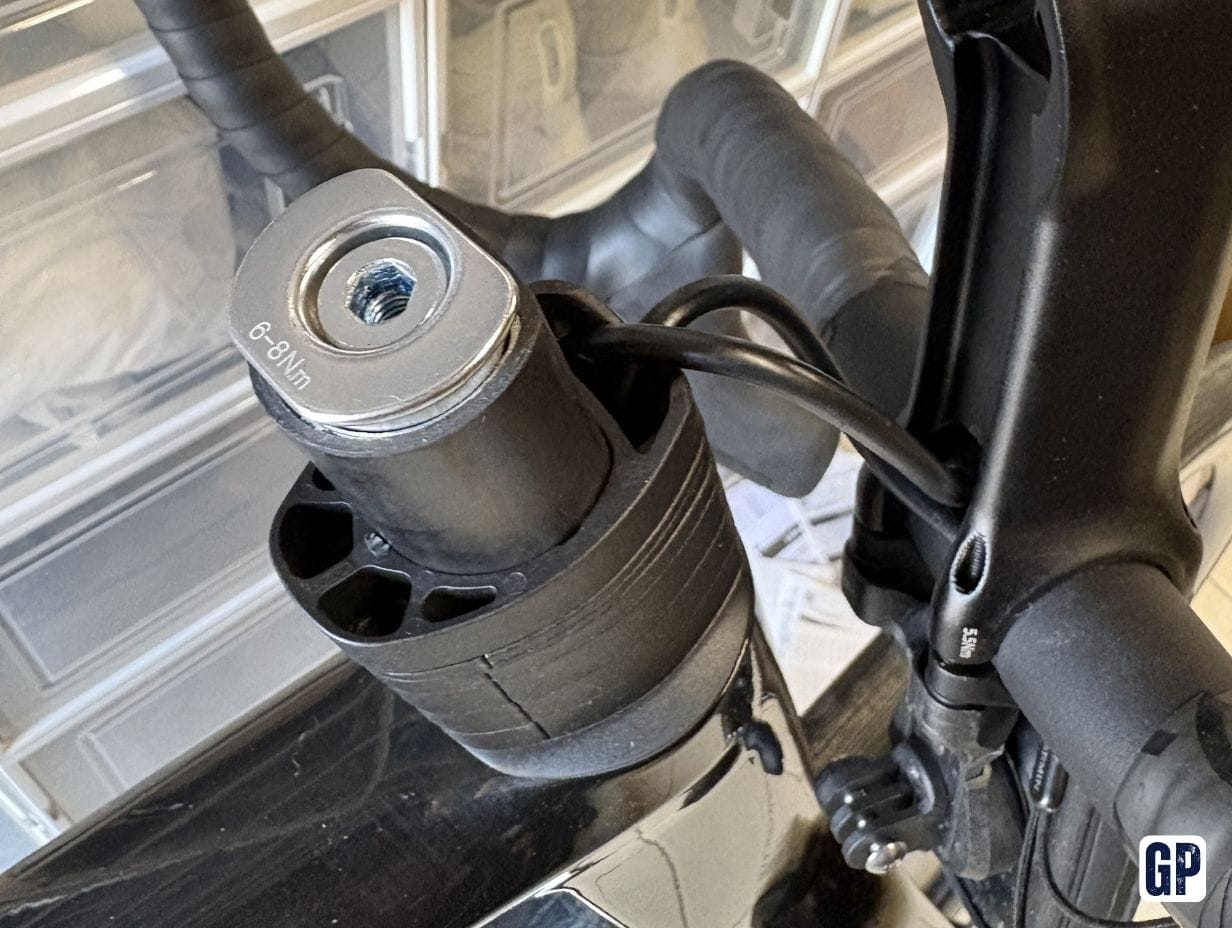
As often with Giant, the bike arrives with quite a few spacers under the stem. That can skew your initial perception of the position, but it also lets you progressively adapt the cockpit. In my case, the steerer was quickly cut almost flush to achieve a stack consistent with my habits and with other WorldTour-style bikes I’ve tested.
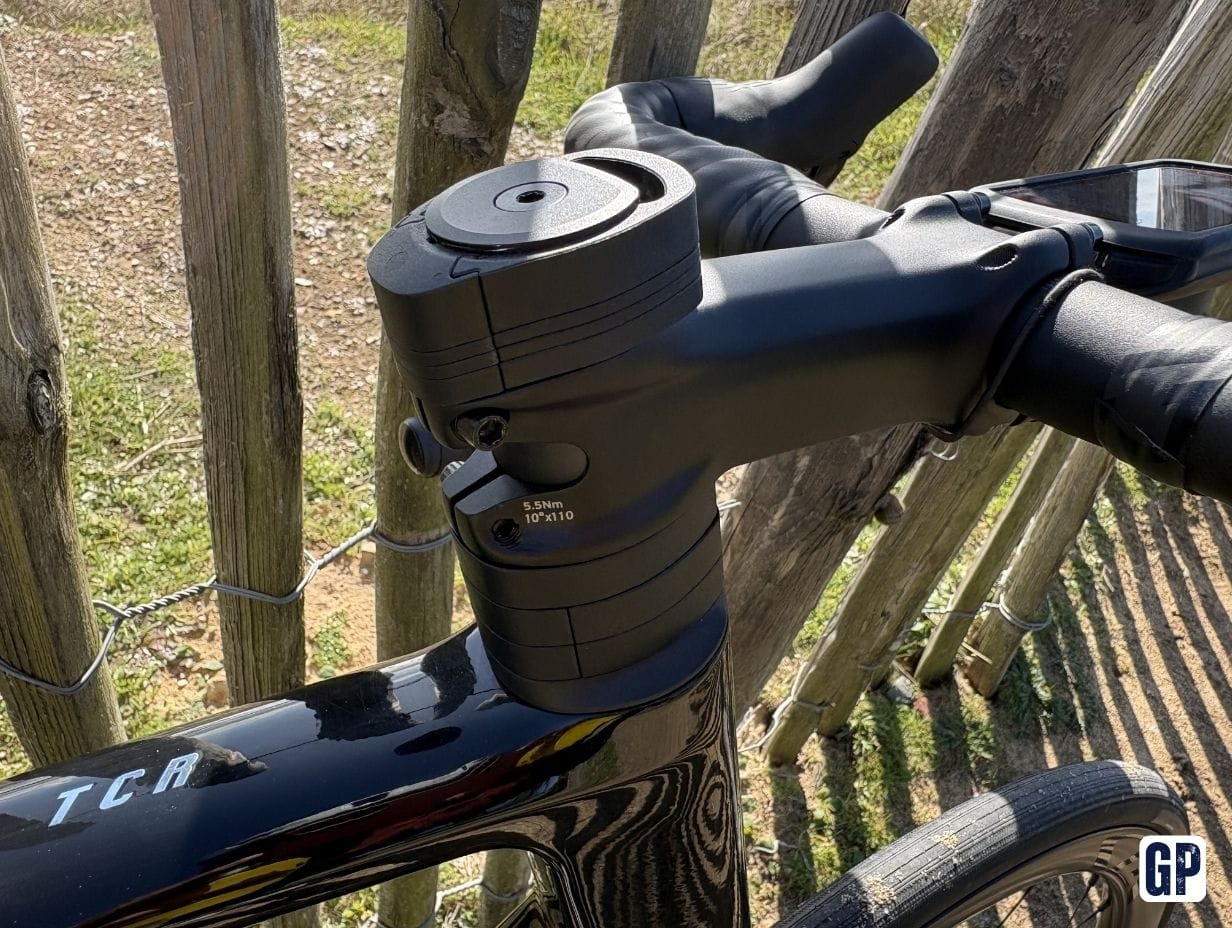
The frame uses an Advanced-grade composite, paired with an Advanced SL-grade fork with an OverDrive Aero steerer. This is precisely one of the points worth discussing.
At Giant, it remains hard to know exactly which fibres are used and what concretely distinguishes the Advanced, Advanced Pro and Advanced SL ranges. You understand the model hierarchy, but the technical read isn’t always straightforward.
OverDrive Aero allows clean cable routing and contributes to the bike’s identity. But it’s also a proprietary, or at least not very open, standard. That complicates replacing the stem or installing a cockpit from another brand. It’s probably one of the only real structural regrets on this TCR.
Equipment: coherent, but not exceptional
This Advanced Pro 1 Di2 build is interesting because it represents a very realistic mid-range.
It comes with:
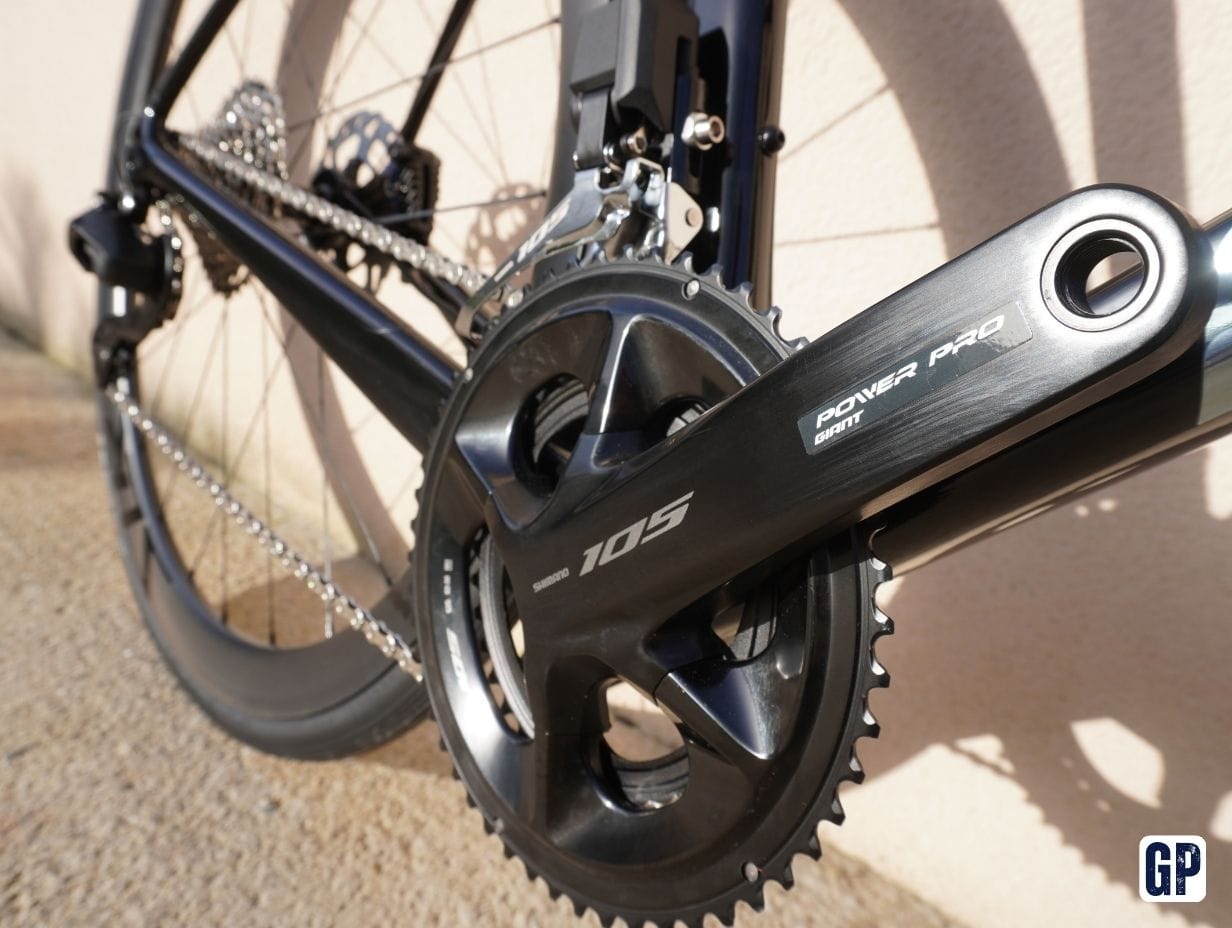
- a 12-speed Shimano 105 Di2 groupset
- a 52/36 crankset with Giant Power Pro power meter
- an 11-34 cassette
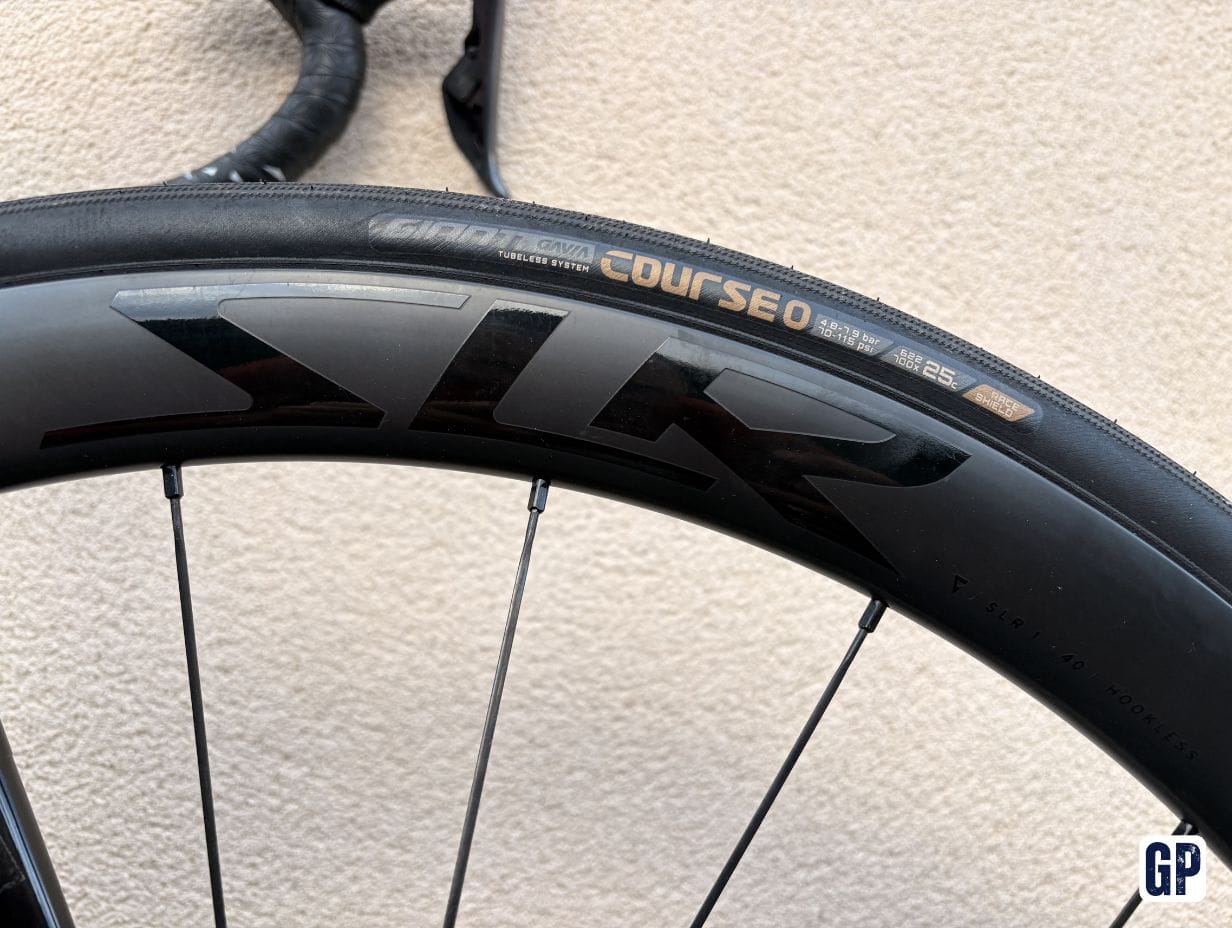
- Giant SLR 1 40 carbon wheelset
- Giant Gavia Course 0 tyres in 25 mm (measured at 28 mm)
- a claimed weight of 7.3 kg in size M (measured at 7.5 kg in size L).
A small detail, but Giant fits a KMC chain as standard, which I find slightly noisier than its Shimano counterpart.
On paper, the whole package is very coherent. Giant controls its bike end to end: frame, wheelset, components, power meter. For €4,700, the offer remains solid, especially in a market where many carbon race bikes quickly reach much higher price points.
But to be clear: the stock components don’t fully elevate the bike’s behaviour.
The Giant SLR 1 40 wheelset is reliable, robust and versatile. It gets the job done. But it doesn’t turn the TCR into a snappy or explosive machine beyond what the frame already offers.
Same goes for the Giant Gavia Course 0 tyres. They’re fine, but personally, I clearly prefer Continental GP 5000s, more convincing in rolling efficiency and feel.
So the stock build is serious, but not magical. It gives you a sound, well-equipped base, and that’s already a lot.
Cockpit: the real topic
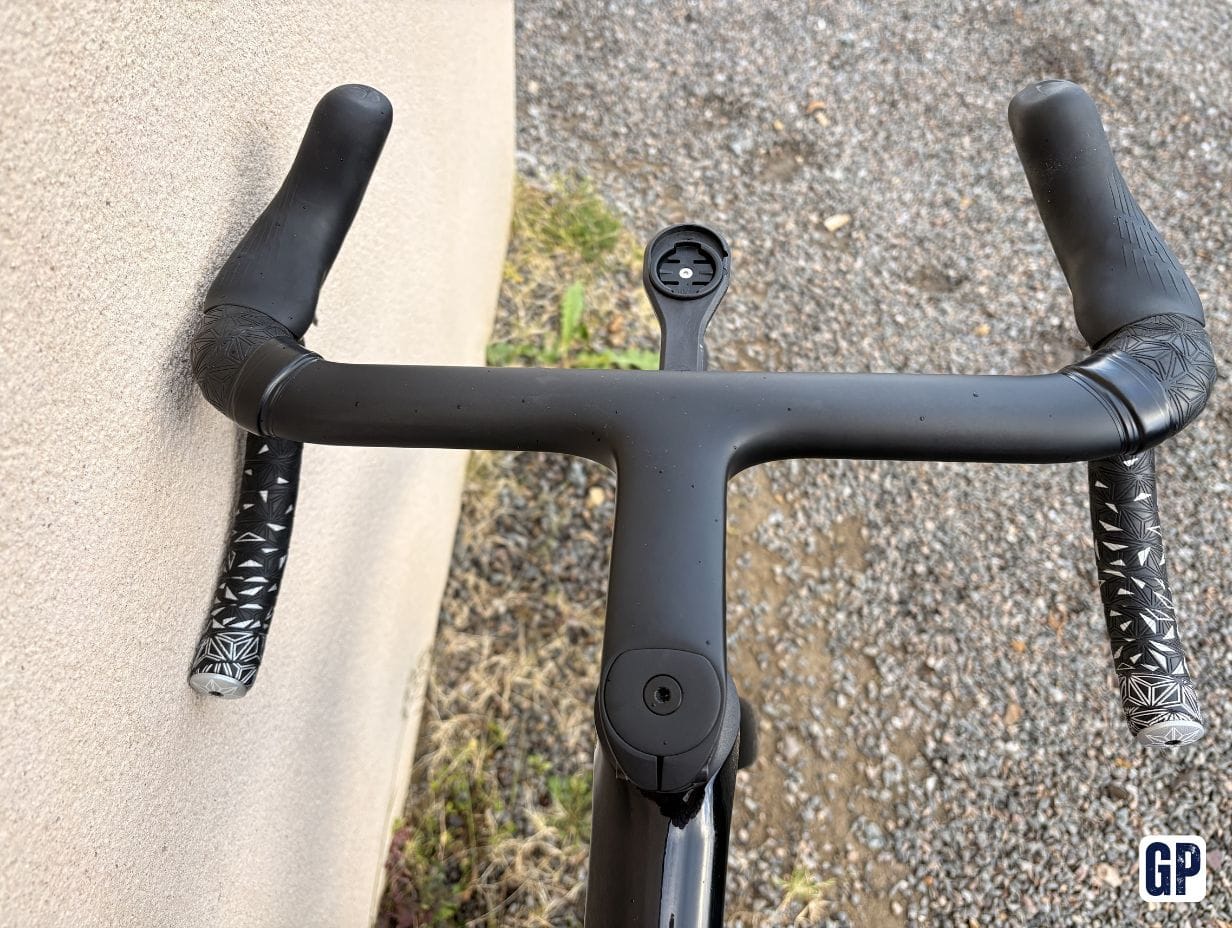
As standard, the TCR Advanced Pro 1 Di2 receives a Giant Contact SL handlebar and a Giant Contact SL AeroLight stem. The set-up is clean, relatively practical and simpler to adjust than a one-piece cockpit.
But on a modern race bike, especially beyond a certain price point, the absence of an integrated cockpit can leave a sense of incompleteness.
This is even truer when you know that even the highest-end TCR versions are not delivered with a one-piece cockpit. At €12,000, still having to deal with a bar-and-stem combo can feel frustrating.
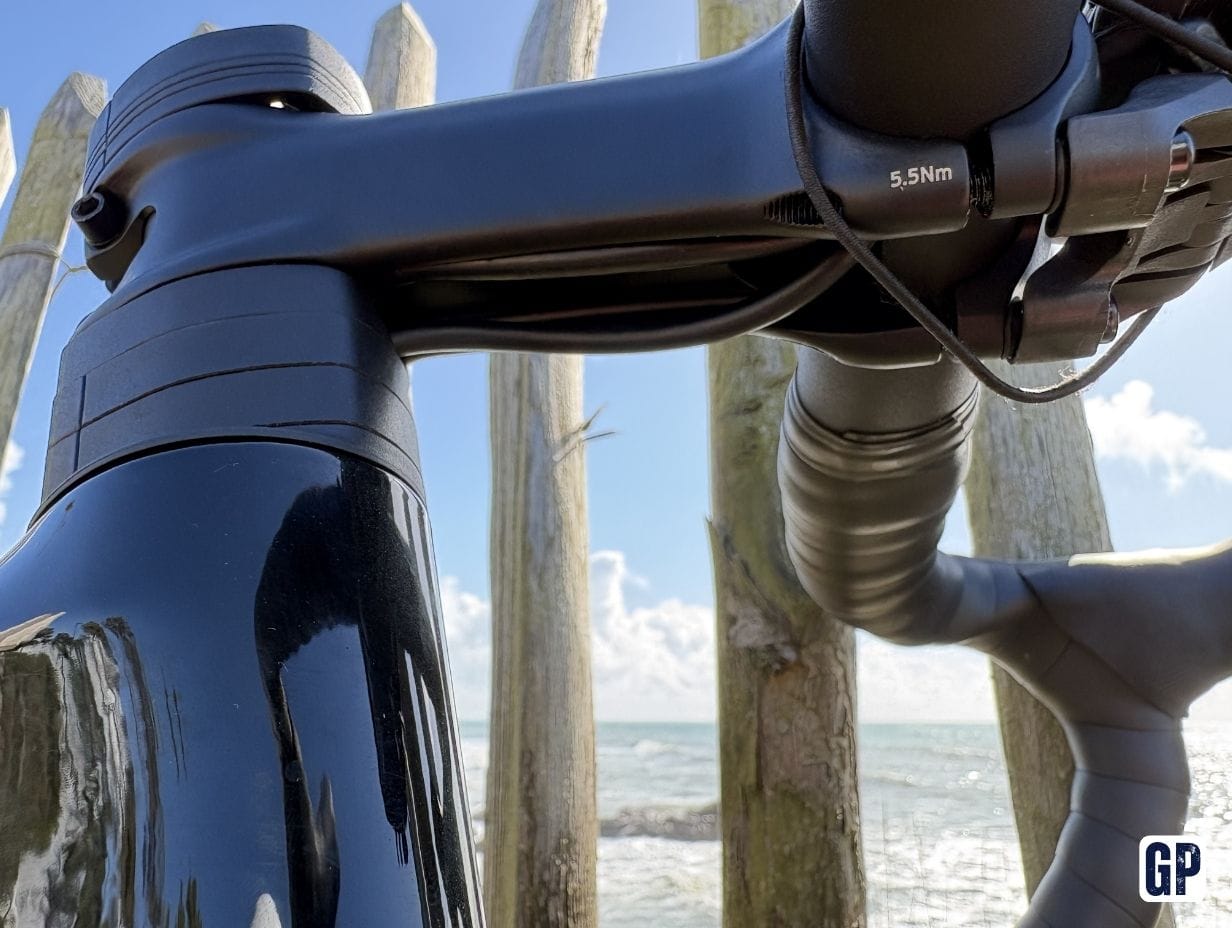
After fitting the Cadex cockpit, the bike clearly gained in visual coherence and cockpit feel. The result is cleaner, more modern, and the position felt more natural once everything was adjusted.
There is, however, a positive point to highlight: on the mid sizes, Giant offers stem and crank lengths that are fairly coherent. In size M/L, for example, the 110 mm stem and 170 mm cranks make good sense for a race bike.
On the smaller sizes, however, the absence of even shorter cranks is a pity. The bar width also remains a bit too large for my taste, especially in a market where many riders now seek narrower cockpits.

On the road: stiff, efficient, not that easy
In the field, the Giant TCR is close in spirit to a Scott Addict RC. You get that idea of a light, taut, fairly direct race bike, able to climb and accelerate without feeling like it’s hauling unnecessary mass.
But I find it slightly less easy than the Scott. And a bit heavier in feel.
For me, the Scott Addict RC remains one of the current benchmarks in this segment. The TCR comes close, but doesn’t quite match it.
That doesn’t mean the Giant lacks qualities. On the contrary. The frame remains relatively stiff for a climber-oriented bike. I didn’t feel any particular limit around the bottom bracket, even during hard sprints or sharp accelerations.
The TCR responds well, stays precise, and keeps that classic race bike feel. It isn’t soft. It doesn’t over-dampen. It doesn’t try to smooth everything out. It’s a bike that asks for a minimum of physical commitment to give its best.
This is probably where some may be mistaken. The TCR is accessible in price and spec, but it isn’t an easy bike in the sense of comfort or forgiveness. It remains demanding, with very present stiffness, proportional to its slender tubes.
You need a bit of fitness to really get the most out of it.
Comfort and versatility
Comfort is pretty good, especially for a race bike in this category. This isn’t an endurance bike, but the TCR doesn’t beat you up unnecessarily.
The 28 mm (measured) tyres and 40 mm carbon wheels contribute to this balance. The bike stays lively without being harsh. On long rides, it holds up well and doesn’t feel like it wears you down through excessive vertical stiffness.
I also took it onto white roads, with another wheelset. That’s obviously not its natural terrain, and the stated clearance of 33 mm (though 34 mm fits without issue) remains limited for truly mixed use. But it shows the bike can occasionally handle imperfect roads or smooth rolling tracks.

The TCR’s positioning is interesting because it finds itself caught between two logics.
On one hand, the Giant Propel has come on a long way. It’s lighter, easier to ride, less single-mindedly aero than before. For many riders, it could almost become Giant’s one do-it-all race bike.
On the other, the TCR retains a more reassuring identity for those looking for a light, lively bike suited to rolling or mountainous routes.
My take on the Giant TCR
The Giant TCR Advanced Pro 1 Di2 remains a very coherent bike. It doesn’t try to reinvent the race bike, and that may well be what still makes it strong.
It’s light, stiff, well equipped, well priced and versatile enough to suit many serious riders. It isn’t the most spectacular bike on the market. Nor is it the one that immediately feels the easiest. But it remains a safe bet.
You just shouldn’t mistake it for a comfortable and docile bike. The TCR asks for some legs. Its stiffness, direct behaviour and racing DNA require a certain level of fitness to make the most of it.
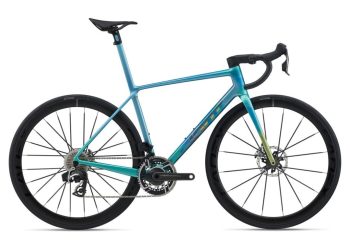
So the TCR remains what it has always been: a true race bike, serious, timeless, and still perfectly legitimate in the era of slimmed-down aero bikes.
Not the most exciting. But probably one of the easiest to recommend without much risk.