
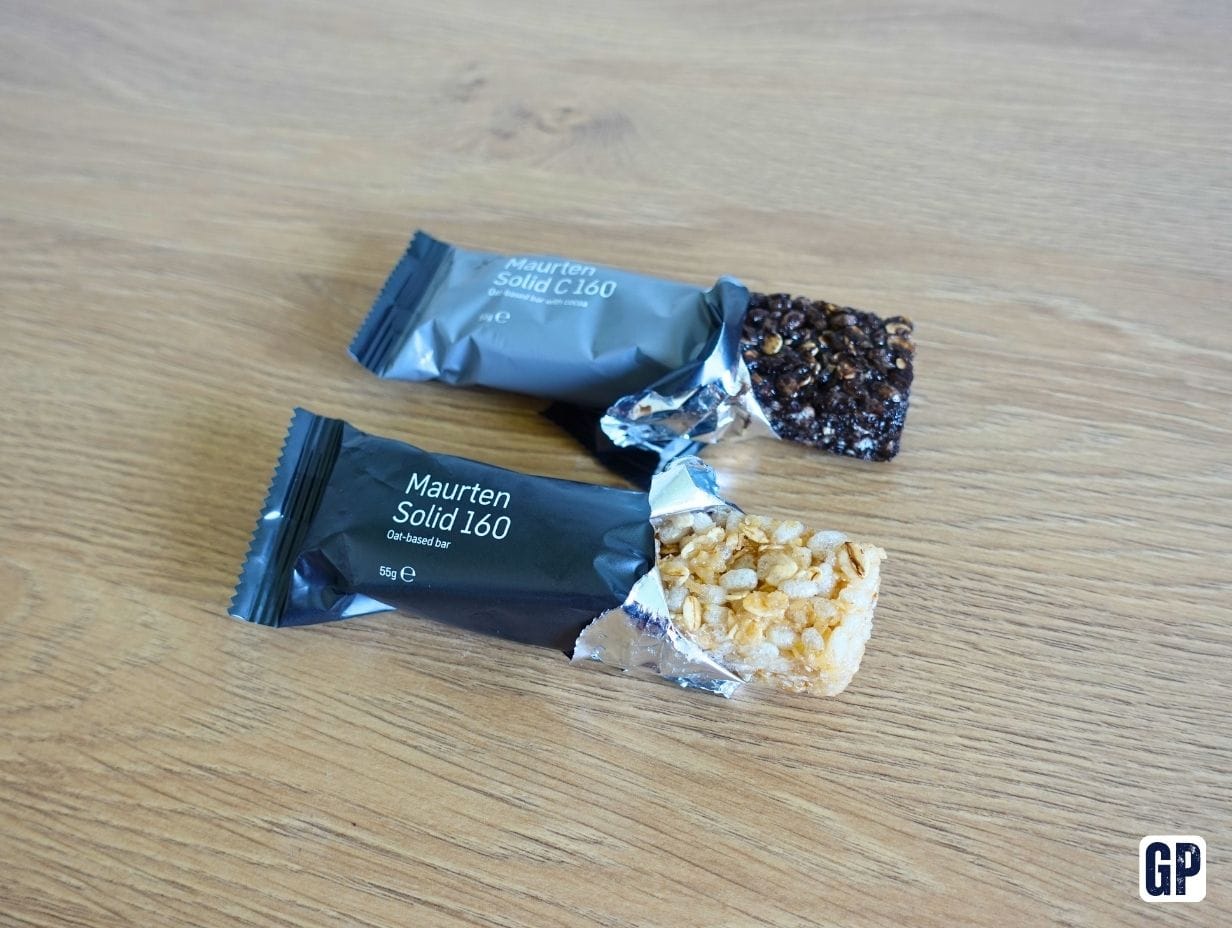

Summer is here. Many cyclists will be lining up for a one-day cyclosportive. So here is how to approach it from a nutrition standpoint.
Because, as we say in the sport: “it’s better to fart with a full belly than with an empty one”.
Preparation: train your gut like your legs
To be ready on the day, you need to practice eating in training and prepare your nutrition strategy.
Plan one day each week of gut training, where you ingest the number of carbs targeted in competition: sports drink, gels, Rice Crispies, rice cakes, etc.
There is no secret: for it to become automatic, fueling during effort has to be part of your sessions.
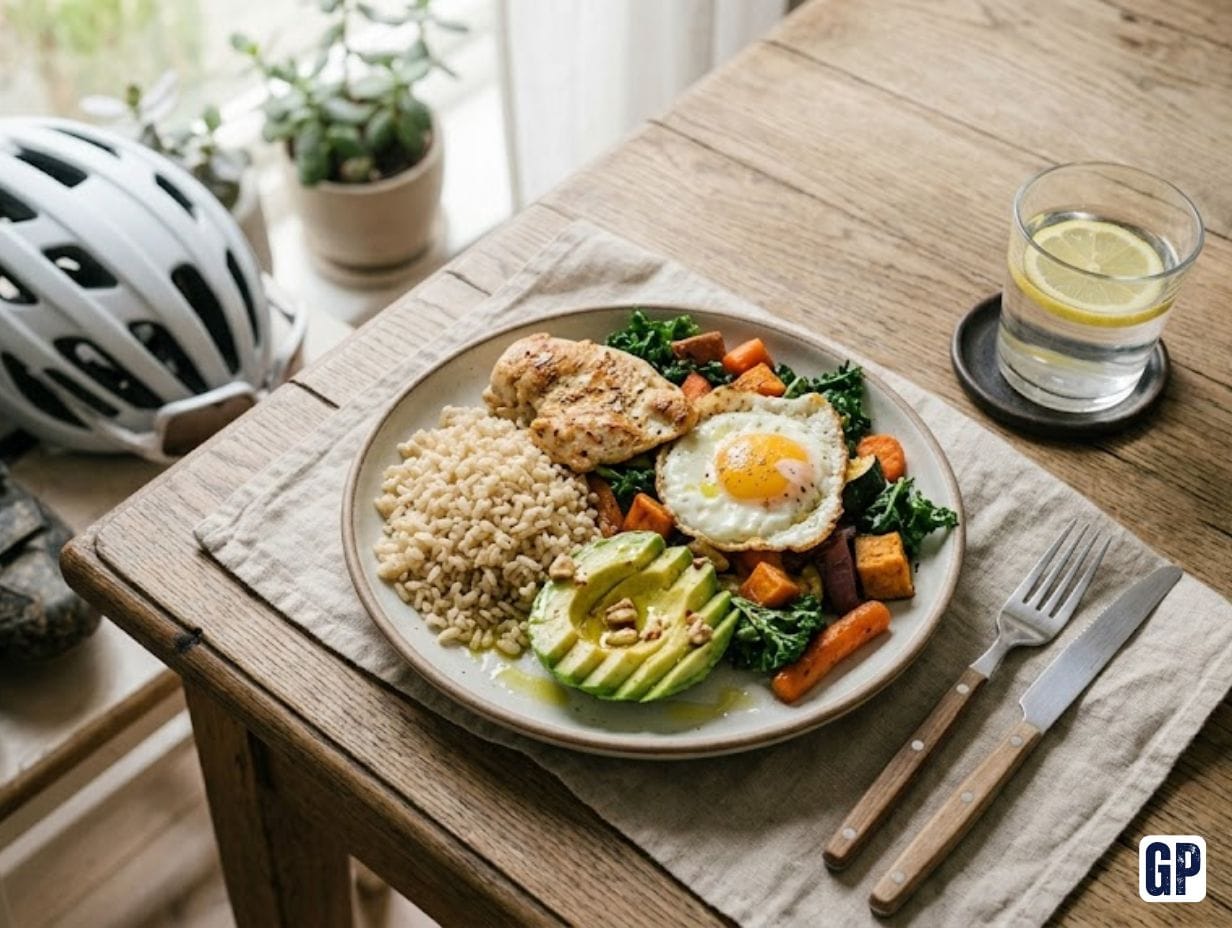
Assume your nutrition is one of the keys to your performance. No fuel, no power to move forward. No training, no result. Got it?
Good habits to avoid forgetting to eat
Here are a few tips to remember to eat and drink during the event, and also in training:
- write a reminder on your stem
- every 30 to 45 minutes, set a nutrition/hydration alarm on your head unit or watch,
- identify on the route the most suitable moments: in the valley before a pass, at the top of the pass before starting the descent, after the second GPM…;
- take advantage of race lulls: there is always a moment when the race eases – that is the right time to reach into your pocket.
How many carbs to aim for per hour?
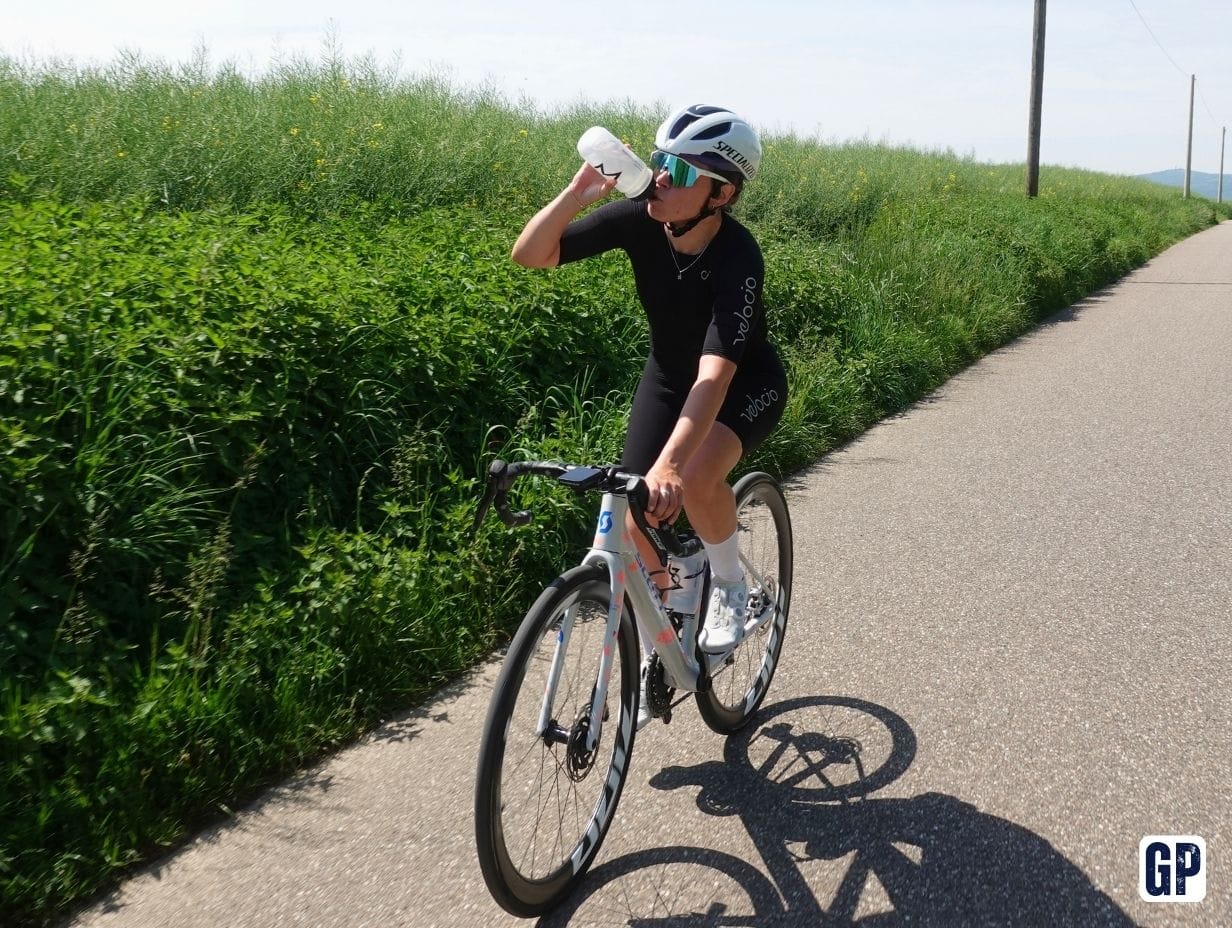
In an event like L’Étape du Tour, if your goal is to finish, I recommend aiming for 60 to 80 g of carbs per hour.
If you are targeting high intensities, you can aim for 90 to 120 g of carbs per hour of racing.
But you must train to handle these amounts during your rides. Otherwise, you risk ending up doubled over halfway through the race.
Read the course to time your food intake
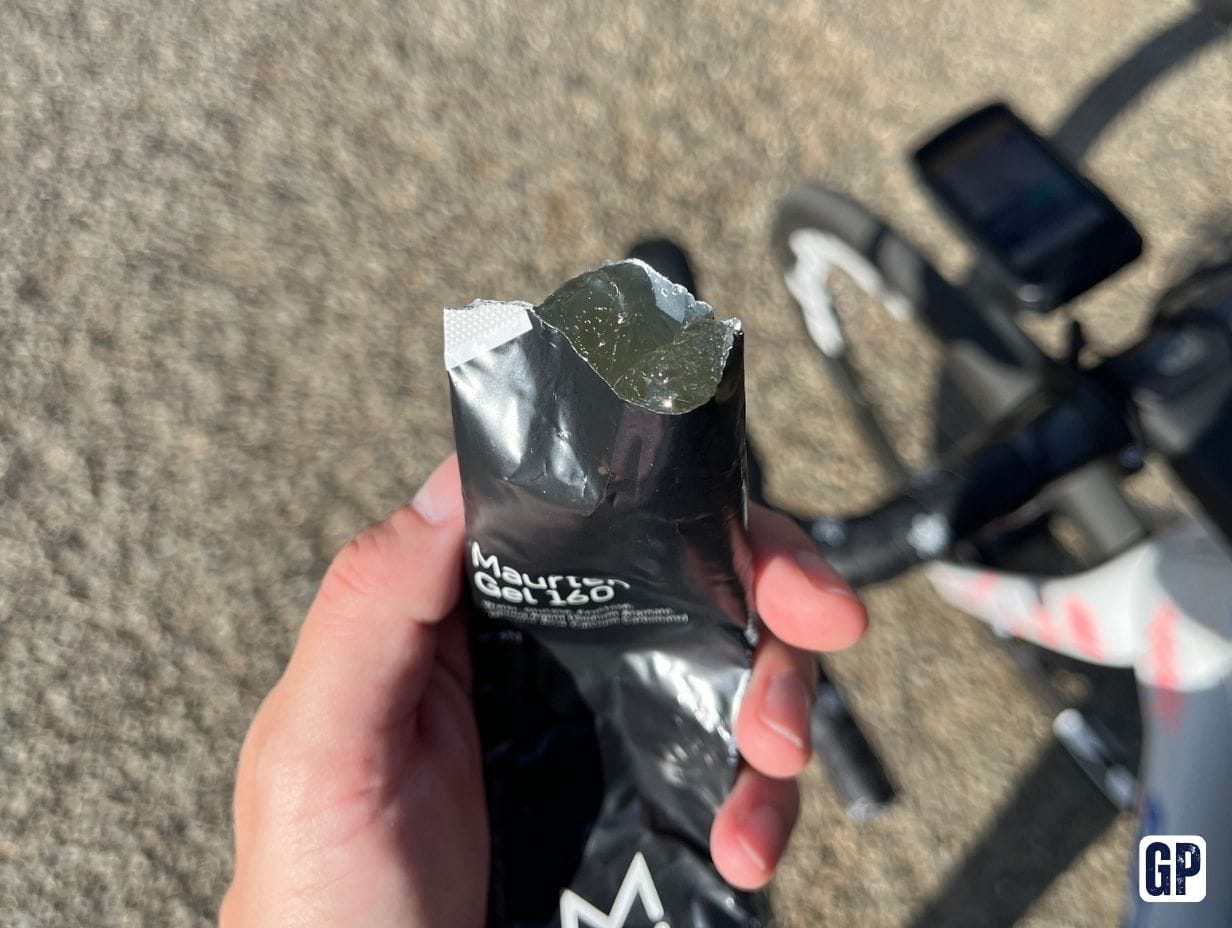
So look at the course and set markers according to the profile.
You can stick the profile on your stem with the different moments that are best for fueling. It is the same kind of logic as for preparing a gravel event: the more you anticipate, the less you improvise on race day.
Three days out: increase carbs
Three days before the race, increase the share of carbs on your plate.
For a race as long as L’Étape du Tour or La Marmotte, especially if you are not used to long efforts, it will be important to increase your portion of starchy foods in the three days leading up to the event to build up glycogen stores.

Honestly, that is pretty cool, right? You get to eat more than usual!
We often think about the Pasta Party the night before the race. Yes, it matters. But you can also go further and increase from three days out to build solid reserves.
It also helps ease the digestive system the day before the event, because it will already be solicited enough on race day between the effort, the heat and sports nutrition.
Cut back on fiber to limit nasty surprises
As you increase carbs, also reduce fiber to limit gastric issues on race day. Even if there are toilets on the course, it is better to avoid needing them…
The idea is also to make a bit of room in the stomach. To do this, I recommend avoiding whole grains, as well as vegetables and fruits that are hard to digest: onions, bell peppers, raw apples, etc.
For example:
- chicken skewers, white rice, a little tomato sauce and cooked carrots or grated carrots with lemon;
- white fish with steamed or roasted potatoes, and roasted zucchini;
- veggie option: an omelet or tofu, pasta, mushrooms with a little soy sauce.
These are just ideas, of course. It is up to you to dress them up to your taste.
The day before: a complete meal and a focus on hydration
After your pre-race opener, between 1 h and 1 h 30, remember to have a complete meal and to drink well throughout the day.
You can even prepare yourself a bottle of electrolytes during the afternoon to stack the odds in your favor on hydration and mineral salts.

In the evening, I recommend eating enough, but not too much in quantity.
Why? To sleep well, but also because if the reserves have been built over the previous three days, you do not need to overload your plate.
Prepare your feed supplies before bed
I recommend preparing your fueling kit the day before.
That way, when you pin on your race number, you can put your bars, gels, fruit purées, etc. straight into your jersey.
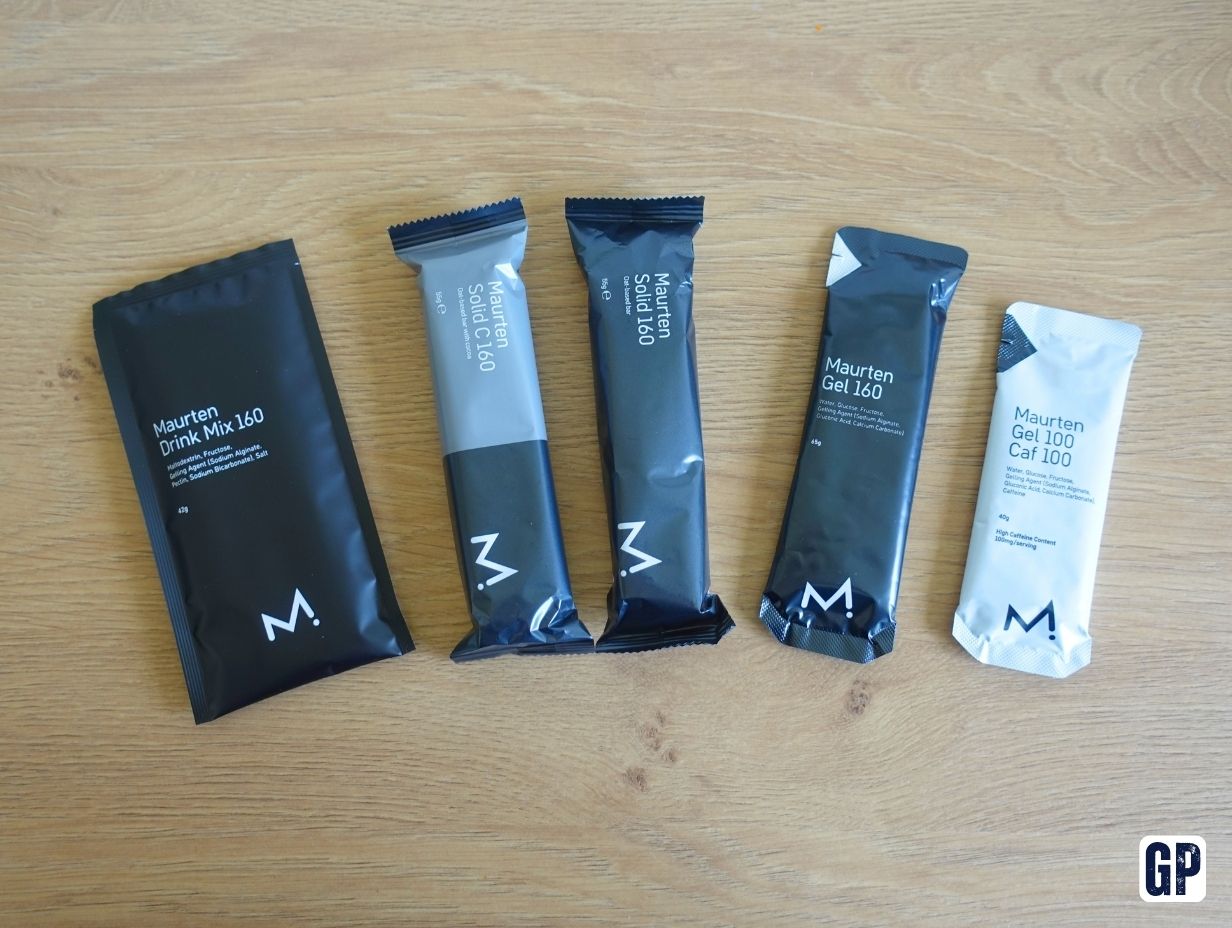
Also set your alarms or your markers on your head unit so you do not forget to eat and drink during the event.
Race day: do not try anything new at breakfast
On race day, have your usual breakfast, already tested on training days.
Wake-ups are often very early. Ideally, have it three hours before the start of the race. So this is not the time to dream up a brand-new breakfast.
First, because your body needs easy-to-digest ingredients. But also because of stress.
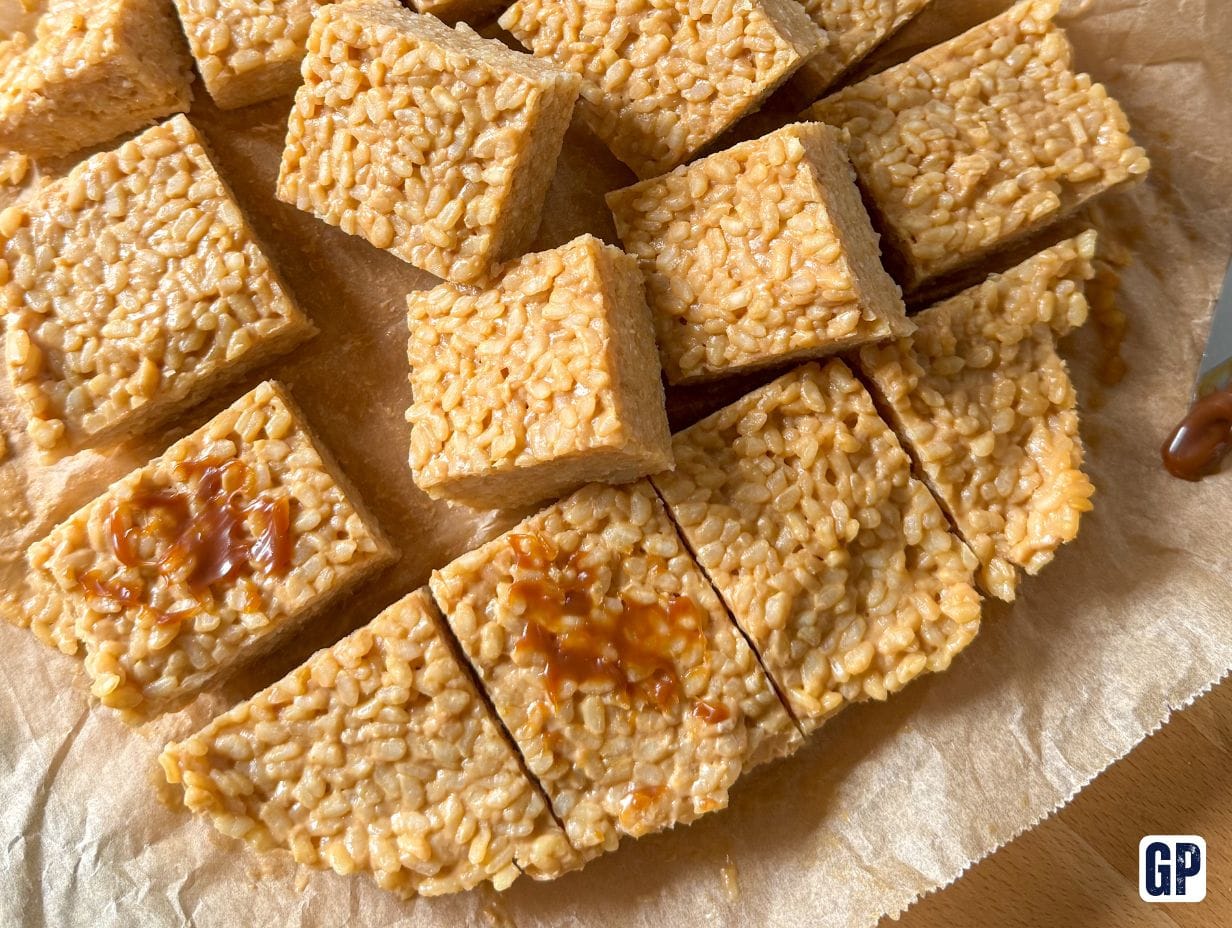
Unless you are a Zen master of stress management, there is always a bit of apprehension before a start. Digestion can be disrupted, and that is normal. So I advise you to stick to your habits.
Simple, easy to digest, carb-heavy and not too fatty.
A few ideas:
- lactose-free rice pudding with a banana and an omelet;
- banana bread with a yogurt and a fruit you digest well;
- sourdough bread, two slices of ham, a little butter and a fruit;
- pasta with ham if you insist on eating pasta.
Between breakfast and the start
During the three hours between breakfast and the start, do not forget to hydrate.
If eating three hours before is too difficult for you, the Gatosport from Meltonic, or a homemade version, can be a good alternative, because they are very easy to digest and quickly assimilated by the body.
During the race: vary, anticipate, listen
Once you are on the start line, begin your nutrition and hydration strategy. And above all, listen to your body.
I recommend varying your different food intakes: gel, bars, fruit purée, homemade crepe sweet or savory…
When you stop at the aid stations, remember to take on something salty, too. This will help you avoid getting sick of sweet flavors, enjoy the taste more, and top up your mineral salts.

And above all, one last tip, even if I already mentioned it in the last article: remember to eat and drink before you get hungry. Otherwise, beware of hypoglycemia and dehydration.