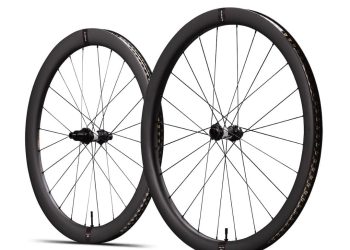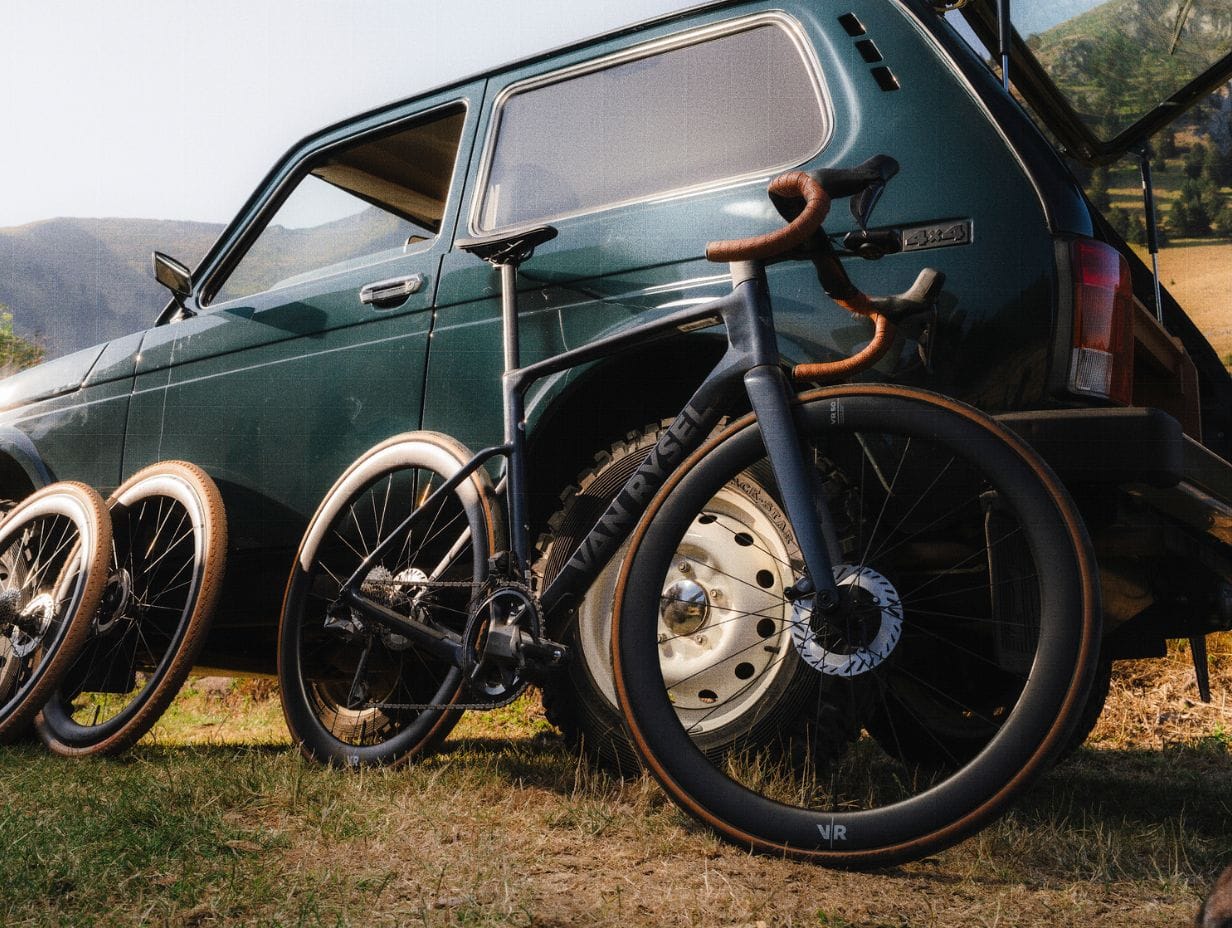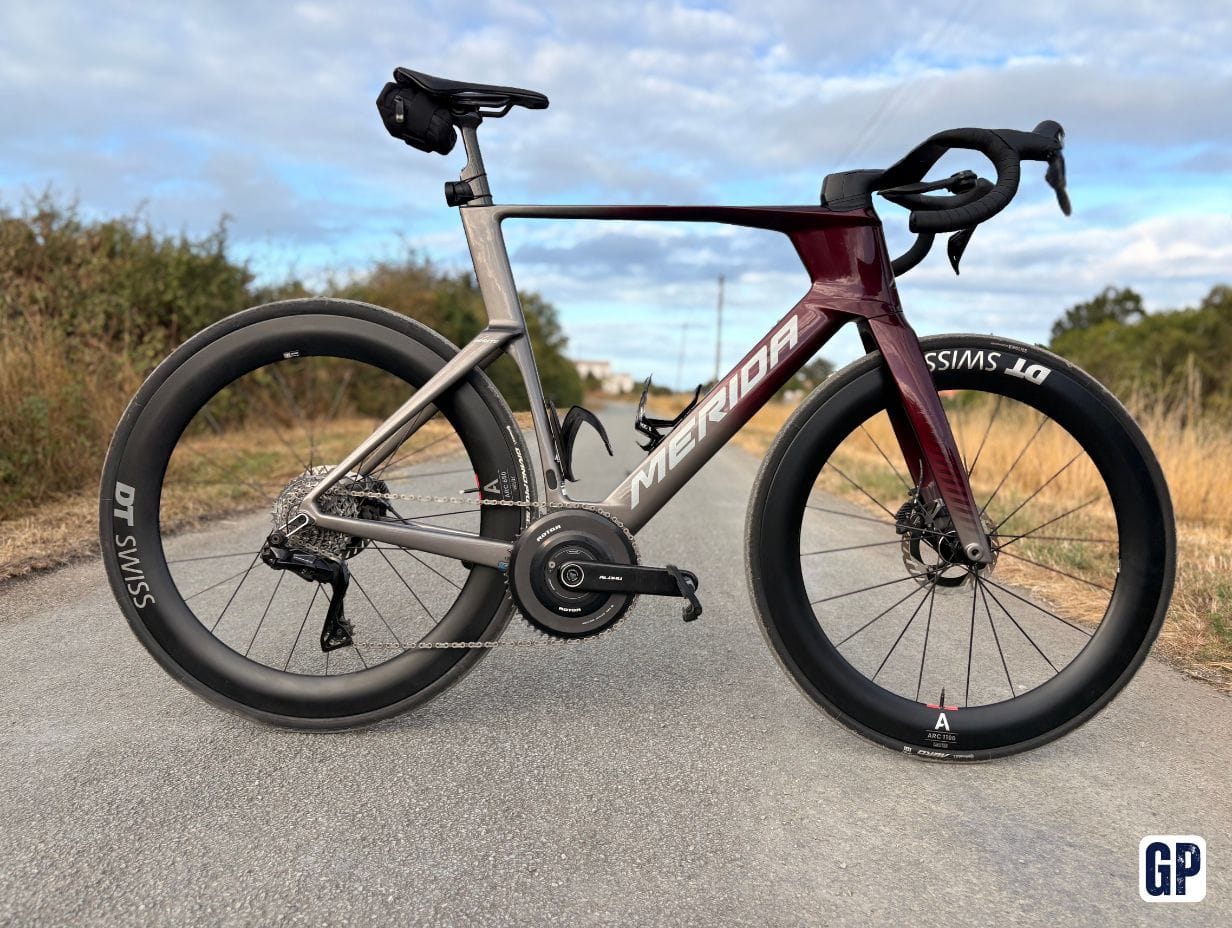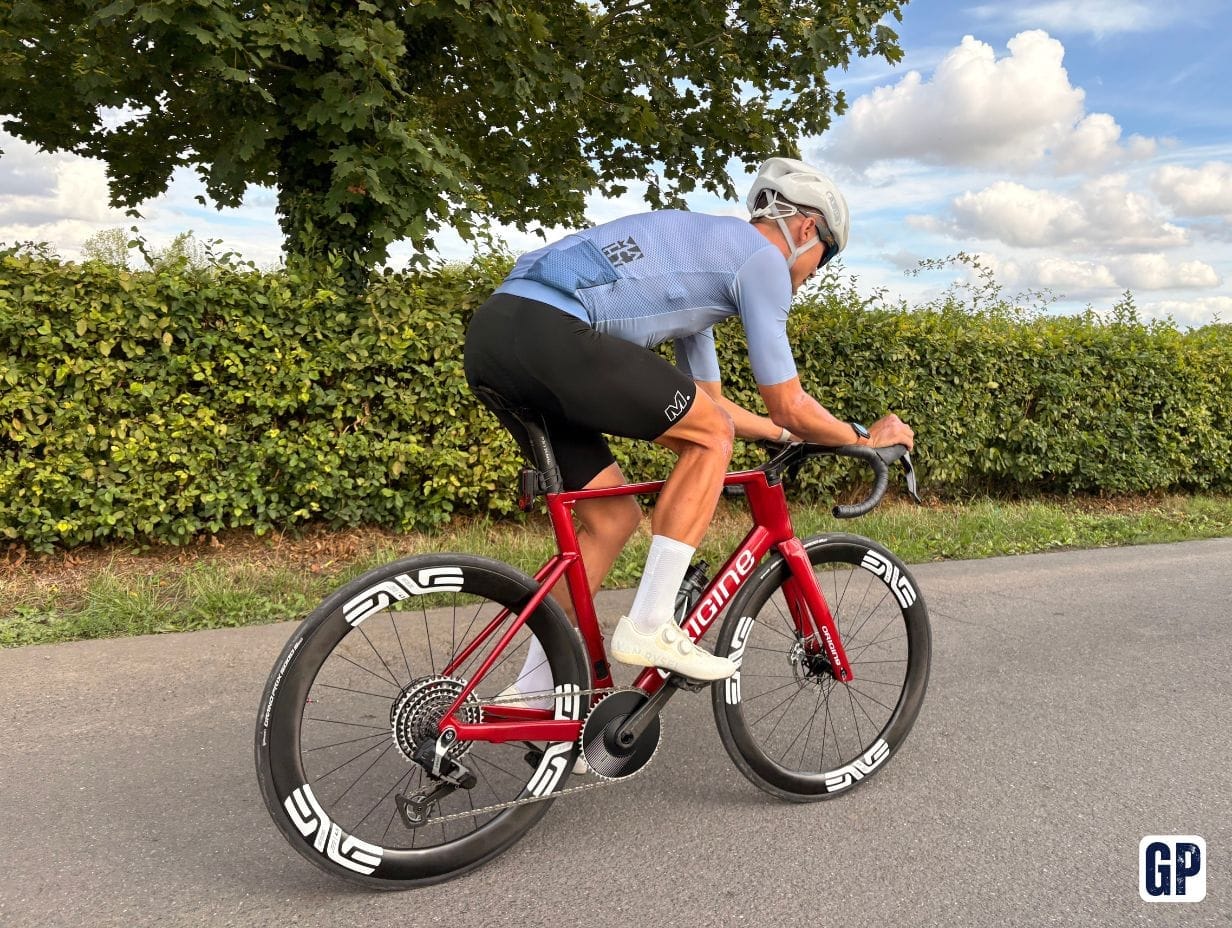

It’s been almost a year since two pairs of Reserve Turbulent Aero wheelsets have been in regular rotation on my bikes, with a real-world use case: varied weather, different tyres,… Several months to see whether the promise still holds once the novelty has worn off.
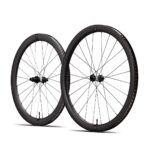
The two models tested don’t tell quite the same story. The Reserve 42|49 TA target everyday aero performance, with a modest profile depth. The Reserve 57|64 Turbulent Aero much more clearly embrace the terrain of racing, fast rides and pure speed.
Strengths:
- Remarkable stability, including on the 57|64
- Easy tubeless setup with several tyres tested
- Fillmore valves are very pleasant day to day
- Reliability confirmed after several months
Could be better
- High entry price, especially if you move up the hub range
And after several months, one thing stands out quite quickly: Reserve does not make carbon wheels that are spectacular only on a spec sheet. The brand mostly delivers very tidy, reliable, stable wheels, but not necessarily supple or suited to every rider.

Two profiles, one Reserve philosophy
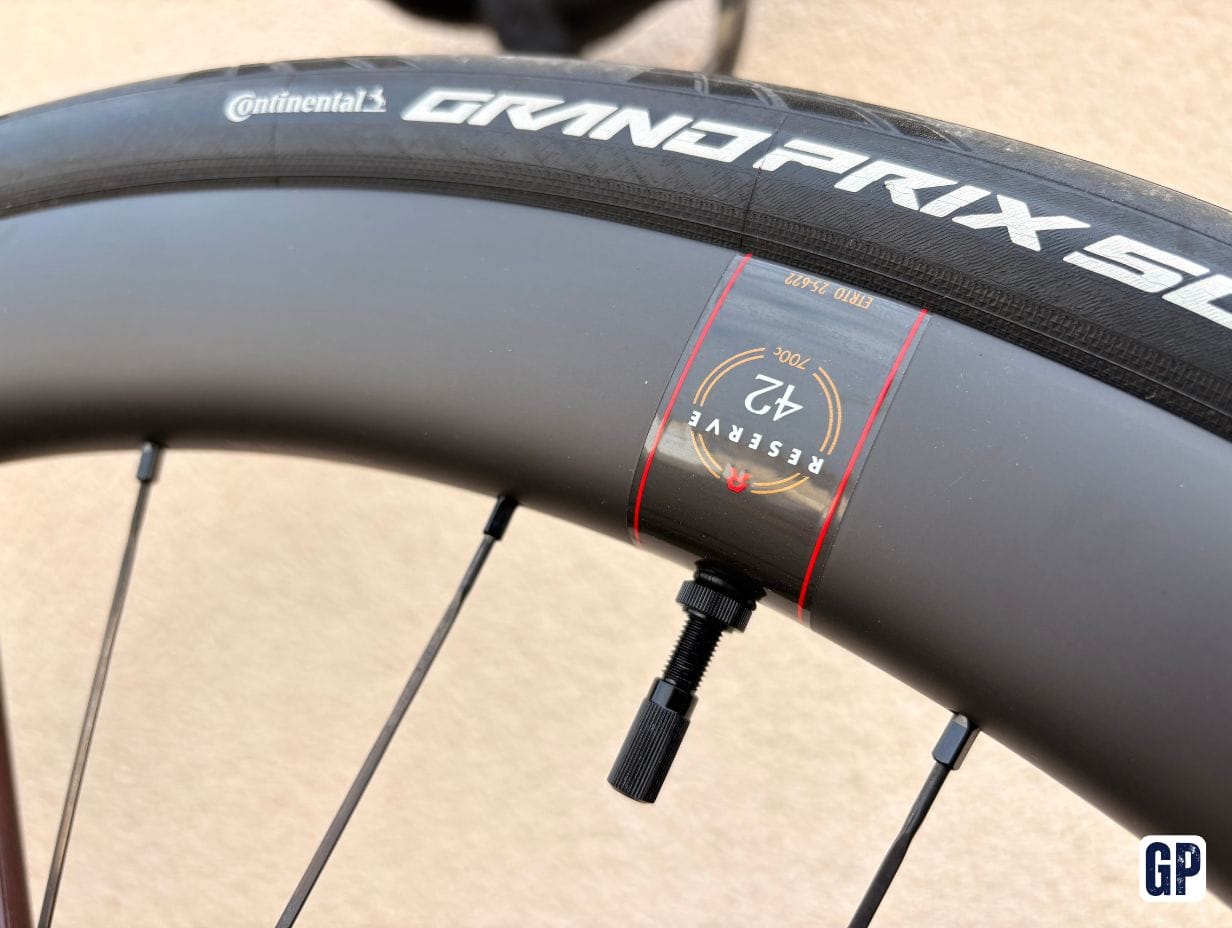
The 42|49 TA were ridden mainly on a Cannondale Synapse, with DT Swiss 350 hubs. It is arguably the most versatile build in the range: 42 mm at the front, 49 mm at the rear, a differentiated internal width of 25.4 mm front and 24.8 mm rear, and a claimed weight of 1429 g in DT 350.
In practice, this is a fairly light wheelset given the rim height. Nothing miraculous, but an interesting balance between depth, width and mass. The internal width also lets you fit modern tyres between 29 and 40 mm, which broadens the scope of use beyond perfectly smooth road surfaces.

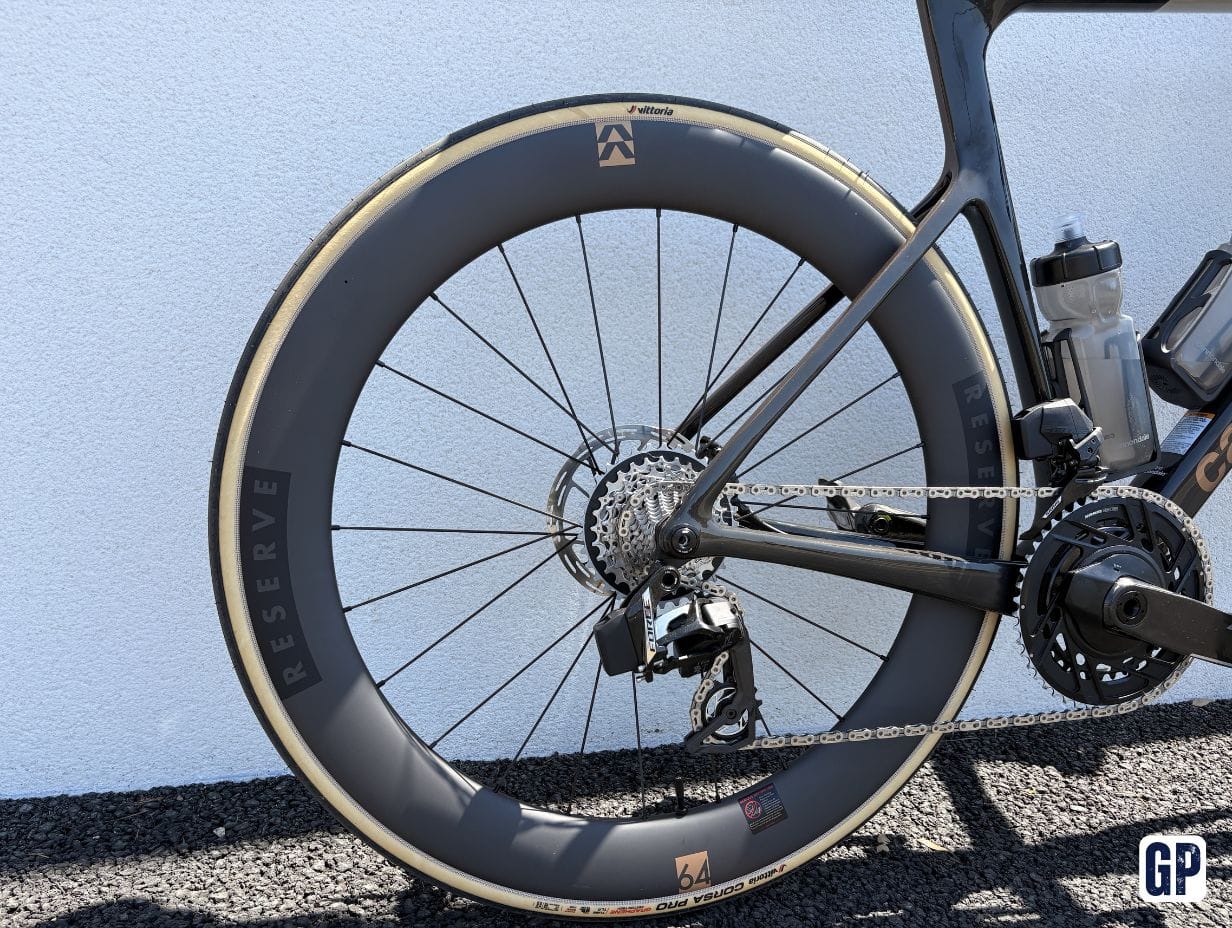
The 57|64 shift clearly into a different register. With 57 mm at the front and 64 mm at the rear, Reserve embraces a faster, more race-focused wheelset, designed for breakaways, sprints and rides where you aim to hold speed. The tested model was equipped with DT Swiss 240 hubs, with a weight of 1574 g.
Tubeless setup: simple, clean, with no nasty surprises
Mounting the tyres never posed any particular difficulty. Vittoria, Continental, standard widths or slightly more generous: the tested tyres went on cleanly, without a pointless fight.
The Reserve rim tape is perfect, and the supplied Fillmore valves are among the details that truly change everyday use. They are still in Presta format, but with a much more pleasant air flow. To seat a tyre, adjust pressure or simply top up before heading out, it is a real plus.
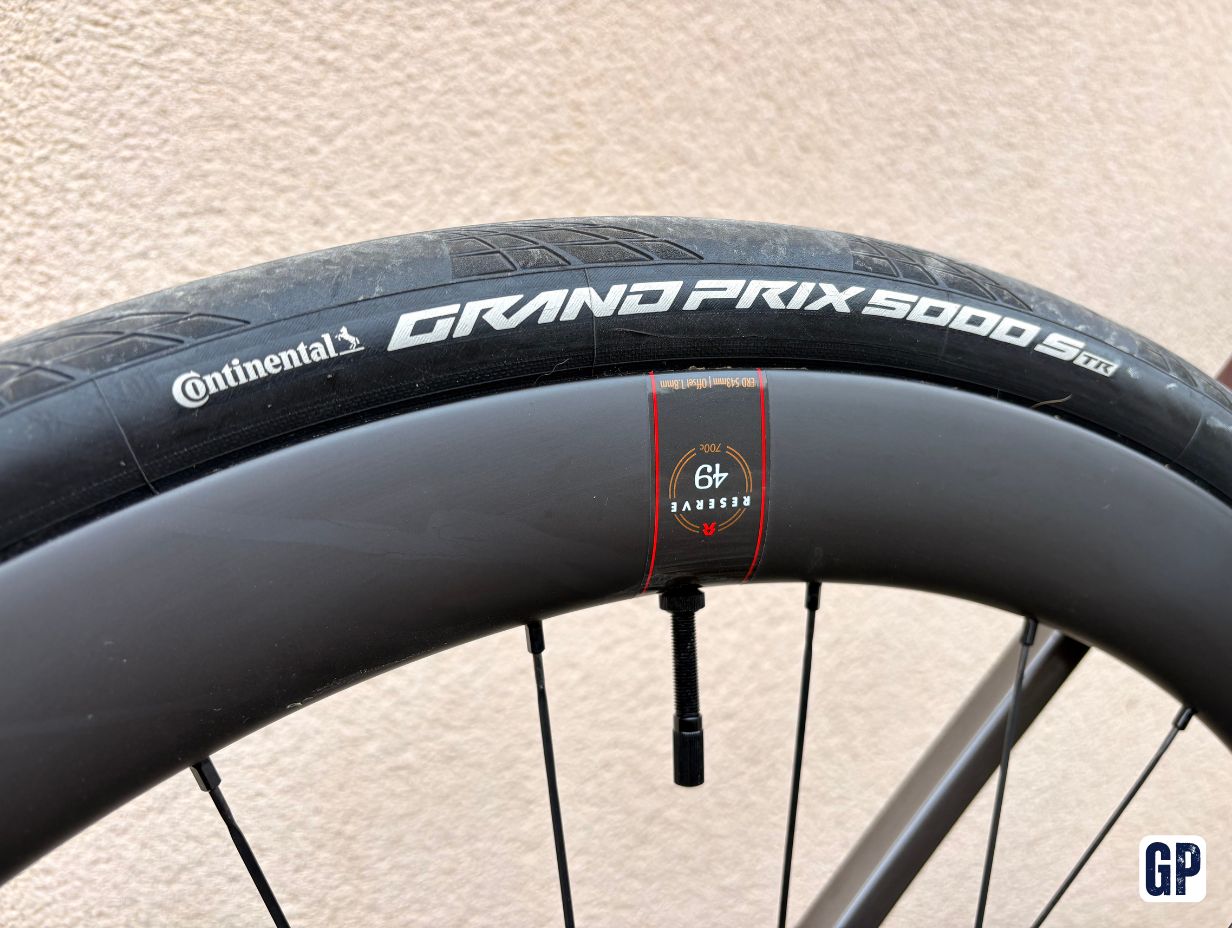
It is not the most spectacular detail on a product sheet, but on a wheelset used regularly, the quality of the valves and rim tape ends up counting as much as a few grams saved elsewhere.
The 42|49 TA: versatile, but not really comfortable
Reserve classifies the 42|49 for endurance and everyday aero performance. That is understandable: the height remains reasonable, the front wheel does not pin the steering, and the weight still lets you climb without feeling like an anvil.
But the word endurance needs nuance. On the Cannondale Synapse, the 42|49 tended to stiffen the bike’s overall behaviour. The Synapse is normally a comfortable road bike, designed to filter vibrations and ride long. With these wheels, it becomes sharper, more reactive, but also less plush.

That is not a flaw if you want to give an endurance bike more character. However, for an average sportive rider who prioritises comfort, forgiveness and long hours without excessive fatigue, it is not necessarily the most obvious choice.
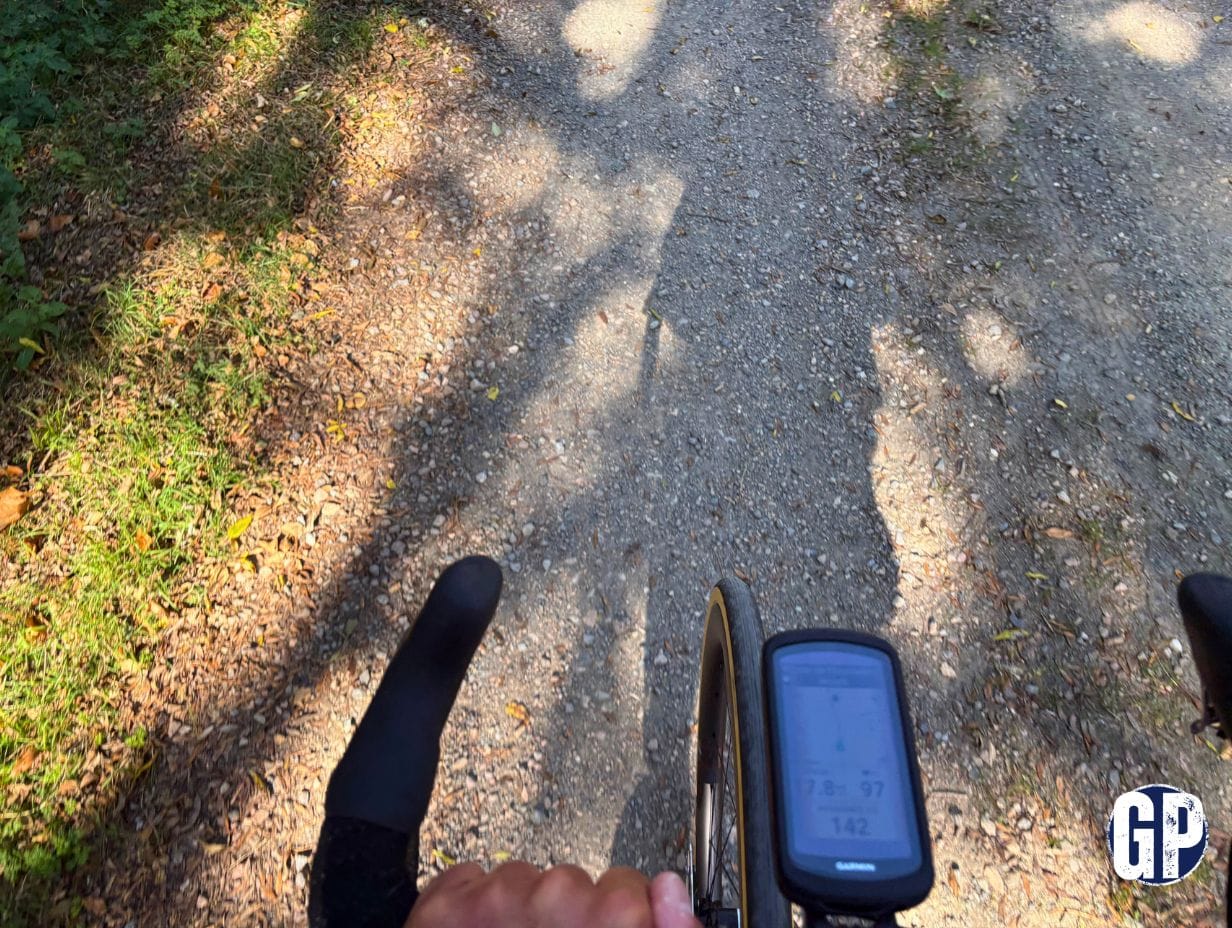
The interesting point is that this generous internal width lets the 42|49 step outside ultra-strict road use. With suitable tyres, they can hold their own on broken roads, rough sectors or mild mixed sections. You can also see this trend on other modern wide-rim carbon wheels, like the Zipp 303 Firecrest.
But do not confuse width with softness. These Reserve are still demanding wheels, with real lateral support and a construction that sends back a lot of information. They are lively, precise, efficient. Not especially restful.
The 57|64: taller, yet surprisingly reassuring
With a 64 mm rear wheel, you might fear a sensitive, exclusive wheelset, a bit intimidating as soon as the wind picks up. That is not what the test revealed.
The generous external width clearly works in favour of stability: 34.3 mm at the front and 32.5 mm at the rear. The 57 mm front wheel remains easy to handle, and the rear brings that inertia characteristic of deep profiles as speed rises.
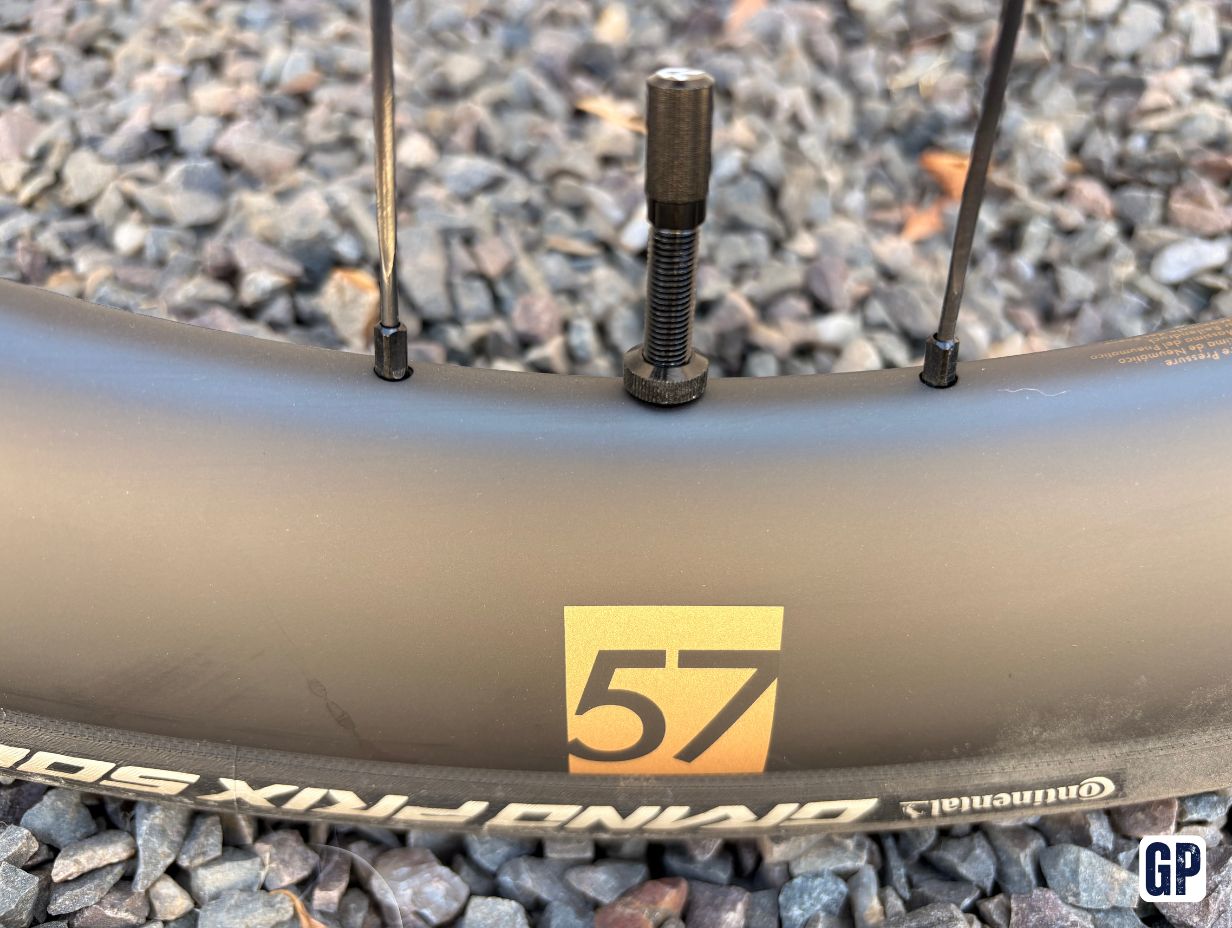
This may be the most striking thing about the 57|64: they make you want to ride fast, without creating that constant tension that some deep wheels can impose. On the different bikes used, they never gave that impression of a wheel that takes you by surprise or drags the bike off line.
At high speed, the rear wheel provides real support. You feel the bike carry speed, the whole setup keeping momentum, especially on rolling sections, fast false flats or strong pulls in a paceline.
The 57|64 is still a race wheelset, though. It will be more relevant for a rider who already rides fast, likes taut bikes, and knows how to exploit the inertia of a deep rim.
DT 350 or DT 240: the upcharge doesn't show in the legs
The two tested wheelsets also let you compare two hub builds: DT Swiss 350 on the 42|49, DT Swiss 240 on the 57|64.
The DT 240 is lighter and more high-end. That is factual. But on the road, the difference in feel did not really justify the price gap. The DT 350 is already a reliable, smooth, proven hub. And on wheels of this level, it does not feel like it holds the set back.
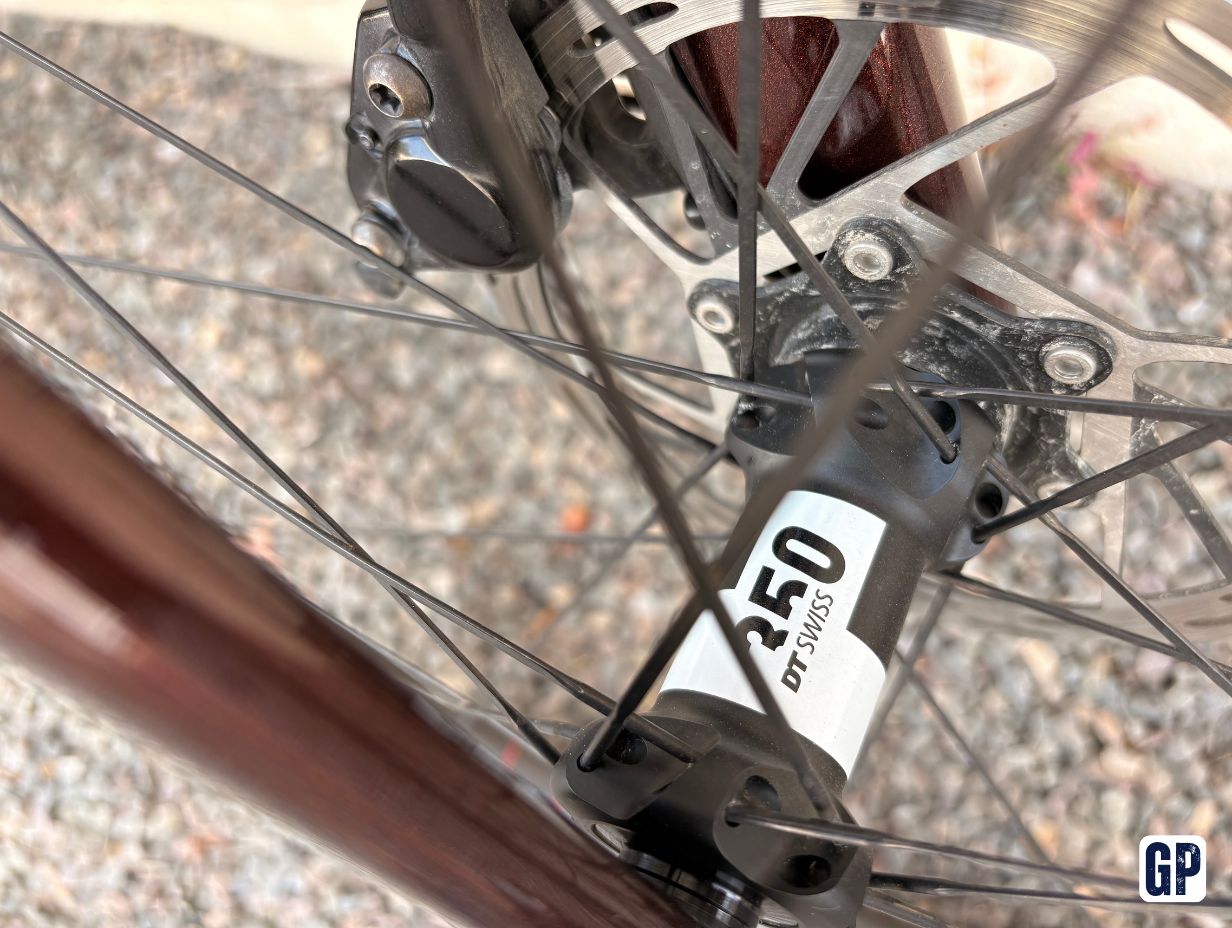
For reference, the 42|49 are listed at €1,799 with DT 350, €2,299 with DT 240 and up to €2,799 with DT 180 / DT 180 DICUT depending on configuration. The 57|64 follow the same pricing logic.
Unless you are doing a very specific build, chasing minimum weight or building a bike dedicated to the mountains, the DT 350 is probably the most rational choice. It keeps the price in check without noticeably degrading the experience.
Reliability: this is where Reserve scores points
After so many months of use, under varied weather conditions, the mechanical report is very good. No play detected, no spoke losing tension, no issues on the hub side, no finicky rim tape, no nasty surprises with the valves.
This is often where a high-end wheel is truly judged. The first rides say a lot about behaviour. The following months tell whether the design holds, whether the build stays tidy, whether the invisible details were truly under control.
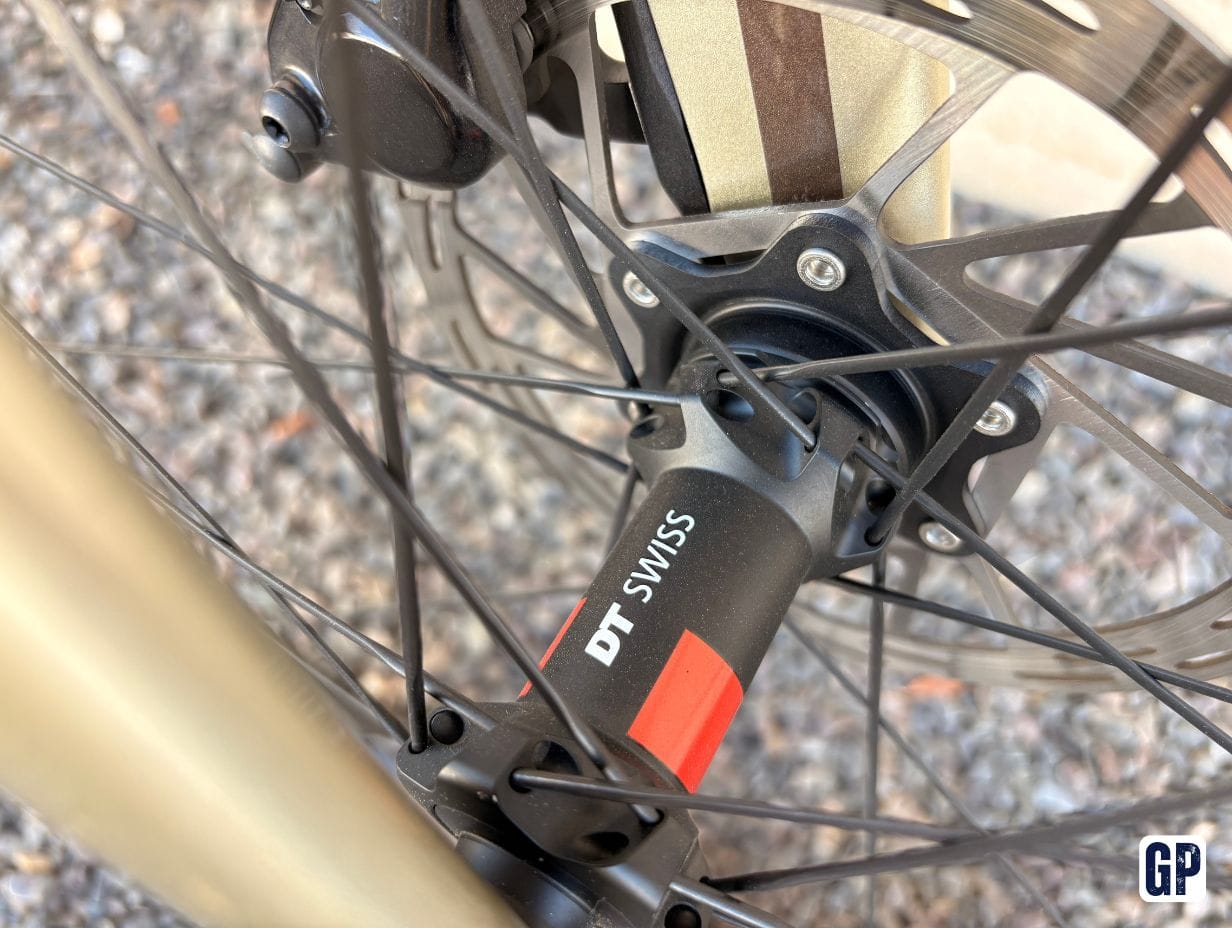
On this point, Reserve makes a very serious impression. The lifetime warranty is not just a reassuring selling point on a product sheet: it comes with a construction that seems built to last, with standard spokes, external nipples and a fairly pragmatic approach to maintenance.
My take on these wheels
The Reserve 42|49 TA and 57|64 Turbulent Aero belong to that set of wheels which leave the impression of a well-sorted product. The build is clean, the valves are excellent, stability is there, and the reliability observed after several months reinforces confidence.
The range is not cheap, but the entry price with DT 350 remains rather well placed considering the overall quality, the lifetime warranty and the level of finish. Conversely, moving to higher-end hubs does not seem indispensable, unless you are seeking a specific weight saving for a very targeted build.
You simply need to accept their character: these wheels are not here to soften a bike or turn a relaxed ride into a rolling sofa. They are high-performance, stable and serious carbon wheels, but they demand a rider who can appreciate a certain level of demand.