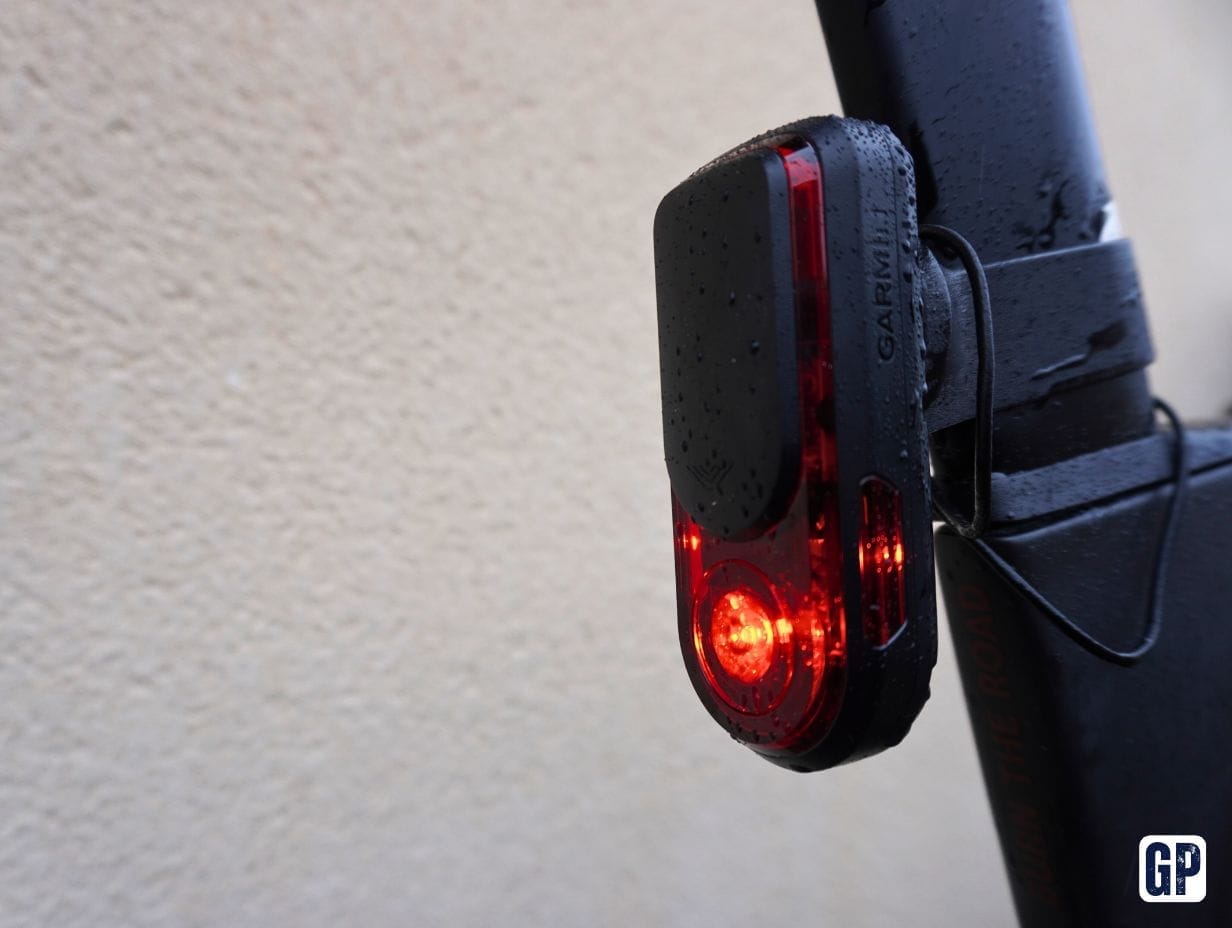

I have been testing the new Garmin Varia RearView 820 since it came out. And to be completely transparent, I was a convinced user of the first generation. My RTL 515, bought in 2020, has accompanied me for thousands of kilometers.
Coincidence or not, the micro-USB port on my old model failed a few days before this new generation arrived. It was the perfect opportunity to see how Garmin had evolved a product they themselves created.
It bears repeating: the bike radar was popularized by Garmin. And today, once you have tried it, it is hard to do without. On certain roads, it has become as obvious a safety essential for me as a helmet or good lighting.
But precisely, six years after the RTL 515, I was expecting above all one thing: a logical update to an already very mature product.
USB-C, better battery life, a few improvements… Nothing revolutionary. Just a coherent evolution.
On paper, however, Garmin promises much more with this Varia 820.
Highlights:
- Detection remains highly reliable and precise
- USB-C port finally here
- A mount better suited to modern seatposts
- Integrated brake light that is relevant for safety
Needs improvement
- Very high price
- Some new features are of little use day to day
- Software experience still imperfect
Design & finish: a subtle but welcome evolution
Visually, the Varia has evolved slightly.
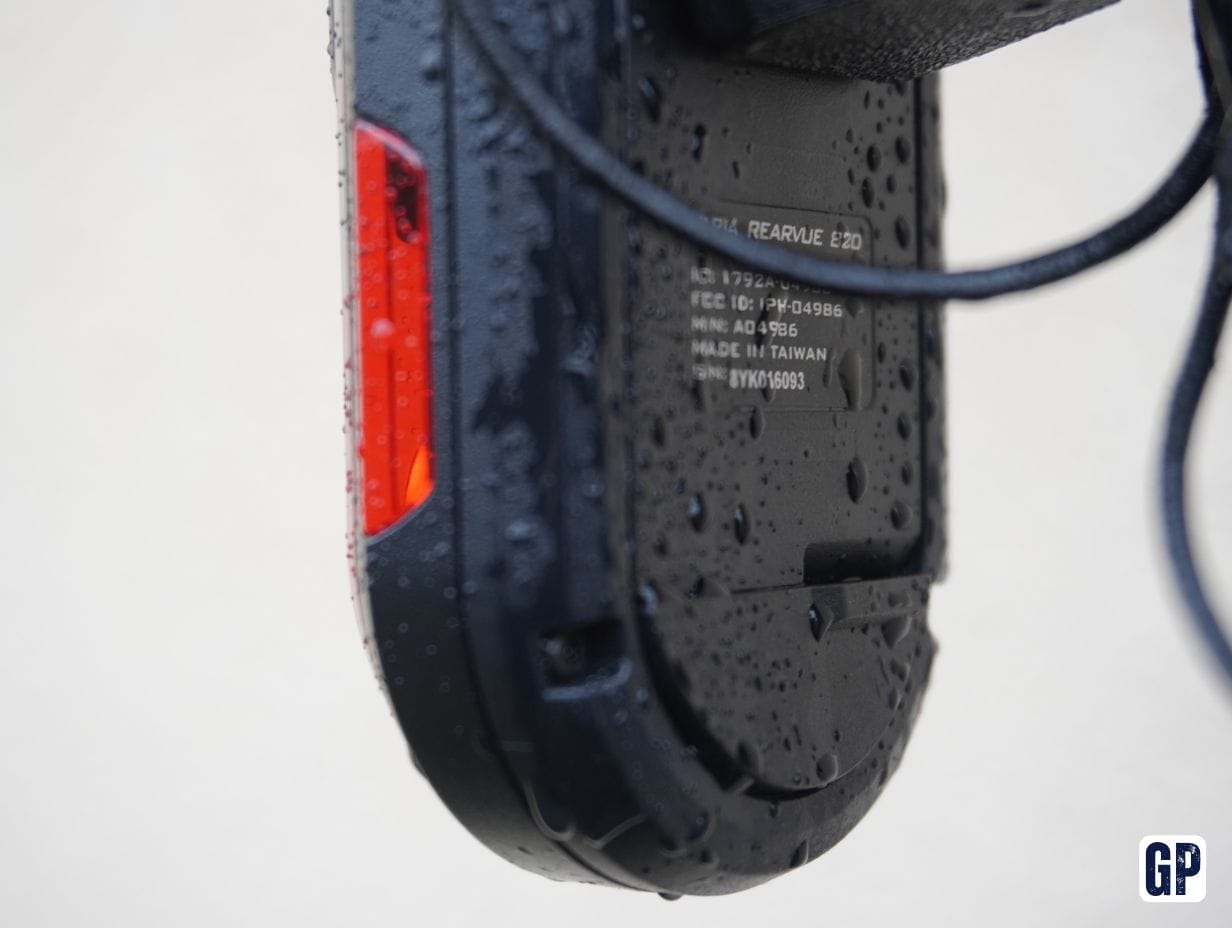
The shape is a bit more angular, and the light has moved since it is now placed at the bottom of the radar. Nothing radical, but the design is slightly more modern. Personally, I like being able to see the electronic components through the radar’s plastic.
The real visible change is above all the arrival (finally) of the USB-C port.
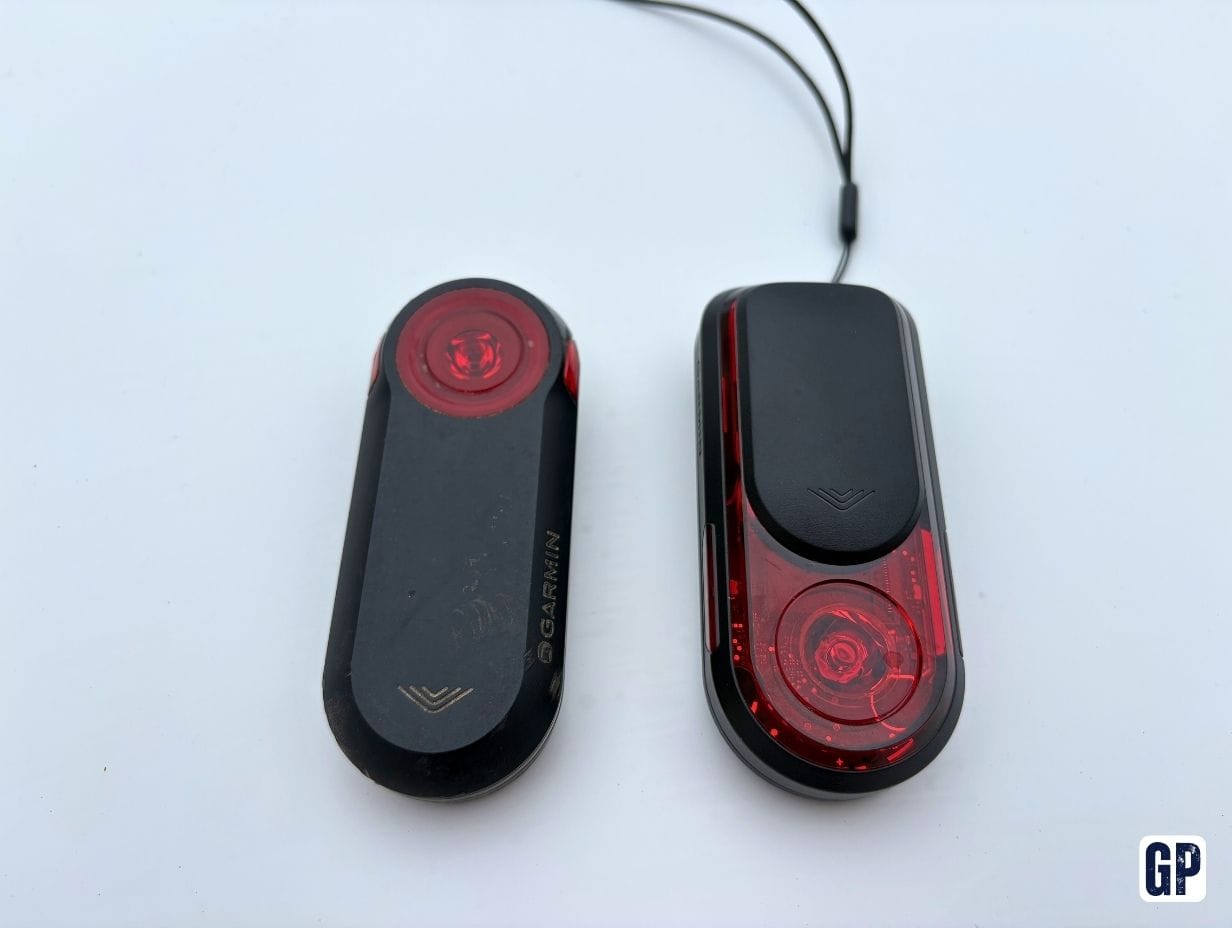
In 2026, that may seem obvious, but Garmin still took nearly six years to drop micro-USB on this product. For anyone already juggling USB-C chargers for their bike computers and smartphones, that is clearly good news.
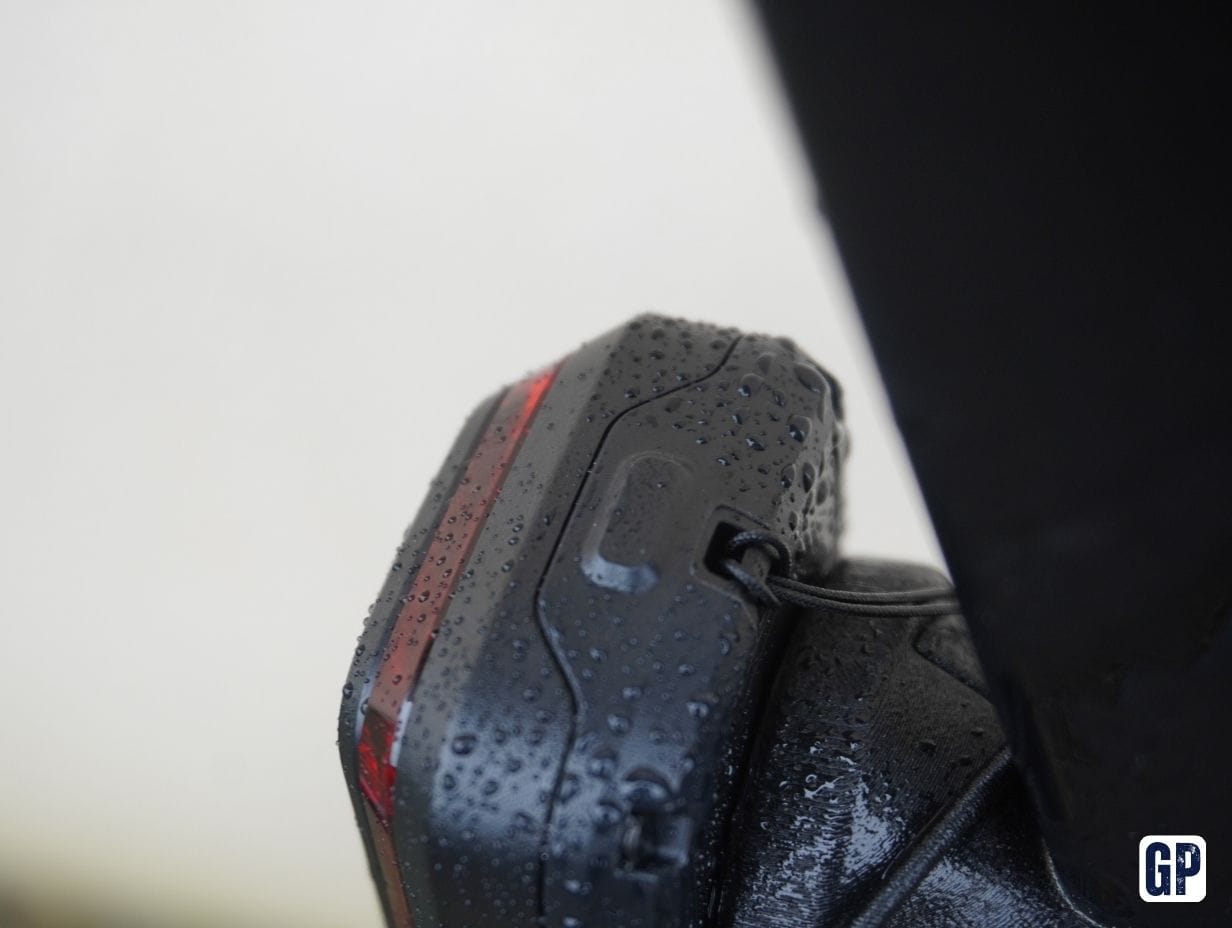
Another interesting detail: the back of the radar is now secured with six screws, which notably makes it possible to replace the battery. This also addresses new European regulations on repairability.
There is also now a lanyard attachment point, which was not the case before.
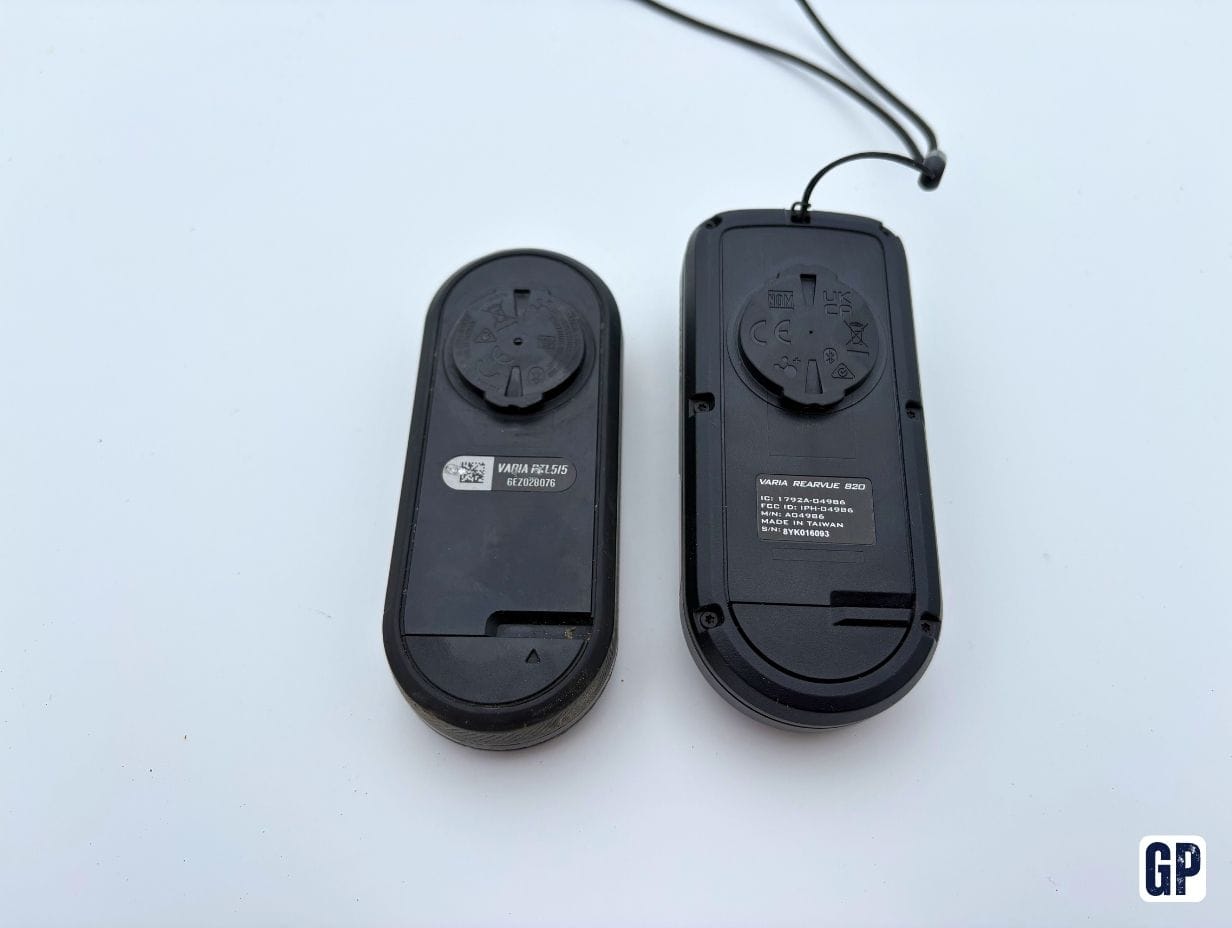
Let’s be honest though: these changes are fairly basic. Most competing radars have offered this kind of detail for several years. Garmin is simply catching up to what has become the norm.
A better-designed mount
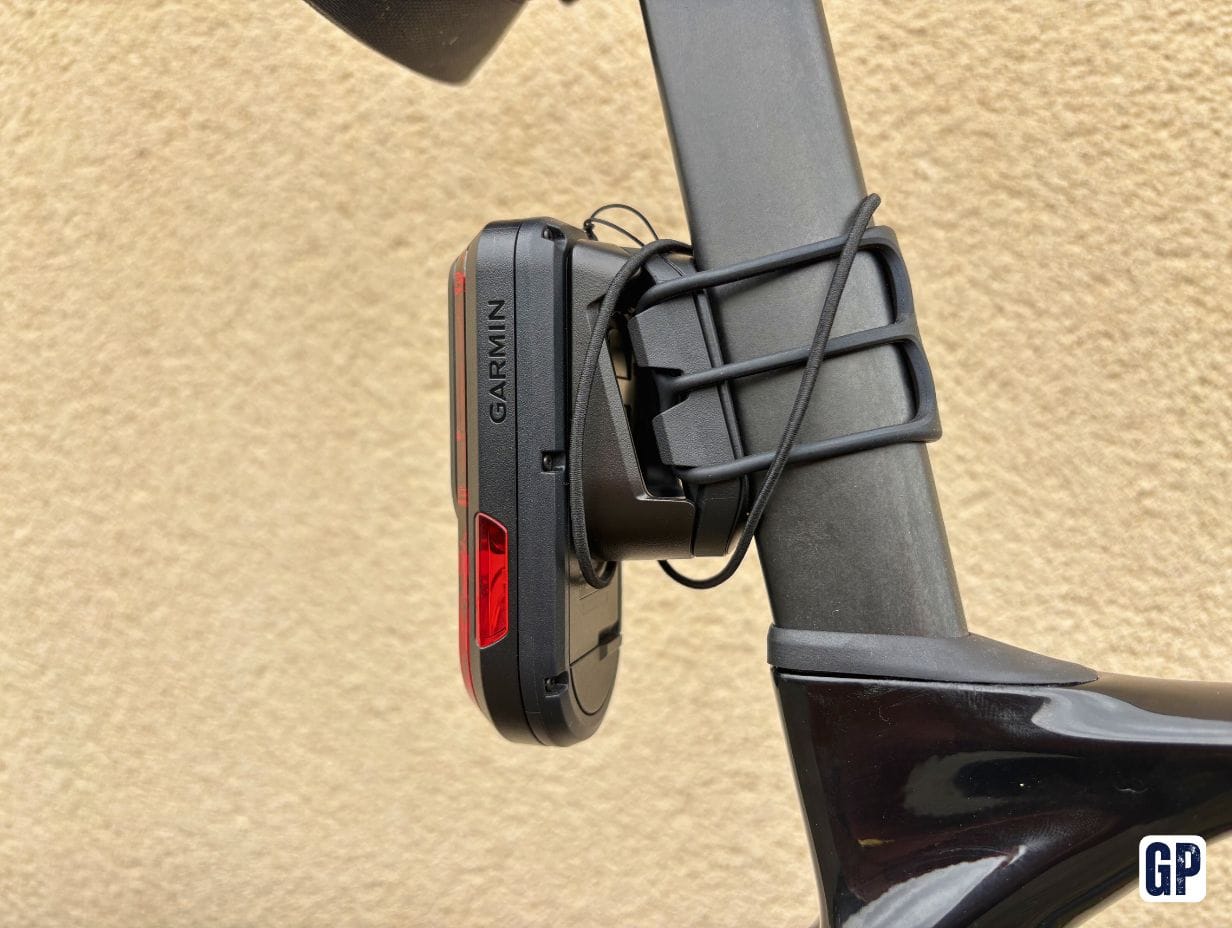
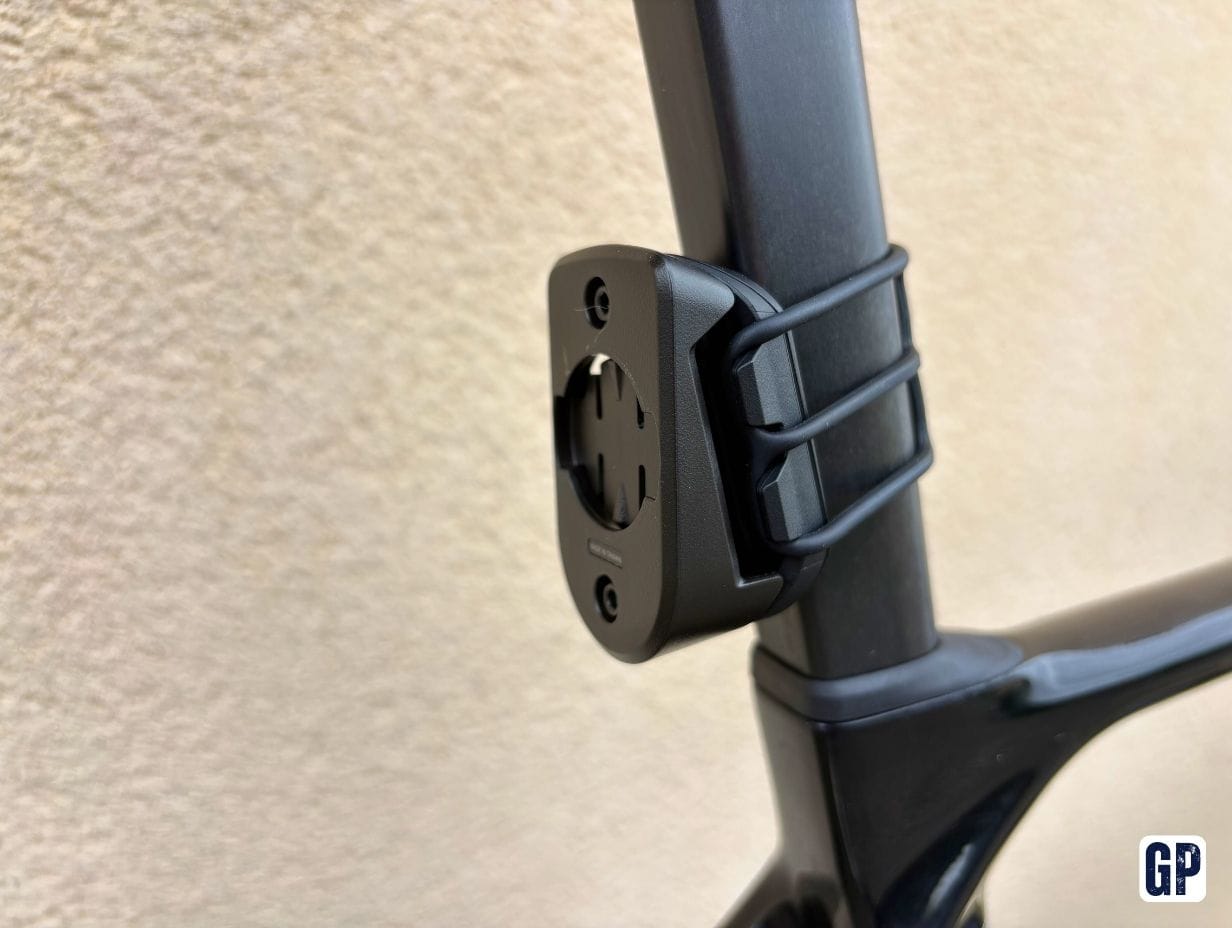
The mount has been redesigned and that is clearly a good thing.
The system supplied in the box now adapts much better to different seatpost shapes, especially aero profiles. In practice, installation is simple and retention is secure.
On the other hand, Garmin sticks to a habit that can be annoying: some accessories are sold separately.
This is notably the case for the saddle-rail mount, offered at €40. A hard price to justify for a simple accessory.
On the interface side, the radar still connects:
- either directly to a compatible GPS bike computer,
- or to the Garmin Varia app.
And here is where I have a small frustration.
I was hoping Garmin would use this new generation to integrate the radar directly into the Garmin Connect ecosystem, like heart-rate straps or power meters.
But no.
The Varia remains in its dedicated app, which once again confirms that Garmin is not always the most consistent brand when it comes to user experience.
Still as effective... but not necessarily more useful
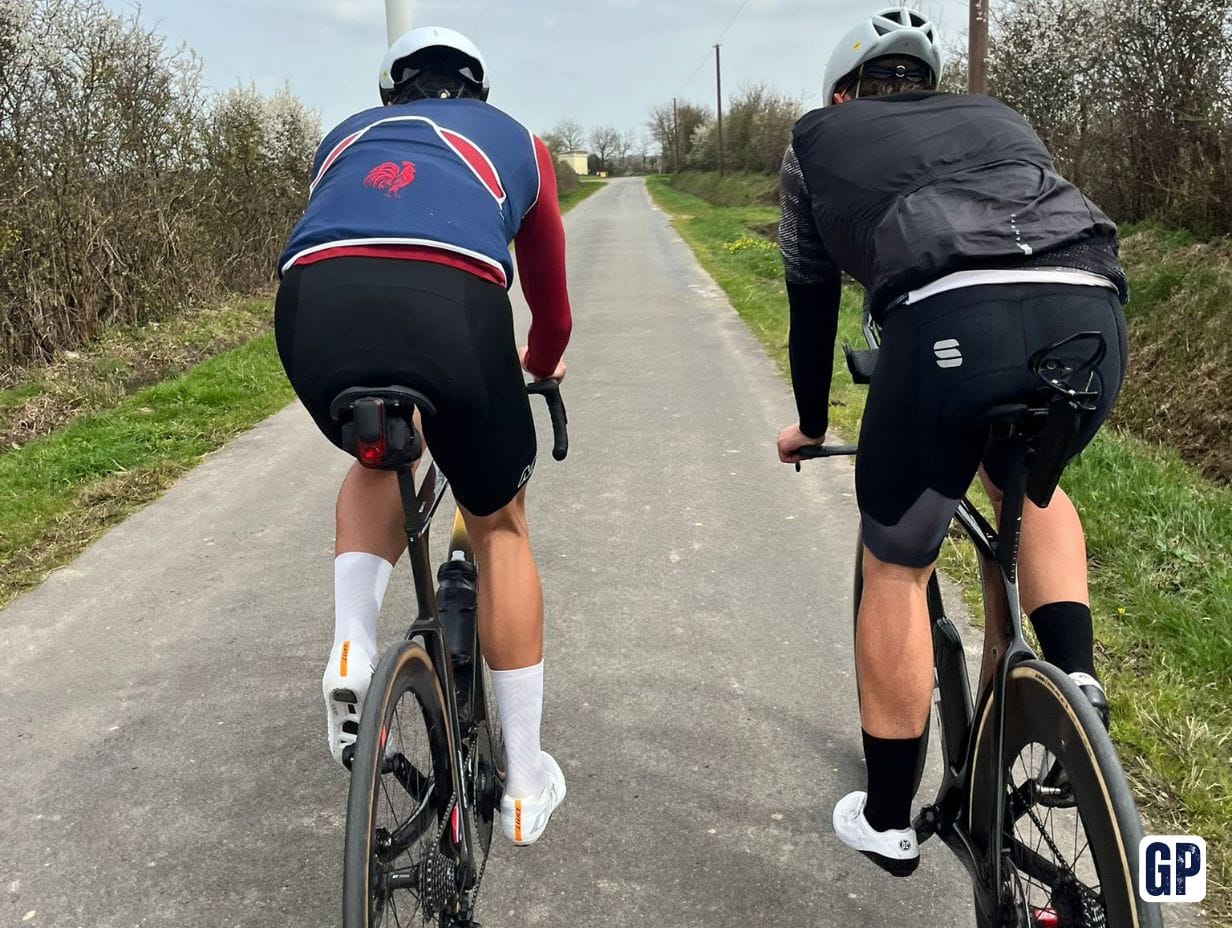
On the road, the core of the product is the same: detecting vehicles approaching from behind.
And on that point, Garmin remains the reference.
Detection is extremely reliable and very precise. That was already true on the RTL 515, but this new model does a bit better.
Vehicles are announced up to 170 meters away, which leaves plenty of time to anticipate.
The claimed battery life can reach up to 24 hours in flash mode, or even 30 hours in radar-only mode.
In reality, I am not particularly impressed. I do not feel like I reached 24 hours, and yet I mostly use it in flash mode or with no light.
New features... not always useful
Garmin introduces several new features on this generation.
The first concerns the size of detected vehicles: car, truck, bike…
On paper, that may seem interesting. In practice, I find this information of little use.
When a vehicle approaches, what you mainly want to know is that it is coming. You neither have the time nor the desire to analyze its size on a bike computer screen.
Worse still, it can encourage you to look at your head unit longer than necessary, which is not necessarily a good idea for safety.
Same goes for the vehicle’s position in the lane (left or right).
The idea is interesting, but in practice it is not essential, and it makes the screen a bit harder to read.
Another new feature: detection of vehicles traveling at the same speed as you.
Technically it is impressive, but in some situations it can become a bit intrusive, especially when a cyclist is on your wheel.
The radar can then beep regularly.
The brake light: a good idea
One new feature I do find interesting is the integrated brake light.
When you slow down, the rear light automatically increases its intensity to alert vehicles behind you.
It is simple, effective, and clearly relevant for safety.
Bugs with that typical Garmin touch
I also prefer to be transparent about one point.
During my test, I encountered several connection bugs with my Edge 1040.
Random disconnections, repeated notifications, alerts beeping for a minute… Nothing catastrophic, but frequent enough to be annoying.
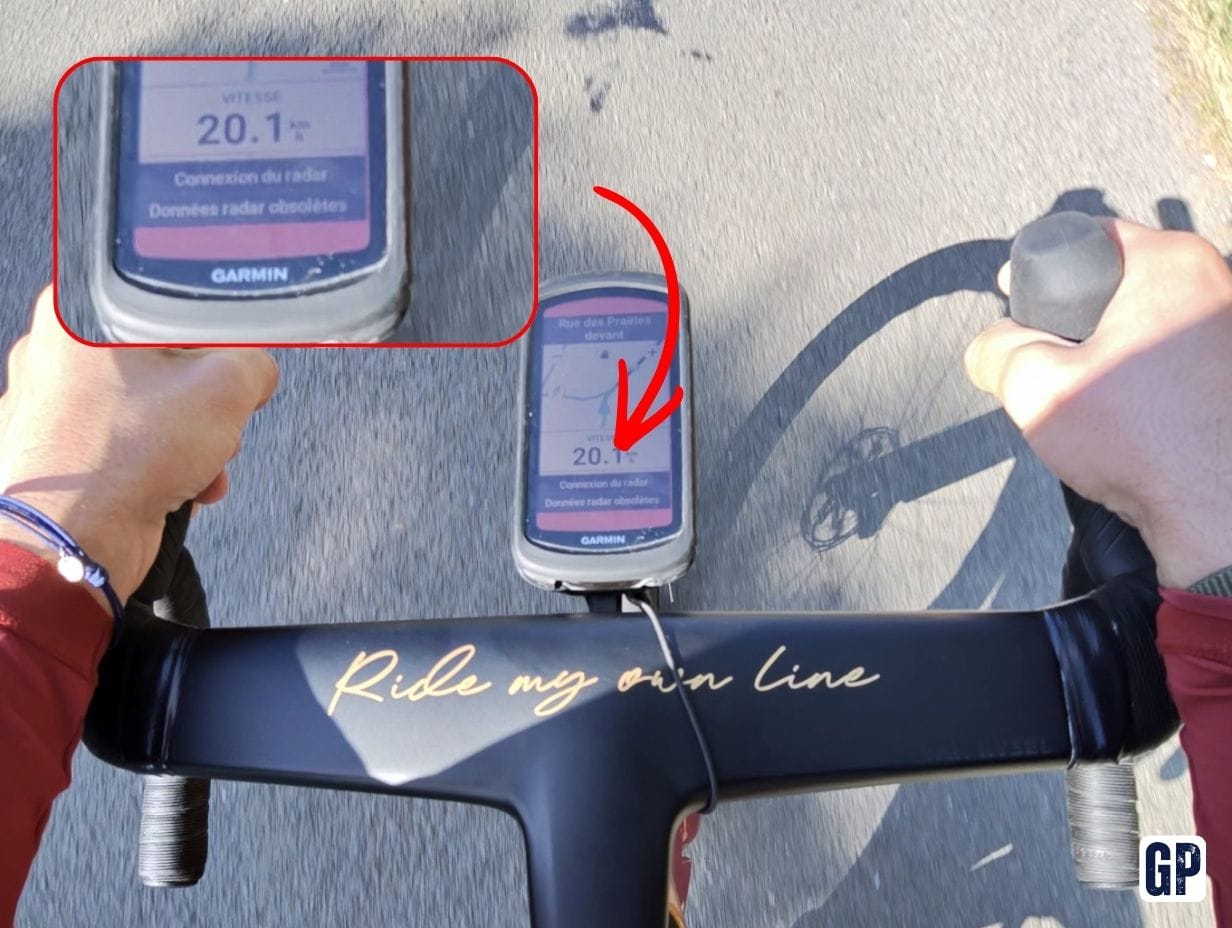
And that is a bit of Garmin’s recurring problem.
You often get the impression products are still in beta testing when they launch and only become truly stable a few months later.
It is true for the watches, for the bike computers… And this new Varia is no exception.
The RTL 515 remains a very credible alternative
Looking at the market, Garmin clearly remains the benchmark for bike radars.
Competitors exist (Wahoo, Coospo, iGPSPORT…), but Garmin generally maintains better detection reliability.
The issue comes more from the previous generation.
The Garmin RTL 515 is still a very effective product today, often sold around €150 to €200.
By comparison, the Varia 820 lands at €300.
And to be honest, the feature gap does not necessarily justify that price difference.
If Garmin had simply offered:
- USB-C
- brake light
- improved battery life
- and the same price
That would probably have been the ideal update.
My opinion on the Garmin Varia RearVue 820
The Garmin Varia 820 remains, unsurprisingly, one of the best bike radars on the market.
Detection is reliable, it is extremely reassuring to use on open roads, and once you have ridden with a radar, it is hard to go back.
But this new generation also leaves a slightly strange impression.
Garmin adds a lot of features… some of which do not necessarily add much in the real world.
And above all, the price jumps significantly.
If you already own an RTL 515 in good condition, the appeal of switching to this new generation is limited.
However, if you absolutely want USB-C and the extra battery life, then this Varia 820 remains a solid option.
But let’s be clear: at €300, the value for money is not yet fully convincing.
And for many cyclists, the previous generation remains the most rational choice today.