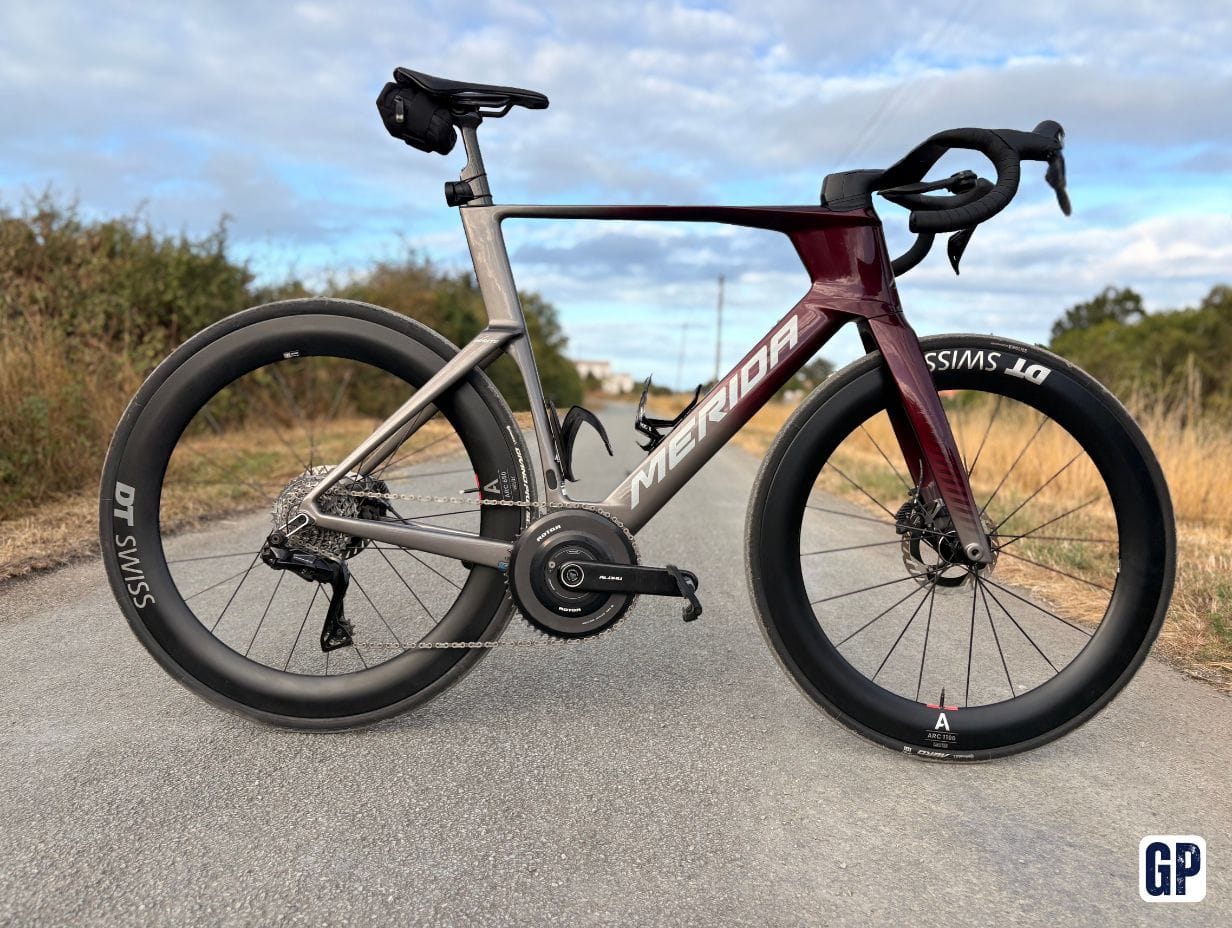

At the end of every season, the pattern repeats. Teams renew partnerships, change models or colours, and part of the bike fleet hits the market. Result: World Tour machines, barely a year old, offered for sale to the public.
On paper, it’s irresistible.
In reality, it’s much more nuanced.
Buying a pro bike can be a great move… or an ill-judged purchase. It all depends on what you’re really looking for.
Why do teams sell their bikes so quickly?
Contrary to popular belief, the bikes are not replaced because they are “worn out”.
In the professional peloton, a bike’s lifespan rarely exceeds a season for mainly contractual reasons:
- change of frame sponsor or equipment sponsor
- launch of a new model
- new livery
- internal equipment rotation
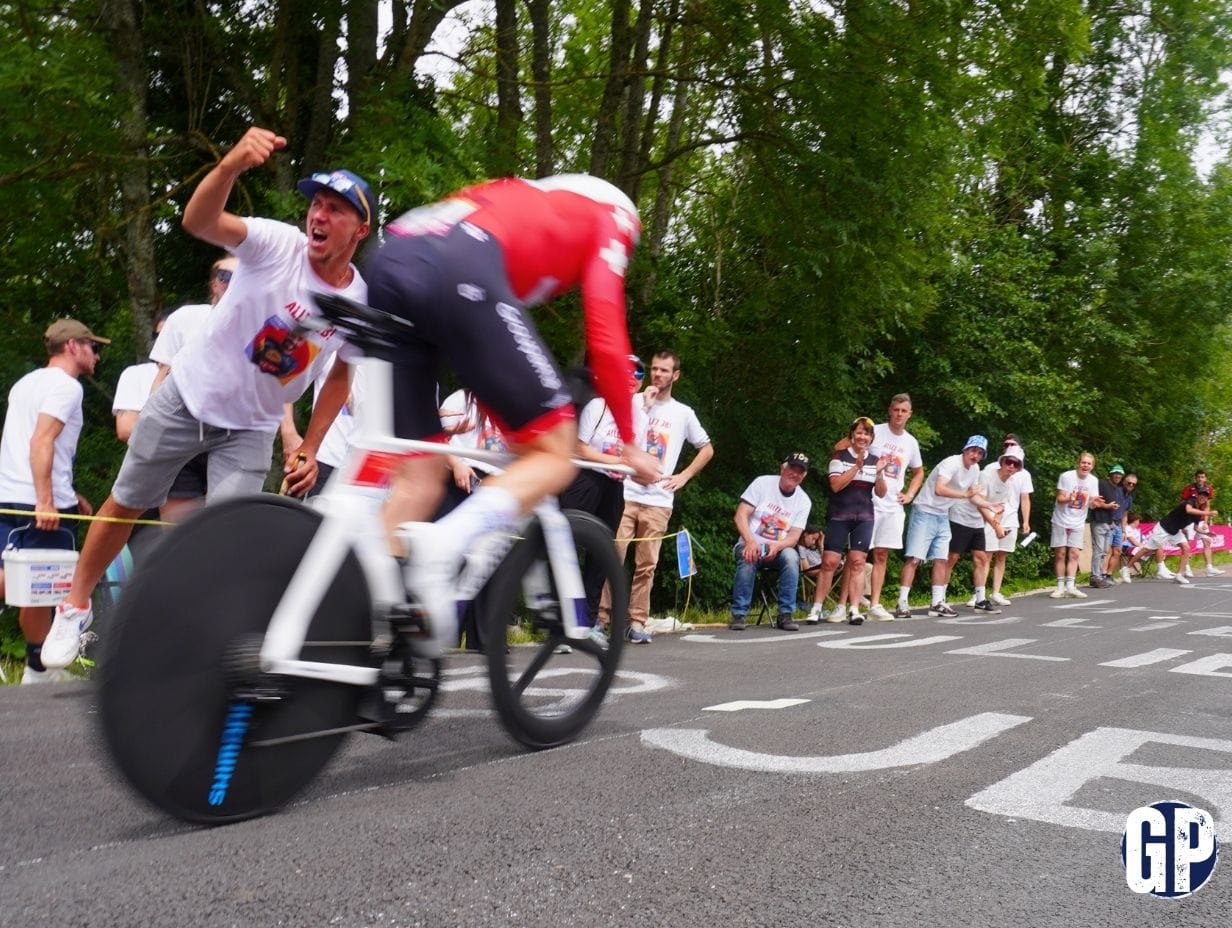
Modern high-modulus carbon frames are designed to withstand loads far beyond what an amateur will impose. Structurally, a frame used for a season in the World Tour isn’t at the end of its life.
But that does not mean it is equivalent to a new bike.
The real question: is it a good financial deal?
This is where many get it wrong.
The advertised discounts generally range between 30 and 50% off RRP. Impressive? Yes. Sufficient? Not necessarily.
Take a concrete example:
a model listed at 14,000 € new, offered at 7,500 € at season’s end.
The discount is significant. But the final price is still high.
For the same budget, you can often get:
- a new bike with Ultegra Di2 or Force AXS
- with full warranty
- sized exactly for you
- with no wear or uncertainty.
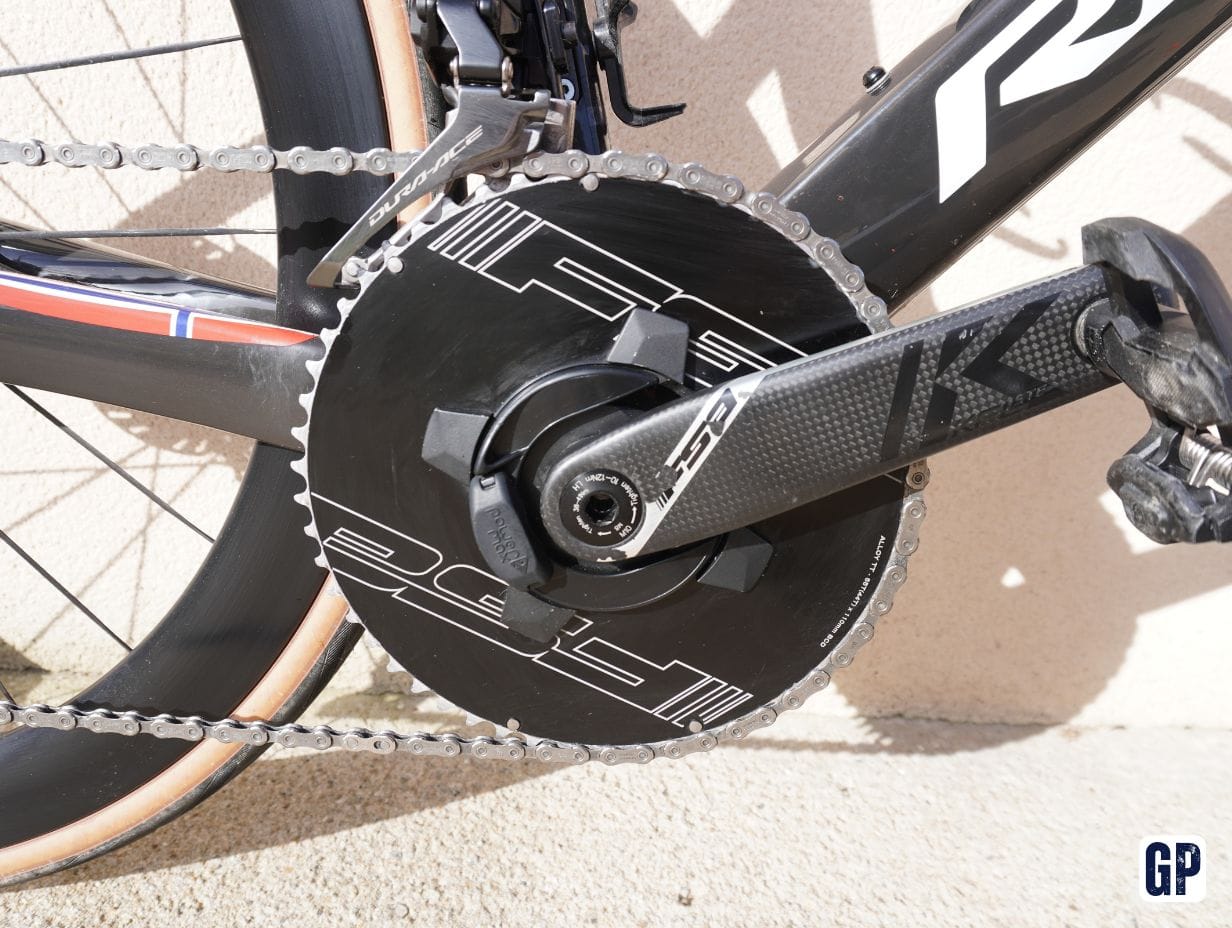
Granted, you won’t always get the very top-tier premium carbon layup. But in real-world use, performance gaps remain marginal for most riders.
In other words: a steep discount on a very expensive bike does not automatically turn the purchase into a rational opportunity.
However, some models that were already well priced to begin with can become genuinely attractive at the end of the season.
The real condition of a pro bike
This is probably the biggest concern.
The good news: most teams replace wear parts before resale. Chain, brake pads, sometimes cassette. That is not trivial when you consider current prices of high-end consumables.
The reality is more mixed for the rest.
A professional bike:
- has been ridden intensively
- has undergone frequent transport
- has sometimes had minor crashes
- has spent hours on a turbo trainer.
However, modern carbon frames are extremely robust. If there is no crack, structural impact or suspicious soft spot, the ride feel and handling won’t be affected.
What to inspect carefully:
- impacts under the bottom bracket,
- workstand clamp crush marks,
- abraded chainstays,
- abnormal play in the headset,
- and deep scratches around the axles.
A marked frame is normal. A structurally compromised frame is not.
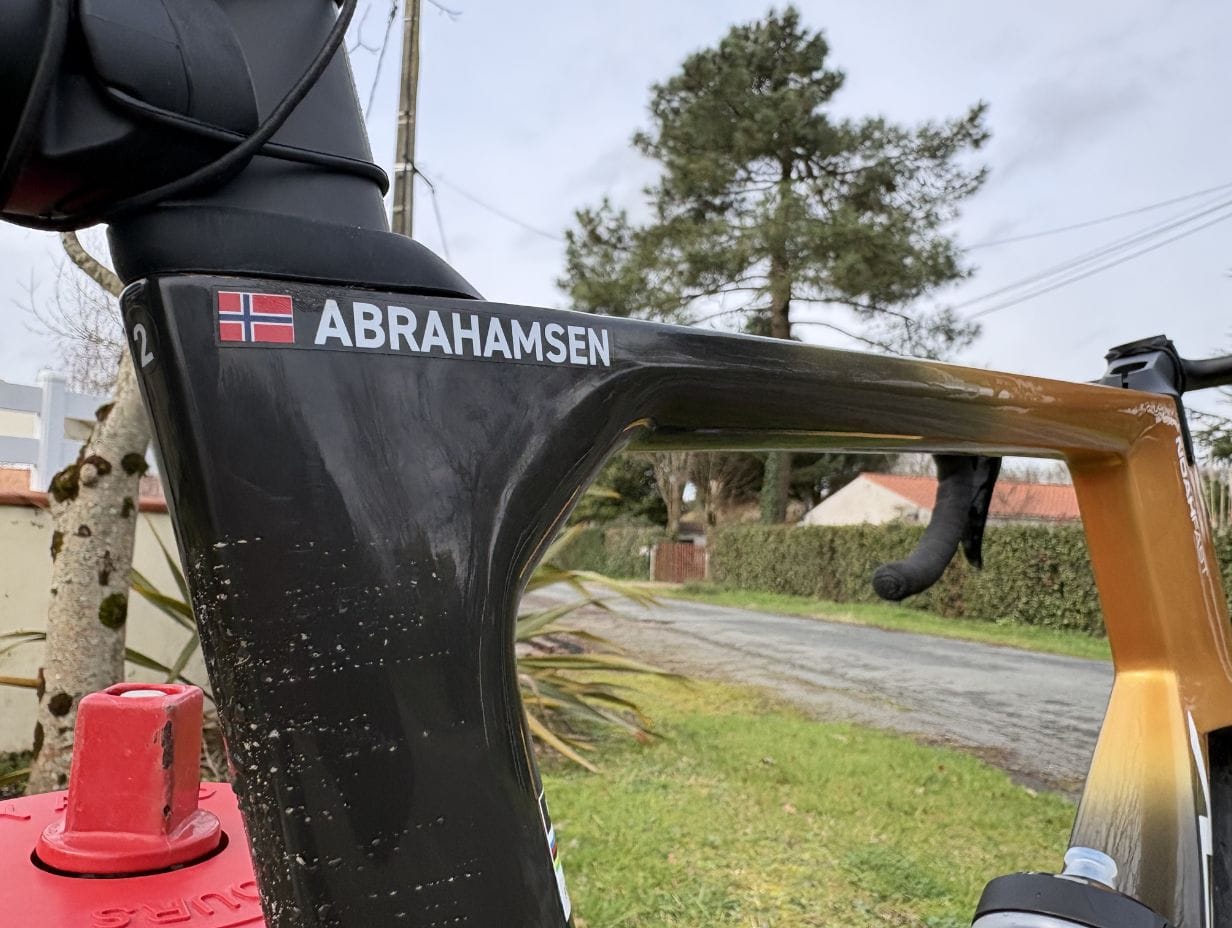
The "number 2 bike" myth
Many riders have two or three bikes.
You might think the number two is necessarily less used. In reality, it depends entirely on how the season unfolded. A secondary bike may have been ridden as much, or even more, than a primary one if the latter was replaced early.
The number written on the frame is therefore not a reliable indicator. Visual and mechanical condition always comes first.
The critical point few truly consider: geometry
This is where the difference between dream and mistake is decided.
Pro bikes are set up for:
- extremely flexible riders,
- maximum aerodynamic efficiency,
- and aggressive positions.
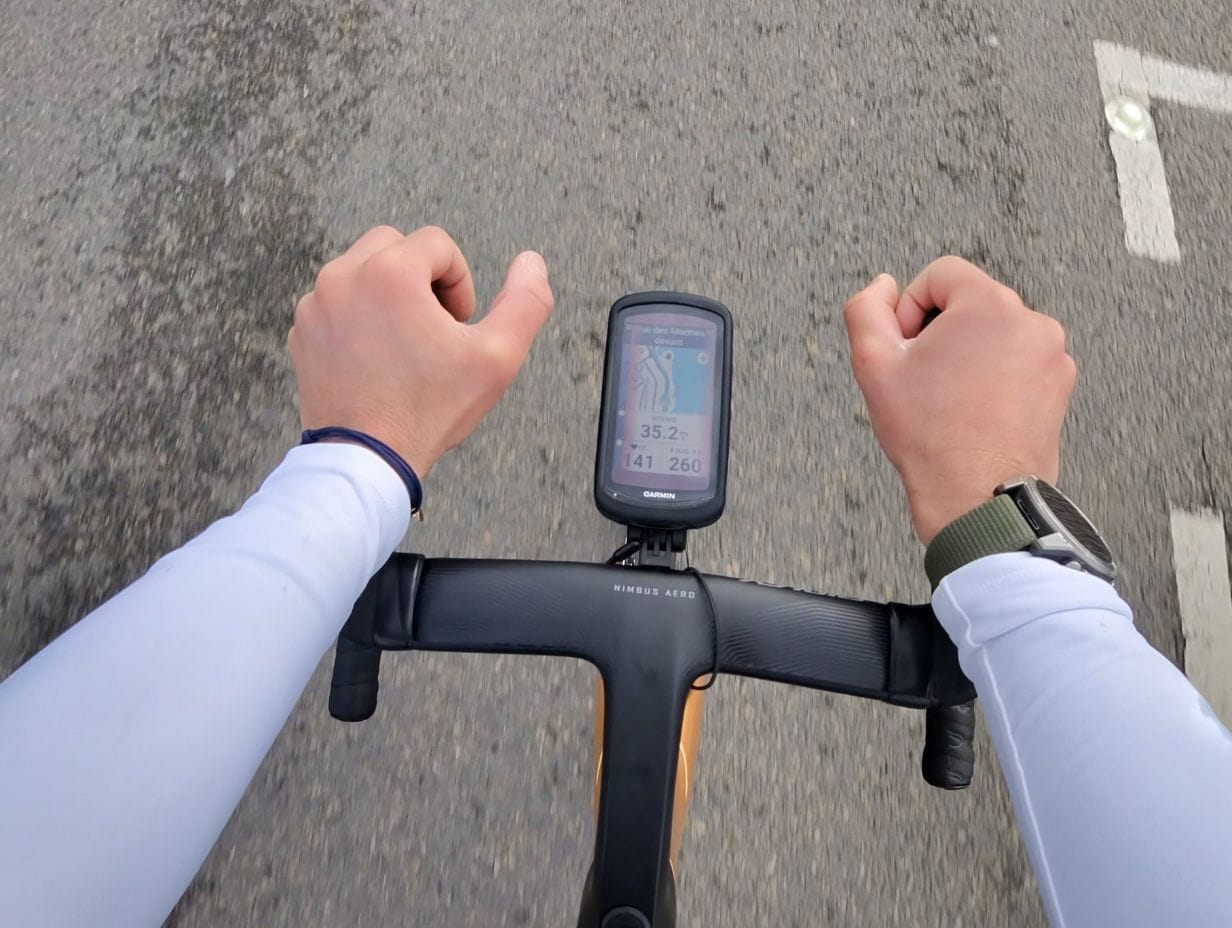
Very often you’ll see:
- 120 to 140 mm stems,
- tall gearing,
- deliberately downsized frame sizes,
- steerer tubes cut flush,
- and proprietary integrated cockpits.
A cut steerer does not grow back.
A proprietary cockpit can cost nearly 1,000 € to replace.
If you are a racer, used to an aggressive position, that may suit you perfectly.
If your riding is sportive or recreational, the risk is real: neck pain, lower back strain, difficulty holding the position over long distances.
Many buyers underestimate this. And a poorly fitted bike will remain uncomfortable, even if it’s prestigious.
The warranty question
A topic often misunderstood.
Depending on the brand and contractual terms, the warranty may:
- not be transferable,
- be partially retained,
- be completely void.
Some teams sell through official partners who reactivate a partial warranty. Others sell “as is”.
At 7,000 or 8,000 €, this question deserves to be clarified in black and white.
Rational purchase or emotional purchase?
Let’s be clear: you don’t buy a pro bike solely for its value for money.
You buy it for what it represents.
Owning the bike of a rider you admire. Riding a machine that has raced a classic or a Grand Tour. Being part, in your own way, of that story.
That’s an emotional dimension. And it’s completely legitimate.
But it needs to be distinguished from pure economic logic.
If your priority is optimal performance for your budget, a perfectly fitted new bike will often make more sense.
If your priority is passion, history, the symbol… then pure rationality is no longer the only criterion.

Where to find them today?
The market has become more structured.
Teams generally hold official sales at the end of the season, often in October. The bikes go fast, sometimes on pre-booking.
At the same time, some specialist shops buy batches of frames or complete bikes, which means you can find them throughout the year.
Beware of fake listings, though. A simple sticker does not turn a production bike into a team machine.
Traceability is essential.
So, should you buy a used pro bike?
The answer is neither yes nor no.
It’s a decision that must factor in:
- your level,
- your flexibility,
- your actual riding,
- your budget,
- and your connection to the object.
A pro bike is not automatically a bad deal.
But it’s not automatically an excellent opportunity either.
In many cases, the purchase is above all about passion.
And as long as it’s acknowledged as such, it can be extremely satisfying.
The only mistake would be to think that prestige always equals opportunity.
A bike perfectly adapted to your body will always take you further than a legendary bike that does not suit you.
And in the end, what matters is not having ridden a World Tour machine.
It’s enjoying your own.