
Released a few weeks ago, the new Canyon Endurace CF SLX arrives in an endurance range that is much more segmented than before. Canyon no longer just offers the same bike in three carbon levels: the German brand now offers three framesets for three fairly distinct uses.
The CF remains the most accessible, with a comfort-first approach, long rides and a more upright position. The CFR, introduced before it, pushes the performance slider much further, to the point of blurring the line with a pure race bike.
Highlights:
- Excellent balance of efficiency, comfort and stability
- PACE cockpit that is genuinely practical and well designed
- More performance-oriented position than on many endurance bikes
- Aggressive spec-to-price ratio
Could be improved
- DT Swiss ERC 1600 wheels that make sense, but are not very lively
And in between, this CF SLX ultimately takes the most interesting spot: that of a fast, comfortable, modern bike, capable of handling long days without becoming dull or too tame.
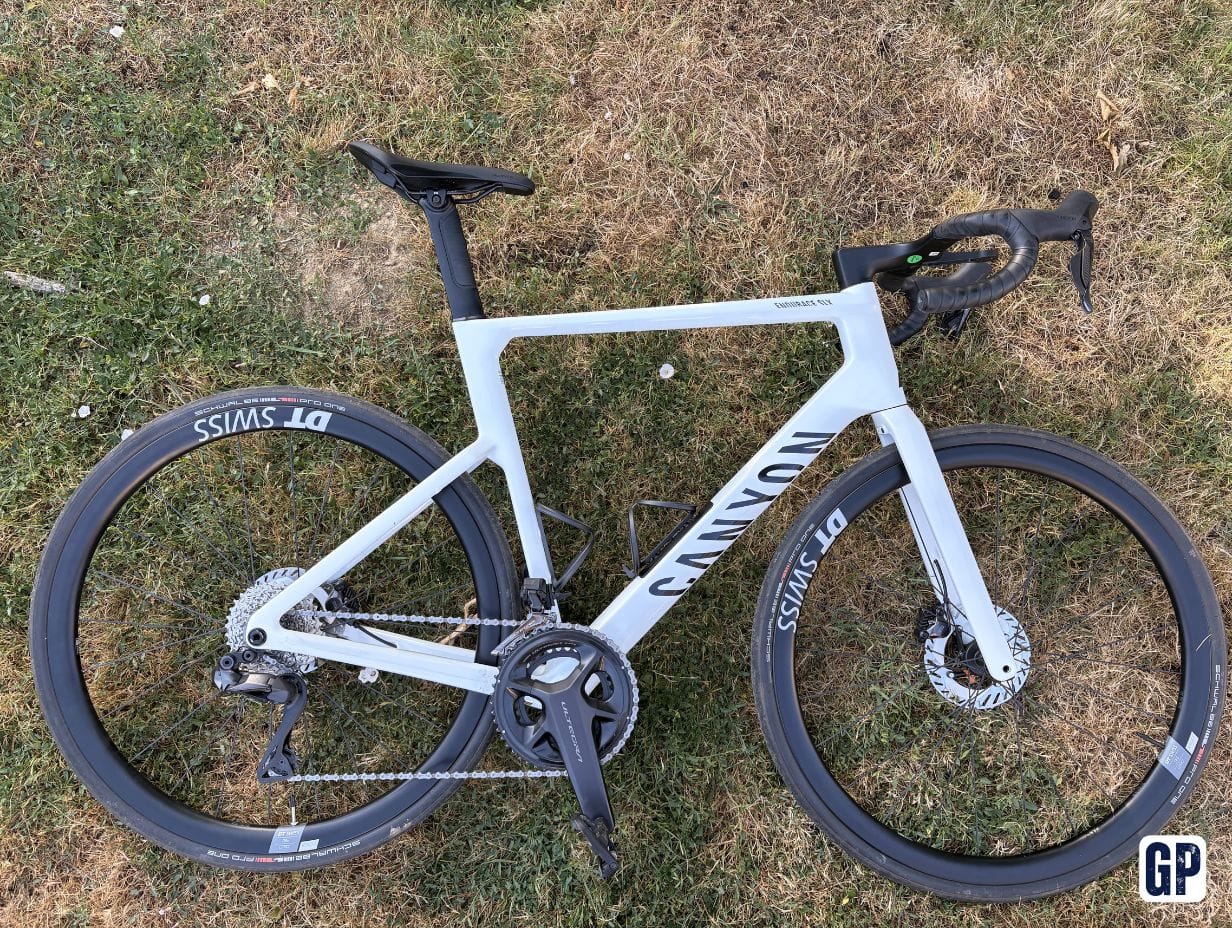
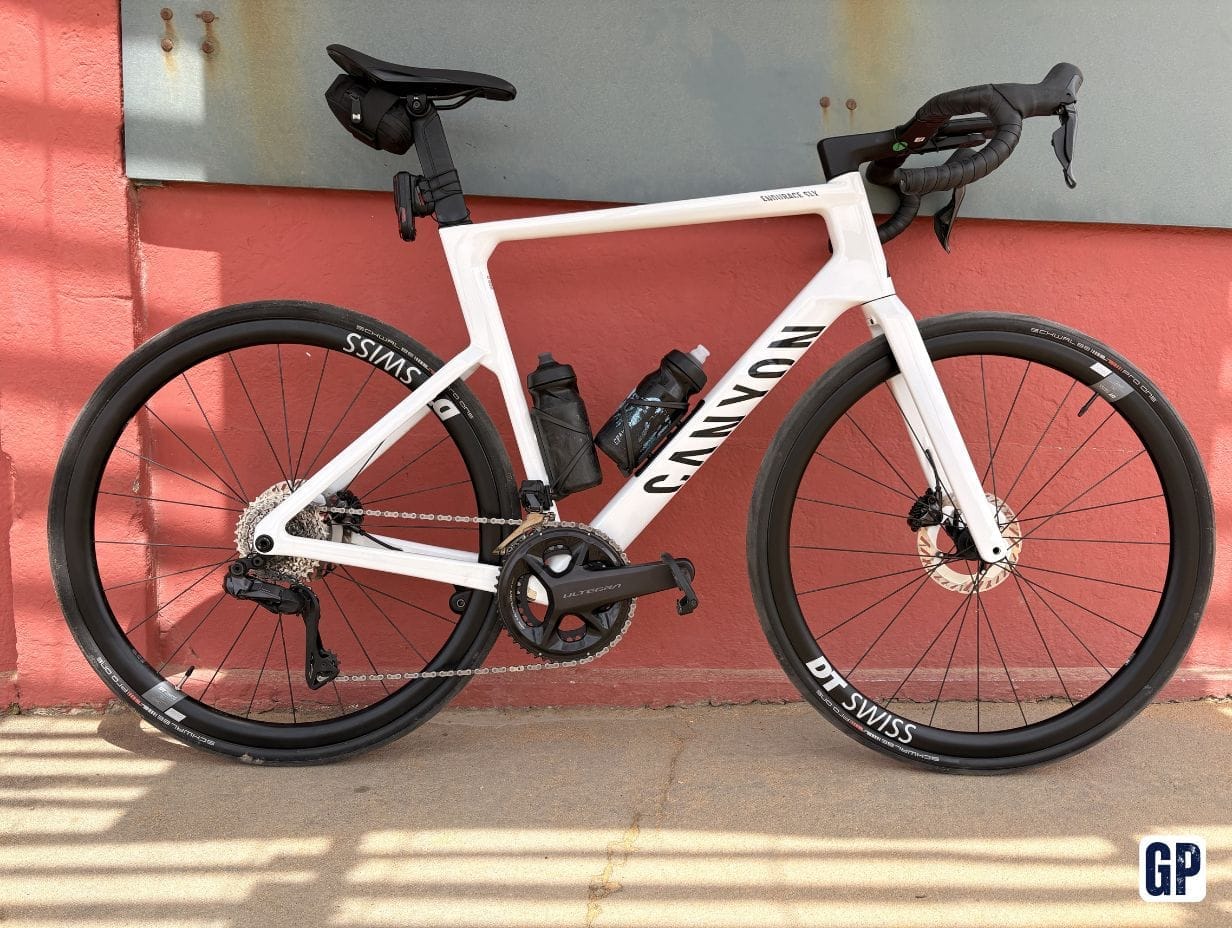
This is the model I had in my hands, in its Endurace CF SLX 8 Di2 version, priced at 4 499 €. Electronic drivetrain, carbon wheels, adjustable carbon cockpit, power meter included: Canyon stays true to its usual recipe. But this bike does not shine only through its spec sheet.
CF, CF SLX, CFR: three takes on endurance
The new Endurace range is clearer than before. And that is a good thing, because the word endurance no longer means much if it is used to describe a comfortable sportive bike, a cobbled classics machine and an all-road road bike all at once.
The CF is the one that will appeal most to riders who want to ride long, in a less aggressive position, with more forgiveness. It also keeps a very rational side, notably thanks to its low entry price and more practical mounts.
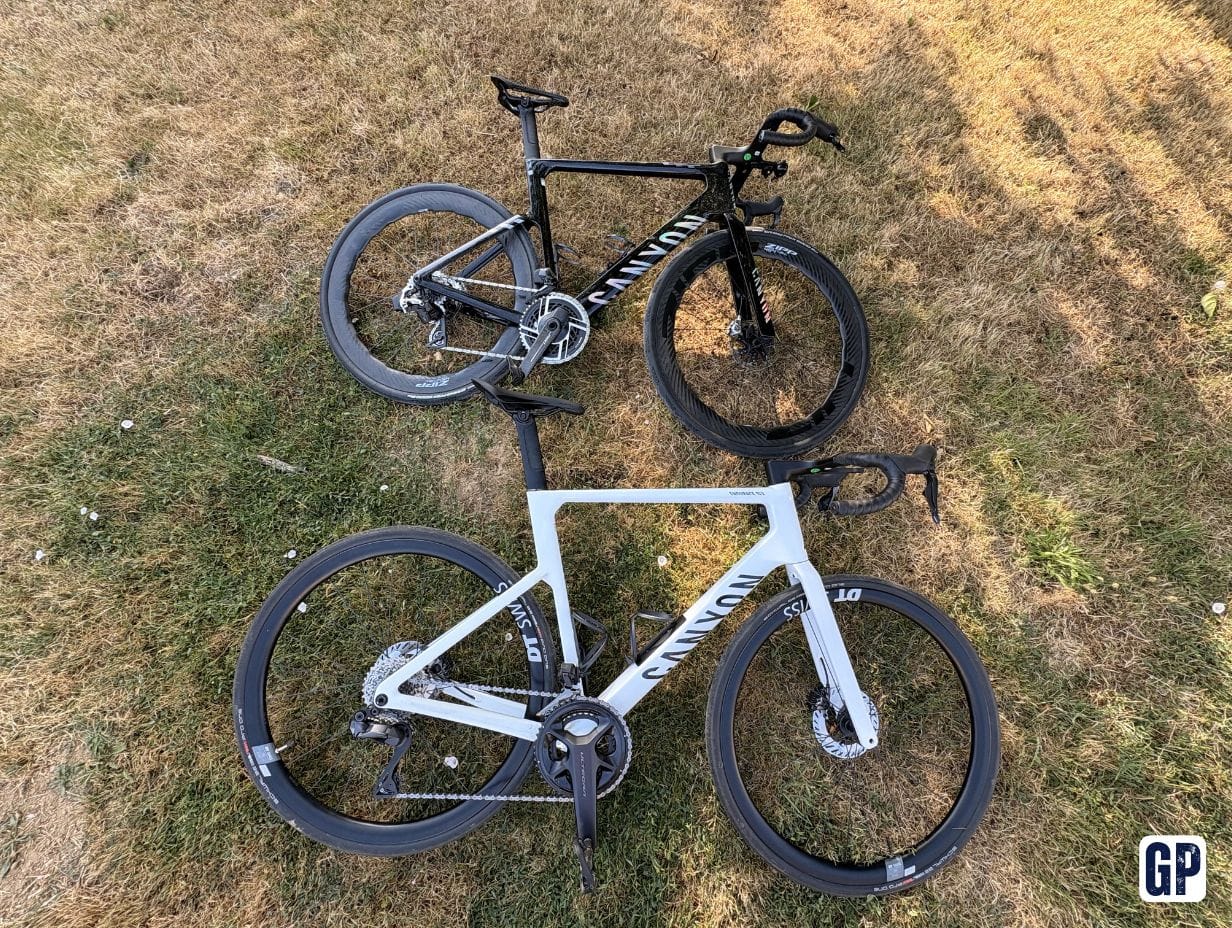
The CFR, meanwhile, plays in another category. It has almost everything a modern race bike has, with an endurance background mainly linked to its ability to handle rough roads.
The CF SLX is more subtle. It does not try to be the most comfortable of the family, nor the most exclusive. It targets the segment that is growing fast: fast endurance, capable of tackling a long sportive, a 200 km ride, a local race or a few stretches of smooth gravel without feeling like you chose a compromise bike.
That is exactly what we anticipated in the full presentation of the Endurace CF SLX and CF range. The test largely confirms this reading.
A very coherent build at 4 499 €
The tested model is built with Shimano Ultegra Di2. The groupset is no longer new, but it remains a safe bet: crisp operation, consistent braking, familiar ergonomics, and reliability that is hard to fault.
The choice of a 50/34 crankset paired with an 11-34 cassette suits the brief very well. You keep enough gearing to ride fast on the flat, while having what you need for long climbs or to finish a ride when fatigue sets in.
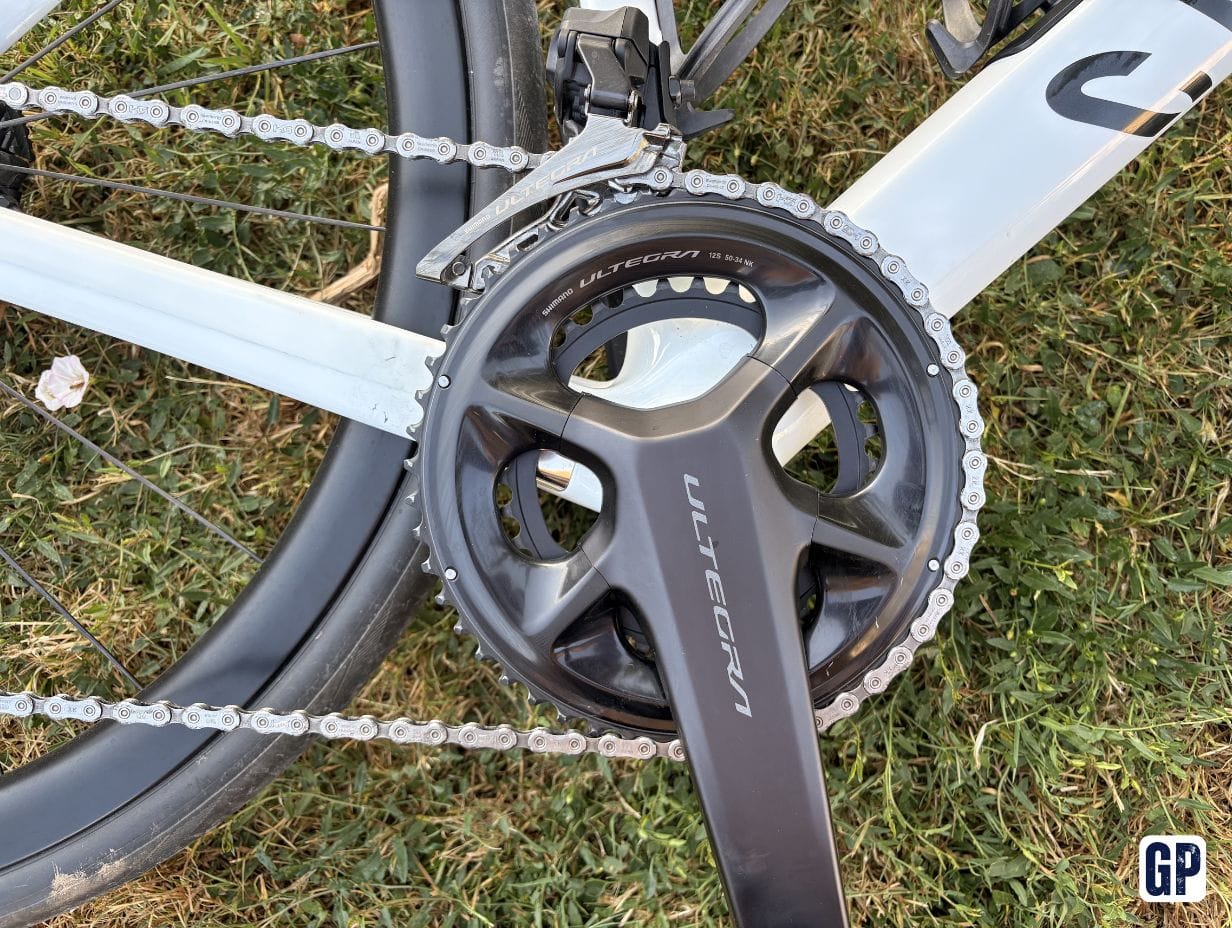
Canyon also adds a 4iiii power meter on an Ultegra arm. At this price point, that is far from trivial. Many competing bikes still require an immediate upgrade to get the same thing.
The DT Swiss ERC 1600 Dicut 35 mm wheels make sense. They are not what will turn the bike into a pure race machine, but they fit the purpose well: low enough to stay forgiving, modern enough with their 22 mm internal width, and versatile enough to accept wider tires.
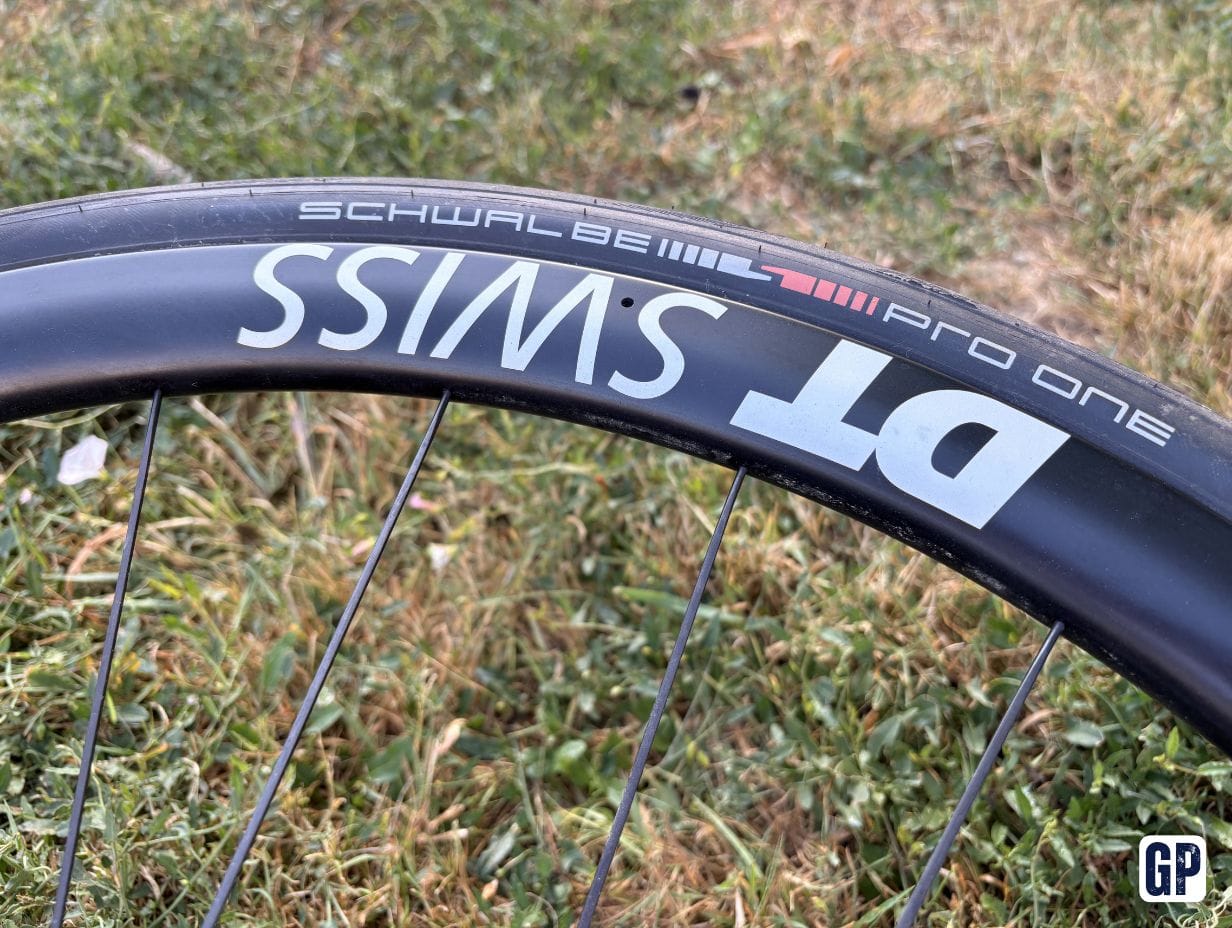
The bike ships with 32 mm Schwalbe Pro One Evo. Canyon claims clearance up to 38 mm, which changes a lot on an endurance road bike. You can stay on 32 mm for fast road use, move to 35 mm for more comfort, or even go for a more all-road setup on smooth terrain.
The PACE cockpit has become a real selling point
The PACE cockpit is one of the major strengths of this Endurace CF SLX. I first discovered this concept in 2020 on the Aeroad, but the updates since then make it much more convincing.
Its main benefit is simple: it lets you adjust the front-end height without cutting the steerer tube, with up to 20 mm of adjustment. The operation is very quick. Two bolts, spacers removed or replaced, and you are done.
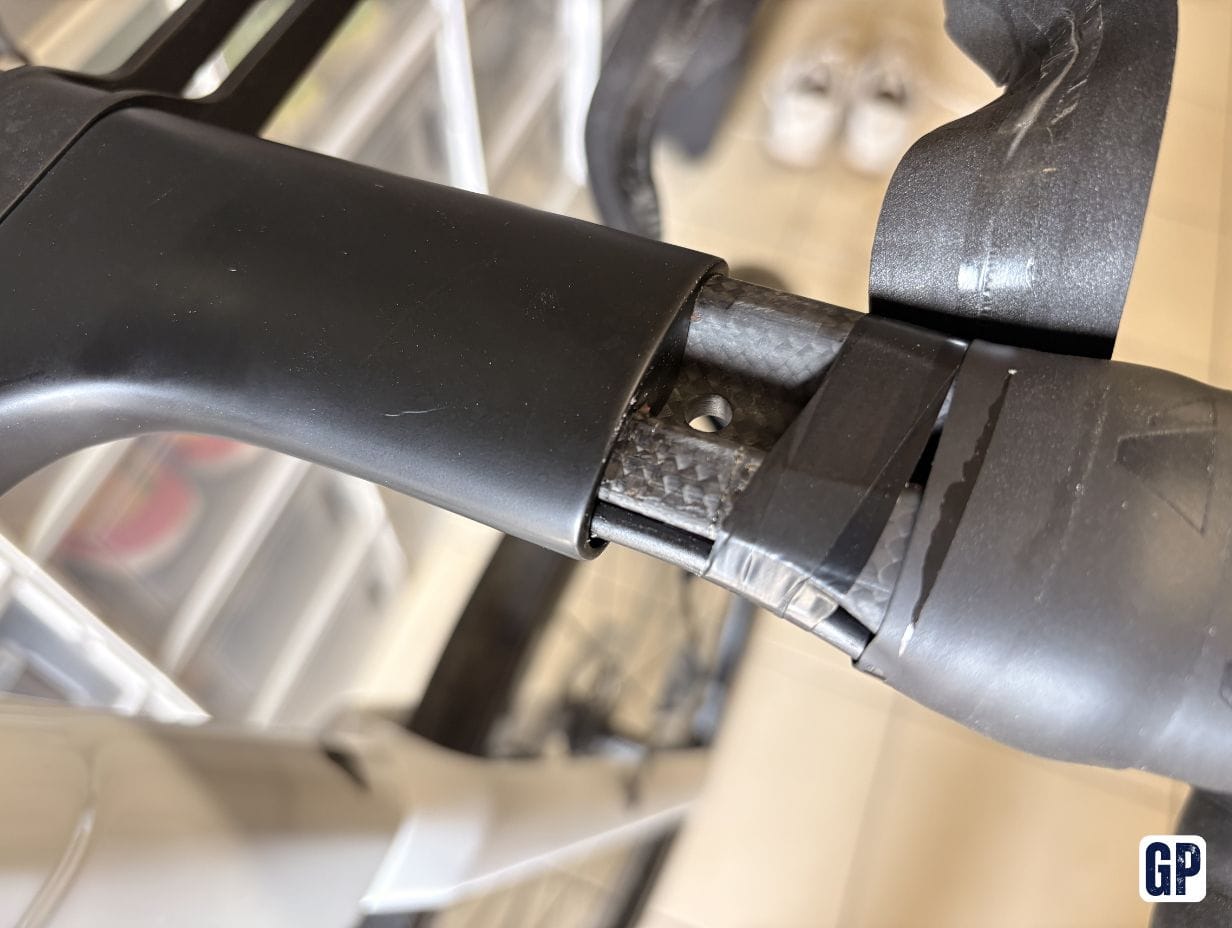
The width adjustment is also interesting, with up to 50 mm of range. In the widest setting, the bar shows a slight flex and will not be the stiffest on the market. Set to the narrowest, however, I found it stiff enough, without any unwanted mushiness.
In a market where many integrated bikes are becoming hard to fine-tune, this detail really changes the experience. You can refine your position without a workshop visit, without a brake bleed, without a permanent steerer cut.
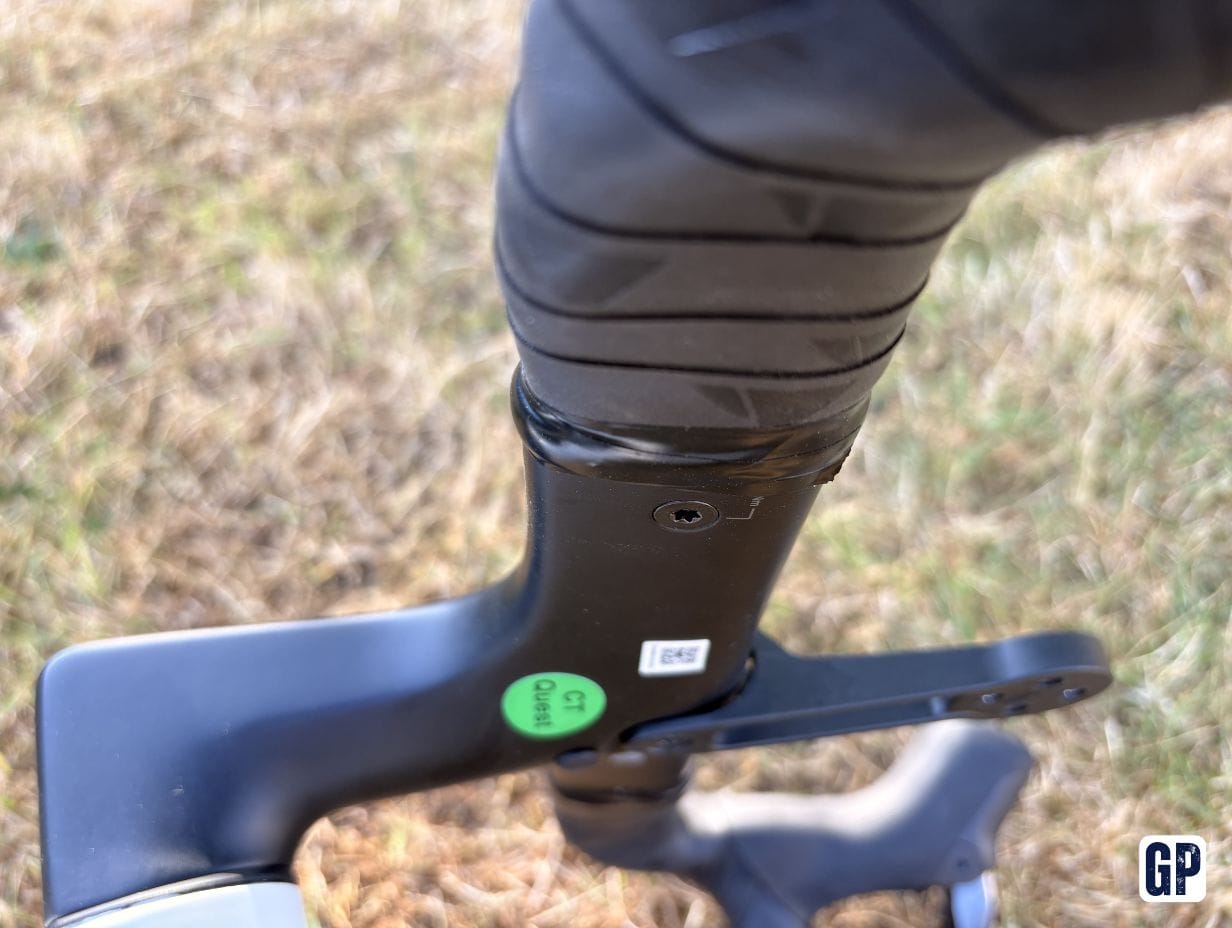
Another well-thought-out point: everything is done with a single Torx TX25 key, supplied with the bike and integrated at the wheel axle. It is simple, clean, and above all genuinely usable.
The cockpit also has a decisive advantage for ultra-distance: it accepts Canyon’s dedicated extensions. They are expensive, but they offer an official, clean and safe solution. Today, this is almost a purchasing criterion for a high-end endurance bike, because many integrated cockpits simply no longer allow extensions to be mounted properly.
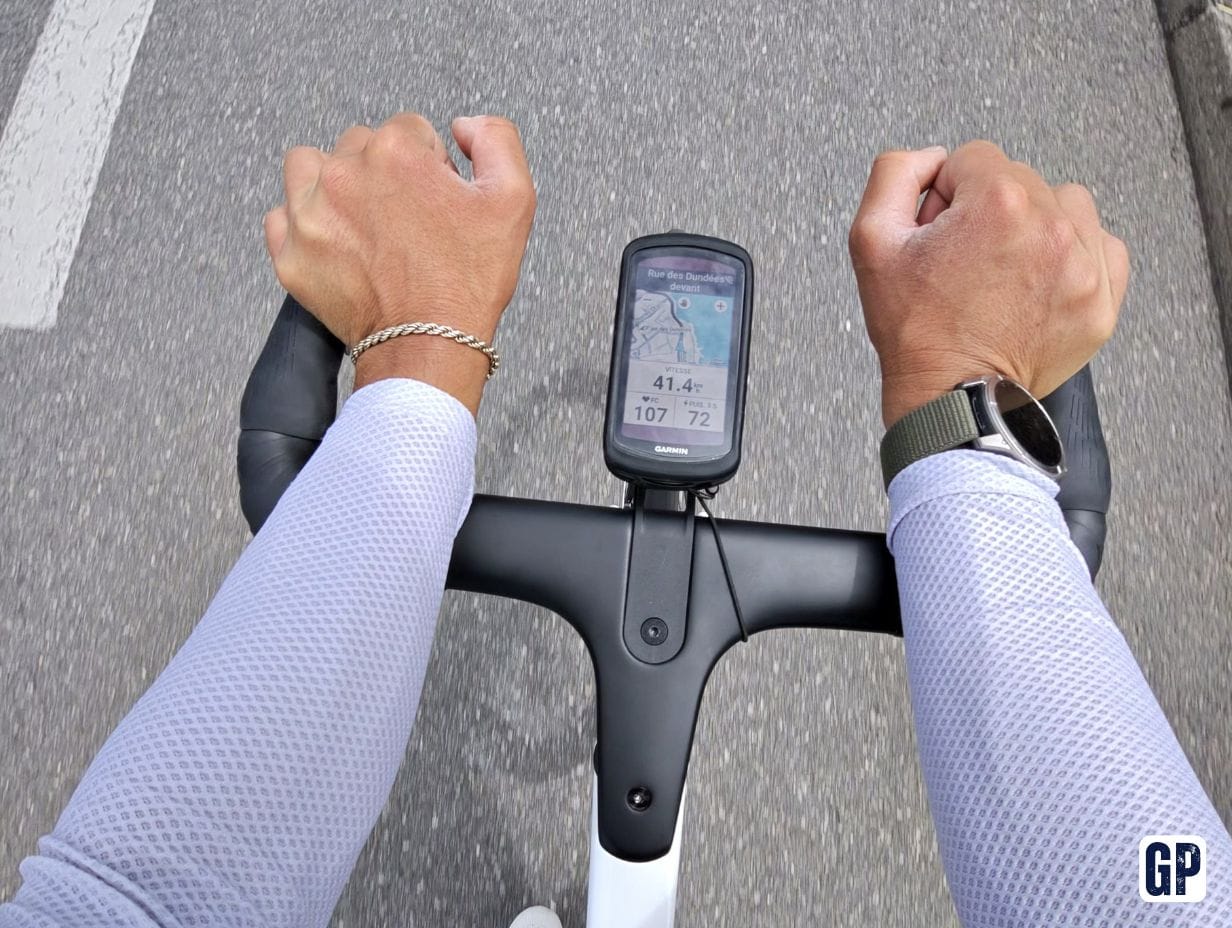
The only regret concerns customization. On this CF SLX, Canyon does not yet offer the same level of choice as on some models like the Aeroad or Endurace CFR. The bike comes with Compact Drops, which work very well, but you cannot choose other shapes like Race Drops or Drops Classic when ordering. I think this option will become available for this CF SLX soon.
A VCLS seatpost that really works
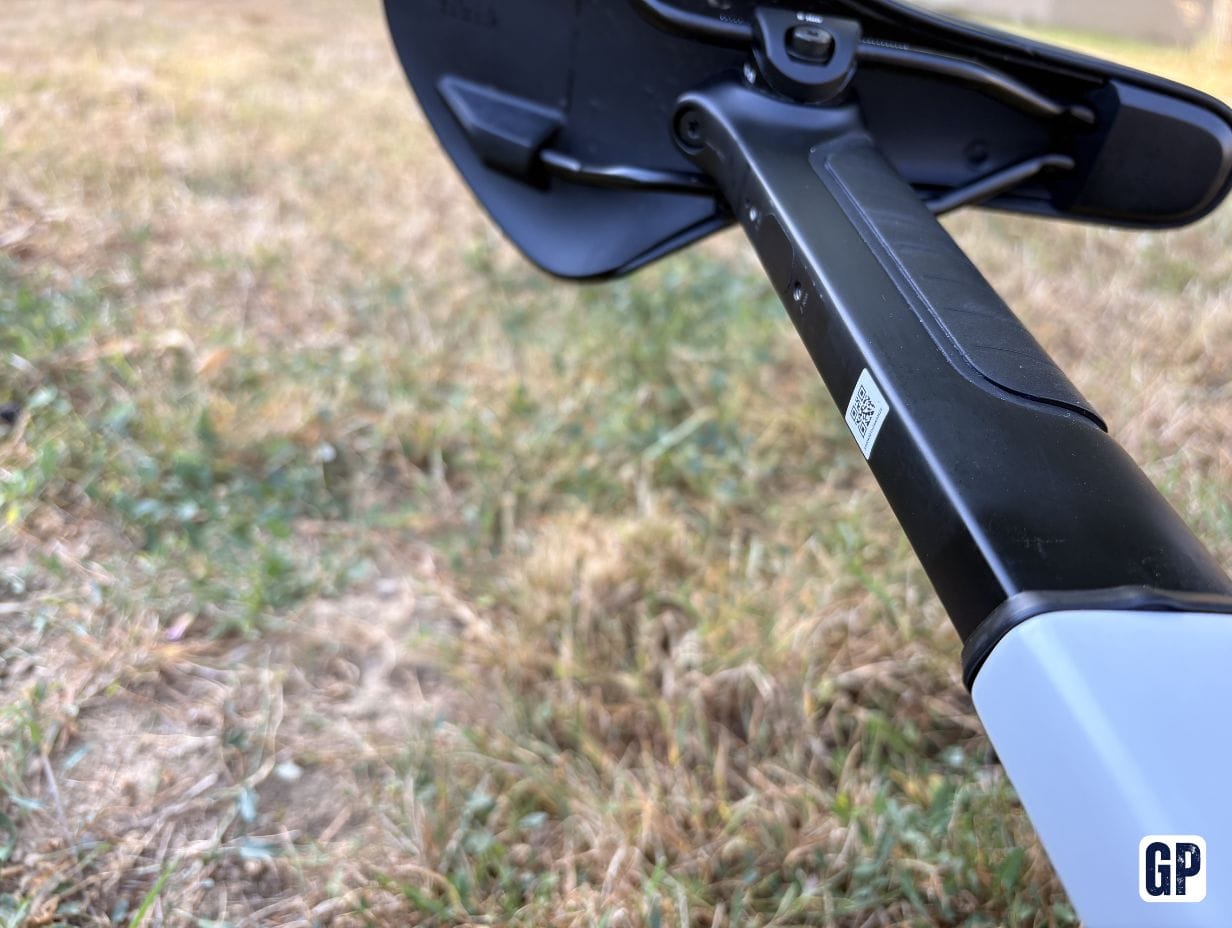
The new SP0093 VCLS Aero seatpost is among the most visible updates. Its internal two-part construction is quite specific, and its role is clear: keep an aero profile while providing vertical flex.
On this CF SLX, the comfort gain is there, but it is almost discreet because the bike is already well balanced. It was especially in comparison with the CFR that this seatpost felt very relevant.
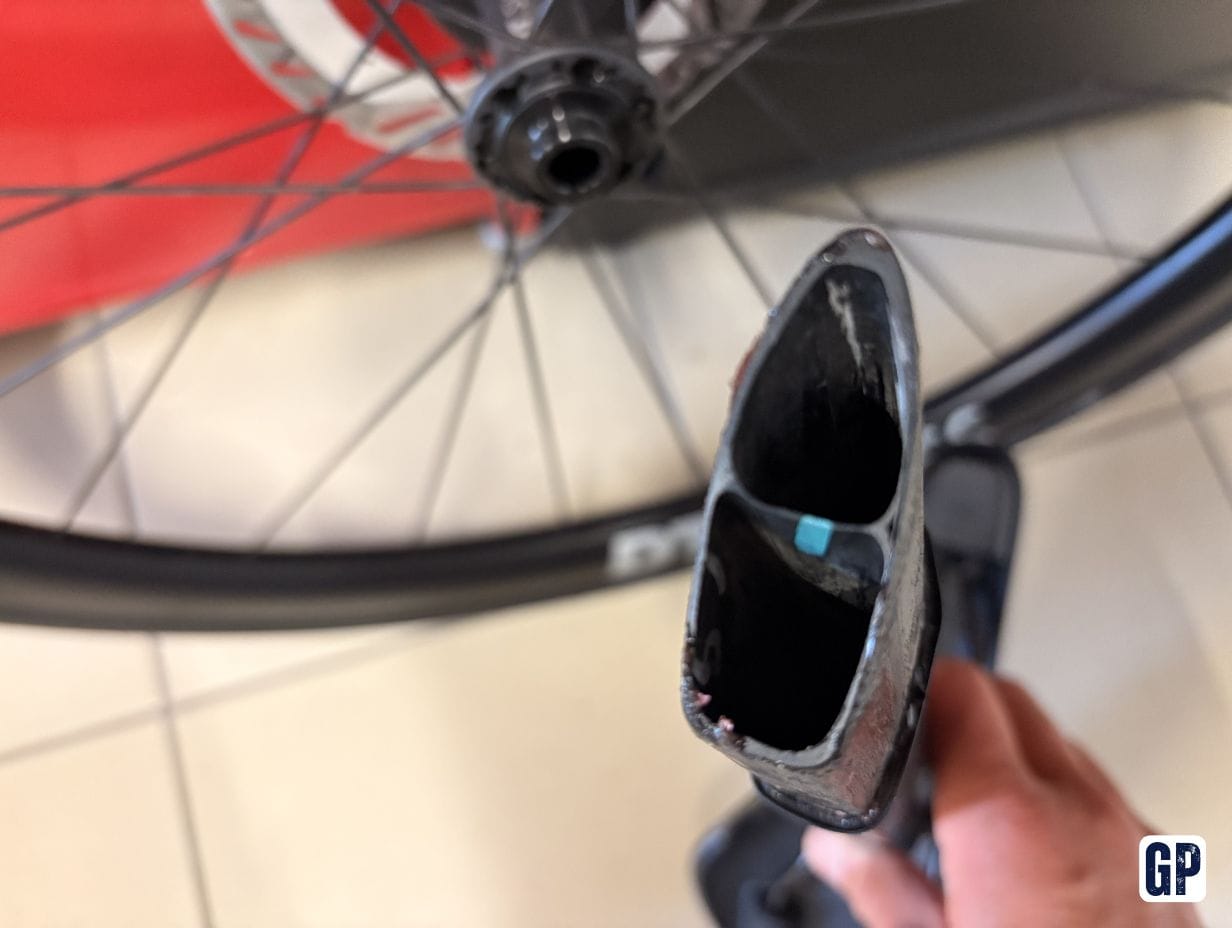
On small vibrations and coarse-chip roads, the rear filters well without giving the sensation of a bike that wallows. That is exactly what you expect from a fast endurance bike: absorb without numbing.
Canyon claims more than 25% additional vertical compliance compared with an equivalent rigid post. I cannot verify this figure, but on the bike the idea is credible. You can feel that comfort comes from the whole package of frame, tires, seatpost, not from a single isolated trick.
A modern frame, but not fully open to carrying
The frame integrates internal storage in the down tube. For me, this has become almost essential on a modern endurance bike. Being able to store a tube, a tool, a cartridge or a repair kit without adding an unsightly bag makes a lot of sense.
The Canyon LOAD system is placed quite low on the down tube. It is neat, discreet, consistent with the bike’s brief. The specific elements are sold separately, however.
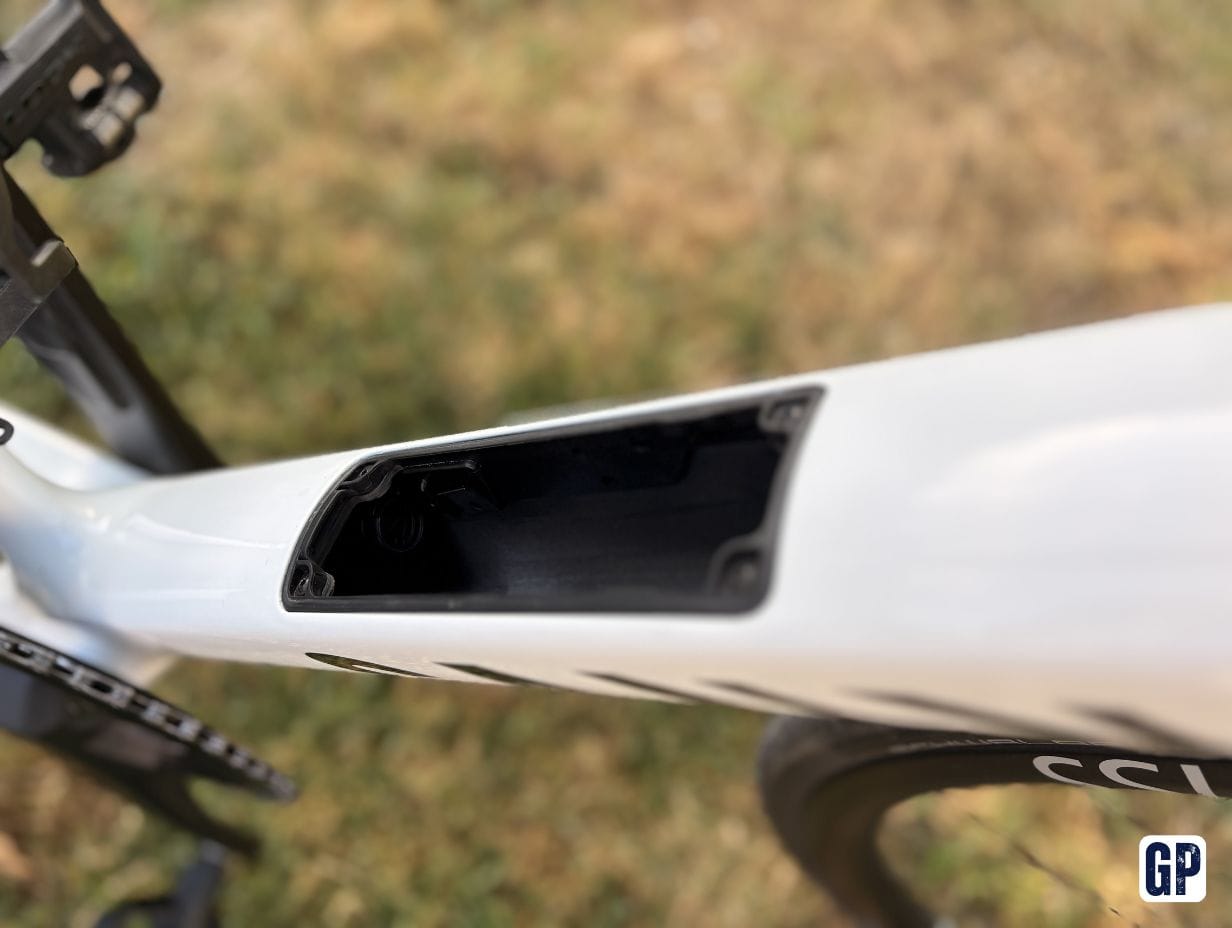
The regret is rather the lack of additional mounts for a frame-bolted bag, unlike what you find on CF models. On a performance-oriented endurance bike, I understand that Canyon wants to keep a very clean line. But in my view, performance and clean carrying are not incompatible. Especially since Canyon knows how to do it, as you can see on the current Canyon Grail CF SLX.
A bolted, well-integrated bag would have made perfect sense on this CF SLX, especially for long distances. On this point, some competitors like the Cannondale Synapse or the Scott Addict offer a slightly more open take on modern endurance.
An endurance geometry, but no longer truly relaxed
Do not get this bike wrong: even though it is called Endurace, the CF SLX no longer has much in common with the very upright endurance bikes of a few years ago.
The top tube is relatively long, and the overall reach allows a fairly aerodynamic position. Stack remains within endurance norms, but only 20 mm of spacers are supplied with the bike. For me, that is a plus: once the spacers are removed, the front end remains clean, without a useless pile-up.
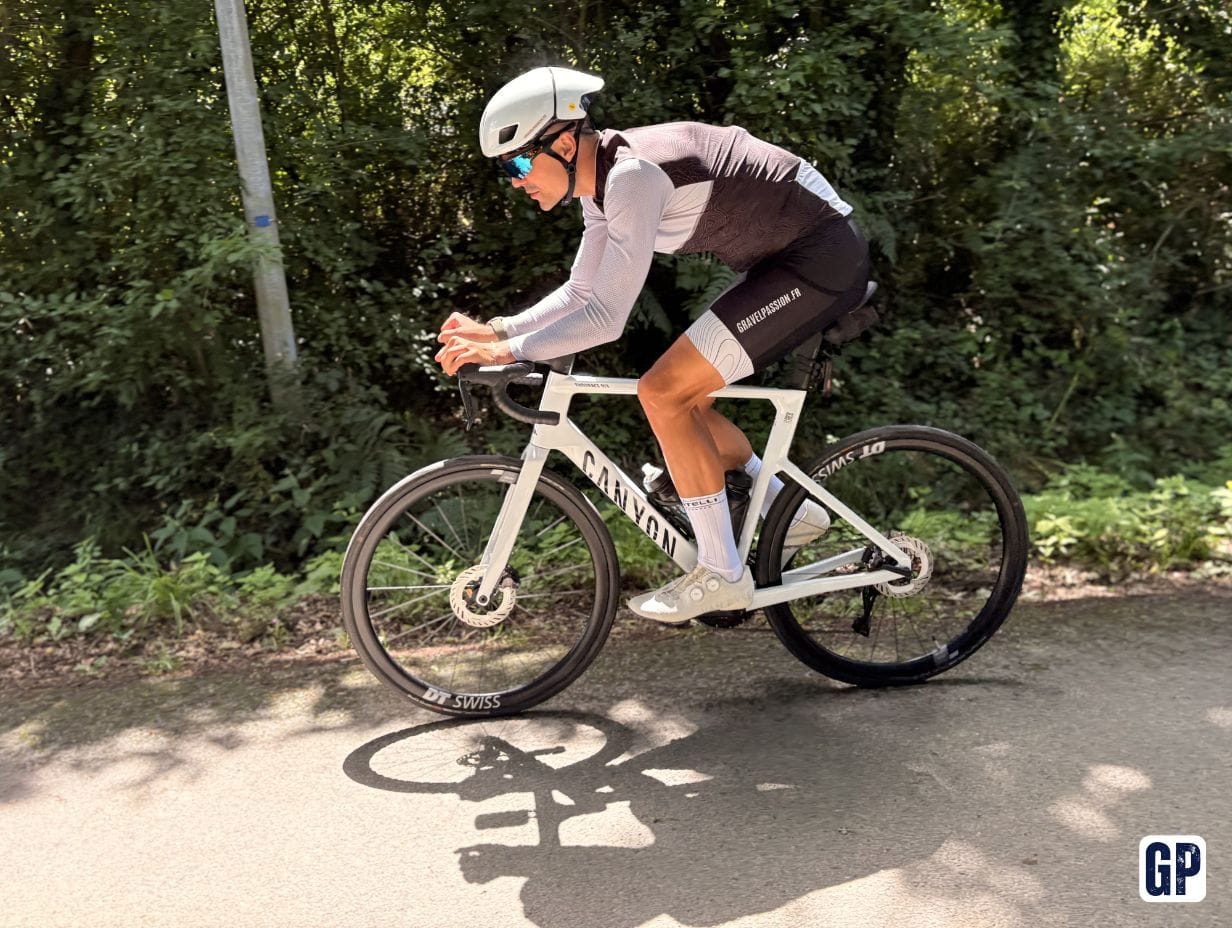
On the tested size L, Canyon fits 170 mm cranks. In size M, you even get 165 mm. This is an interesting evolution, in line with current trends: opening the hip angle, easing cadence, and limiting certain joint stresses over long distances.
The wheelbase remains fairly long, which brings stability. But this is not a dull bike. Canyon has managed to keep a dynamic character, notably thanks to well-judged stiffness at the front, bottom bracket and rear.
I weighed the complete bike at 8 kg without accessories. That is respectable for this segment, especially with an already comprehensive build. And there is real upgrade headroom on wheels or tires if you want to make it more incisive.
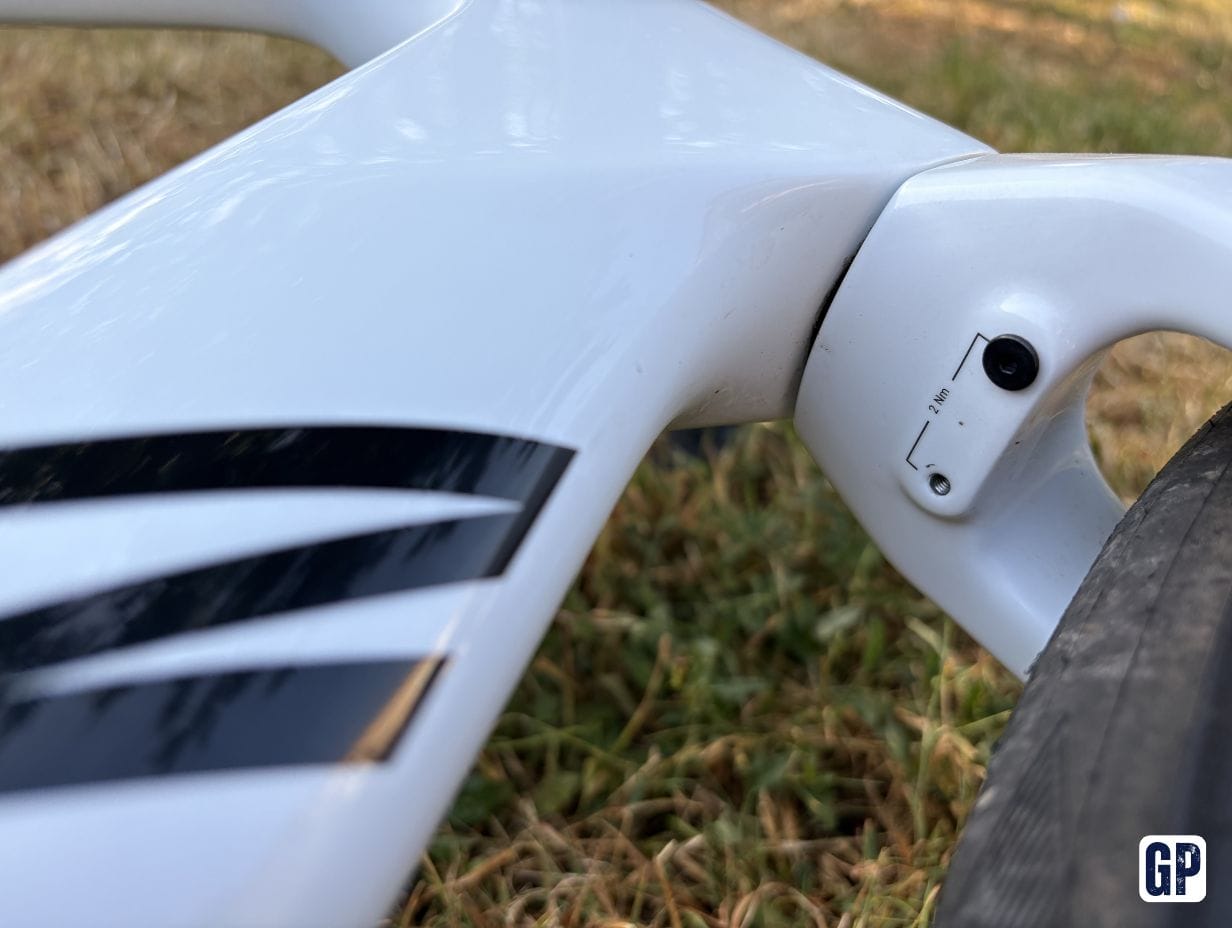
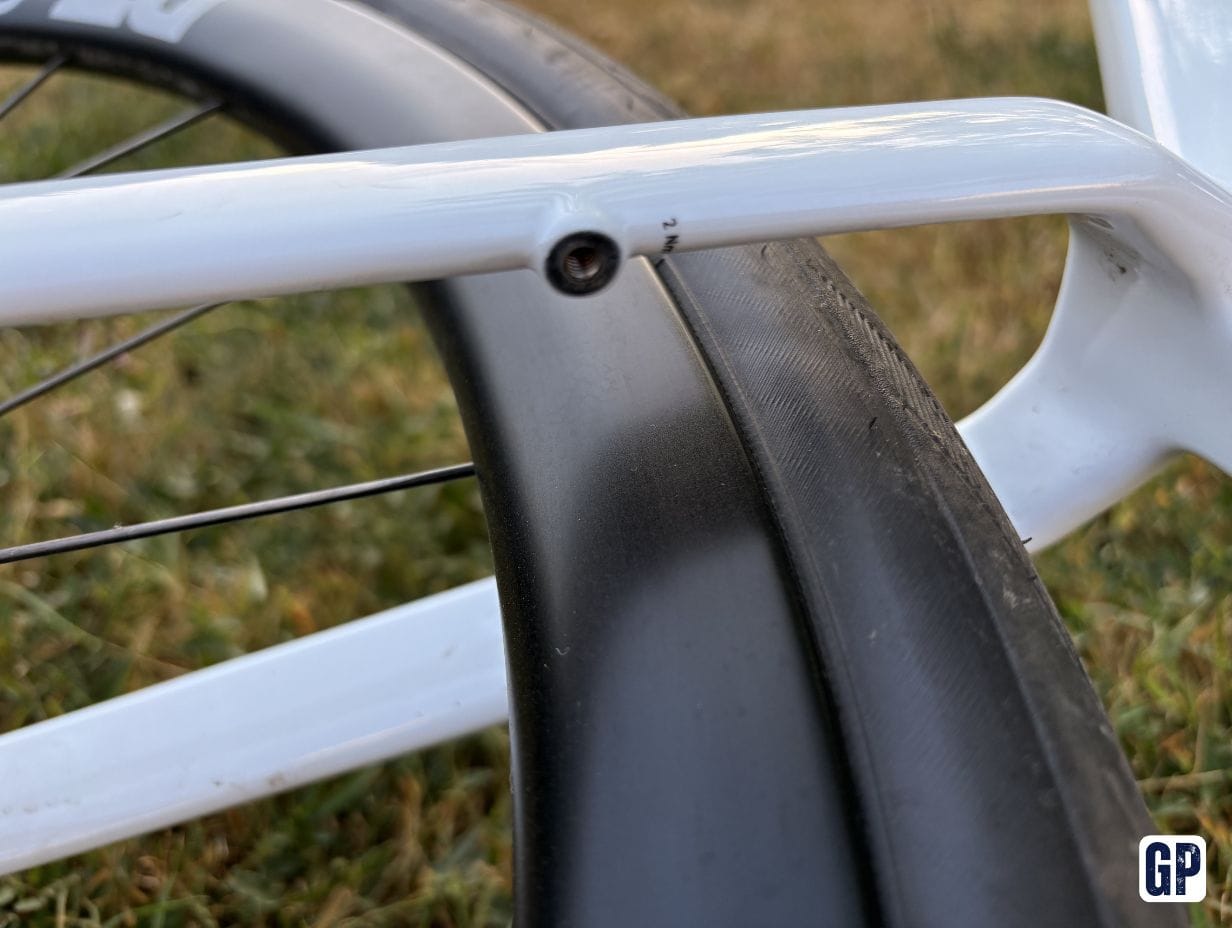
Finally, note that this bike is compatible with the very good fenders designed by the German brand.
On the road: fast, stable, never needlessly demanding
From the very first rides, I found a more efficient position than on many classic endurance bikes. I am of course a bit higher than on the WorldTour machines I usually ride, but I did not feel the need to size down to get back to an aggressive position.
Many endurance bikes force performance-oriented riders to size down to compensate for an overly tall stack. Here, the CF SLX lets you keep a fast position while staying true to the endurance logic.
Stiffness is well managed. The bottom bracket responds properly without becoming harsh. The front does not feel locked out, and the rear stays lively despite the fairly long wheelbase.
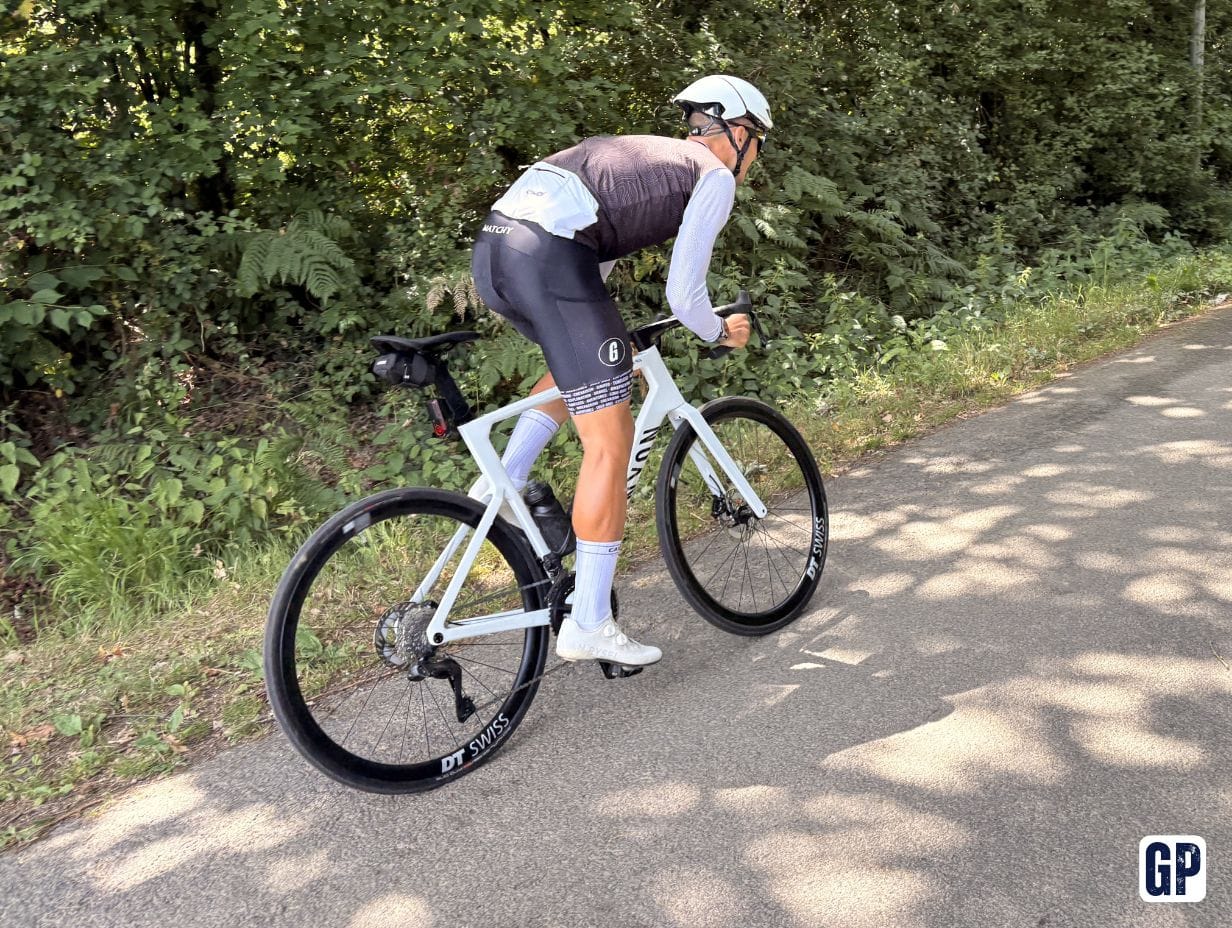
On rougher roads, the bike holds its line. It never feels floaty, yet it also avoids that sharp, fatiguing feel you can get on bikes that are too race-oriented. This is probably where Canyon has done the best work: the CF SLX stays efficient without making you pay for that performance as the hours add up.
The DT Swiss ERC 1600 wheels do show their limits if you want to turn the bike into a pure race machine. They are reliable and make sense, but they lack a bit of snap to truly elevate the frame. With a more dynamic wheelset and racier tires, the CF SLX could clearly step up a notch.
Fast road, ultra-distance, rolling gravel: the CF SLX's real terrain
The big advantage of this bike is that it is not limited to a single practice. It can serve for fast group rides, a local two-hour race, a very long-distance event or crossing a few smooth tracks with suitable tires.
It will not replace a gravel bike if your riding often goes beyond clean white roads.
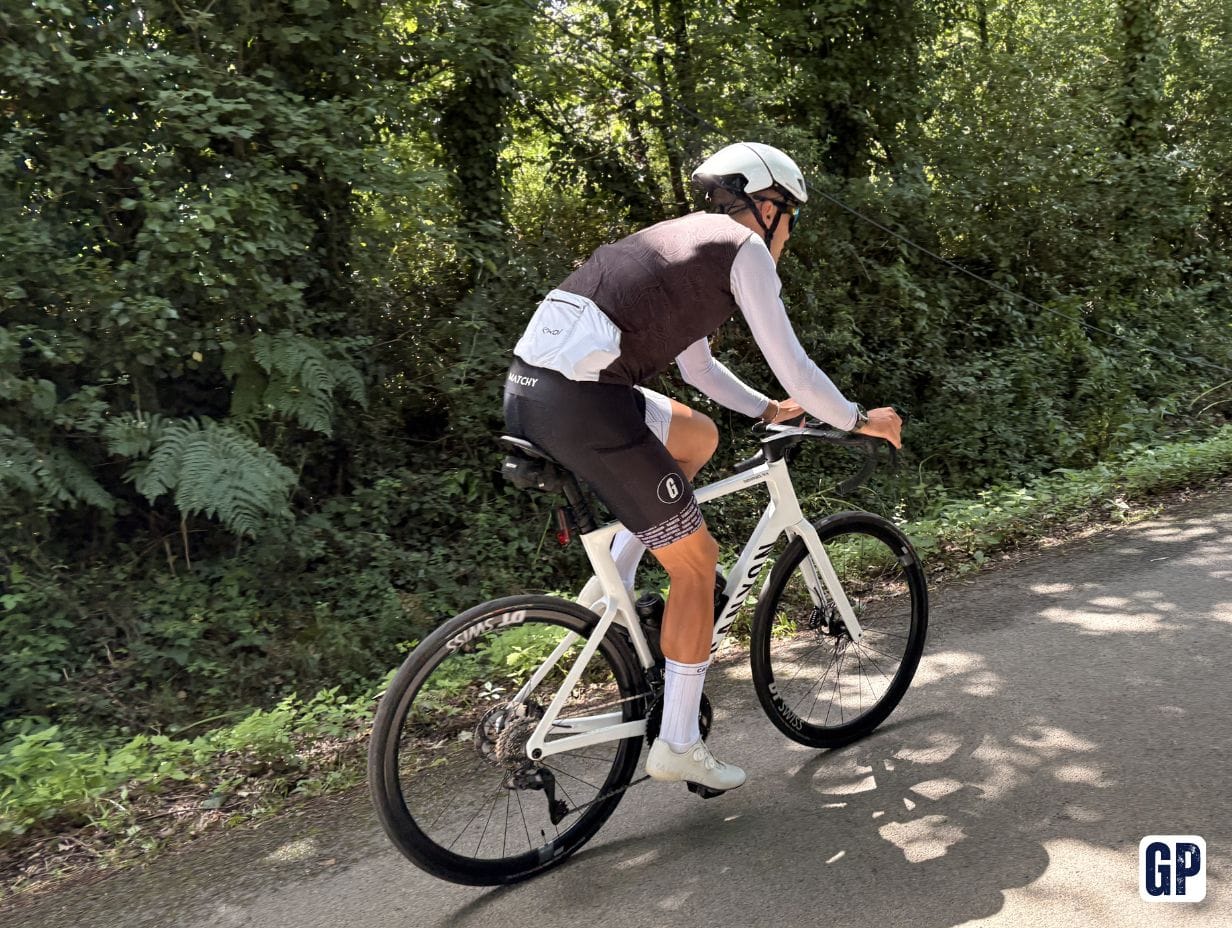
But for a road rider who wants to keep efficiency, add comfort and allow a few incursions off tarmac, the CF SLX ticks a lot of boxes.
The 38 mm clearance gives real freedom. You can imagine a fast 32 mm road setup, a 35 mm long-distance setup, or a slightly treaded 38 mm for broken roads and very smooth tracks. That is exactly what a modern endurance bike should allow.
What it still lacks to be perfect
This bike is really close to perfect, truly. But you know me, I like to nitpick. 
The first shortcoming concerns the builds. The absence of a SRAM Force AXS version on this CF SLX is a shame. Canyon offers Rival (CF SLX 7) and Red (CFR) at other levels, but a Force build would likely have been very coherent for this positioning.
The second point concerns carrying options. Internal storage is a good thing, but the lack of mounts for a bolted bag or 2-point mounts on the top tube slightly limits the long-distance logic. It is not a deal-breaker, but it is a missed opportunity.
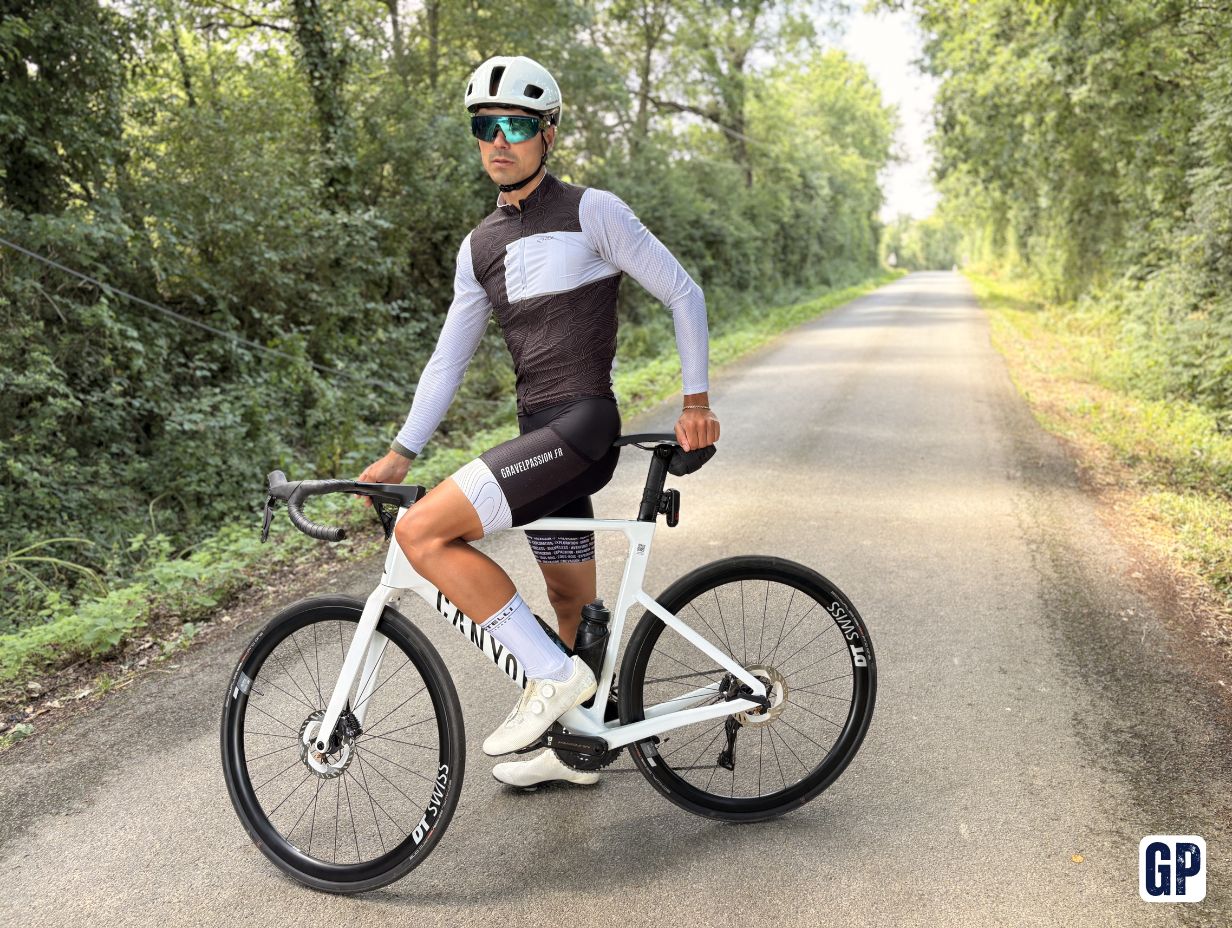
Finally, the wheels are not bad, far from it. But they are more in tune with versatile use than with the pursuit of maximum performance. Those who want to exploit the frame in a sportier register will probably want to replace them in the medium term.
A fairly obvious future best seller
At 4 499 €, with Ultegra Di2, carbon wheels, adjustable carbon cockpit, power meter and a modern frame, the Canyon Endurace CF SLX 8 Di2 is very aggressive on pricing.
But its appeal is not just about price. It is above all about balance. Canyon has managed to produce a bike that stays fast without becoming radical, comfortable without becoming soft, versatile without losing its road identity.
The CF will be more logical for riders who primarily seek comfort and an easy position. The CFR will appeal more to those who want a very race-focused bike for rough roads. But for many riders, this CF SLX is probably the true heart of the Endurace range.
It is not perfect, but it hits the mark. And in this category, that is often what makes the best bikes.