
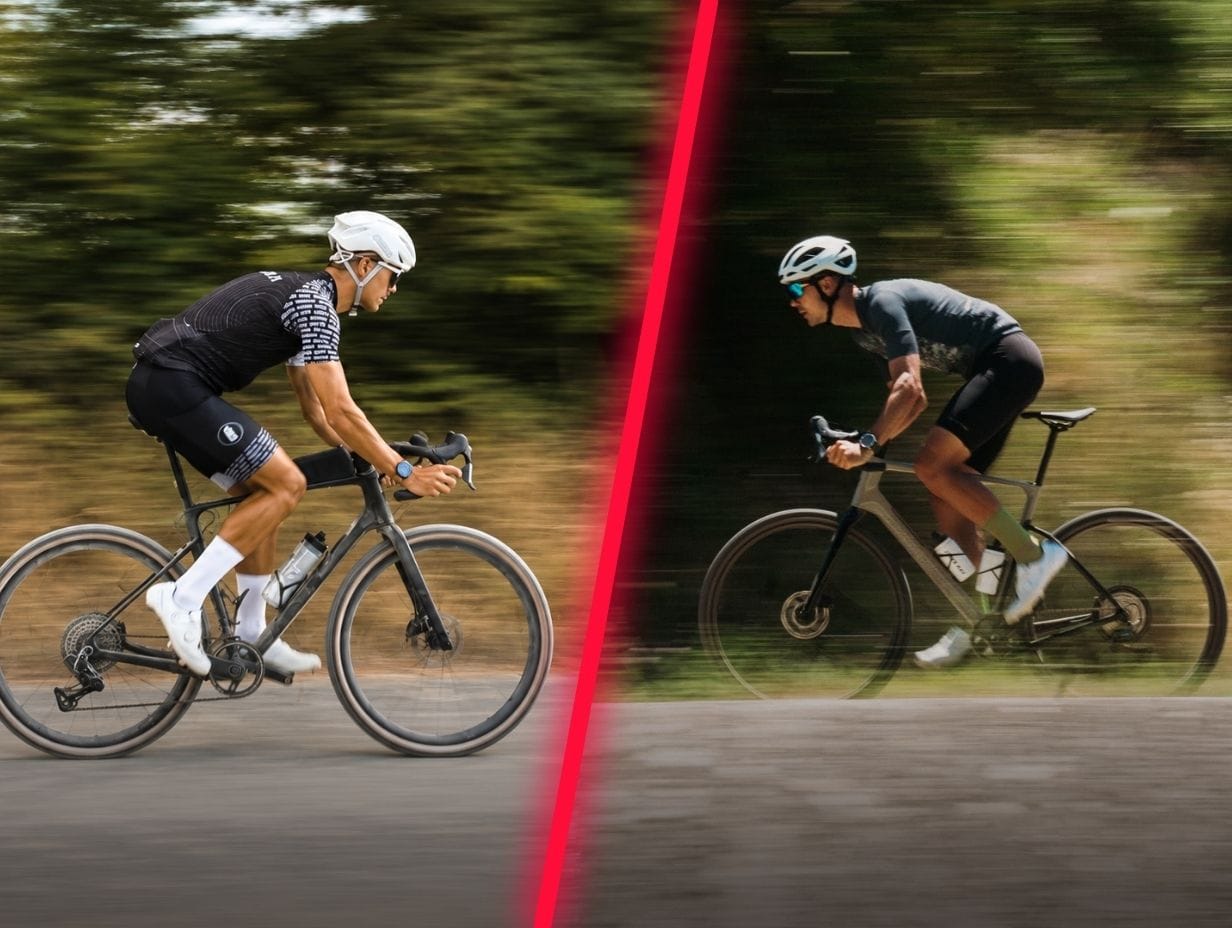

At first glance, you could almost flip a coin.
On one side, the Cube Nuroad C:62 EXC, priced at €3,499. On the other, the Van Rysel EDR-G CF SRAM Force, selling for €3,199.99.
Two carbon gravel bikes. Two SRAM Force XPLR AXS 13-speed groupsets. Two carbon wheelsets. The same Schwalbe G-One R Pro tyres in 45 mm. The same claimed maximum tyre clearance of 50 mm. And two price tags that will make plenty of bikes listed well above €5,000 nervous.
V ⚡️ S
The matchup looks tight. It really is. But after riding both platforms recently, notably in the full review of the Cube Nuroad C:62 EXC and the first ride of the Van Rysel EDR-G, a few differences emerge.
Not huge differences. Not enough to pit a radical race gravel against a pack-mule adventure bike. But enough to steer the choice based on how you ride.
Two spec sheets that are almost indecent at this price
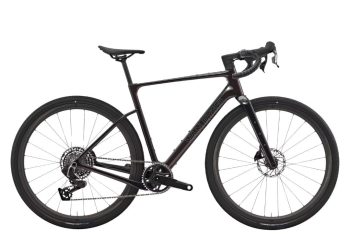
The Cube Nuroad C:62 EXC comes with the SRAM Force XPLR AXS E1 1×13-speed groupset, with a 42-tooth chainring and a 10-46 cassette. The build adds Newmen Advanced G.34 carbon wheels, Schwalbe G-One R Pro tyres in 45 mm, a carbon seatpost, a carbon cockpit and even a power meter integrated into the crankset for a measured weight of around 8.3 kg.
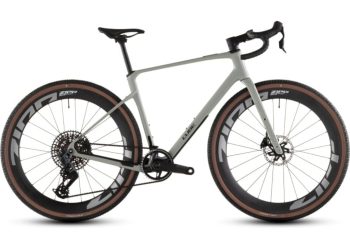
At Van Rysel, the EDR-G CF SRAM Force uses the same groupset foundation: SRAM Force XPLR AXS 13-speed, a 10-46 cassette, Schwalbe G-One R Pro tyres in 45 mm and VR32 Gravel carbon wheels. The carbon frame is quoted at 1,100 g, and the complete bike at 8.8 kg.
Price: €3,199.99.
| Cube Nuroad C:62 EXC | Van Rysel EDR-G Force | |
|---|---|---|
| Prix | 3 499 € | 3 199,99 € |
| Transmission | SRAM Force XPLR AXS 1x13 | SRAM Force XPLR AXS 1x13 |
| Roues | Newmen Advanced G.34 carbone | VR32 Gravel carbone |
| Pneus | Schwalbe G-One R Pro 45 mm | Schwalbe G-One R Pro 45 mm |
| Dégagement | Jusqu’à 50 mm | Jusqu’à 50 mm |
| Poids | 8,2 kg | 8,8 kg |
| Stockage intégré | Non | Oui |
| Capteur de puissance | Oui | Non |
Same family, not exactly the same character
Both bikes target a very similar brief: versatile carbon gravel, quick on fast-rolling tracks, still pleasant on the road, compliant enough to handle several hours in the saddle and modern enough to take tyres up to 50 mm.
Neither tries to become a pure gravel race bike. Neither tips into a full-blown expedition bike either.
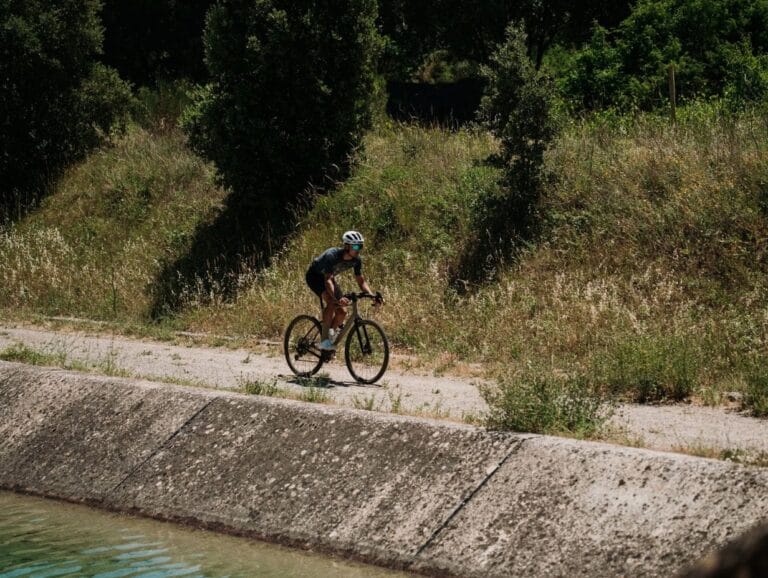
The nuance lies elsewhere: in how they pick up, hold speed, filter the terrain and inspire rider confidence.
The Cube keeps a genuinely sporty side
The Nuroad C:62 EXC surprises because its geometry chart does not promise a particularly lively bike. The wheelbase remains generous, the chainstays measure 440 to 442 mm depending on size, and the whole could suggest a very composed character.
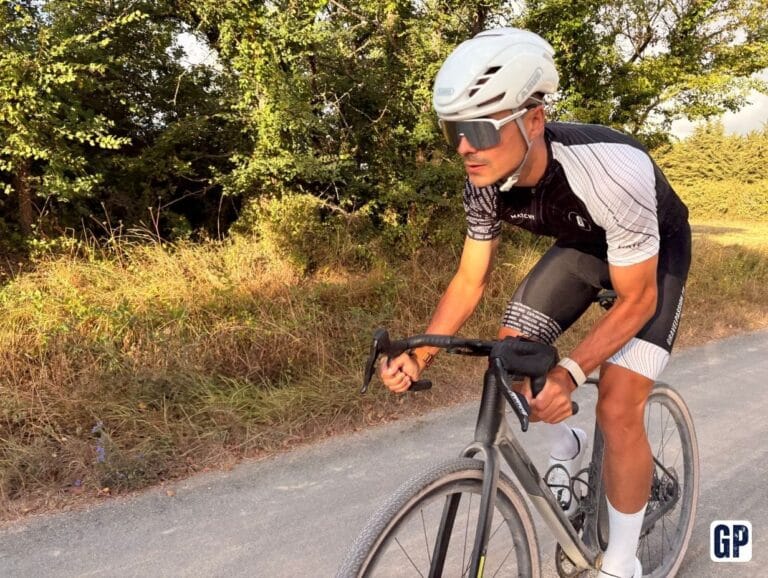
On the move, the bike feels livelier than expected.
The front end goes where you want it, steering stays smooth, and the frame responds well when you need to kick on. It is not an ultra-stiff bike that fires back every watt harshly. It is more interesting than that: it accelerates without becoming demanding.
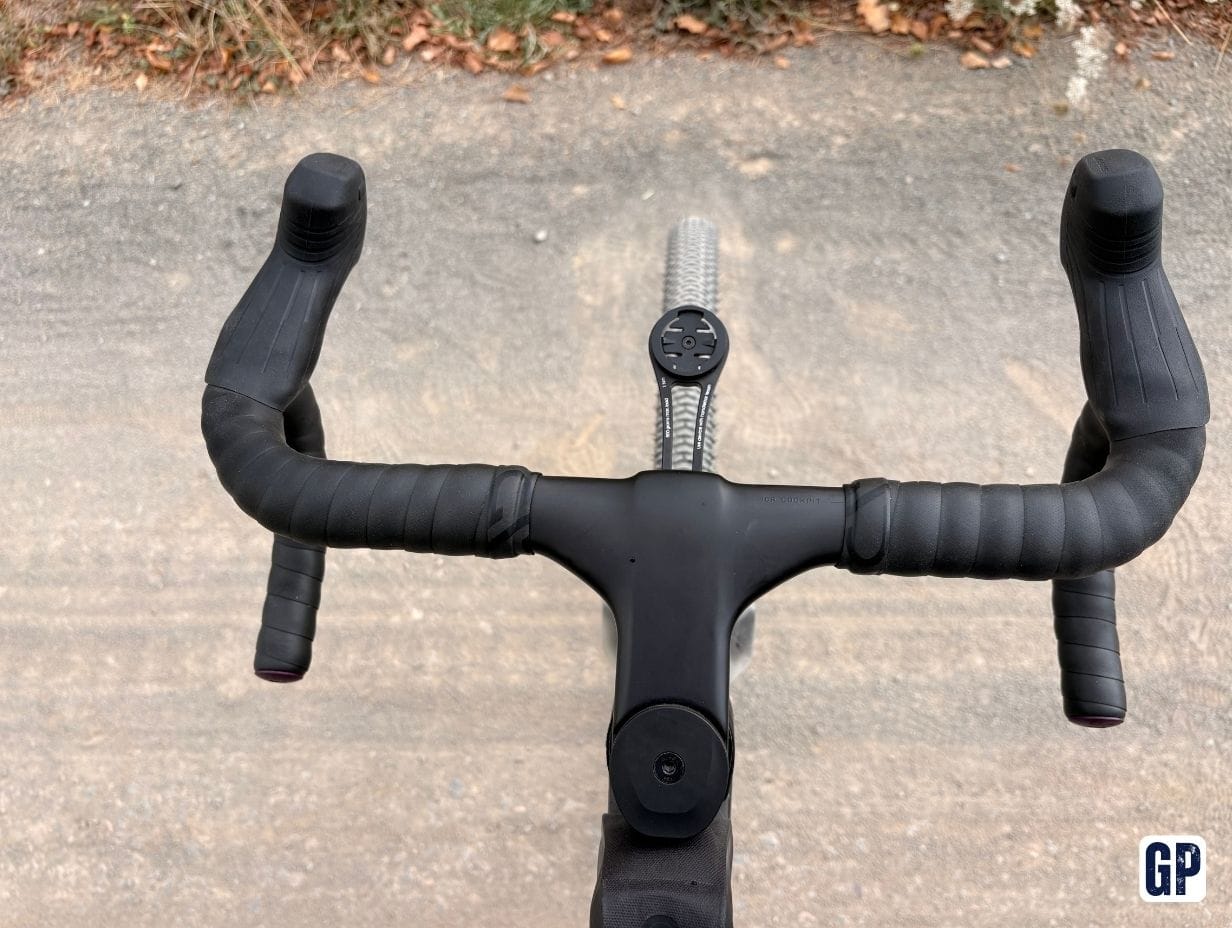
The Newmen Advanced G.34 wheels contribute to this feel. Their relatively low profile does not deliver the speed effect of a deep-section carbon wheelset, but they remain easy to exploit when the terrain gets twisty, technical or choppy.
This is probably where the Cube sets itself apart: it remains comfortable, but it keeps a touch of snap that makes you want to play with the terrain.
The Van Rysel reassures more over the long haul
The EDR-G leaves a different impression. The first ride of around 60 km, with more than 1,200 m of elevation, does not replace a long-term test. But it is enough to understand the bike’s brief.
The Van Rysel is very composed. Extremely so.
The front end is precise enough to place the bike cleanly, but the relatively long wheelbase gives a lot of stability as speed rises or the surface deteriorates. It does not try to catch its rider out. Instead, it instils a sense of calm.
The position goes the same way: natural, accessible, less aggressive than some recent gravel bikes. The EDR-G wants to ride long without unnecessary fatigue, rather than chase the most racy posture possible.
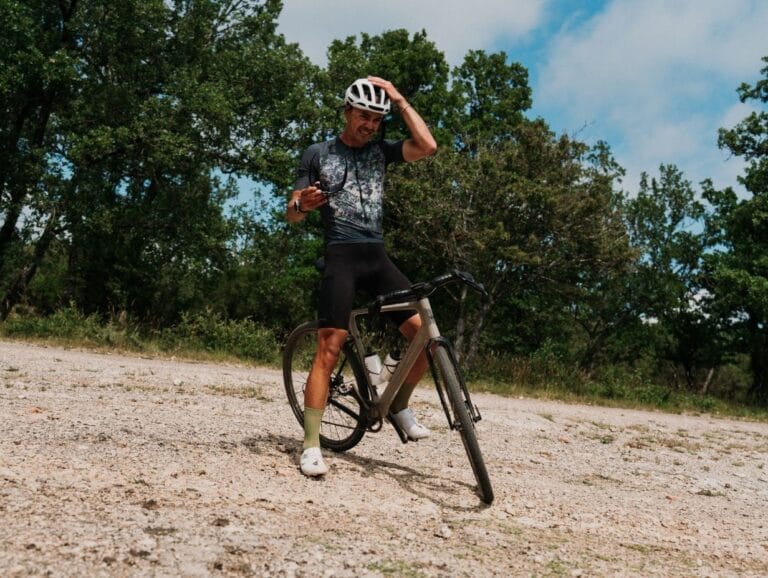
Small caveat to keep in mind: the first ride was on a GRX version with aluminium wheels. The Force version compared here gets VR32 Gravel carbon wheels. They should logically bring more snap, but they will not completely change the frame’s personality.
Comfort: no bad choice, but a nuance
The Cube could look intimidating with its more dynamic side. In reality, it remains very comfortable.
The 27.2 mm carbon seatpost does its job, the 45 mm tyres already filter a lot, and the Newmen wheels do not give that harsh, dead feel sometimes associated with certain carbon wheelsets. Even the integrated cockpit remains approachable: the front end is not locked out.
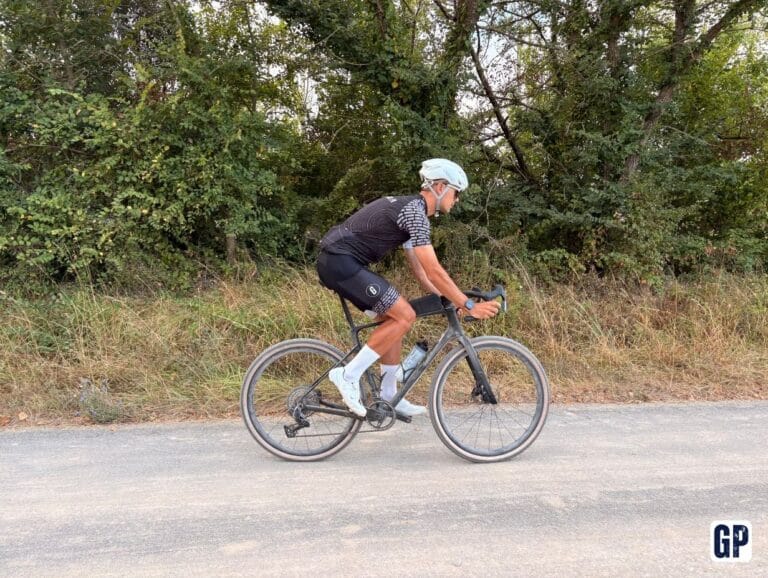
The Van Rysel simply pushes this endurance logic a little further.
On the first ride, the bike let us finish fresh despite a demanding route. That is not a definitive conclusion over 200 or 300 km, but the feeling matches its positioning well: a stable, comfortable gravel bike designed to limit fatigue.
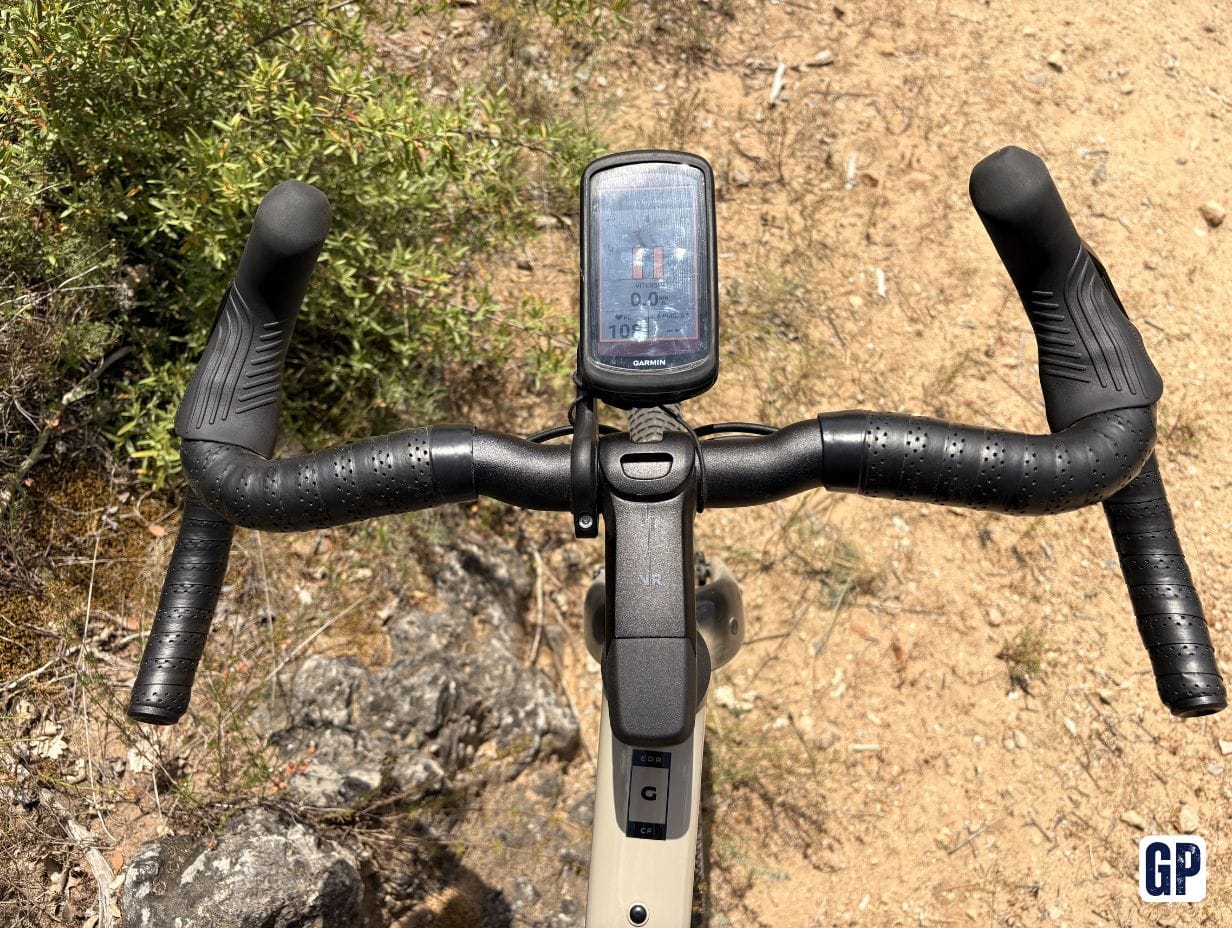
If your riding revolves mainly around long outings, gravel brevets, days with lots of climbing or rides where you want to get home feeling fresh, the Van Rysel takes a slight advantage.
Slight, genuinely. The Cube is not harsh. It is just a touch more lively.
Integrated storage changes day to day
Here is a much clearer difference.
The Cube Nuroad C:62 does not offer internal storage in the frame. Cube makes up for it with a 0.7-litre ACID Pack Pro bag bolted to the top tube. It is stable, neatly integrated and sufficient to carry an inner tube, a few tools or some nutrition.
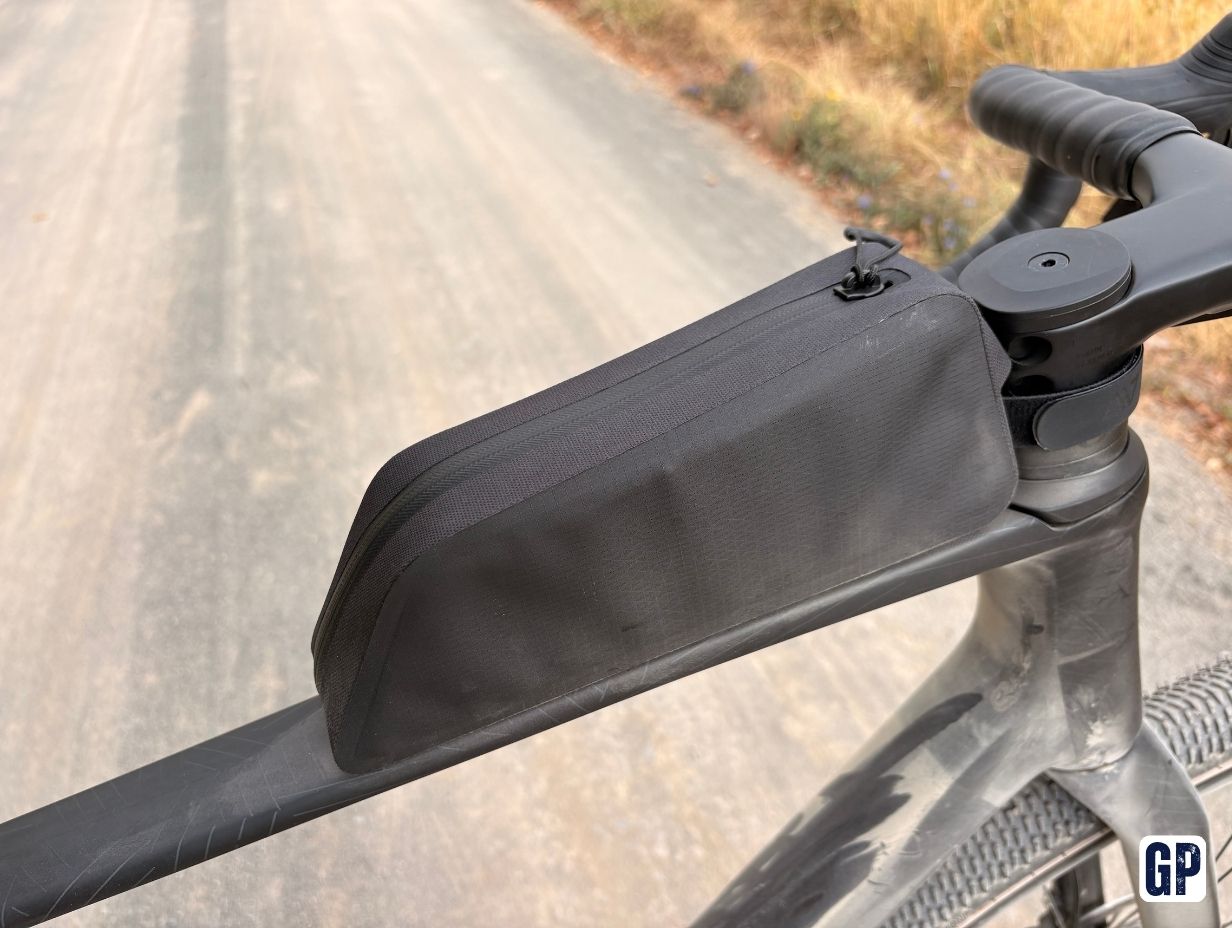
It works well. But it is not the same philosophy.
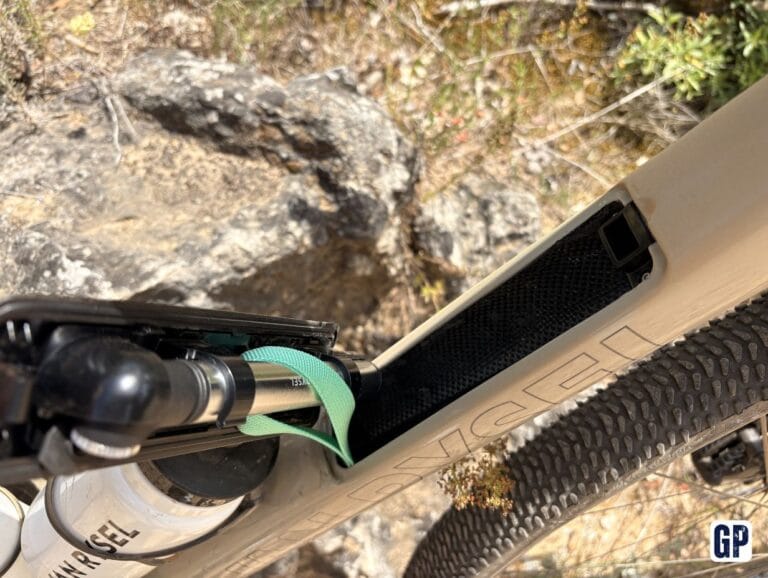
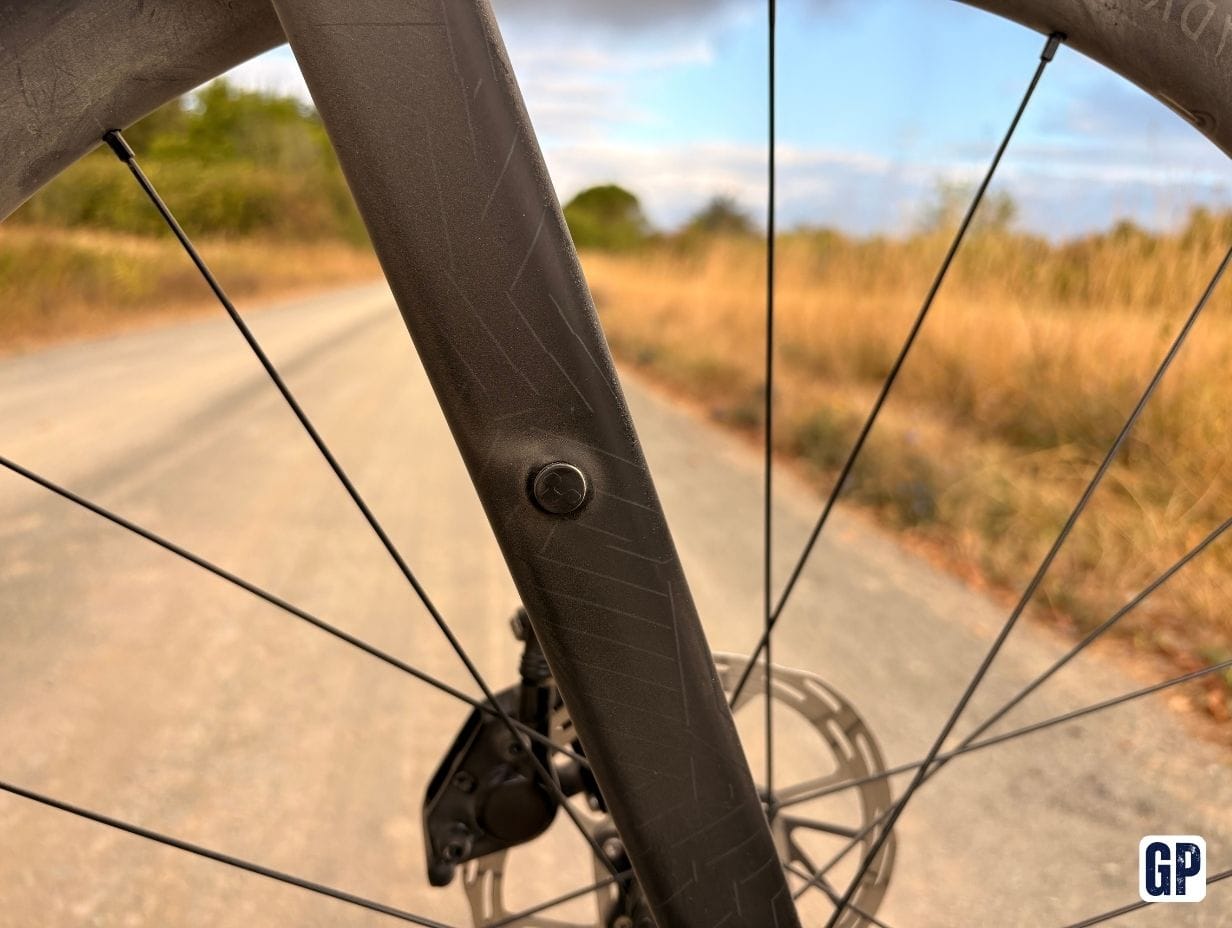
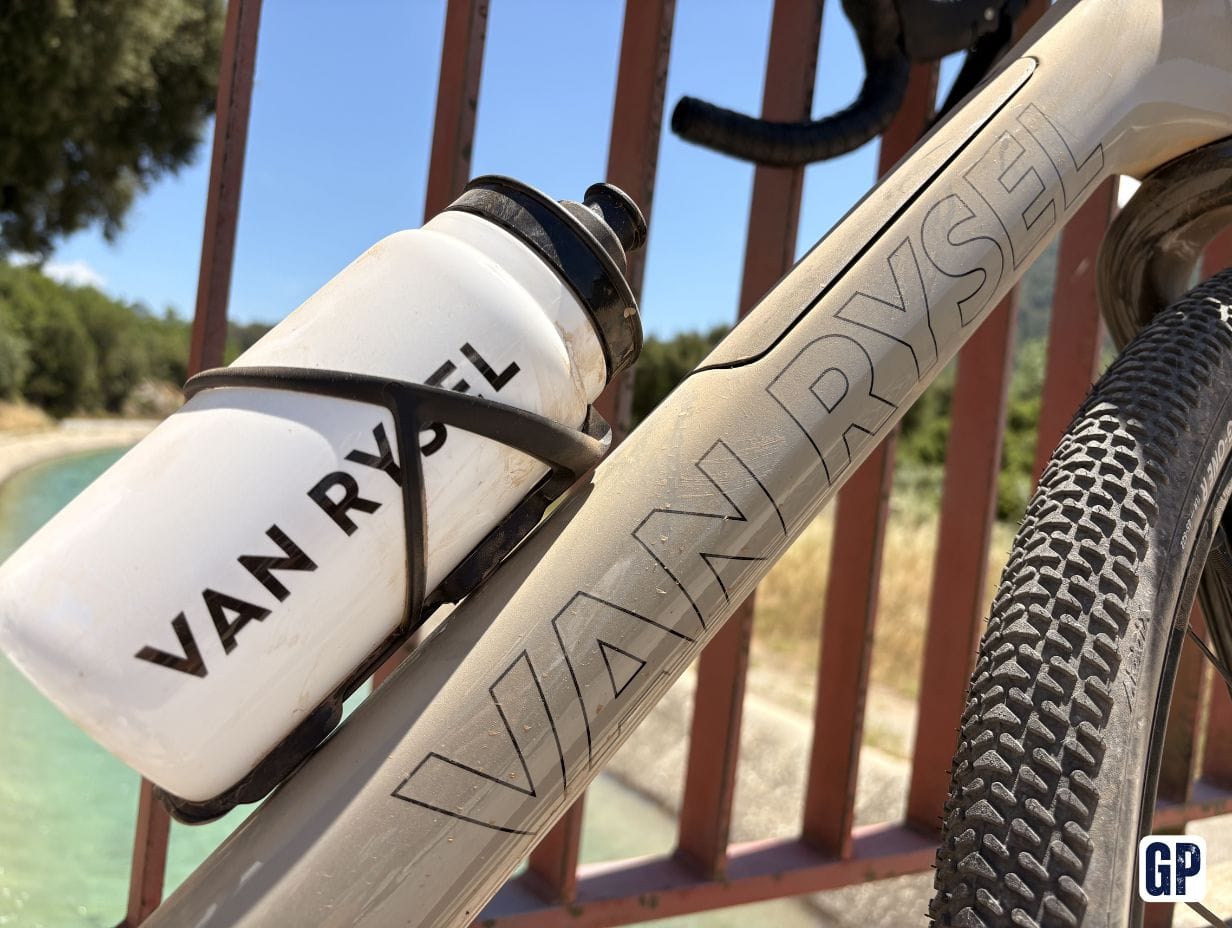
The Van Rysel EDR-G integrates a hatch on the down tube, with access to a storage compartment. Above all, the bike comes with a complete kit: TPU inner tube, multitool, mini-pump and two tyre levers. The set weighs 260 g.
It is the kind of detail you underestimate when reading a spec sheet. In use, it is very practical. You fit the kit, you almost forget the saddle bag, and the bike stays clean.
The power meter complicates the price matchup
Van Rysel wins on headline price: €3,199.99 versus €3,499.
But the Cube comes with a power meter as standard on the SRAM Force crankset. For a rider who never trains with power, the benefit will remain limited. For someone preparing events, pacing long rides or who simply likes to objectify their sensations, it is a real plus.
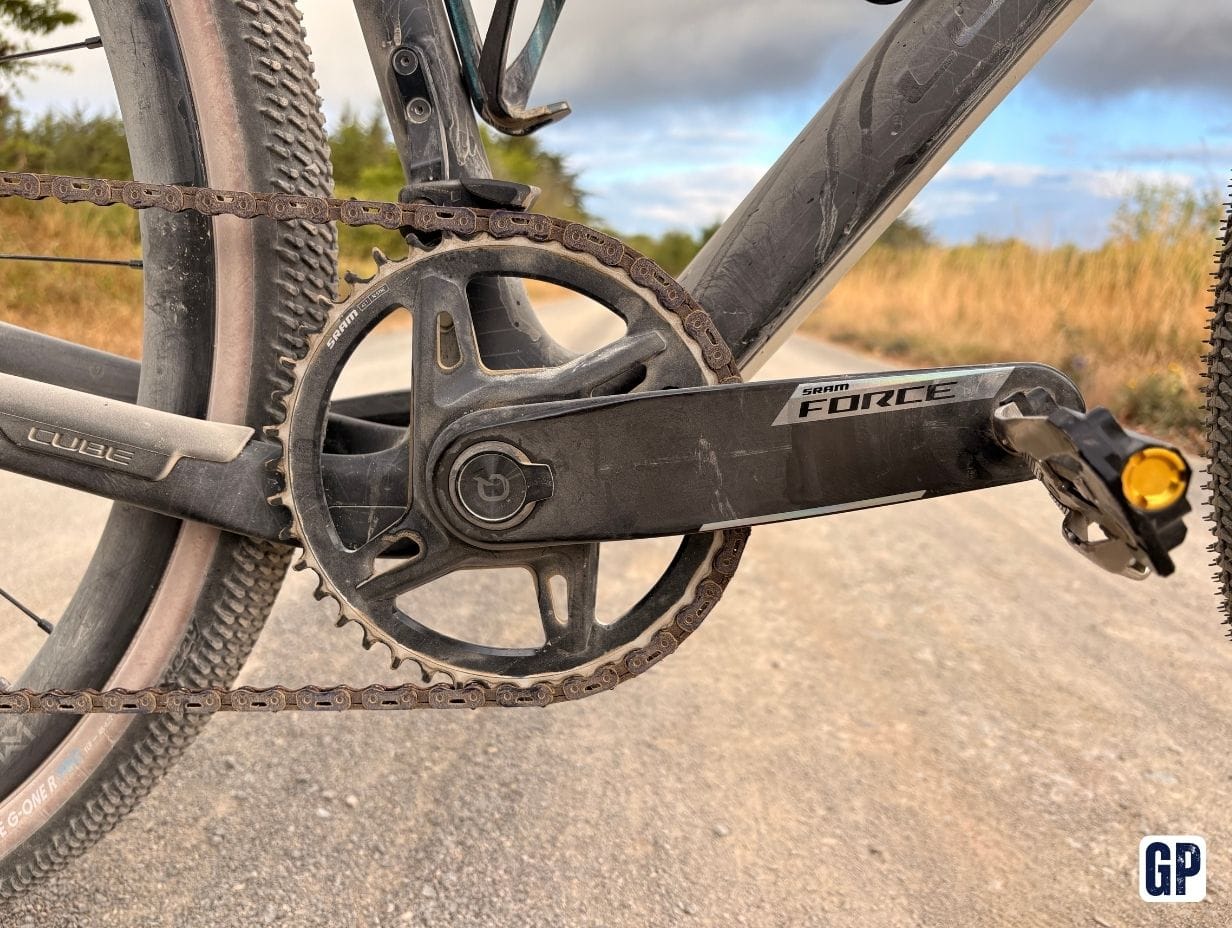
And if you add the meter, the integrated carbon cockpit, the Newmen wheels and the lower weight, the €300 difference becomes easy to justify.
The Van Rysel remains cheaper. The Cube is not less well positioned.
That is exactly the issue with this comparison: both bikes are very aggressive, but not in the same way.
Which one for French-style gravel?
These two bikes share a welcome trait: they do not try to solve imaginary problems.
They are fast on white roads. They remain pleasant on tarmac. They accept wide tyres. They can cope with fairly rough tracks. And they do not impose a race position on a rider who just wants to ride four or five hours at a decent clip.
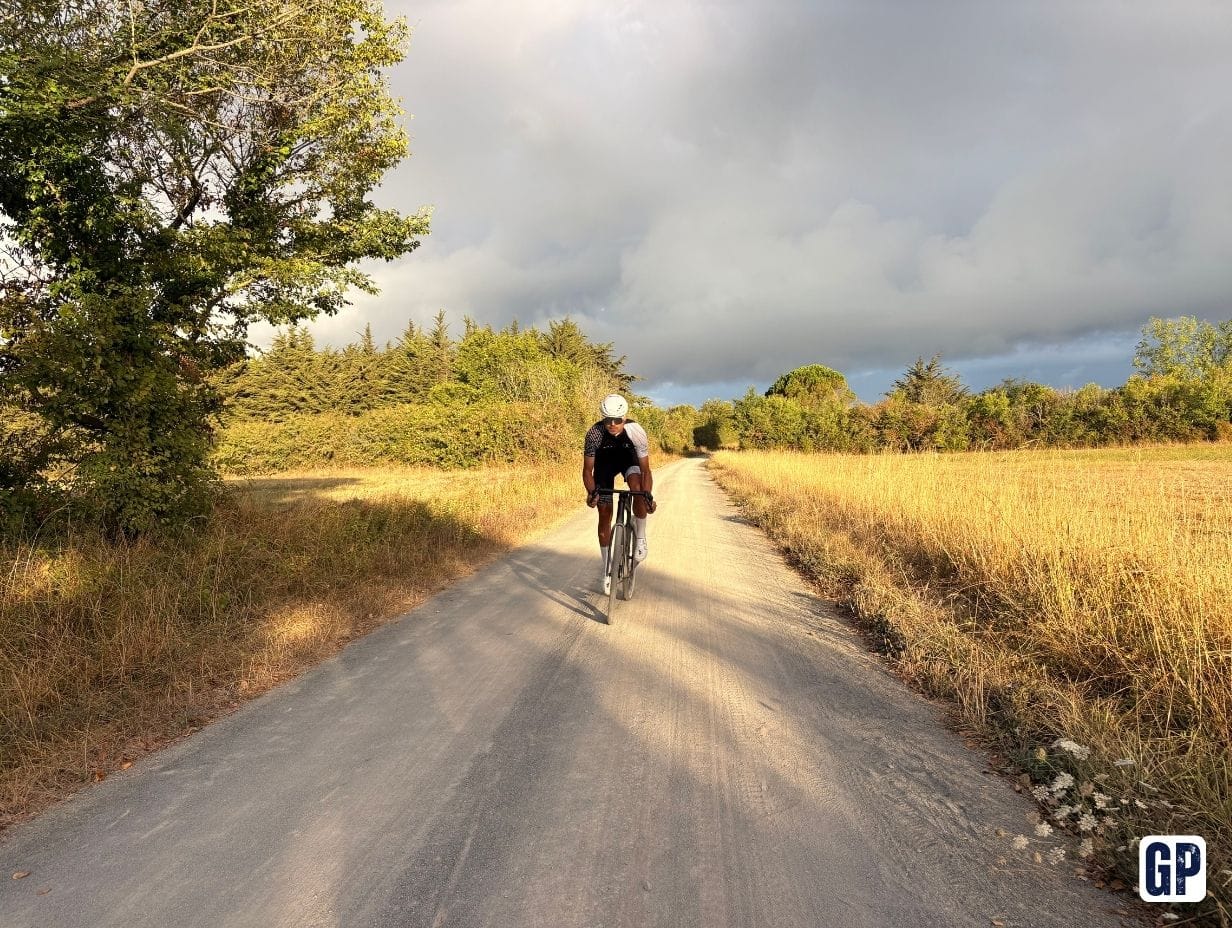
That is probably why they fit French gravel so well: a mix of back roads, farm tracks, fast-rolling sections, rougher portions, punchy efforts and long transitions.
The Cube speaks more to the rider who likes to accelerate, punch out of corners, feel a light bike and keep a sporty margin.
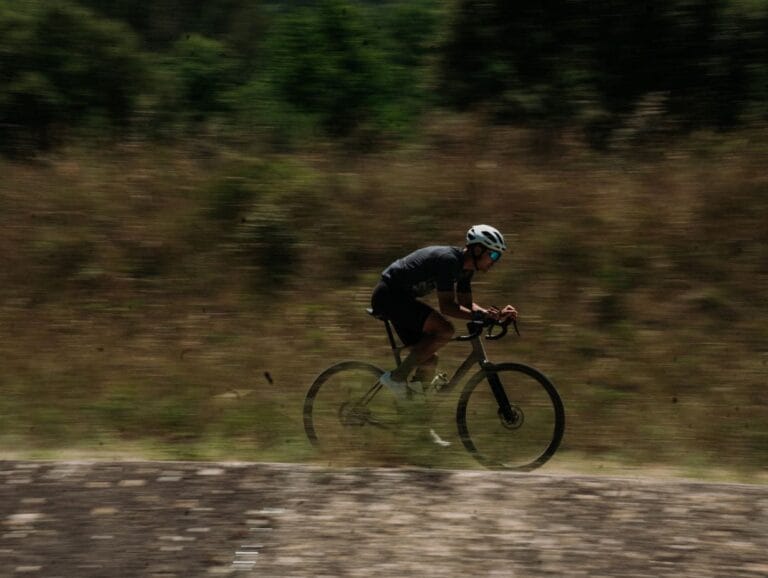
The Van Rysel speaks more to those who want a stable, comfortable bike, well thought out for self-sufficiency, with neat storage and a less demanding position.
Do you have to choose the versions over €3,000?
Not necessarily.
At Van Rysel, the EDR-G range notably includes a mechanical Shimano GRX version at €2,199, this SRAM Force XPLR AXS version with carbon wheels at €3,199.99, and a variant with a RockShox Rudy suspension fork at €3,499.
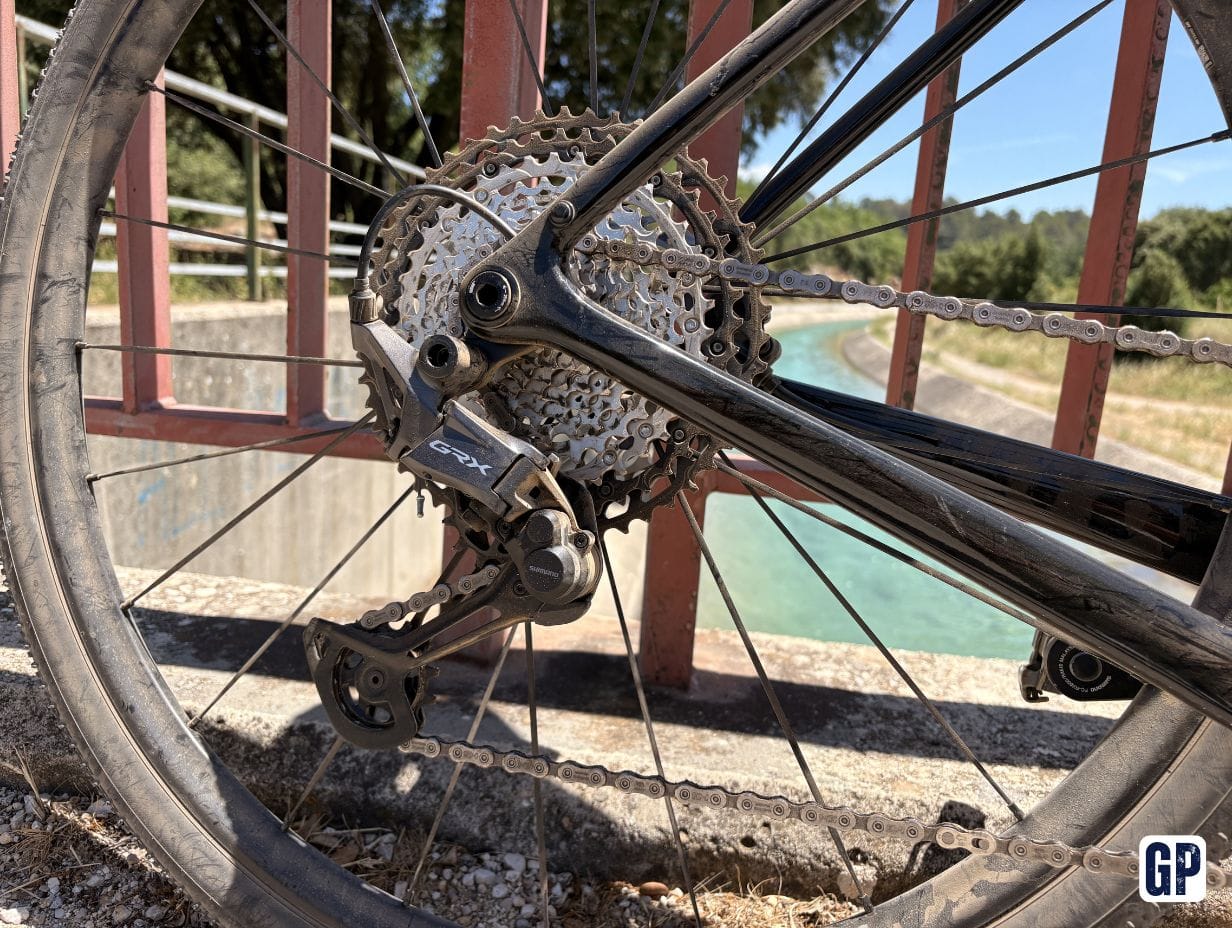
The GRX version may be the most rational choice for many riders. The Force becomes interesting if you absolutely want electronic shifting, carbon wheels and a very high-spec build. The Rudy is more for those who often ride broken, rough terrain.
At Cube, the Nuroad C:62 family is broader, with several builds around the same frame. The C:62 EXC keeps a very strong positioning: Force XPLR, carbon wheels, carbon cockpit, power meter and a restrained weight for €3,499.
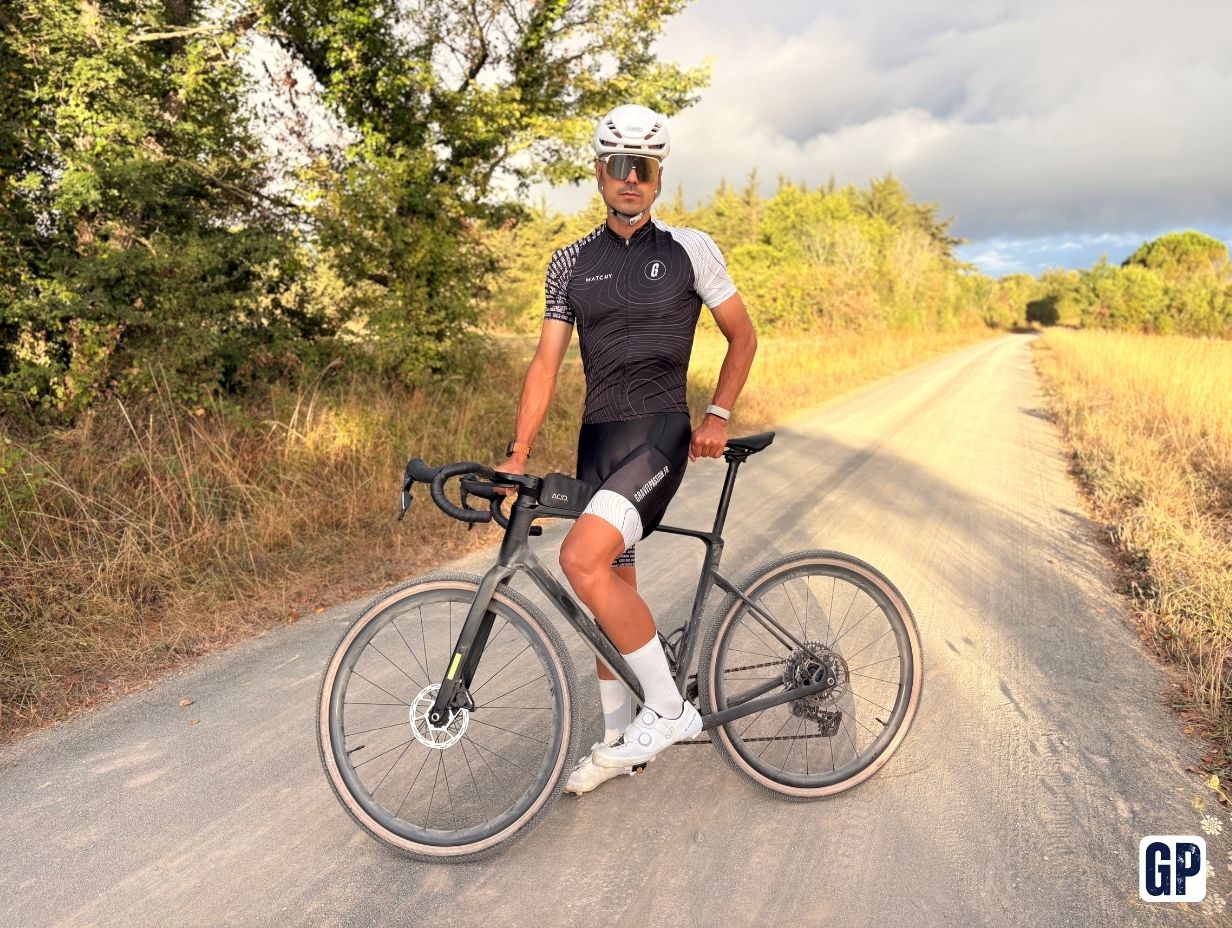
In both cases, you should above all avoid choosing the most expensive version just because it exists. The right build is the one that matches your terrain, your way of riding and your expectations for the equipment.
The most logical choice for your riding
If you are looking for a versatile carbon gravel bike, comfortable but with a genuinely sporty temperament, the Cube Nuroad C:62 EXC has serious arguments. It is lighter, livelier, comes with a power meter, and its spec easily justifies the extra €300.
If your priority is comfort, stability, long distances and ease of use, the Van Rysel EDR-G Force is hard to ignore. Its integrated storage is better thought out, its price remains lower and its endurance philosophy is very clear.
The Cube would be our choice for sporty, all-round riding.
The Van Rysel would be the most natural choice for riding more oriented towards endurance, self-sufficiency and long days.
There is no obvious loser here. More like two different answers to the same question: how to offer a very well equipped carbon gravel bike around €3,000 without making it feel like corners were cut in the wrong places?
And on that front, Cube and Van Rysel send a fairly clear message to the rest of the market.