
Pardus has officially arrived in Europe. The Chinese brand, the premium bike division of Taishan Sports Industry Group, is not just turning up with a web shop or a few framesets to drip-feed.
And that’s precisely where the announcement gets interesting.
On paper, Pardus wants to set up with a real European structure, a local team, a dealer network, and logistics designed to deliver to shops more quickly. For a Chinese brand still little known to the European public, it’s a fairly different approach from what we usually see.
The real shift: complete bikes, not just frames
The most important point, in my view, isn’t merely Pardus’s Chinese origin. High-performing, well-priced Asian frames already exist in large numbers.
The stumbling block for many riders is everything around it. Buying a frame alone means finding a competent mechanic, picking the right standards, managing compatibility, or simply enjoying the mechanics enough to do it yourself.
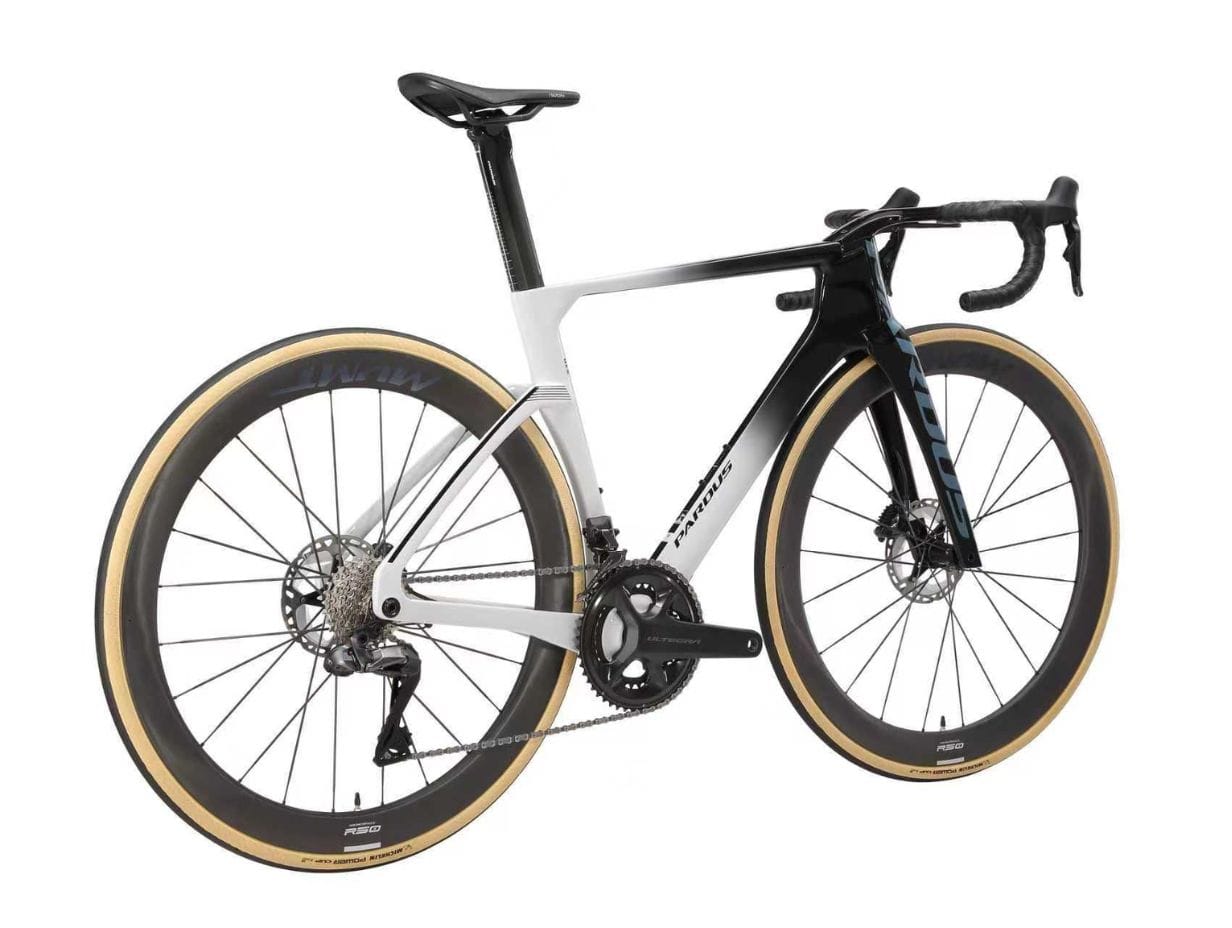
With Pardus, the approach is clearer: complete bikes, assembled and distributed via dealers. That’s likely what could make the brand far more accessible to the average rider than a bare carbon frameset from Asia.
A European strategy more conventional than it looks
Pardus isn’t simply carrying over its Asian model as is. The brand says it has adapted its offer to the European market, with standardised electronic groups across the range, a more minimalist aesthetic, and a clear choice: no direct online sales, but a network of independent dealers.
That’s pretty savvy. In Europe, especially for bikes costing several thousand euros, many cyclists still want to see the bike, ask questions, get their fit dialled, and above all know who to turn to if something goes wrong.
Pardus already announces a presence in 21 countries, more than 25 sales agents, and 8 regional service centres. European assembly and storage are centralised in Poland, with direct delivery to dealers.
Carbon as an industrial selling point
Pardus heavily emphasises its carbon expertise. The brand claims integrated production in a 100,000 m² factory in northern China, with control of the chain from carbon sheet weaving to final paint.
It says it uses raw Toray fibres, develops its own resins, and produces its own carbon sheets in-house. It’s a strong industrial pitch, but it should be read with a measure of perspective.

Toray remains a central player in the cycling industry, even when its name doesn’t appear on the down tube. To understand what this really implies, our analysis on Toray and carbon in cycling puts things into perspective.
What matters isn’t just name-dropping a prestigious fibre. It’s manufacturing consistency, quality control, mould design, layup, testing, and the ability to reproduce the same level of finish at scale.
A broad range, with an Uragano for gravel
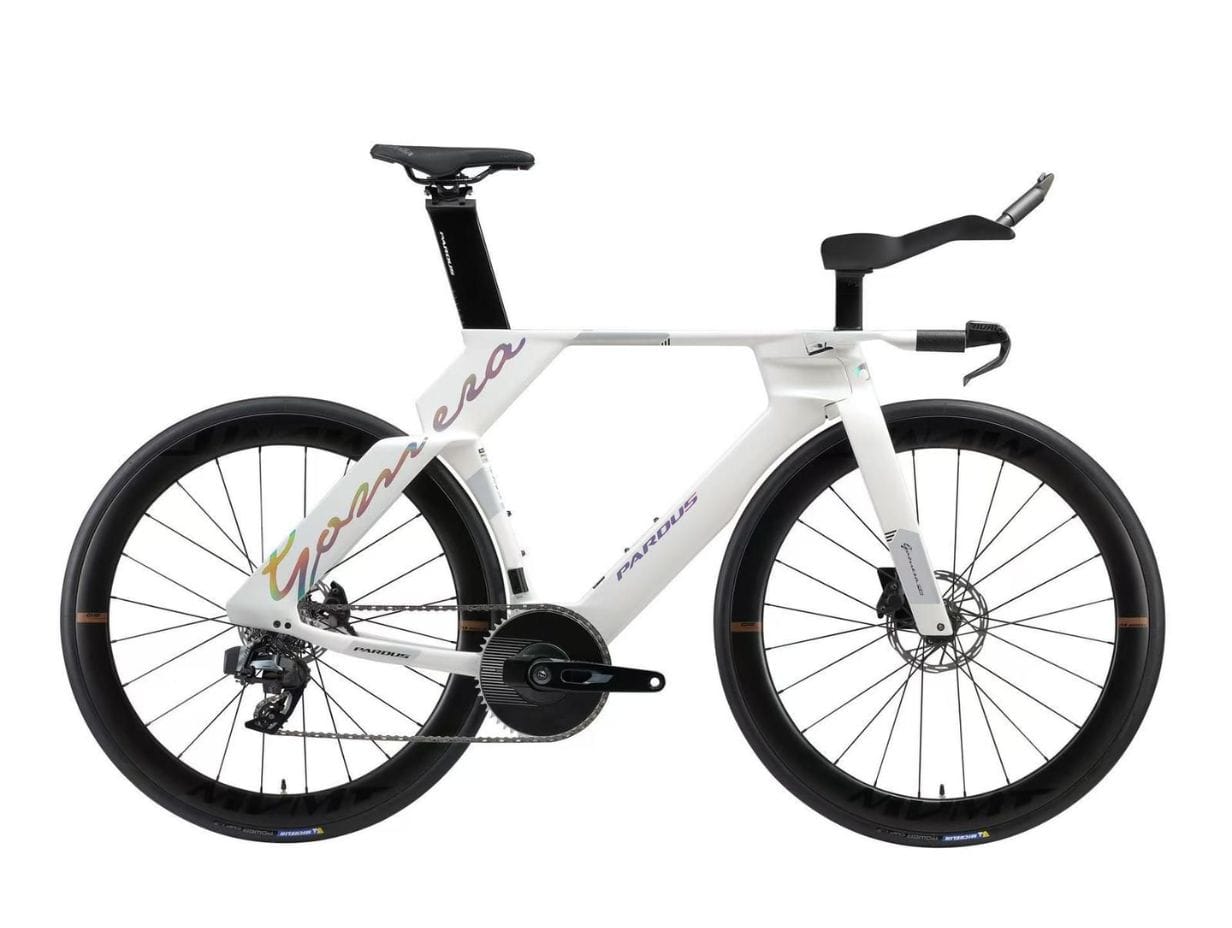
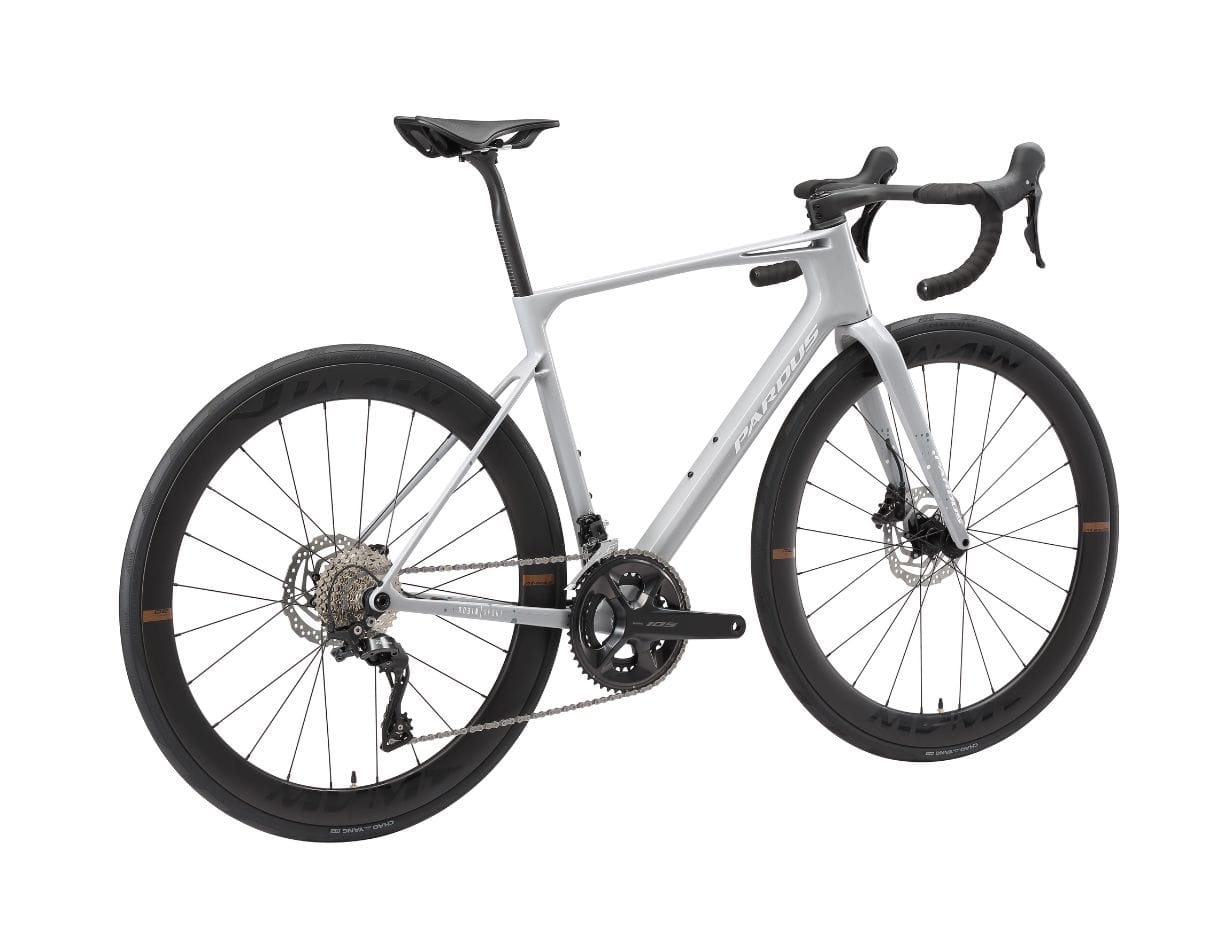
The announced European line-up is quite broad. Pardus highlights the SPK Gen4, an aero road bike, the Robin EVO claimed at 6.7 kg, the Robin Sport endurance-oriented, the Gomera for time trial and triathlon, a next-generation e-MTB, and, notably, the Pardus Uragano for gravel.
The Uragano is presented as a gravel bike developed specifically for the European market, with a versatile approach centred on adventure and bikepacking.

Prices that could put pressure
Pardus announces aggressive pricing for very well-specced builds. The examples given concern the SPK Gen4 and the Robin EVO, around 5,000 €, with a carbon frame, integrated cockpit, a carbon-spoke wheelset, carbon saddle, and Shimano Ultegra Di2.
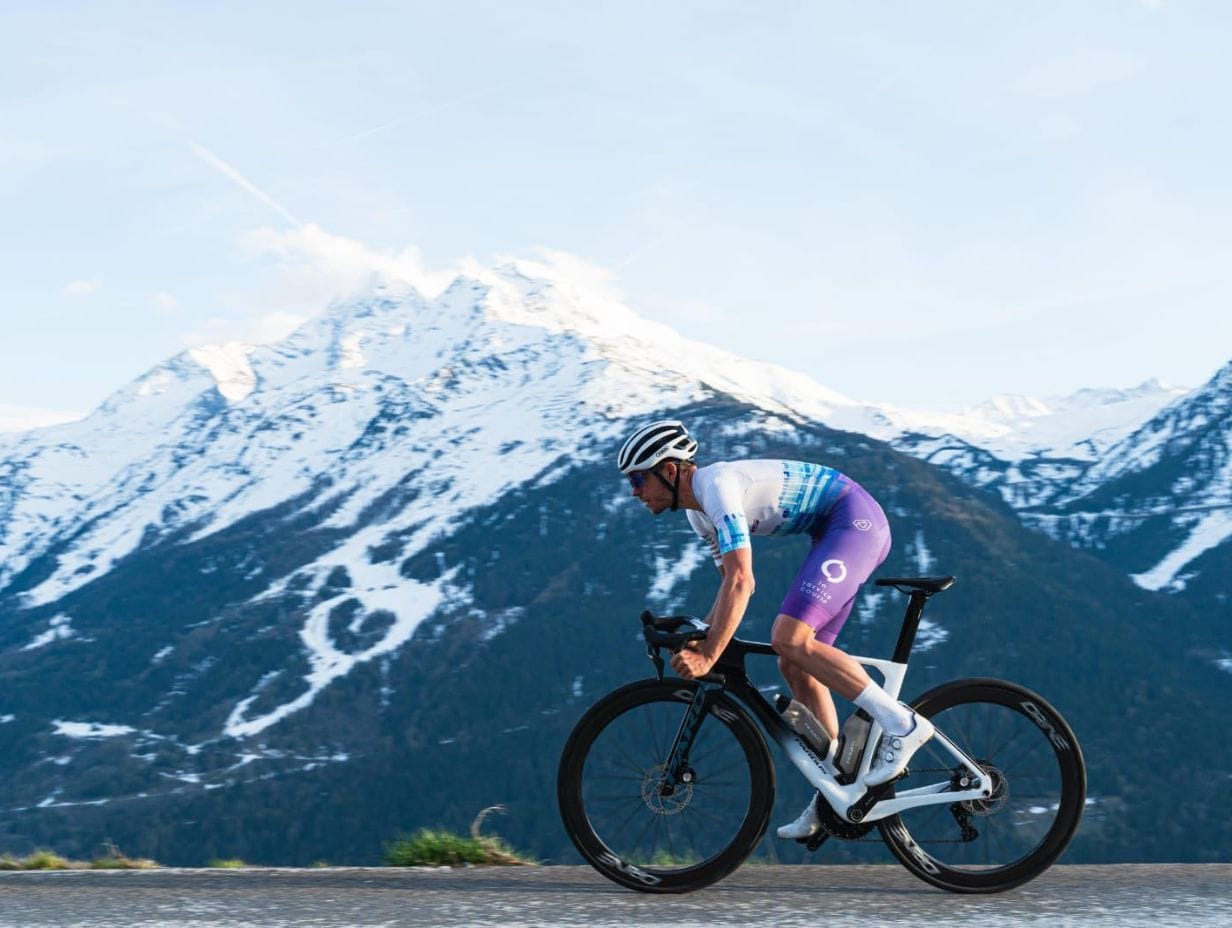
This is where the brand can start to shake up the market. Many cyclists today are willing to look beyond heritage brands, but in return they want a minimum of reassurance: clear warranty, identified dealer, available parts, tidy build.
The network will matter more than the spec sheet
Pardus’s European success won’t be decided solely by the Robin EVO’s claimed weight or the spec level of the road models.
It will be decided above all in shops. Will dealers get on board? Will sizes be available? Will lead times be met? Will after-sales support be up to the task when a customer needs a derailleur hanger, a specific cockpit, or a warranty claim?
Our view
Pardus arrives with a fairly solid pitch: integrated carbon production, European team, dealer network, assembly in Poland, and well-equipped complete bikes. It’s not just an exotic frame brand trying a one-off on the European market.

But the move is interesting, because it answers a very real market limitation: many riders are curious about Asian frames but don’t necessarily want to deal with a custom build.
If Pardus delivers on its promises of availability, network, and service, the brand could become one to watch closely in Europe. Not yet a benchmark, but clearly more than a curiosity.