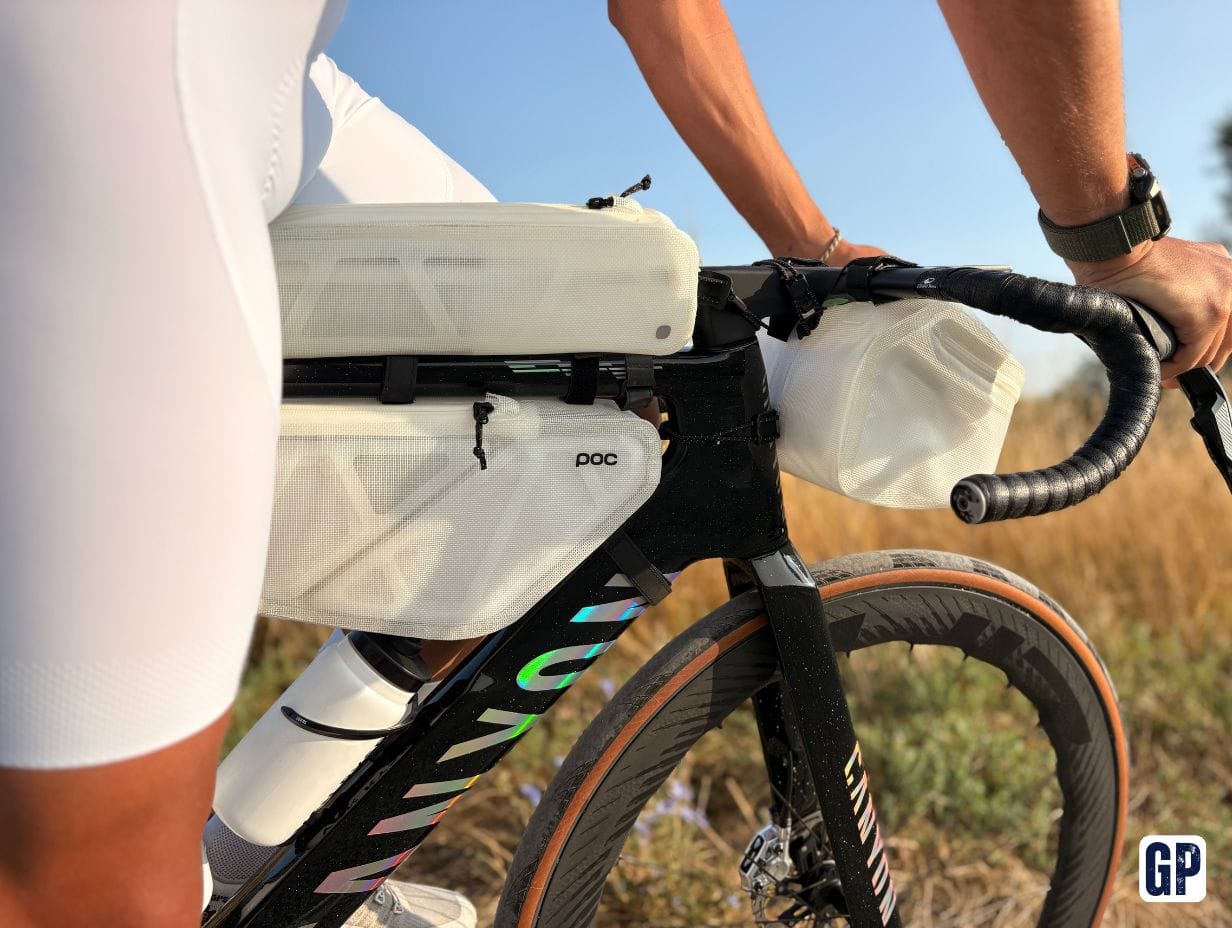

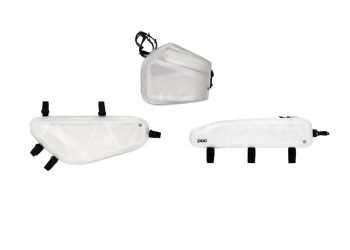
POC enters bikepacking with a range that doesn’t try to be subtle. In translucent white with the Hydrogen White finish, the Ultra bags immediately give a premium feel. Clean, distinctive, almost too good-looking for muddy gravel use.
The real question was simple: does this range rely only on its looks, or does it actually work once mounted on the bike?
Strengths:
- Very high-quality finish and truly distinctive design
- Very good stability from all three bags
- White material that cleans up better than expected
- Cable ports and reflective details well integrated
Could be better
- Original straps a bit short
- Frame bag opening not very practical
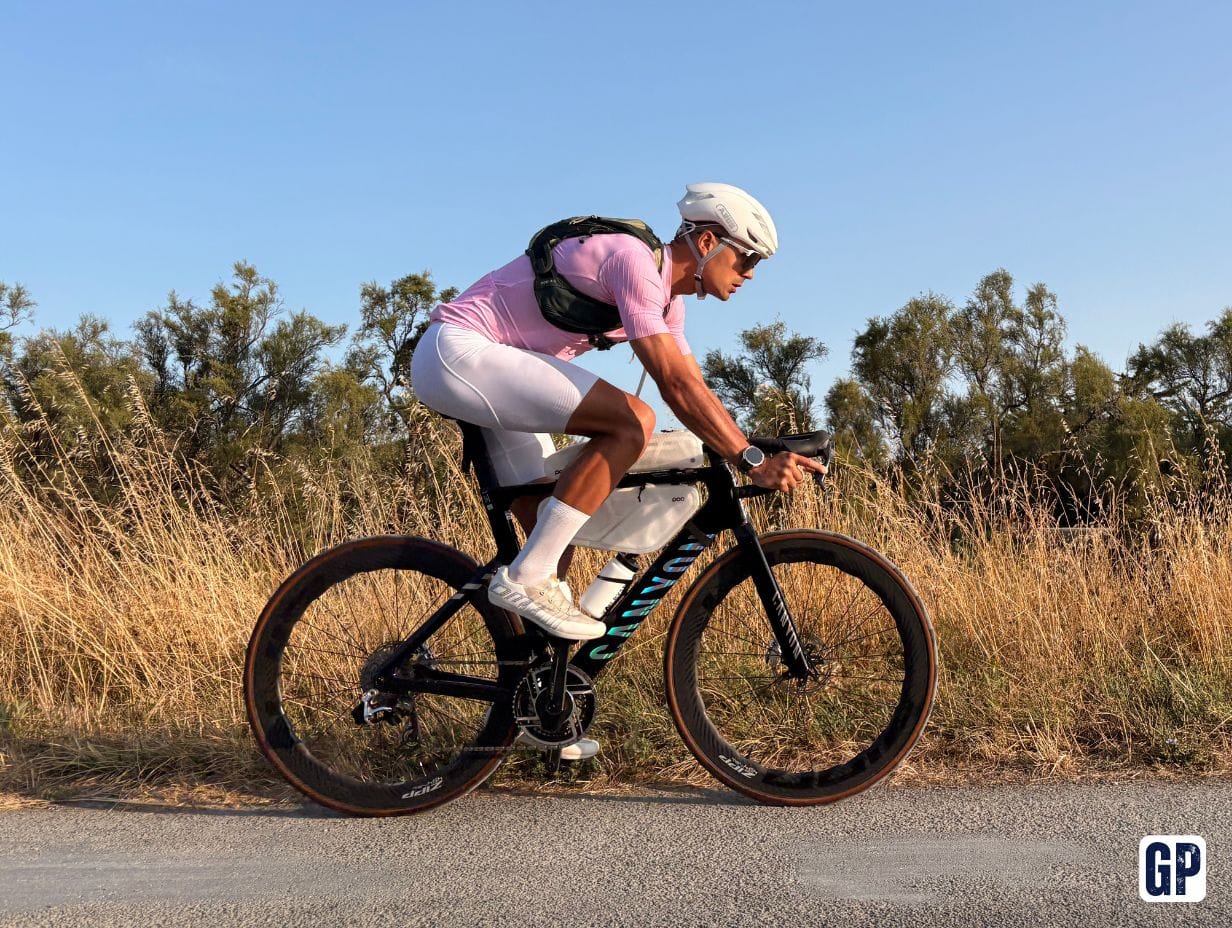
I was able to ride with three models: the Ultra Top Tube Bag 1.7L, the Ultra Frame Bag 3L and the Ultra Bar Bag 4L. The 7 L saddle bag and the 1 L stem bag also exist in the range, but they were not part of this test.
A very clean POC range, almost too white to be credible
The first surprise comes from the colour. A white bag on a road or gravel bike is the kind of choice that can look superb in photos, then feel questionable after three wet rides.
In practice, this translucent white was not the handicap I expected. The material cleans up very well with a slightly damp microfibre cloth. Yes, the white can yellow very slightly with use, but the overall appearance remains high quality. It is not a finish that turns to dirty grey on the very first ride.
POC uses a waterproof TPU, waterproof zips and welded seams. The construction inspires confidence, with walls stiff enough to limit deformation and keep the bags in place. The small reflective details, discreet but present, also point in the right direction for long-distance riding.
That said, we should be clear about waterproofing. The materials and closures are claimed to be waterproof, and nothing in use contradicted that impression. But the last few months did not offer enough prolonged downpours to seriously validate behaviour over several hours of continuous rain.
POC Ultra Top Tube Bag 1.7L: the most convincing of the trio
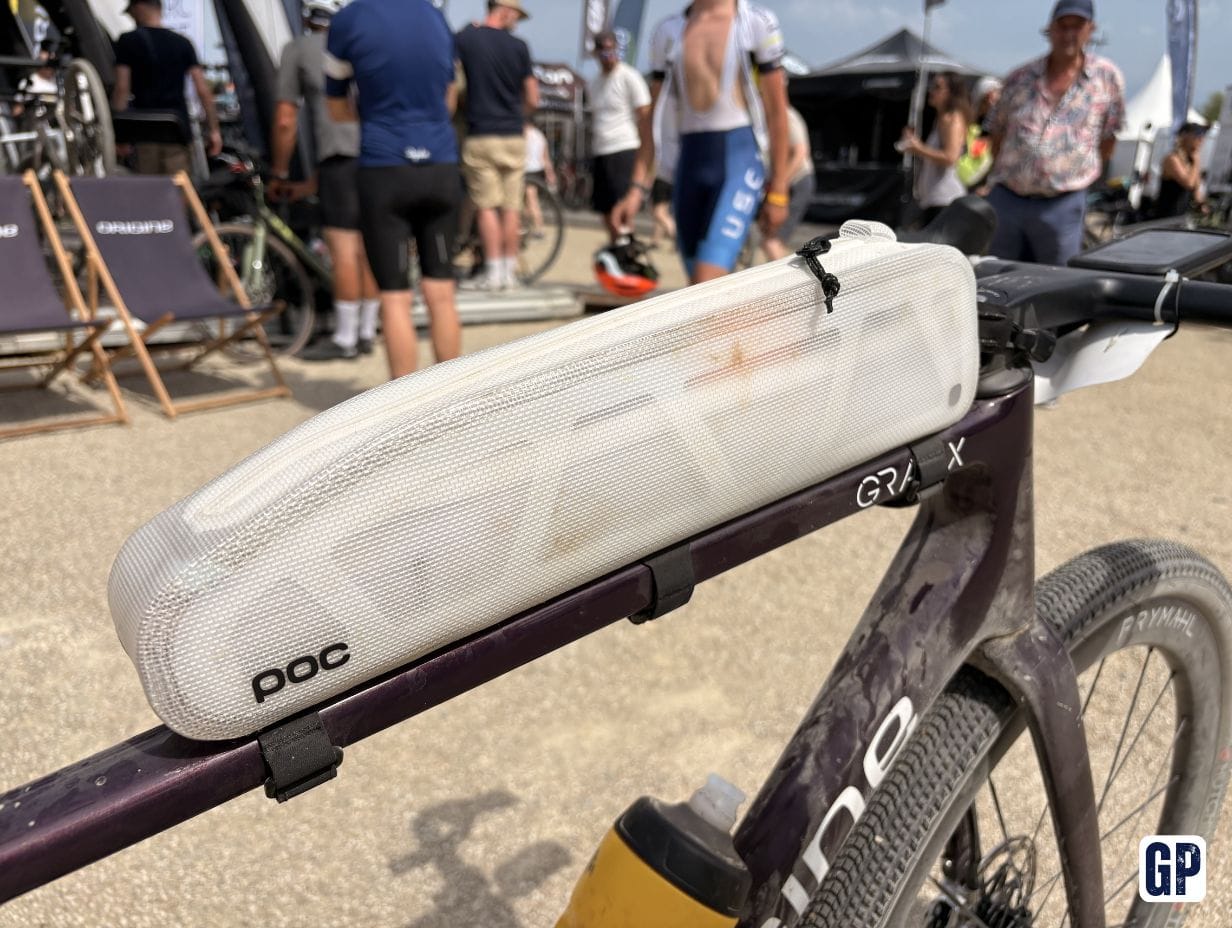
The top tube bag is probably the one that convinced me the most. With 1.7 litres of volume for a claimed 170 g, it offers generous capacity without looking huge on the bike.
Its appeal starts with versatile mounting. It can be fitted with classic straps, but also bolt-on thanks to the mounting points under the bag. Even with a bolted mount, you’ll still need to keep the rear strap to hold everything securely.
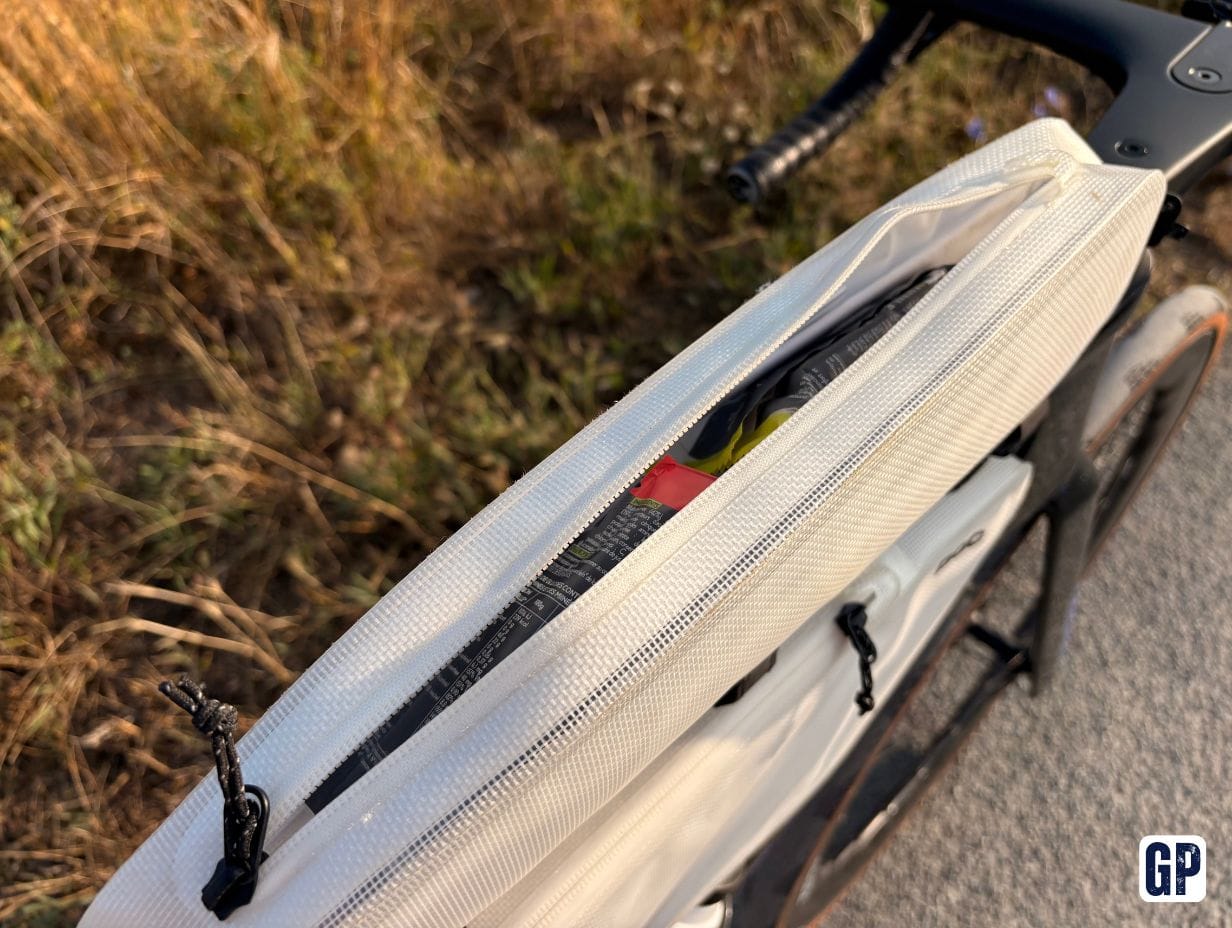
Inside, POC did a good job with structure. The base is stiffened by a small plate, the walls hold their shape and the bag shows very little side-to-side play. On a top tube bag, that is essential: a bag that rubs your knees or sags slightly will always end up being annoying.
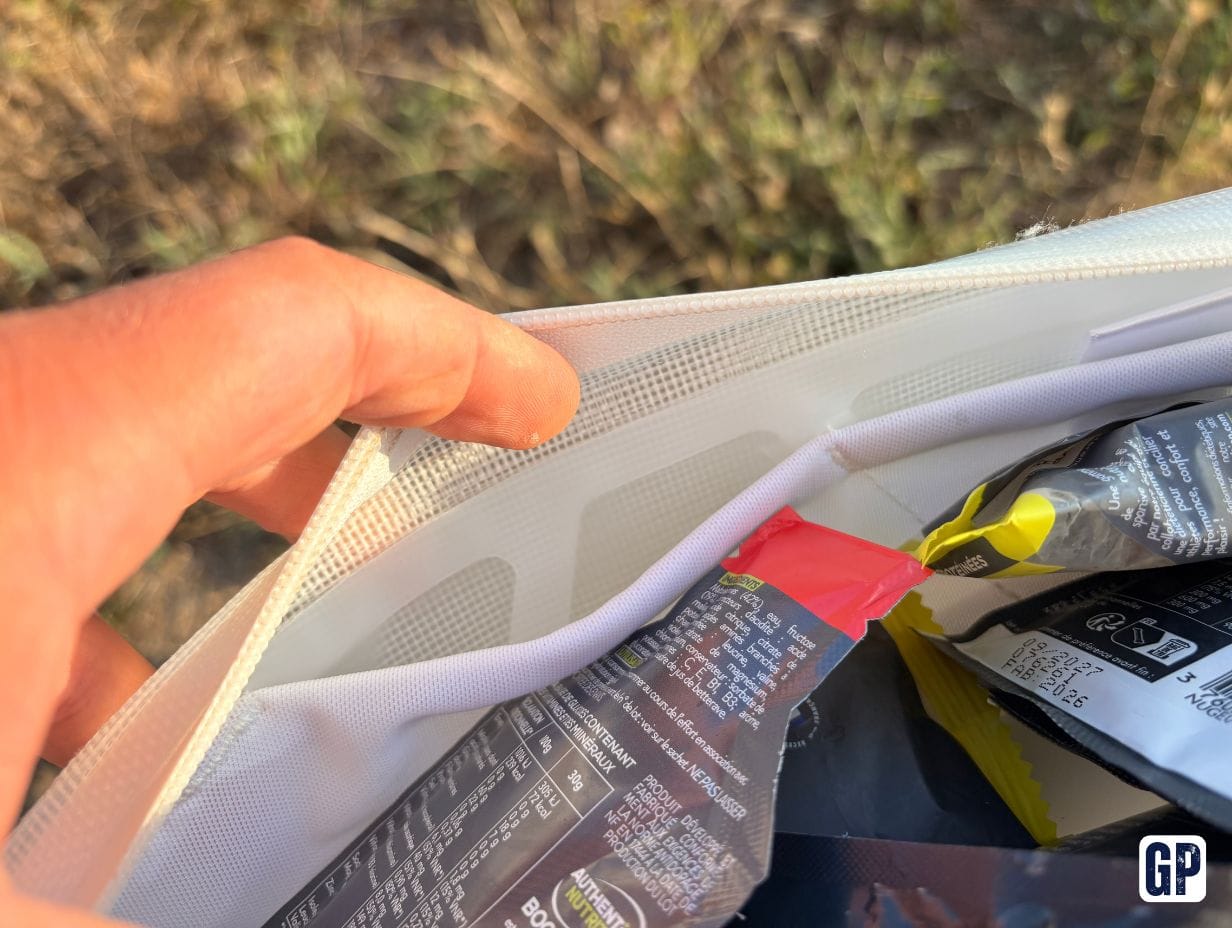
The long zip running the full length really makes access easy, including one-handed. That is exactly what you expect from this kind of bag: grab a bar, a battery, a light or a small accessory without getting off the bike, without rummaging for ten seconds and without opening half the set-up.
The interior is slightly compartmentalised with small side pockets. It is not a highly sophisticated layout, but it is enough to avoid permanent clutter. The front cable port is also well thought out for connecting a power bank to a light or GPS.
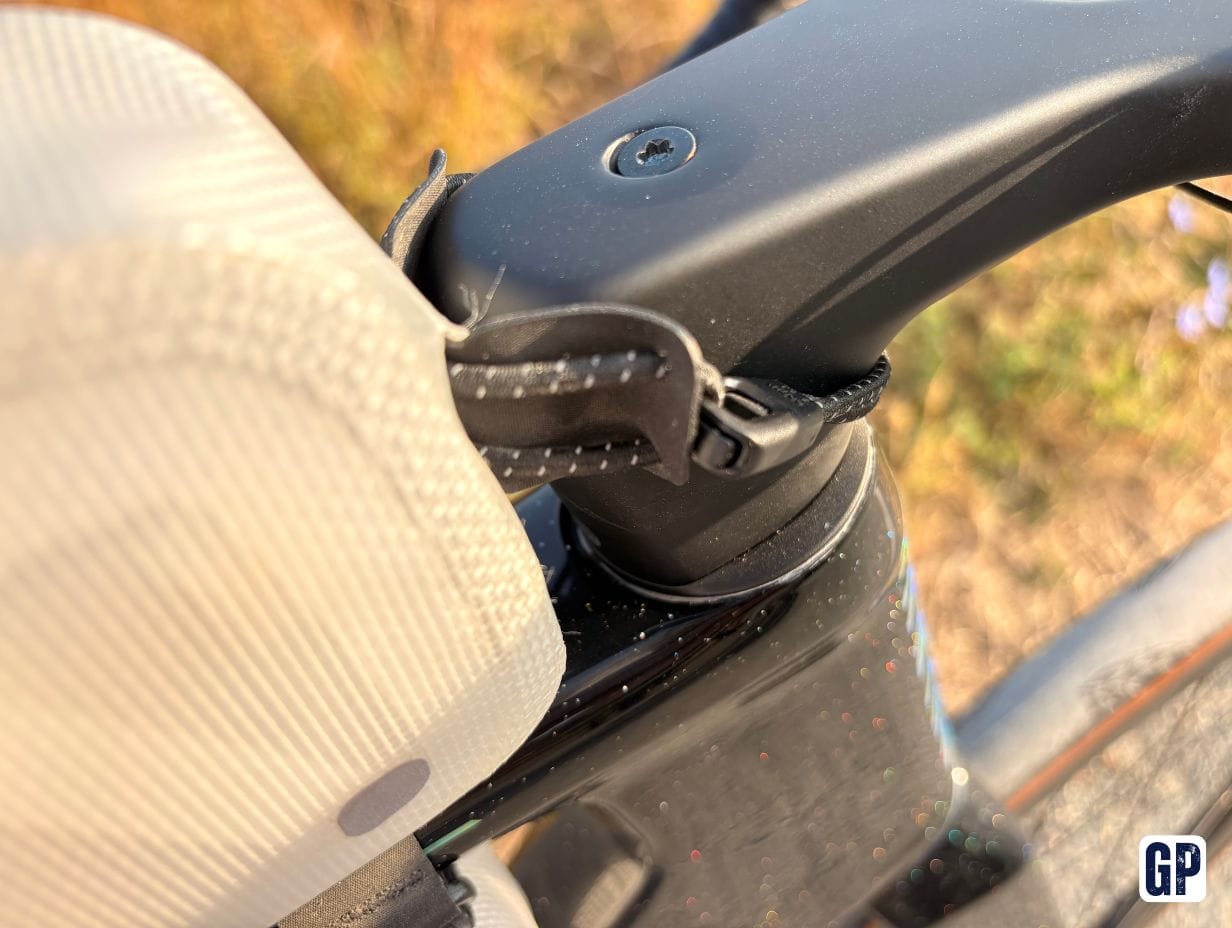
The only detail that really bothered me concerns the stem-side elastic strap. It sits a bit high. On a bike with a very short steerer tube, using it properly can become tricky. Placing it one or two centimetres lower would have made the system more universal.
Despite this reservation, the Ultra Top Tube Bag ticks a lot of boxes. For ultra-distance, whether racing or more relaxed, it is a very sound format: accessible, stable, fairly roomy and still relatively aero on top of the frame.
POC Ultra Frame Bag 3L: very stable, but less straightforward to open
The frame bag follows the same construction logic, with a volume of 3 litres for a claimed 220 g. Its shape is quite slim and holds well, which avoids turning the front triangle into a soft block that interferes with pedalling.
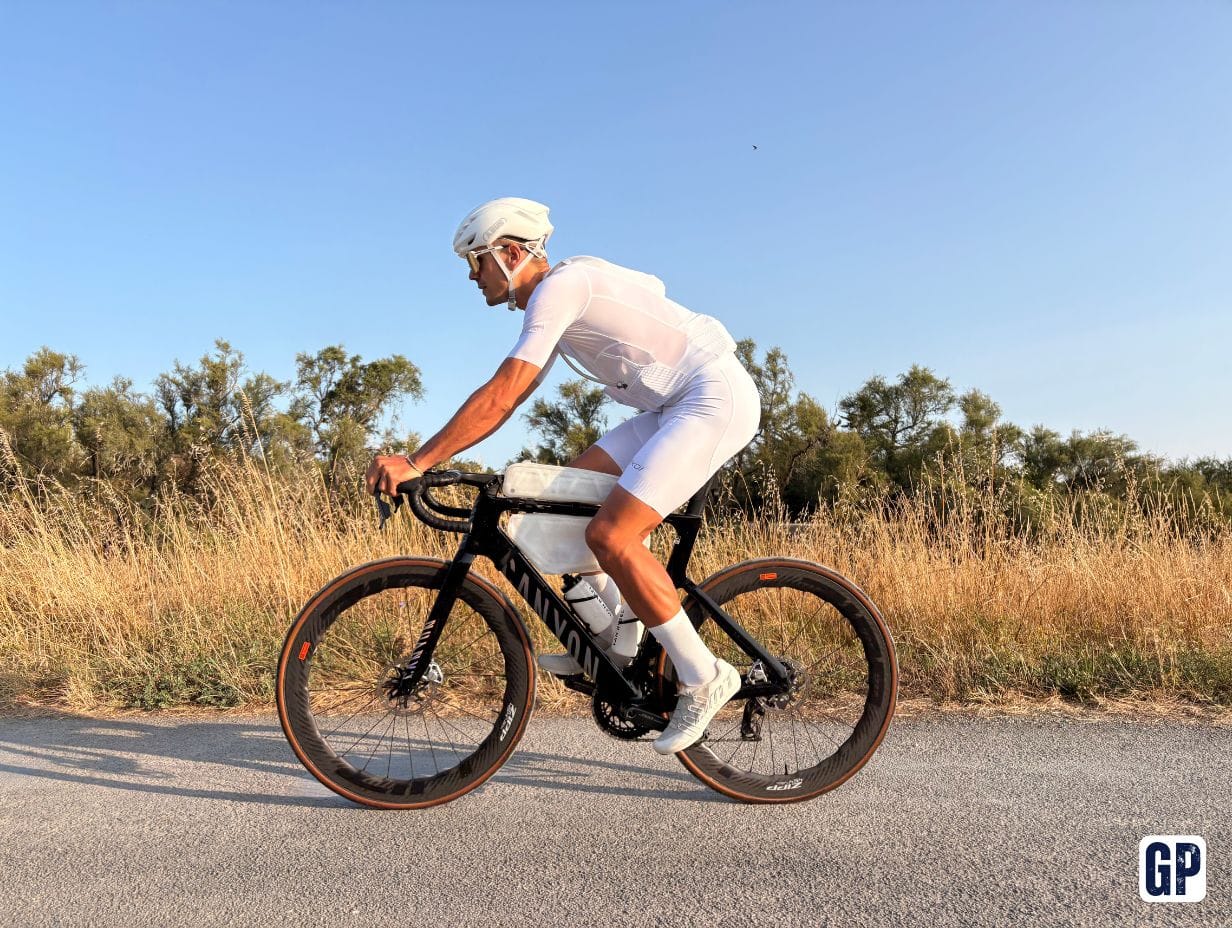
On the bike, stability is excellent. Even on rough gravel sections, nothing moves. The straps keep the bag well pressed against the frame and the internal structure limits unwanted movement. That is one of the real strengths of this POC range: once installed, the bags are genuinely stable.
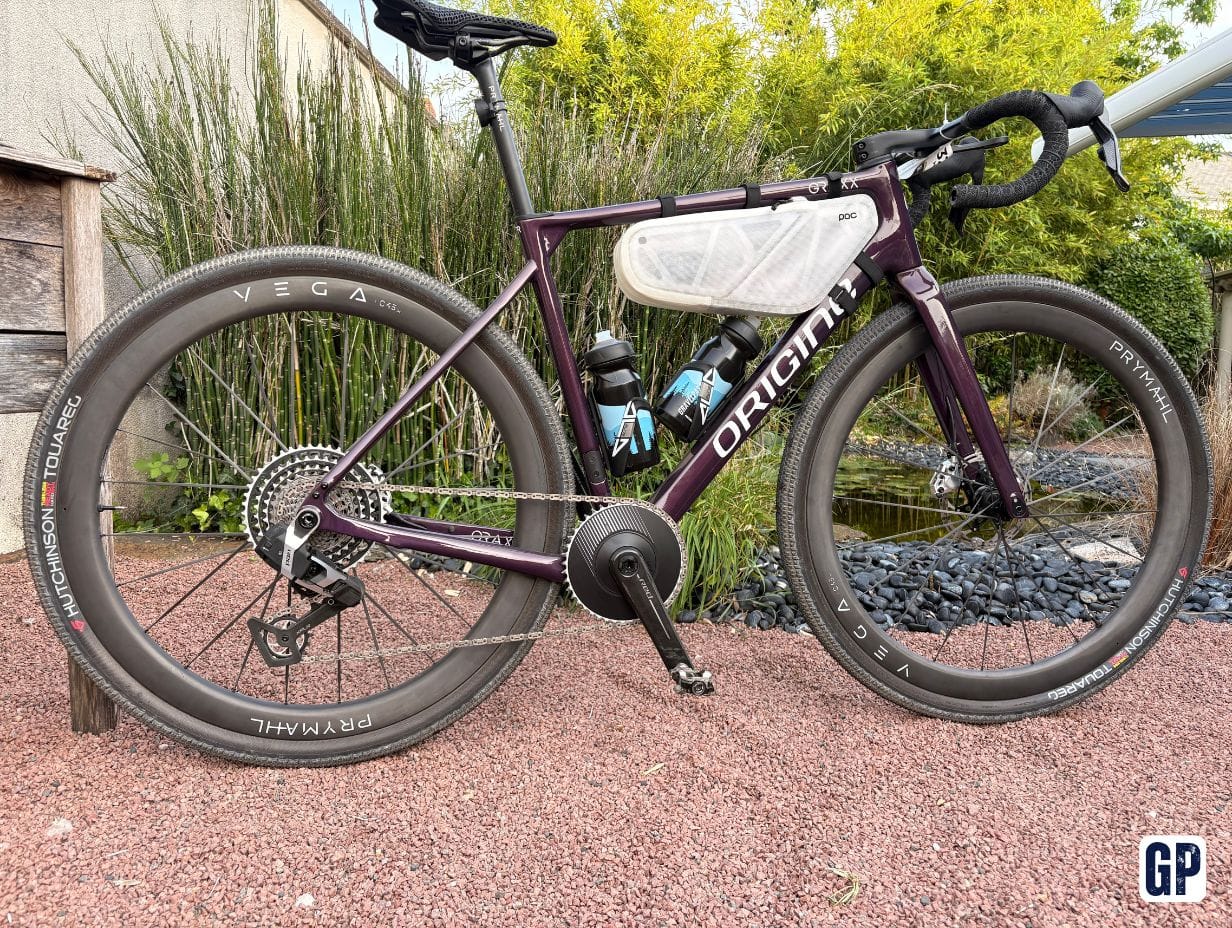
That said, we need to talk about the straps. The bag arrives with straps already pre-installed, but POC also supplies other simpler straps. That is a good thing, because the original straps can quickly be too short on some modern frames, especially with thick or heavily profiled down tubes. Bikes have evolved a lot, frames are often bulkier, and this detail truly matters during installation.
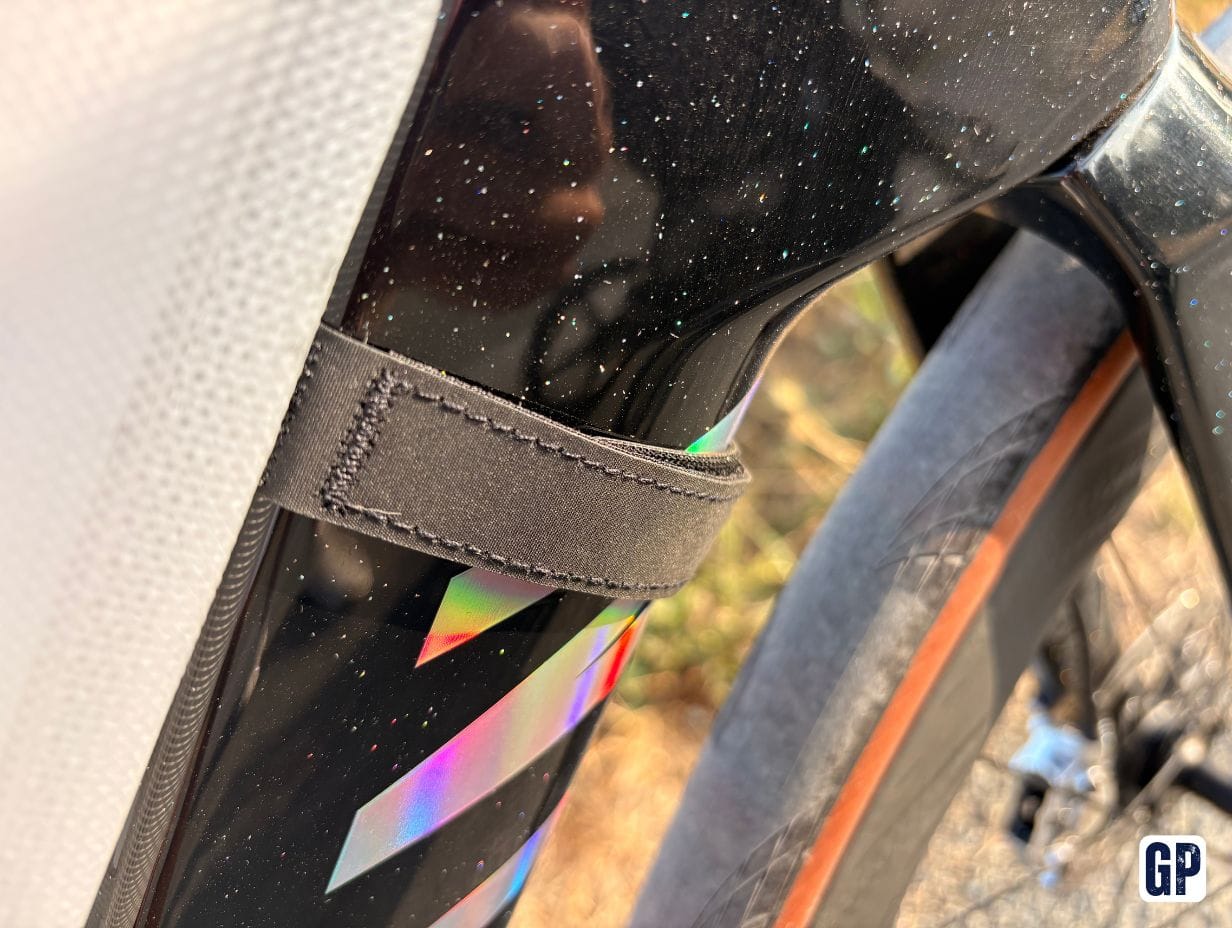
The 3-litre capacity is useful for keeping weight low on the bike: tools, dense food, compressible clothing, battery, small pump, repair accessories. However, in most set-ups you will probably need side-load bottle cages to maintain proper access to the bottles.
The least convincing point concerns the opening. The zip opens on the side, but once the bag is mounted it sits fairly high, almost tucked under the top tube. Off the bike, the opening seems logical. On the bike, it feels less natural.
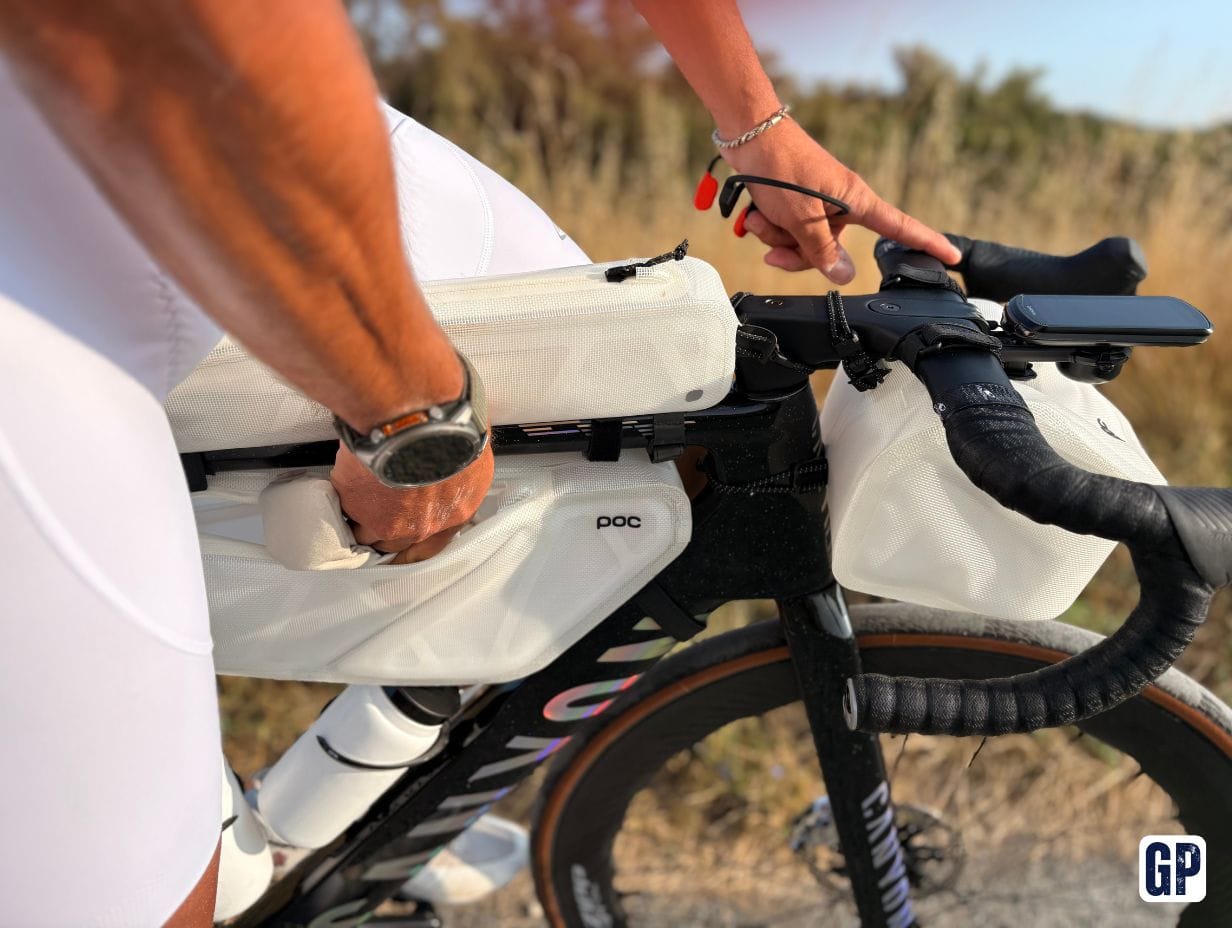
I would also have liked a second opening on the other side. With a single side pocket, the bag nudges you toward a catch-all use. An opposite opening would have allowed you to separate items better, or simply access certain things without moving everything else.
This Ultra Frame Bag remains very successful in hold and finish, but it does require a bit more adaptation in use.
POC Ultra Bar Bag 4L: good on its own, less logical in a full setup
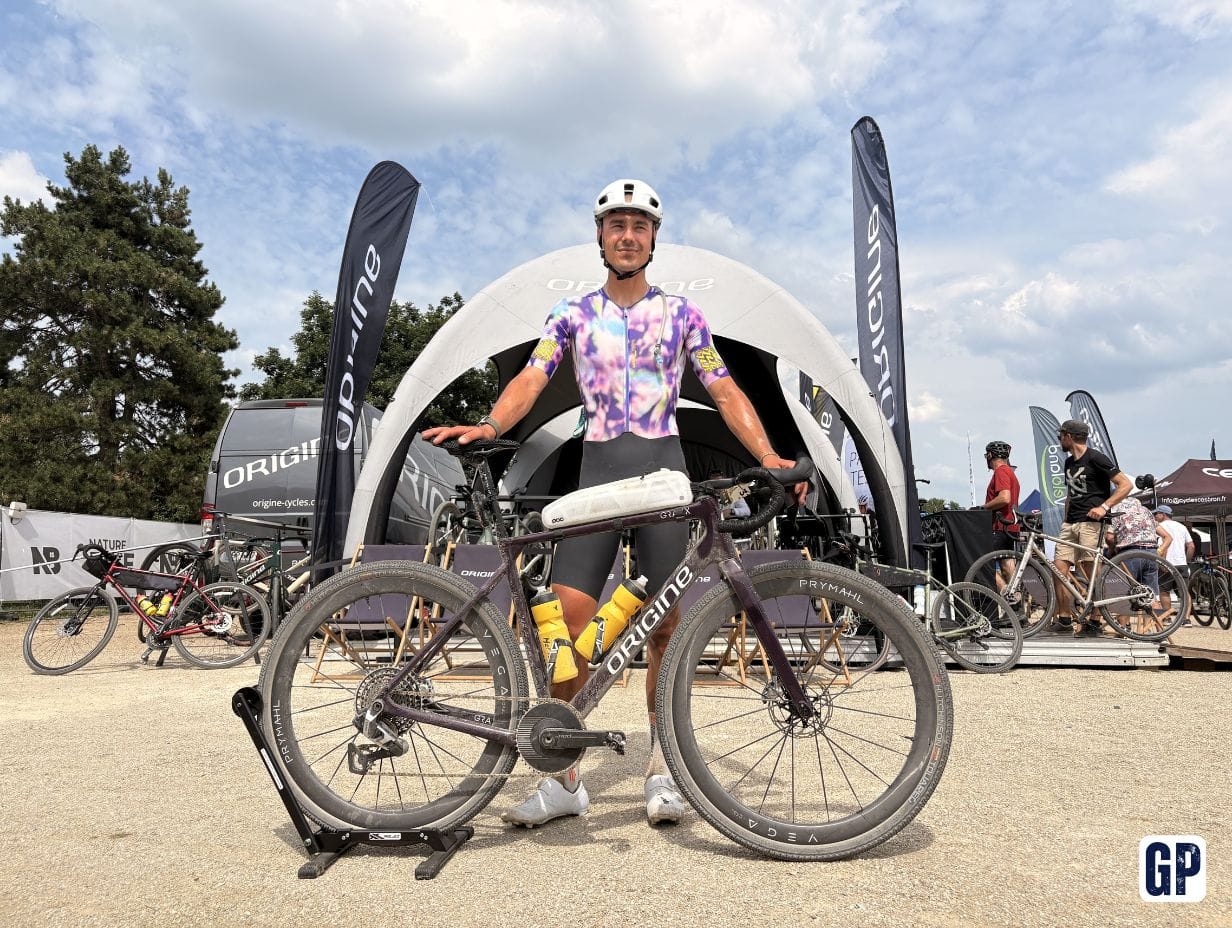
The third bag tested is the Ultra Bar Bag 4L. POC claims 4 litres of volume for 300 g, with a slightly tapered cuboid shape up front to limit aerodynamic impact.
Visually, it integrates well. It does not look like a big, classic handlebar roll, and the volume remains contained. The U-shaped zip opening gives easy access to the contents, with internal mesh pockets and a cable port for a power bank. For a long ride, that is practical.
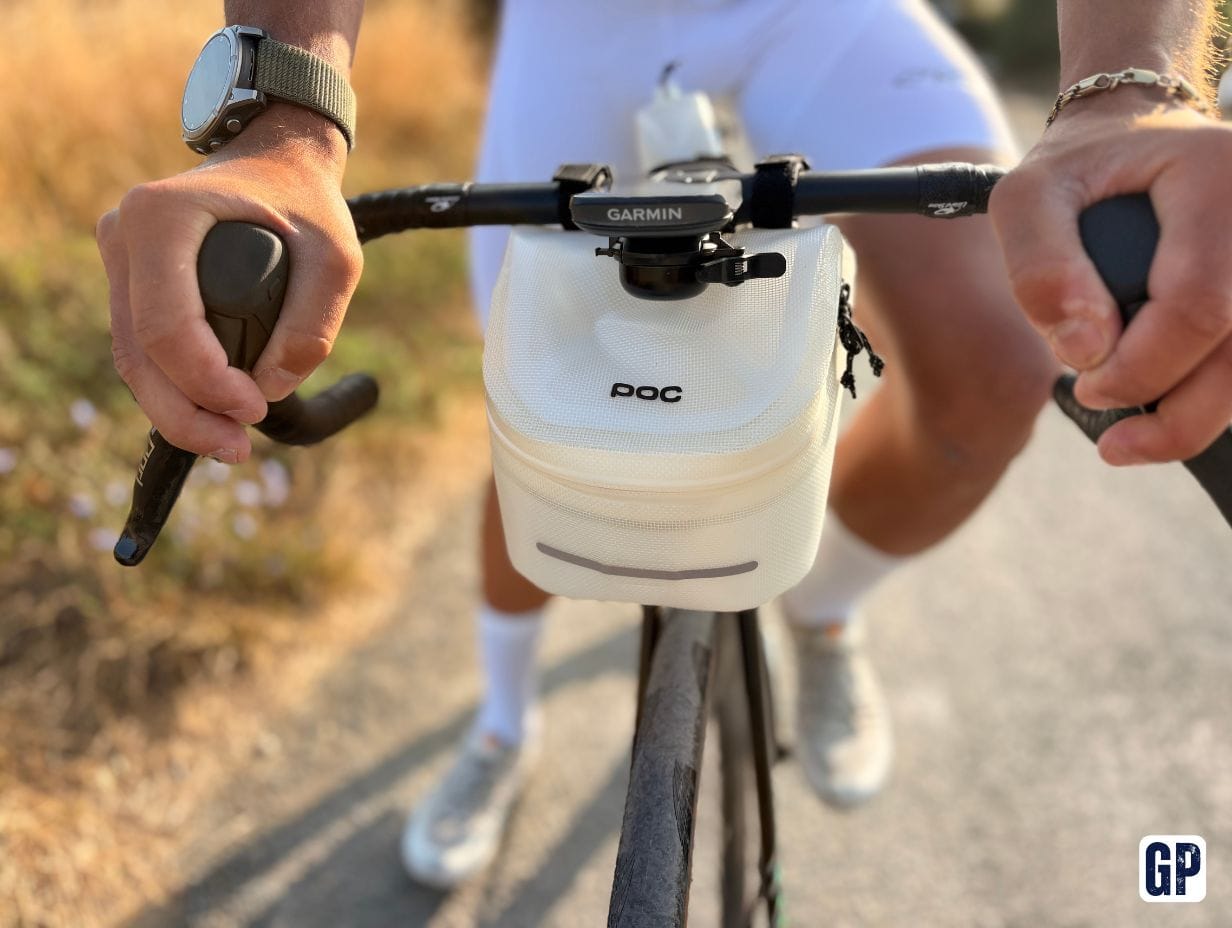
But it is also the bag in the trio that made me question things the most. Its rather square shape can become restrictive depending on what you want to carry.
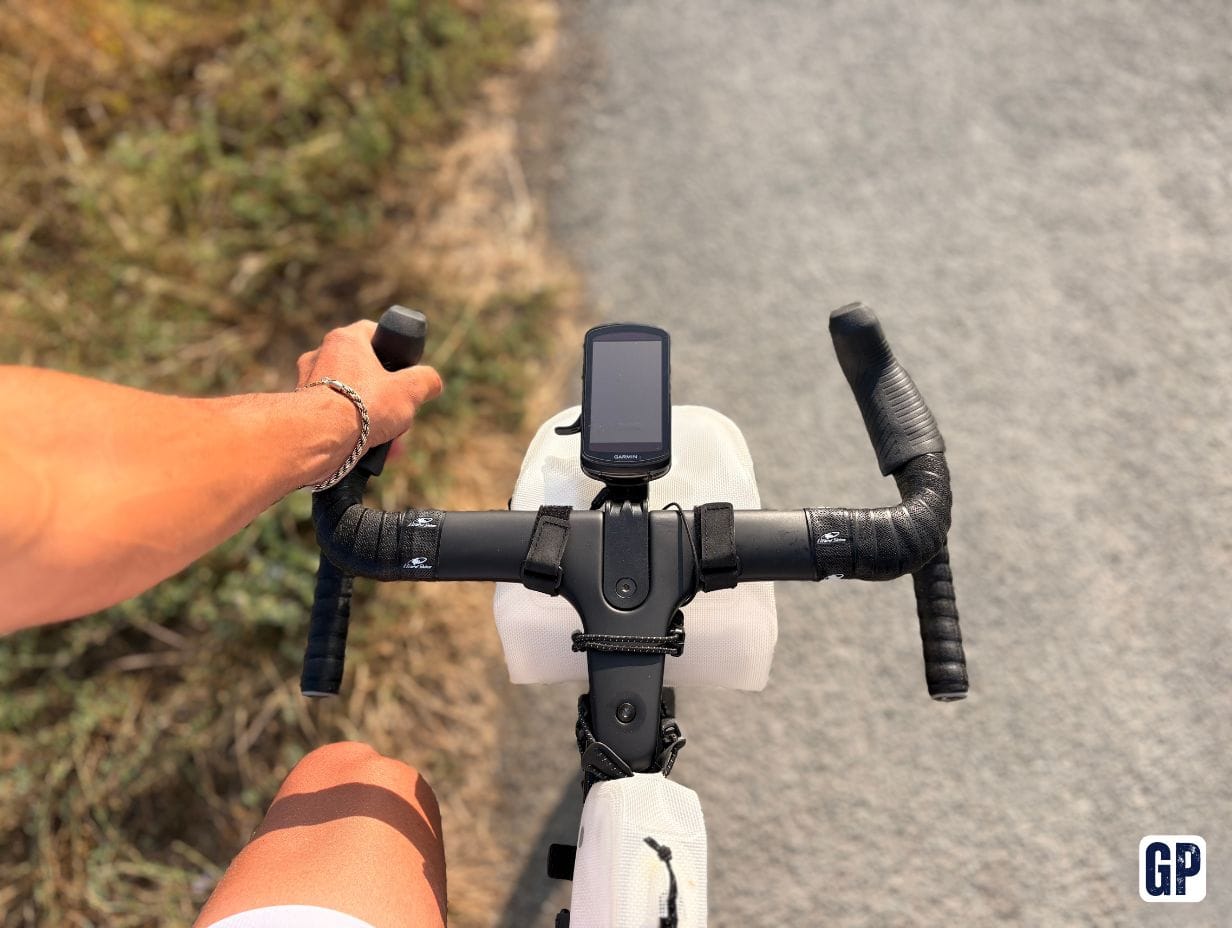
In a full bikepacking setup, the front bag often carries bulky yet light items: sleeping bag, bivvy, compressible jacket, warm layer. With this cuboid shape and 4-litre volume, the Ultra Bar Bag is not necessarily the best fit for that use. It takes a jacket, nutrition, a battery, a few accessories, but it feels less natural for bivvy gear.
That is where its positioning becomes particular. If you want a single front bag to increase a bike’s capacity for a big day, it can make a lot of sense. You use it almost like a large, accessible pocket. In a full setup with a frame bag, top tube bag and possibly a saddle bag, it seems less obvious.
So it is not a bad bag. It is well finished, stable and practical for certain contents. But it seems less versatile than its spec sheet suggests.
Stability and finish: the real strength of these POC bags
What stands out most from this test is the quality of the hold. All three bags really stay put on the bike. The stiffened walls, structured bases and Hypalon straps create a serious package that does not flap and does not deform excessively once loaded.
That is particularly important in gravel, where vibrations quickly amplify small flaws. A poorly placed closure, a strap that is too short, a bag that tilts by a centimetre – on the road, that might pass. On rough tracks or over long distances, it ends up becoming a real limitation.
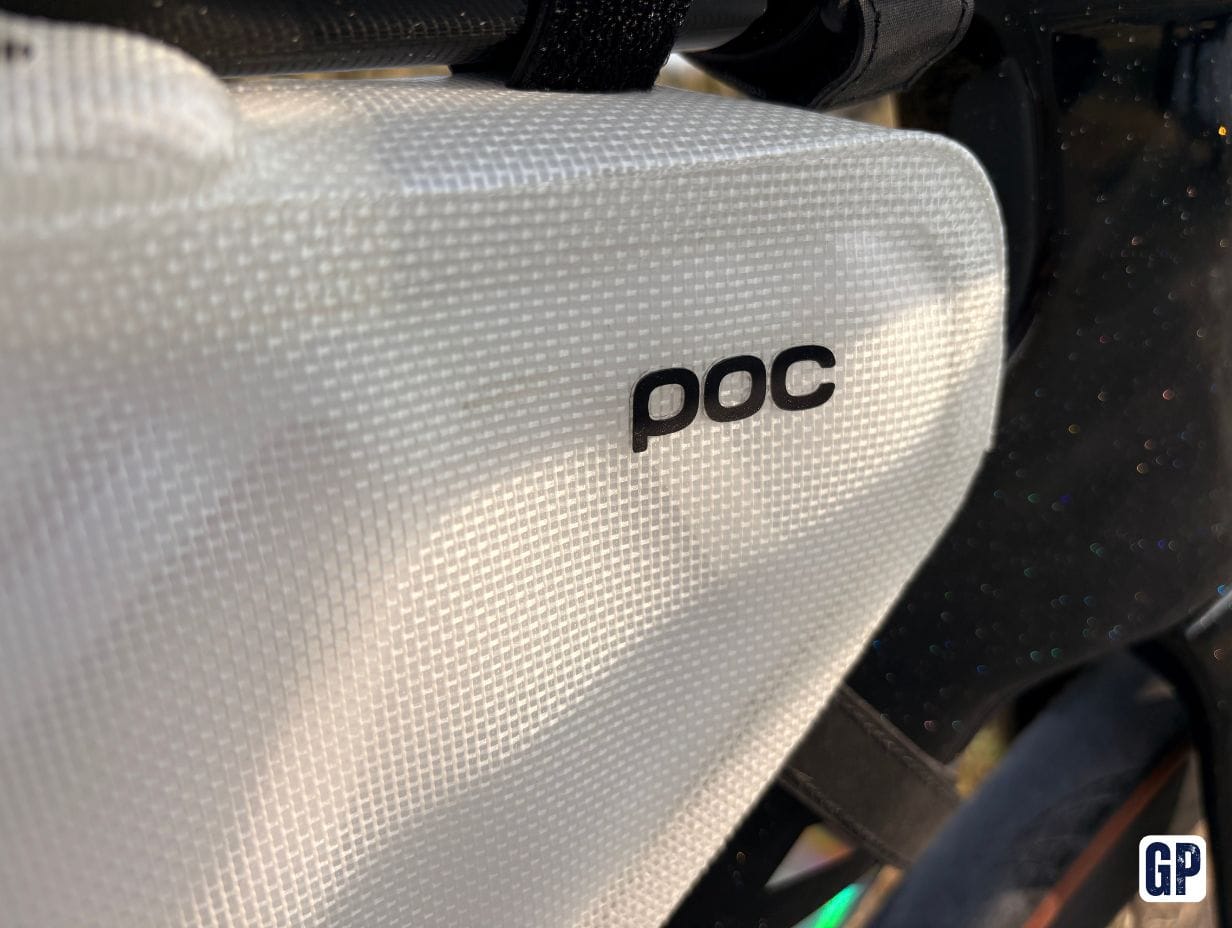
POC also nailed the product. These bags are beautiful, well assembled and instantly recognisable. The translucent material even brings a simple advantage: you can more easily see what is inside than with a classic black bag.
My take on this POC Ultra range
The POC Ultra range will first appeal to riders who want a clean, stable, modern setup for long rides, ultra or light bikepacking. The top tube bag is the easiest to recommend, because it answers a very clear need: keep the essentials accessible without unbalancing the bike.
The frame bag will win over those who want to lower the centre of gravity and carry more gear without immediately moving to a big rear bag.
The bar bag is more specific. It makes sense as a single front bag on long rides, but less as the centrepiece of a true travel setup. For bivvy or bulky loads, other formats still make more sense.
In the end, POC marks a very strong entry into bikepacking. Not everything is perfect, but the essentials are there: stable bags, very well finished, easy to live with day-to-day and distinctive enough not to look like just another range. The best of the lot remains the top tube bag, because it turns the fine execution into a tangible on-bike advantage the best.