A Cycling Mode against the wind - the promise of the Dynamic AeroBeat DY185
Written with ❤️ by
Hugo
of November 24, 2026 and updated
20 minutes ago
Riding with audio is still a sensitive topic. In-ear earphones isolate too much, speaker-equipped glasses do not suit everyone, and wind often ends up drowning out music or podcasts as soon as speeds rise.
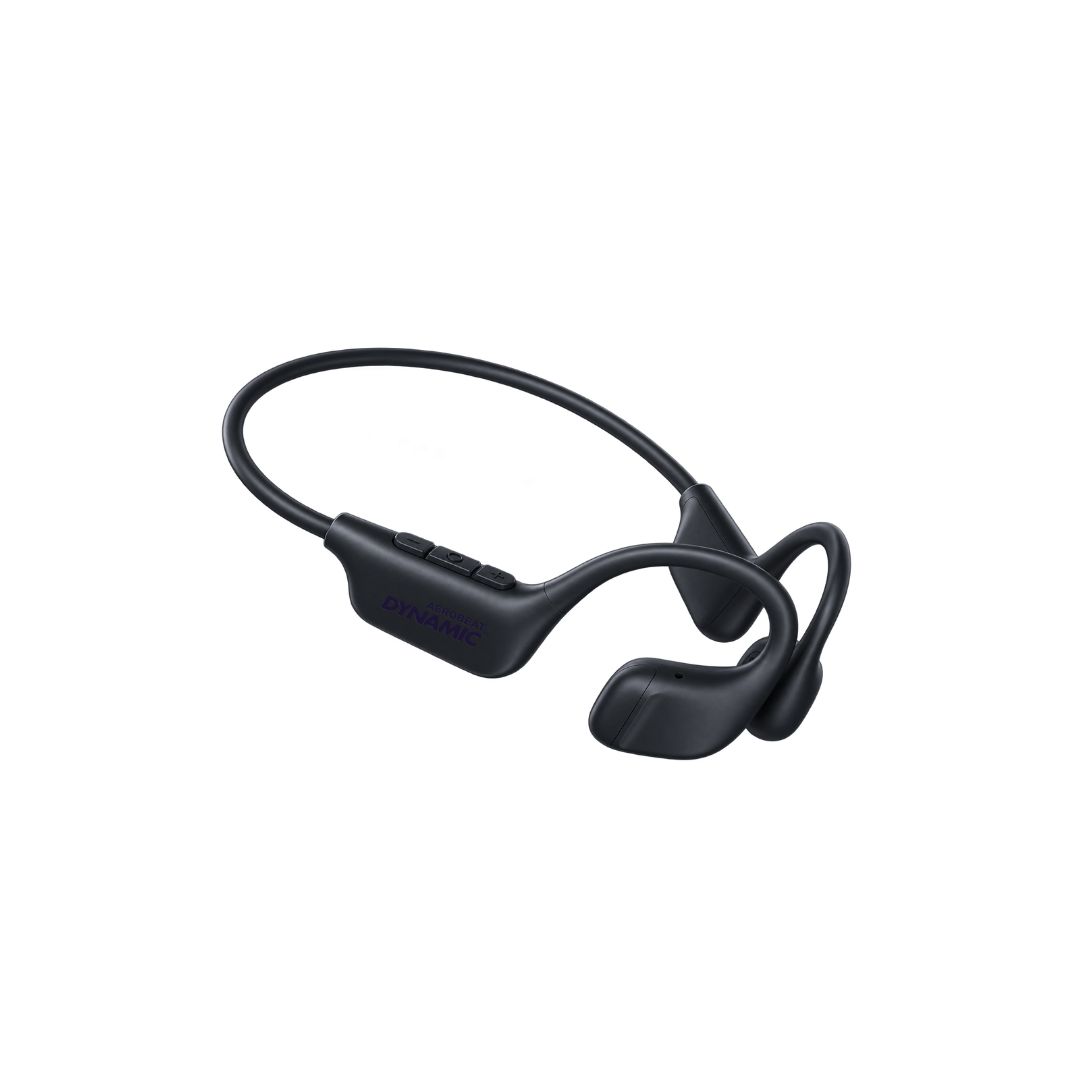
The AeroBeat DY185 slots neatly into this niche: open air-conduction headphones, designed to keep your ears free while offering a bike-specific mode.
And what about the law?
Since 2015, the French Highway Code prohibits the driver of any vehicle in traffic – cyclists included – from wearing at the ear any device capable of emitting sound. The offence is punishable by a class 4 fine – a fixed penalty of €135.
👉 Bone-conduction or “open-ear” headphones are not exempt.
In 2017, the Conseil d’État was petitioned by AfterShokz, since renamed Shokz. It confirmed that the ban also applies to a device that leaves the ear canal unobstructed but transmits sound by bone conduction through the skull.
👉 In France, the use of bone-conduction headphones on a bike should therefore be regarded as prohibited, even if this type of product lets you hear your surroundings better than traditional headphones.
💡 This may seem paradoxical from a usage and safety perspective, but legally the position is fairly clear today.
Air conduction, not isolation
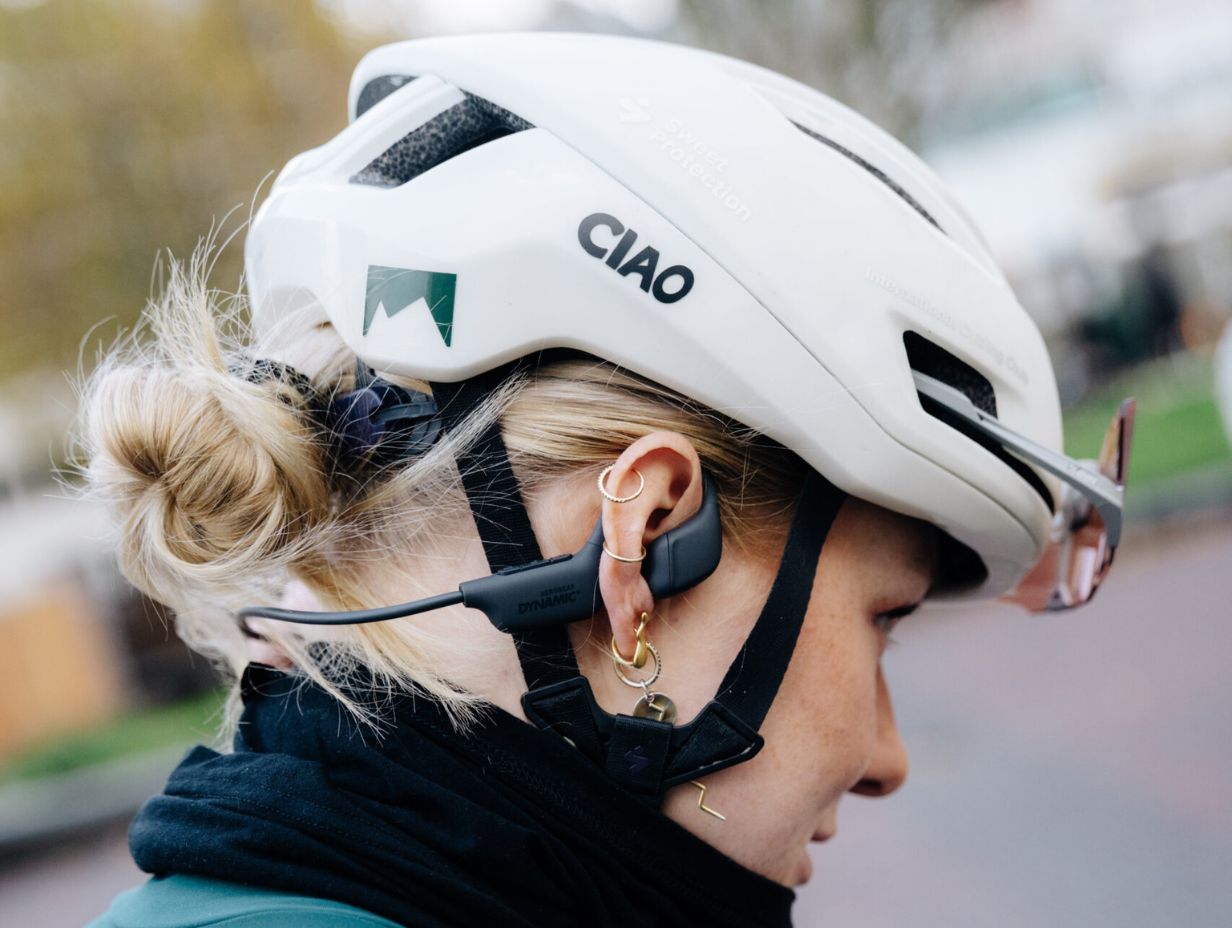
The AeroBeat uses air-conduction technology. Sound is directed towards your ears without covering or blocking them. The benefit on a bike is obvious: you keep awareness of your surroundings, traffic, other riders and the bike’s mechanical noises.
This choice does not automatically make use risk-free. It reduces isolation, but it does not replace attention. In traffic, volume, wind, fatigue and context matter as much as the technology used.
The cycling market is already seeing this open-audio approach gain ground, notably with connected glasses.
Cycling Mode - the product's real promise
The most interesting feature of the AeroBeat is its Cycling Mode. This EQ preset starts automatically at power-on and aims to keep audio audible while riding, including when the wind picks up.
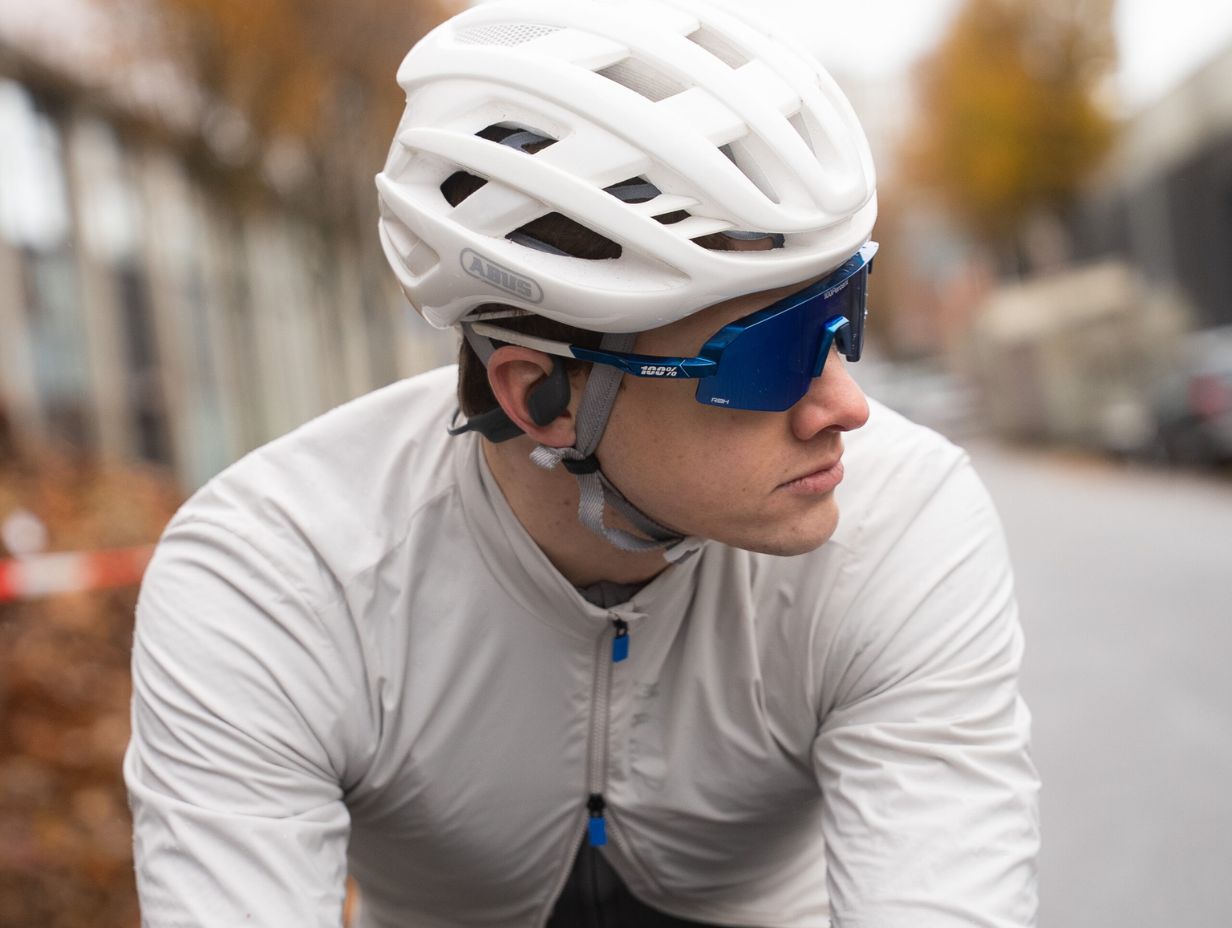
This is probably where the product will earn its credibility. With this type of accessory, the question is not just whether the sound is clean in a quiet room. The real question is what remains at 30 km/h, with a helmet, glasses, crosswind and a rough, gritty road surface.
The second EQ mode disables this bike-oriented tuning for more conventional use: turbo trainer, walking, the office or everyday listening. That is fairly logical, as an outdoor-boosted EQ can quickly feel less natural indoors.
27 g, three buttons and a glove-friendly design
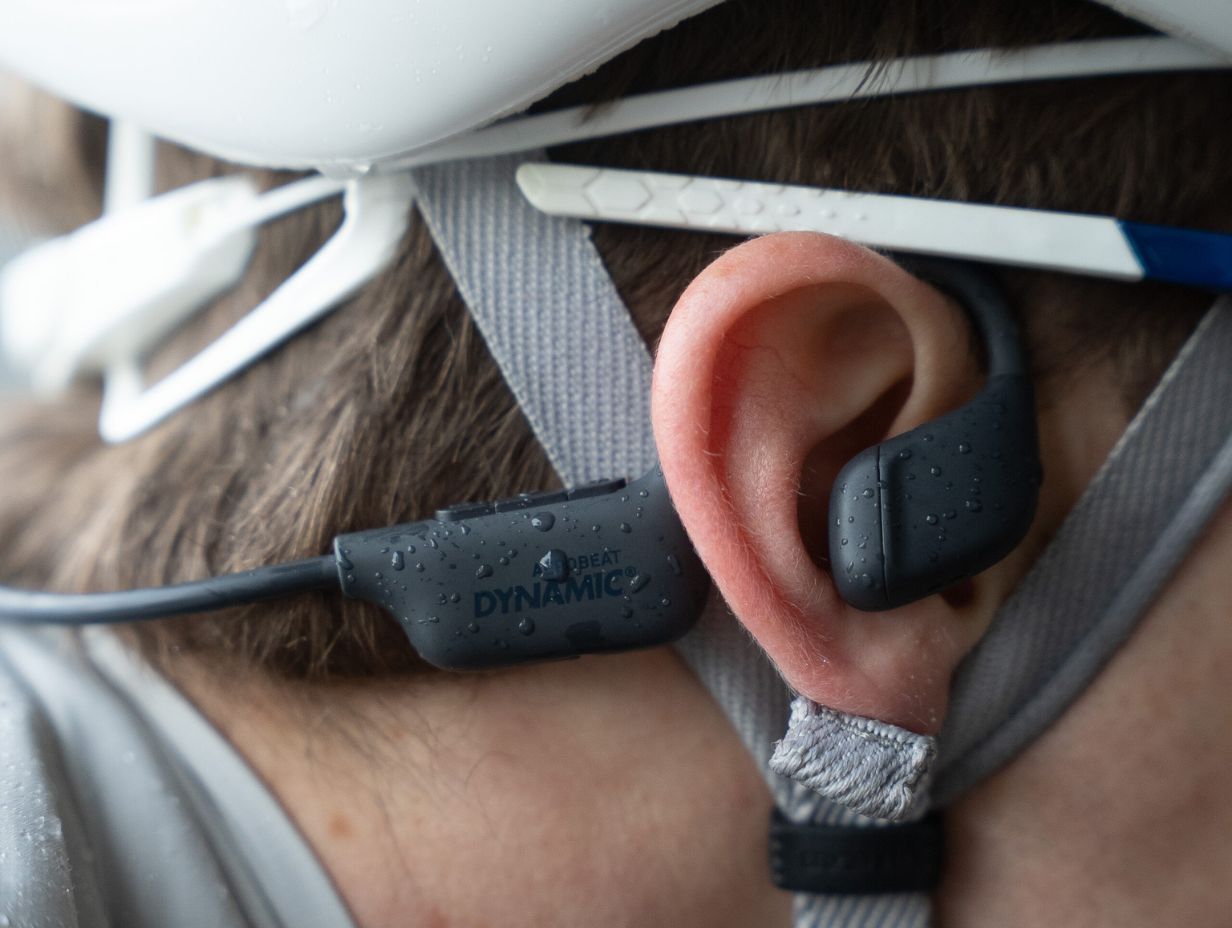
The AeroBeat weighs 27 g. The format wraps around the ears, with a flexible silicone band intended to keep everything in place, including on rough roads.
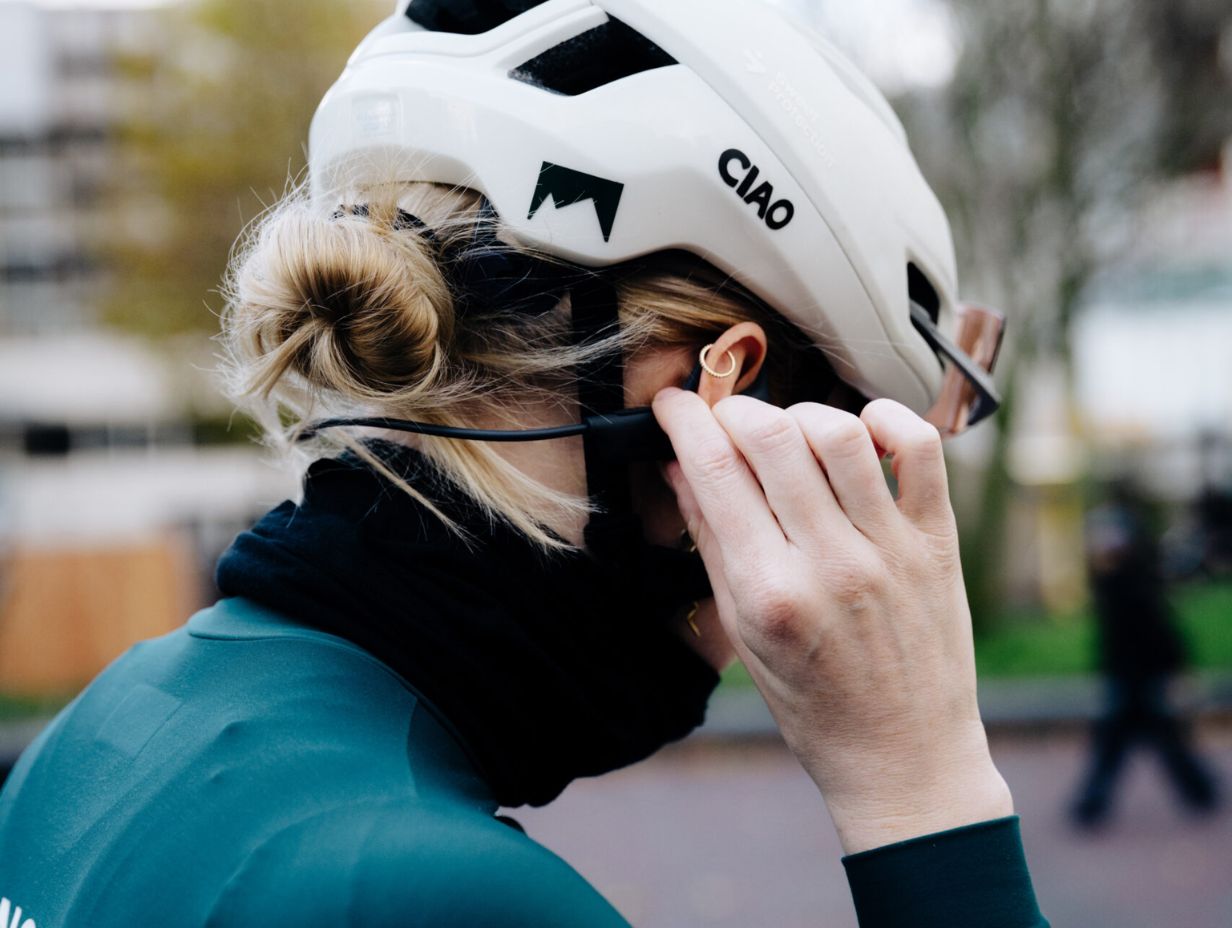
Controls are via three physical buttons. It is a less flashy detail than Bluetooth 6.0, but probably more important on the bike. Turning the volume up, pausing, skipping tracks or taking a call with gloves on is still easier with buttons than with a temperamental touch surface.
The controls cover common functions: play, pause, volume, next or previous track, calls, call rejection and voice assistant. The built-in microphone also lets you take a call, although the real quality in windy conditions remains to be seen.
Bluetooth 6.0 and multipoint - useful if you juggle a watch and a phone
The Bluetooth 6.0 connection supports multipoint. The AeroBeat can therefore be connected to two devices at once, for example a smartphone and a compatible sports watch.
It is not essential for everyone, but it avoids having to re-pair between different uses. A rider who alternates outdoor rides, turbo trainer sessions and everyday calls may find it genuinely convenient.
Pairing remains standard: hold the control button for 5 seconds, white and green LED, then select AeroBeat in the Bluetooth settings.
Comfortable theoretical battery life
The 180 mAh battery offers up to 20 hours of claimed battery life. That is more than enough for long rides, a brevet, a full day or several training sessions without systematic recharging.
Charging is via USB-C. A full cycle takes 50 minutes, while fast charge reaches 70% in 10 minutes. Again, it is the kind of practical detail that matters more than raw specs: forgetting to charge an audio accessory the night before does not necessarily ruin the next day’s ride.
In standby, battery life reaches up to 300 hours. A carry case is included, which reduces the risk of finding the headphones crushed at the bottom of a kit bag.
IPX5 - rain and sweat, not immersion
The IPX5 rating protects the AeroBeat against rain, splashes and sweat. For cycling, that is the minimum. A wet ride, a hot climb or an indoor session should not be a problem within that scope.
Do not confuse it with true waterproofing for immersion. The headphones must not be submerged, and the USB-C port must be dry before charging. It is simple, but these small habits are often what prevent premature failures.
Our view
The AeroBeat DY185 ticks many relevant boxes for cycling use: open ears, low weight, physical buttons, IPX5, long battery life and fast charging. The positioning is clear, without trying to turn the headphones into a multi-function gadget.
The decisive point will remain real behaviour in the wind. If Cycling Mode keeps its promise, the AeroBeat could become an interesting alternative to audio glasses and conventional earphones.
A true cycling enthusiast since he was 11, Hugo is the author of the book "C’est Gravel" and the founder of the Gravel Passion media platform, which he launched in 2021. Since then, he has been sharing his passion with expertise with more than 1 million cyclists every year.


 And what about the law?





Reviews
There are no reviews yet.