
A Chinese brand offering an appealing bike for far less than the established benchmarks – that promise is easy to grasp. But when it starts asking several thousand euros for a frameset, the question changes: what exactly am I buying, beyond an alternative to brands I already know?
This evolution is what interests me.
Not the story that Chinese brands are all poor copies. Nor its exact opposite, which would have them already making the same products as Western brands, with only a different logo and a bill cut in half.
Between those two narratives, there is a far more interesting market: manufacturers becoming brands, companies developing their own products without owning factories, price specialists and others clearly setting their sights on the high-end.
For you, the cyclist, the point is not to pick a side. It is to understand when this new competition is a good deal, when it brings more than a saving, and when its appeal becomes less obvious.
Chinese brand and made in China do not mean the same thing
Before talking about price or quality, separate several pieces of information: the brand’s origin, where the product is designed, where it is manufactured, and the company that sells it to the end customer.
These may all be in the same country. They do not have to be.
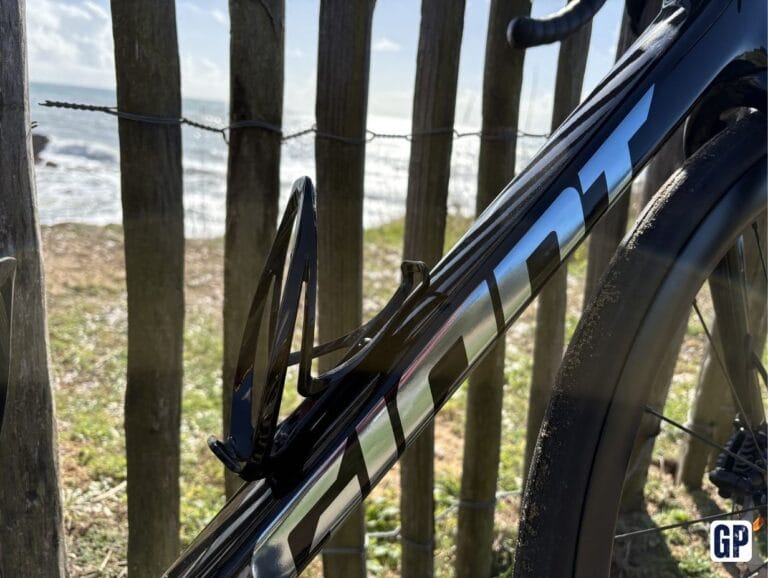
The precedent set by Giant is instructive. The Taiwanese group started as a manufacturer for other brands before launching its own brand in 1981, then building its international network. The shift from contract manufacturing to a brand is therefore not a recent invention.
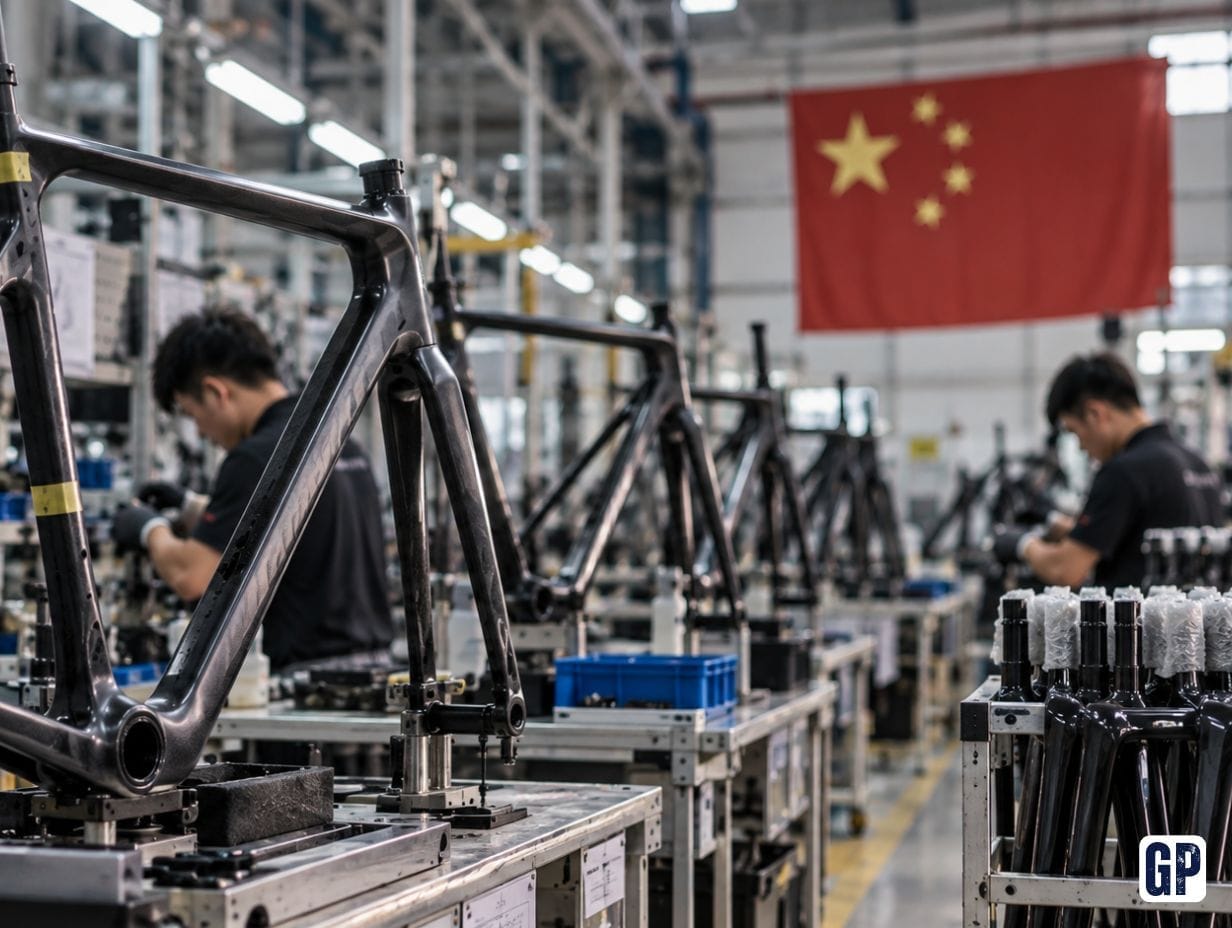
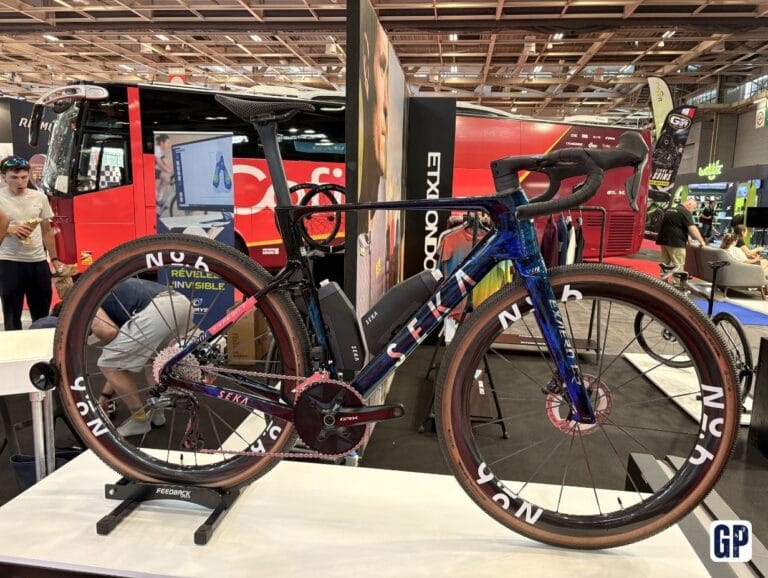
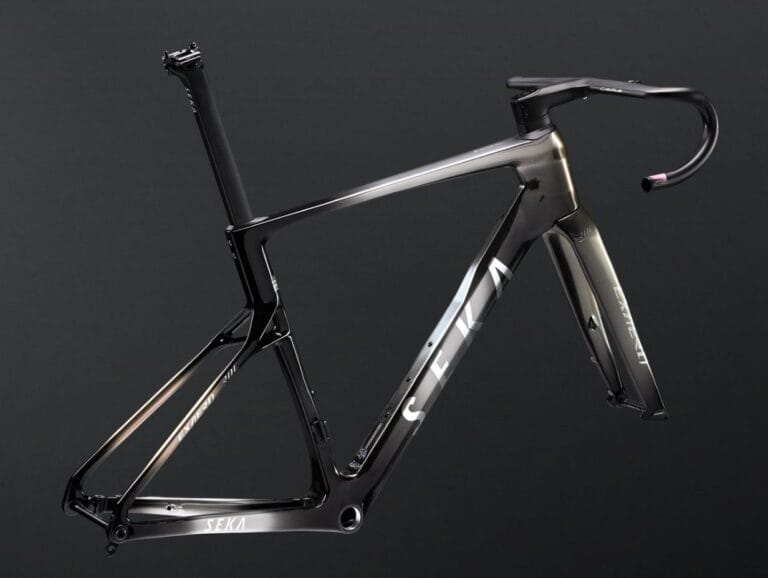
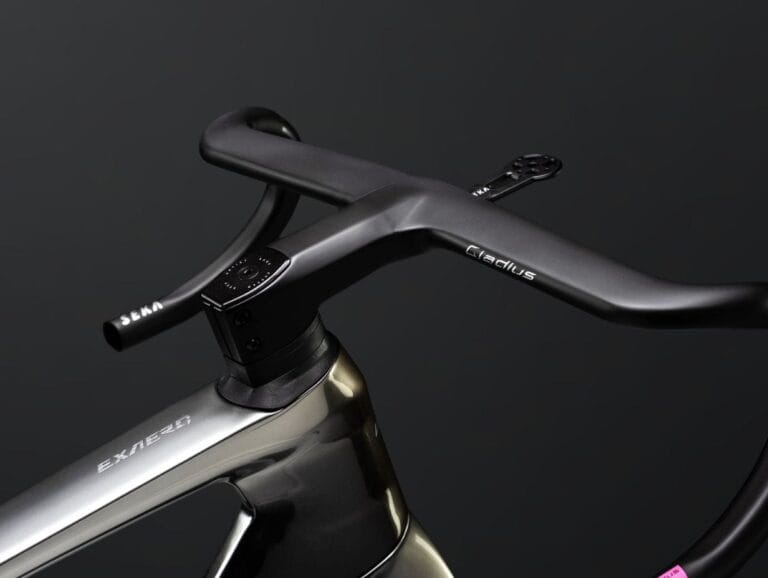
At the other end, a Chinese company can adopt an organisation similar to that of a European or American brand. For example, SEKA is a Shanghai-based company that carries out its design and engineering in-house, then outsources manufacturing to partners. Buying Chinese does not therefore necessarily mean buying directly from the factory.
This distinction changes how we read the market. Do not confuse the rise in Chinese industrial capabilities, sales of products made in China and the commercial development of Chinese brands.
No, Western brands are not all just a sticker
The idea is tempting: the factory made a frame, a Western brand stuck its name on it and multiplied the price. Now the factory would sell the same frame directly.
That may describe some catalogue offerings. It is not a valid description of the entire industry.
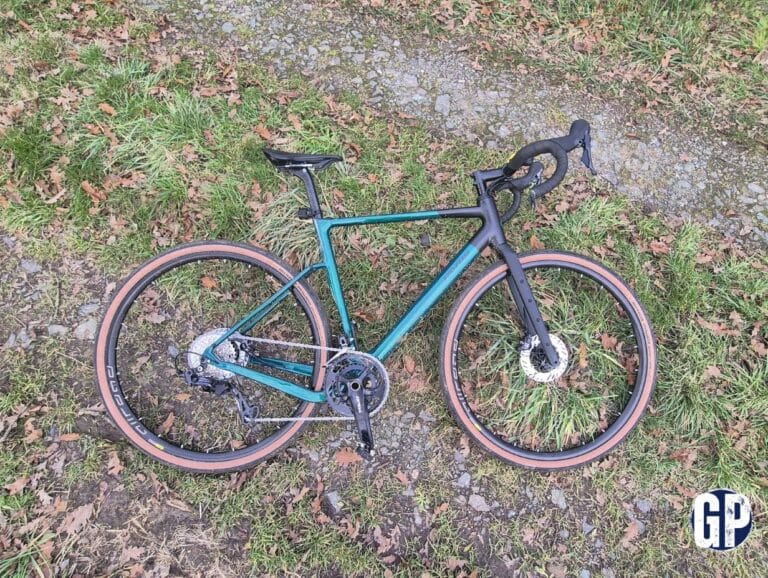
We must distinguish in particular a product developed to a brand’s specification, a model designed by a manufacturer and offered to multiple clients, and a product developed for that manufacturer’s own brand. The division of work, investment and responsibility is not the same.
A mould does not contain all the value of a frame
Two frames can look very similar yet have different construction. Fibre choice and its layup within the composite are part of the engineering work. The argument “it comes out of the same factory” therefore needs follow-up questions: to what drawings, with which materials, what tolerances, which controls and what traceability?
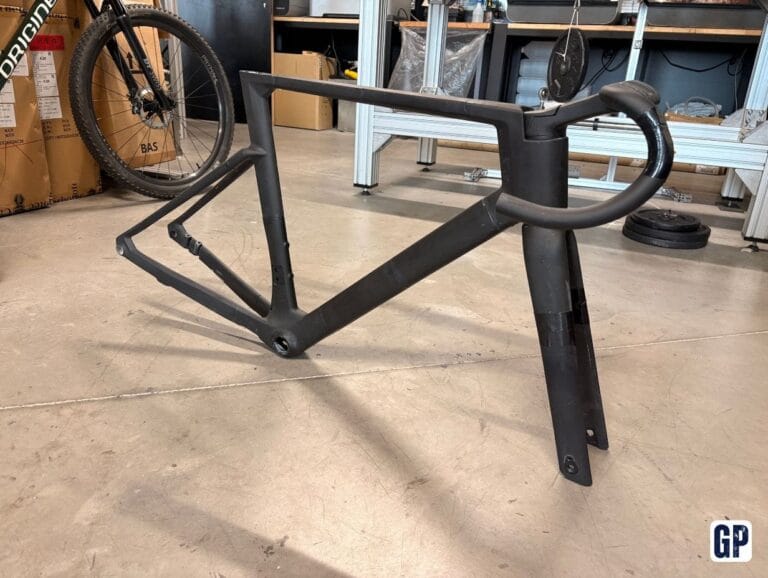
We should also avoid the reverse reasoning. A brand with its own design office has not automatically designed a better bike. A product from a shared platform can be coherent, well made and properly sold.
The point is not who deserves the symbolic title of “real brand”, but who brings what and who stands behind the result.
A Western brand may justify its price through specific development, testing, efficient distribution and follow-up. It may also offer a product with insufficient differentiation. Nationality does not let you decide between those two situations.
What is changing: manufacturers also want to own the relationship with the cyclist
Manufacturing for others and selling under your own name do not give you the same economic position.
With an own brand, the company can build a customer base, choose its positioning and benefit directly from the reputation of its products. It must also take on what previously sat with the contracting brand or the distributor: communication, availability, support and service.
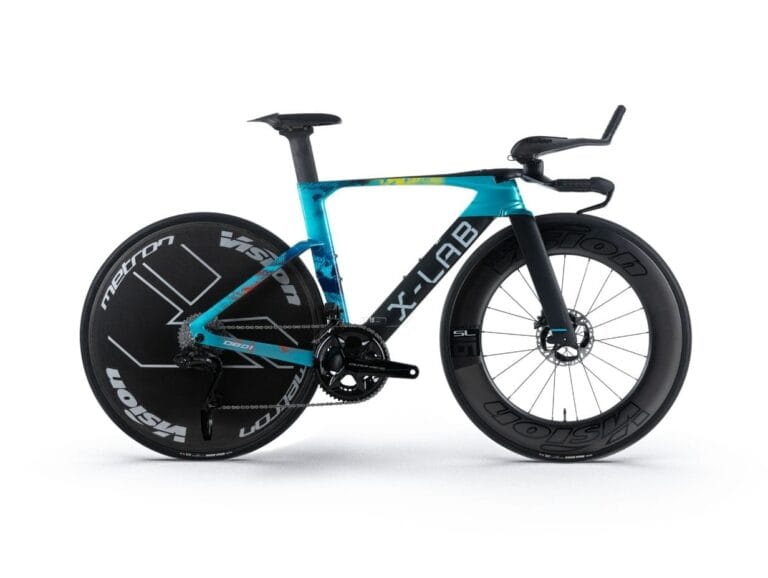
XDS illustrates this ambition. The group presents X-LAB as the extension of more than thirty years of industrial experience and now promotes its own bikes with the XDS Astana team.
This pursuit of recognition goes beyond frames. On 12 January 2026, Magene announced its partnership with XDS Astana for GPS head units, smart turbo trainers, rear radars and heart-rate straps. It is therefore no longer only about selling an alternative part to an enthusiast who already knows the brand: the company is seeking to become recognisable in professional cycling.
A sports partnership is evidence of commercial commitment and a demanding usage context. It is not proof that all of the brand’s products outperform their competitors, nor that the private buyer will enjoy the same level of support as the team.
Likewise, seeing more of these products in the media (👋), with content creators or at races does not reveal their market share. Awareness, distributor orders and actual sales to cyclists are three different indicators.
Cutting out a middleman can reduce price. It does not remove the work they did
The economic potential of direct sales is real in principle: fewer successive companies need to be paid between the manufacturer and the user.
But the functions do not necessarily disappear with the companies that performed them.
Someone still has to manage stock, size exchanges, assembly, returns, technical queries, parts and warranty issues. Some of these tasks can be centralised and done efficiently. Others can be shifted to the customer.
For an experienced cyclist who can choose their frameset, prepare their build and solve a compatibility issue, that shift can be perfectly acceptable. It is not the same advantage for someone who wants to try the bike, be fitted to it and go back to the shop at the first sign of trouble.
Above all, not all Chinese brands choose to remove local distribution.
Winspace handles the French market through its exclusive official distributor, to whom French customers are directed.
In the United States, XDS explicitly states that it wants to work with independent bike shops rather than against them.
Likewise for Pardus, which is seeking to build its dealer network in Europe.

This is not a detail. It shows that some of these companies are seeking less to eliminate the traditional model than to take their place within it.
Are Chinese brands still much cheaper?
The answer depends on the product, the range, the market and the price you compare to.
To move beyond impressions, here are four comparisons:
- Winspace T1600 Ultra (frameset) = €2,499
- Seka Spear RDC (frameset) = €3,199
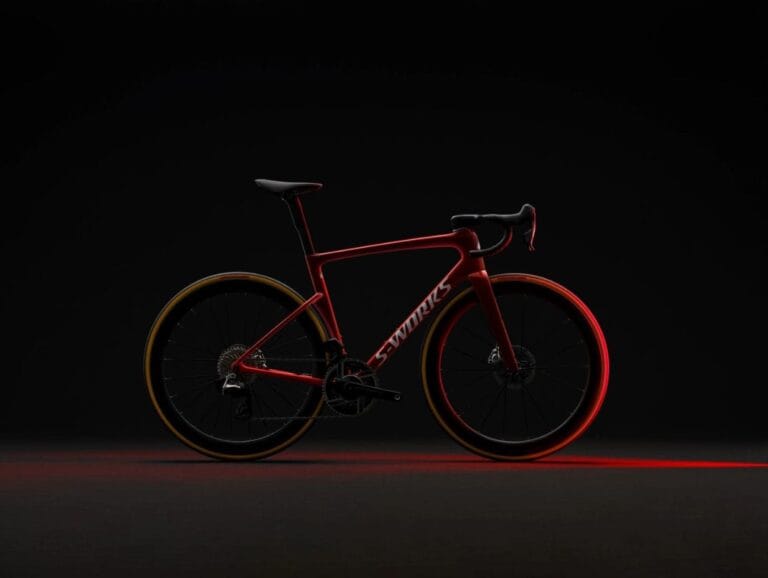
- Specialized Tarmac SL9 (frameset) = €3,999
- Specialized S-Works Tarmac SL9 (frameset) = €5,799
Colours, sizes, included accessories and delivery conditions are not harmonised in this sample. VAT may also vary with the country of delivery. These amounts illustrate positioning, not a hierarchy of value for money.
They do, however, help correct a shortcut:
“A Chinese product can be expensive without being as expensive as its most prestigious competitor. A frameset at €3,199 is already a big budget. That is not enough to claim it now costs the price of an S-Works.”
Be careful not to confuse moving upmarket with a general rise in prices
The arrival of a new Chinese frameset at €3,000 or €4,000 does not show that all products from that origin have become more expensive.
The brand may have added a higher range without increasing its entry-level. To speak rigorously about inflation, you would need to track the same products, or truly comparable products, in the same country, with the same taxes and the same contents.
Our snapshot therefore does not allow us to conclude that “Chinese brands are now as expensive as Western ones”. It rather shows that the gaps are variable and that the opposition between cheap Chinese and Western high-end no longer suffices.
A frameset can be a good deal without the complete bike being one
It is one of the easiest traps to fall into.
The saving made on the frame has to be put back into the cost of the whole. You must compare the exact groupset, the wheels, the cockpit, the saddle, the tyres, the necessary accessories and the assembly.
A frameset sold with a seatpost and cockpit is not directly comparable to another that charges for them separately. Conversely, an included cockpit only has value if it matches the rider’s position and can be replaced on acceptable terms.
A custom build also has to be compared with a complete bike that is actually available, not with the theoretical sum of all its components’ list prices.
This caution also applies to the labels. Two bikes described as “with Ultegra Di2” are not necessarily equivalent on the wheels, the chainset, the power meter, the rotors or the finishing kit. A proper comparison requires a full bill of materials.
Finally, a US price in dollars is not a French VAT-included price converted at today’s exchange rate. For purchases outside the European Union, French Customs reminds us that taxes, duties and handling fees may apply depending on the situation.
Why do some Chinese brands want to sell high-end?
Because a company is not obliged to stick forever to the positioning that made it known.
A brand may look to offer more development, a more mature range, customisation options or better support. It may also wish to increase its margin and the perceived value of its name.
These explanations are not mutually exclusive.
The mistake would be to treat every price rise as proof of technical progress. But it would be just as simplistic to reduce it automatically to opportunism.
Without knowing the detailed accounts and development costs of a model, it is impossible to state what share of its price funds engineering, service, distribution, communication or profit.
Be wary, then, of arguments that start from a supposed factory cost to conclude that everything else is unjustified margin. An ex-works price is not the total cost of making a product available and supporting it.
That does not give high prices a blank cheque.
The question I would ask a high-end Chinese brand is exactly the one I would ask an American or European brand: what, concretely, do you bring that I cannot find elsewhere at a better price?
Proximity to production can explain competitiveness. It is not, on its own, a reason to pay more.
On quality, you need to move beyond generalities and look at evidence
“Chinese carbon is dangerous” is not an evaluation method. “They make for everyone, so it is bound to be just as good” is not one either.
You have to judge identified products, with documents and tests corresponding to the model concerned.
Compliance is a starting point, not a ranking
Standard ISO 4210-2:2023 covers safety and performance requirements concerning the design, assembly and testing of different categories of bicycles and sub-assemblies. It is a technical reference: it does not rank bikes by enjoyment or value for money.
UCI approval also deserves a careful reading.
Reducing it to a simple shape check would be inaccurate: the UCI explains that a section relating to safety and quality requirements in the country of use was added in 2019, generally linked to ISO compliance. Approval also concerns compliance with sporting rules and commercial availability. It is not, however, a comparative test proving that one frame is faster, more comfortable or more durable than another.
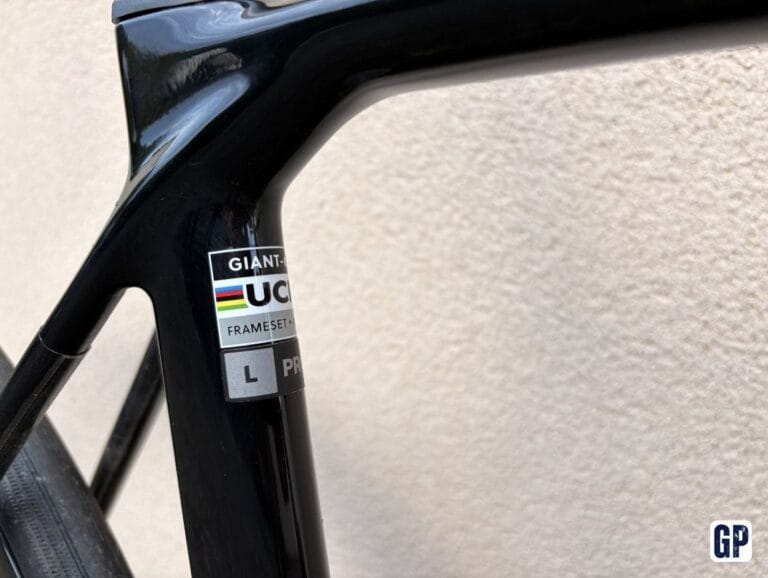
In other words, a compliance document is useful. It does not replace all other elements of assessment.
An aerodynamic figure must come with its protocol
Before you bank on a saving of a few watts, you should know the conditions: speed, yaw angles, wheels, tyres, sizes, accessories, presence of a rider or dummy, repeatability of the measurements.
Publishing a protocol is better than an isolated claim. But a test commissioned and presented by the manufacturer must remain identified as such.
The same requirement applies to weights: a bare frame, in a small size and without certain parts, must not be compared to the weight of a painted, complete frameset.
This level of scrutiny should apply to all brands. Not only to newcomers we distrust more.
Reliability is not measured with a few photos of broken frames
A failure report deserves to be taken seriously. It does not allow you to calculate a failure rate.
To compare two brands properly, you would need to know, among other things, units sold, duration of use, usage types, nature of incidents and the method used to collect reports.
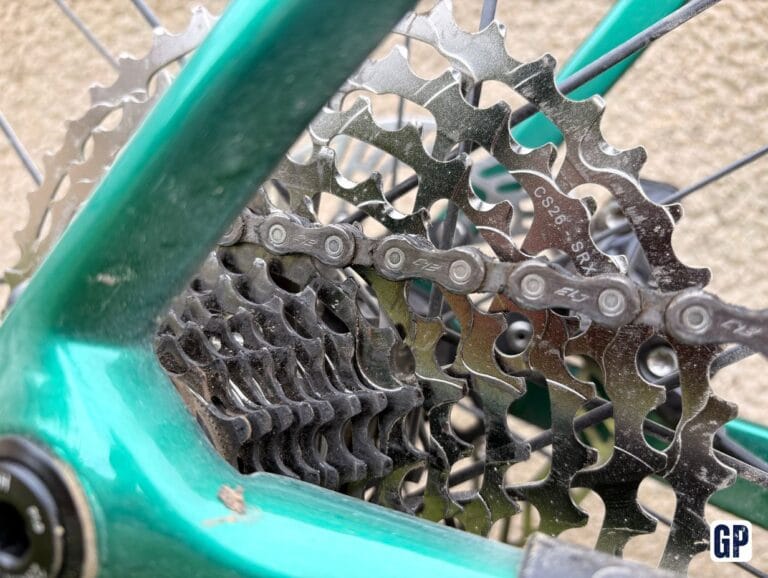
A widely distributed brand may produce more negative reports in absolute numbers without being less reliable. Conversely, the absence of reports about a small brand may simply reflect its limited reach.
Established names are not immune to an industrial issue either. Specialized’s recall of certain Tarmac SL7s in 2021 provides a documented example. That does not prove that all other frames are equally or less reliable: it is a reminder that a recognised name does not guarantee the absence of defects.
You then have to look at a second dimension: how does the company detect a defect, identify the affected products, inform customers and organise the fix?
A serious brand is recognised not only by what it promises before the sale, but by what it does when a product causes problems.
After-sales service: neither an automatic guarantee from big brands nor an automatic absence among Chinese ones
The service argument is often used far too vaguely.
On the one hand, it would be unfair to claim that a Chinese brand necessarily has no support. On the other, a page promising several years of warranty does not demonstrate that every request will be processed quickly.
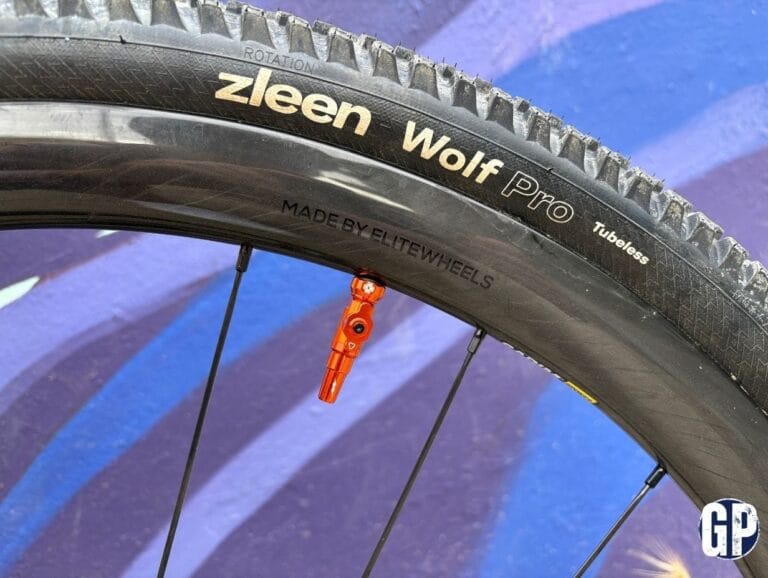
Let’s take a concrete example: Elitewheels announces a commercial warranty of three years against defects in materials or workmanship, reserved for the original owner, with specific durations for certain parts. Its policy provides several repair routes, including an authorised centre or a local shop pre-authorised. It also indicates it can cover reasonable labour and transport costs for a covered defect, after validation. And in practice? Whether it’s me or members of our community, all emphasise the speed and quality of the after-sales service. Despite the fact they are on the other side of the world, exchanges are fast and effective, which is not always the case with some Western brands.
For the buyer, the important questions become very practical: who receives the request? Do you have to pay upfront? Where does the product go? Who validates the repair? Are parts available?
The seller’s nationality matters as much as the one on the logo
In France, the legal guarantee of conformity binds the professional seller. For a new product, it applies for two years from delivery; it must not be confused with the manufacturer’s commercial warranty.
Buying a Chinese brand from a French professional seller is therefore not legally the same as ordering directly from a company located outside the European Union.
That does not mean that a purchase from a non-European seller would necessarily be devoid of protection. The official Your Europe portal notes that EU rules can also apply to a trader outside the EU targeting European consumers, while highlighting the potential difficulty of enforcing your rights.
The right reflex is to look at the company on the invoice, its commitments and the concrete ways to contact it.
A European warehouse or a website translated into French do not, by themselves, answer all of those questions.
At a similar price, why choose a Chinese brand?
The most honest answer is also the simplest: because the product or the offer suits you better, not because a newcomer should be rewarded.
A suitable geometry, a better size range, a more coherent build, a custom assembly or a pertinent technical solution can justify the choice.
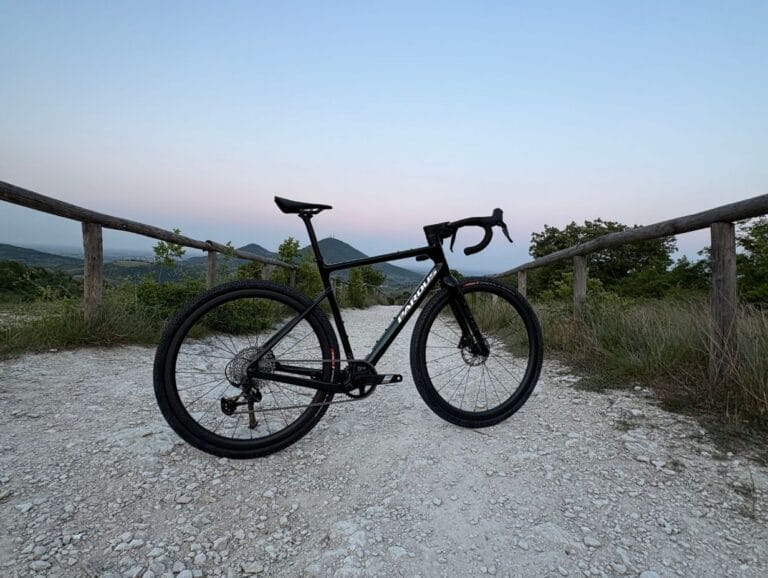
There is no reason to consider that a Chinese brand must necessarily be the cheapest to deserve to be interesting.
But the reverse is just as true: a cyclist has no obligation to take on more uncertainty to help a brand build its reputation.
When the price is close, compare what is genuinely different.
Ease of ownership is part of the product
Before choosing, I would look at the availability of the items that can put the bike out of action: derailleur hanger, headset, spacers, seat clamp, axles and cockpit parts.
A part number existing in a catalogue is not enough: can you actually get it, from whom, and in what timeframe?
A bike is a purchase you continue to use long after its launch page has disappeared. Part of its value is judged over that period.
You can also buy a bike because you want it
Aesthetics, brand identity and the pleasure of owning something different are legitimate criteria.
It would be inconsistent to recognise that value for historic brands while demanding that Chinese brands sell only grams and euros.
However, be clear-eyed about the nature of your choice. Buying a bike because you find it beautiful is not the same decision as proving it offers the best performance-to-price ratio.
The two can coincide. It is not automatic.
Ownership cost and resale can change the outcome
The purchase invoice is only part of the cost.
You also need to consider fit tweaks, maintenance, potential repairs and resale value. Downtime will also matter differently depending on whether it is the household’s only bike or an additional build.
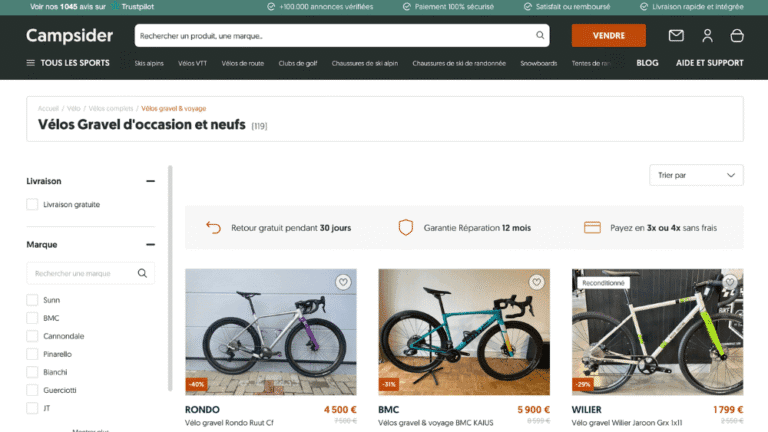
That does not mean a Chinese bike necessarily depreciates more. In our selected sources, we do not have a comparable database to assert that across all such brands.
Second-hand demand, the model’s reputation, its new availability and the transferability of warranties must be assessed case by case.
Above all, distinguish a price shown on a marketplace from a price at which a product actually sold.
A better resale value can offset part of an initial premium. It should not be assumed or exaggerated to justify any price.
Will Chinese brands really shake up the market?
They can intensify competition. That does not allow you to predict general domination.
Three developments seem plausible to me, without being quantitative forecasts.
The first is increased pressure on undifferentiated offers. A company, whatever its origin, risks being weakened if it offers neither a competitive price, nor a clear product advantage, nor convincing service.
The second is the lasting establishment of some Chinese brands in the high-end. They can then be chosen for more than price, but must be judged with the same demands as their competitors.
The third is growing competition among Chinese brands themselves. They are not a homogeneous commercial bloc. One’s success can come at the expense of another, not only at the expense of a European or American brand.
Shops are not necessarily the losers
The narrative that new manufacturers would eliminate all bike shops is already contradicted by some distribution strategies, such as the one stated by XDS in the United States or Pardus in Europe.
For a shop, a new brand can represent an additional offer, local differentiation or an opportunity to sell fitting and maintenance services.
But the product’s purchase price alone does not determine the value of the partnership. Supply quality, warranty handling and commercial terms will be decisive.
Competition could therefore shift the relationships between manufacturers, brands and shops rather than make an entire category of players disappear.
To finish: ask the same of all brands
I find this market evolution interesting because it forces us to re-examine habits.
A historic brand should not be able to justify its price indefinitely by its history. Nor should a Chinese brand be able to justify a lack of track record or service by its challenger status.
We have to accept two ideas at once.
A Chinese brand can design an excellent product and sell it at a high price. And that product may still not be the best buy for you.
Conversely, a much lower price can be a real opportunity, provided the saving is not based on elements we simply forgot to compare.
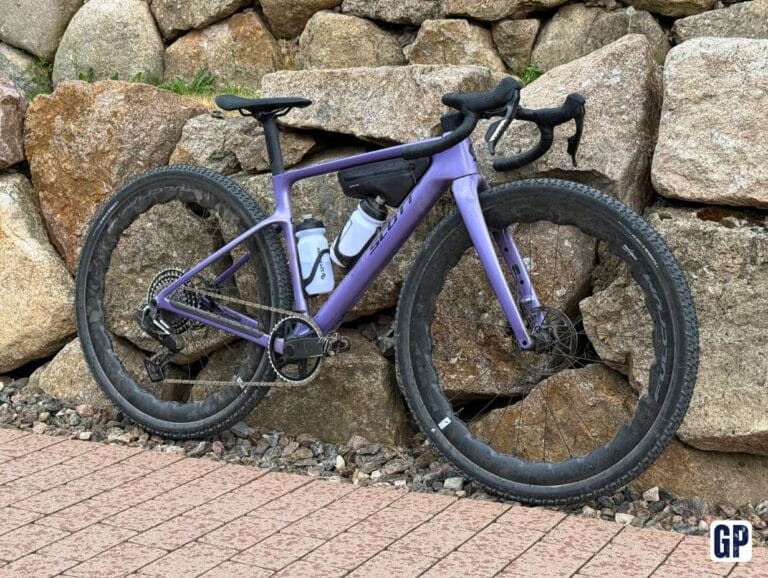
At a similar price, my position is simple: I would choose the newcomer if it gives me an identifiable advantage, a product that suits me better or sufficiently convincing service. If it merely promises equivalence while asking me to accept more uncertainty, I see no particular reason to favour it.
That reasoning does not depend on the country on the company’s profile.
So the useful question is not: “Will Chinese brands replace Western brands?”
Rather: which brands, old or new, will manage to justify their price by more than a narrative?
It is not up to cyclists to fund their legitimacy. It is up to them to earn our money.