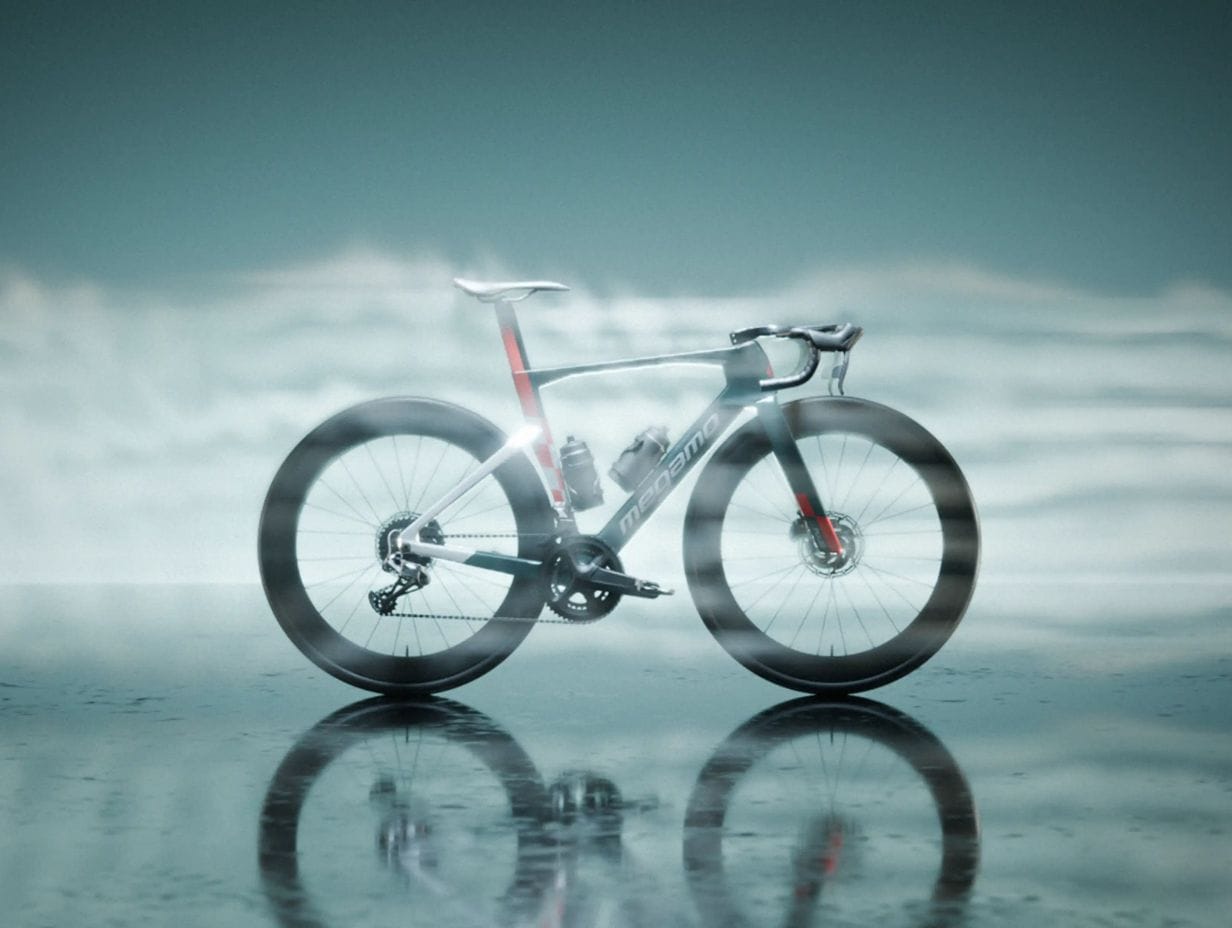
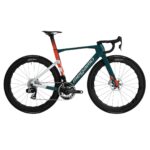
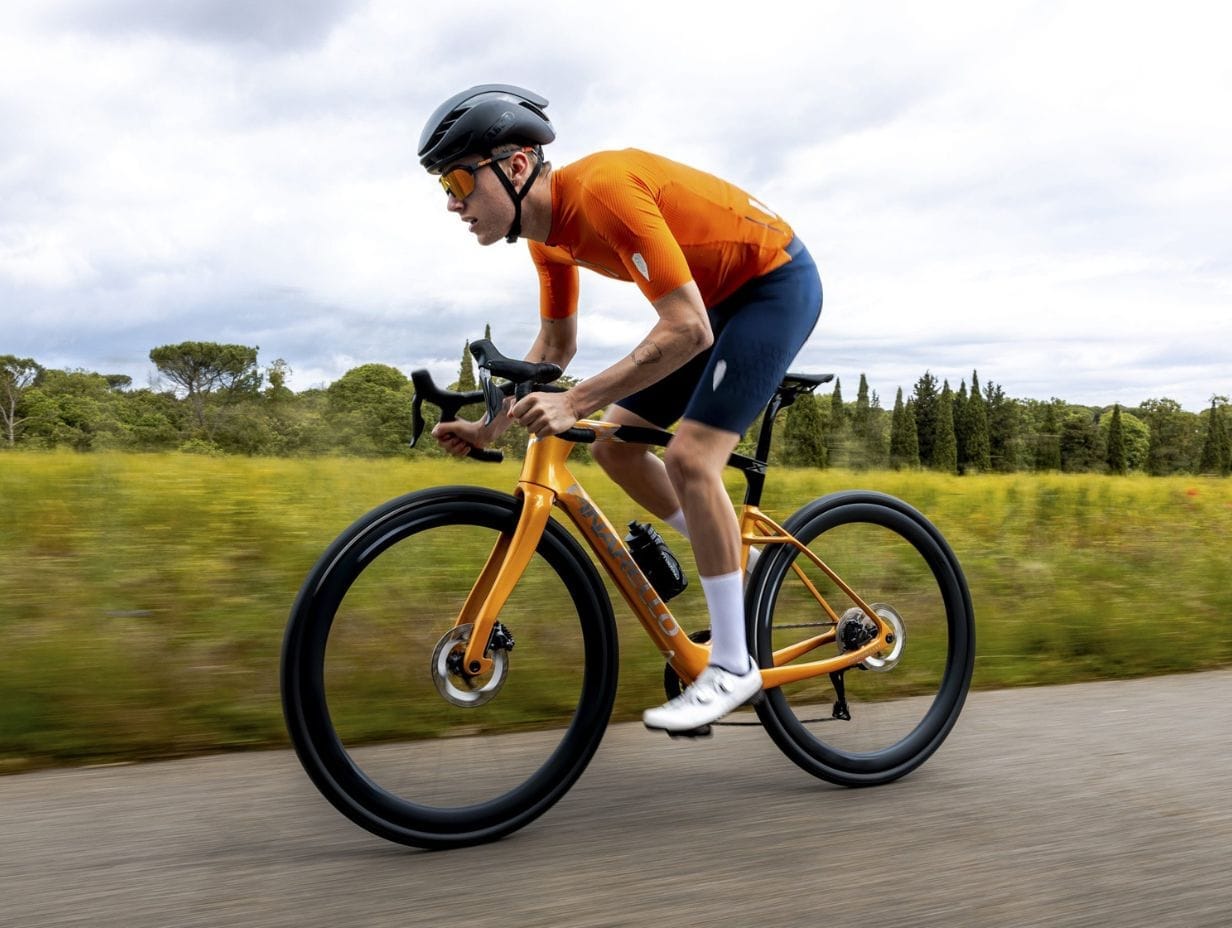
The new Megamo Pulse MY27 arrives with a clear ambition: to put the Spanish brand back in the conversation around fast, integrated road bikes that can perform on several fronts. Not an endurance bike in disguise, nor a machine built only for straight lines. Rather, a modern aero frame with weight kept in check and pricing that looks to have been reworked in the right direction.
Megamo calls it a full performance road bike. The phrase is broad, but the technical choices point in a clear direction: aggressive tube profiles, integrated cockpit, revised geometry, T47 bottom bracket, UDH derailleur hanger, and two carbon levels to cover multiple uses and budgets.
🚀 In brief:
Megamo unveils the new Pulse MY27, a performance-oriented carbon road bike with a strong focus on aerodynamics.
Two carbon levels are offered: SLR and SL, with a shared geometry across the range.
The frame is claimed at 924 g in size M, with bottom bracket stiffness up 27%.
An aero frame claimed at 924 g
The number that first grabs attention is the frame weight: 924 g in size M, claimed by Megamo in RTP trim. The fork is listed at 458 g, the seatpost at 213 g, and the Velora Aero carbon cockpit at 295 g.
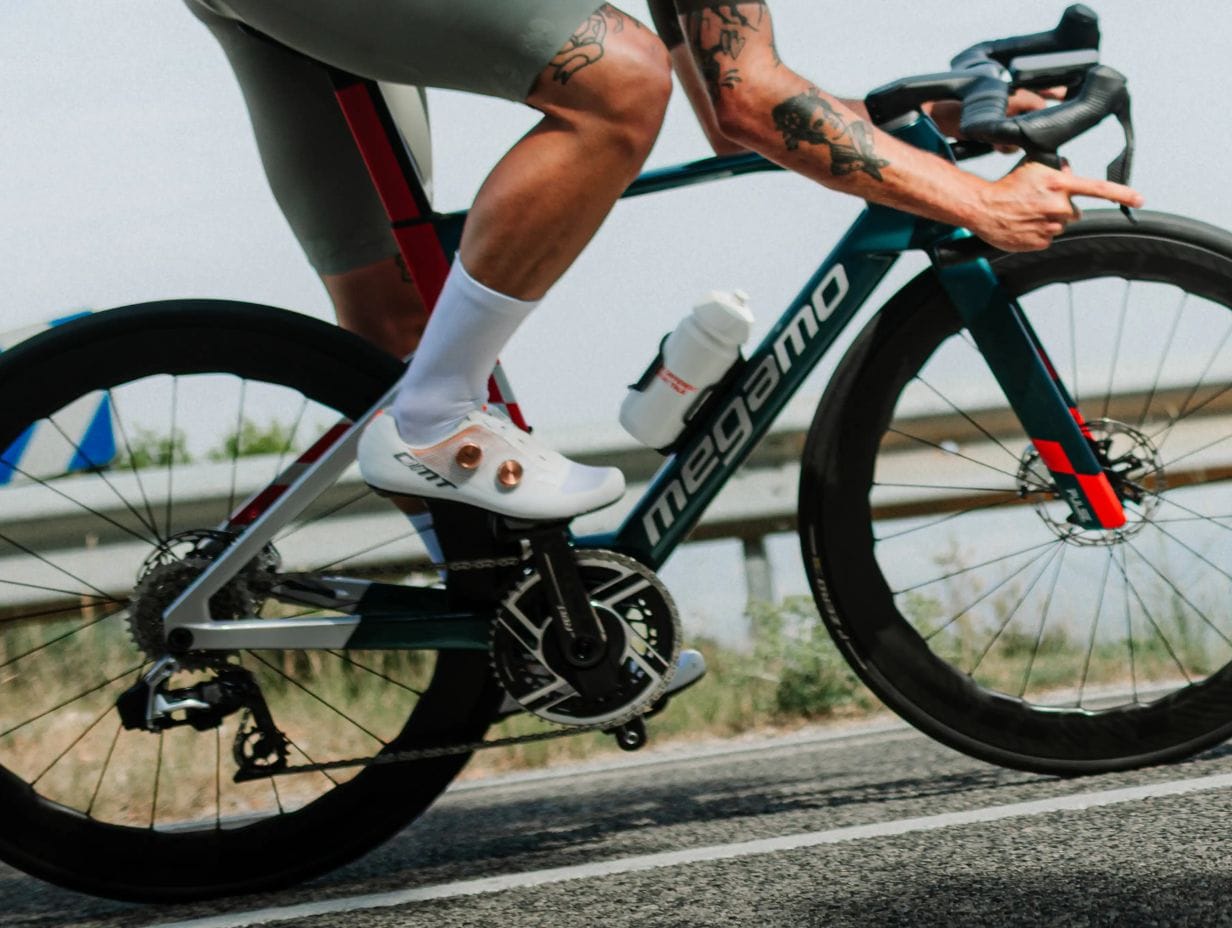
For a bike with decidedly aerodynamic profiles, the weight-to-aero balance is the real story here. Megamo does not present the Pulse as a pure climber, but the brand seems intent on avoiding the trap of an aero bike that is only efficient on the flat, sluggish to re-accelerate, and not very natural as soon as the road tilts upward.
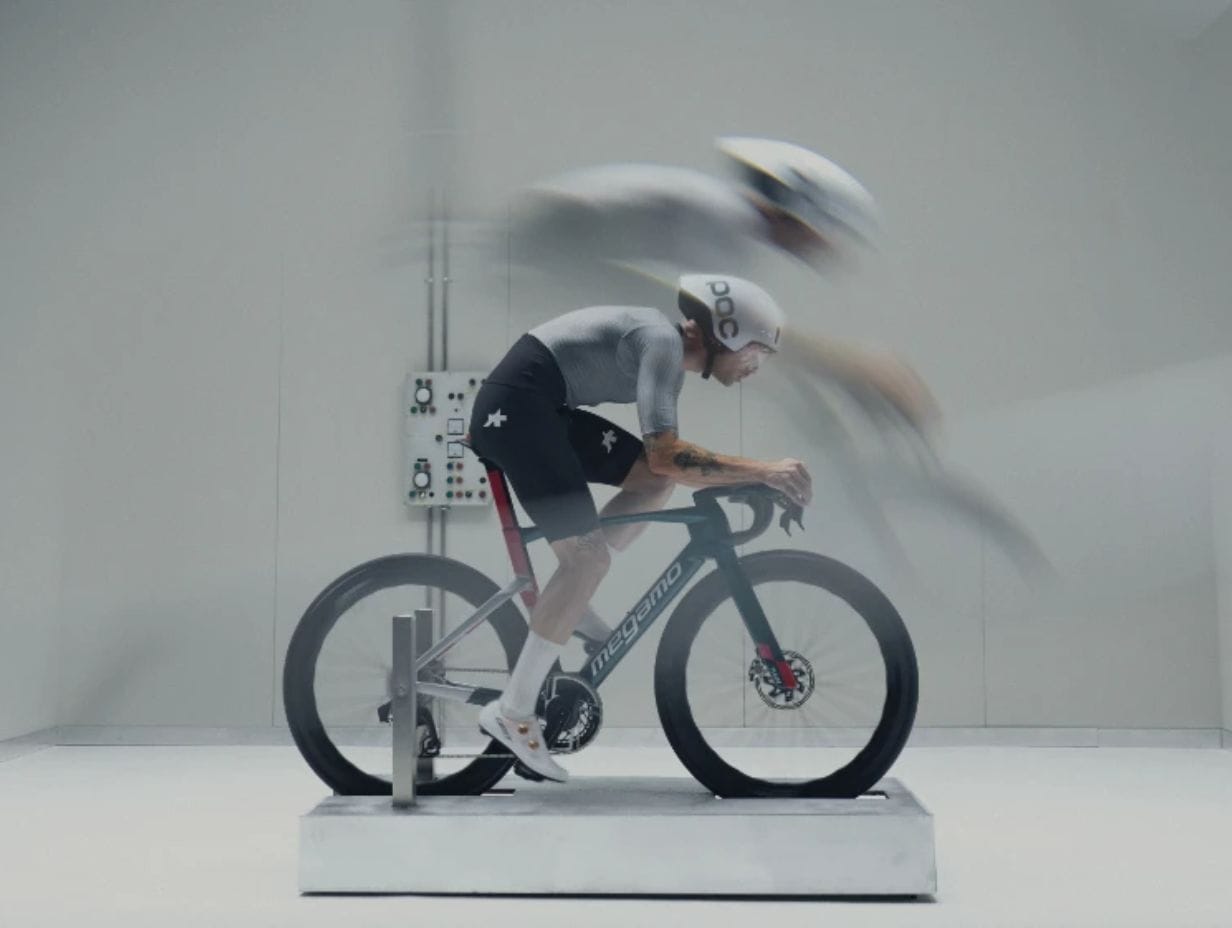
The aerodynamics were developed with crosswind conditions in mind, with simulations between 2.5 and 10 degrees of yaw. A road bike rarely rides in perfectly head-on airflow. A wide fork, deep head tube, and rear triangle are therefore supposed to work together to stabilize performance when the wind shifts.
As always with manufacturer aero data, we will need independent testing or real-world feedback to gauge how it stacks up against segment benchmarks. But the direction is credible: the Pulse is not just out to flaunt dramatic tube shapes, it aims to maintain consistent efficiency in more realistic conditions.
Two carbon options, one geometry
Megamo offers the Pulse in two carbon constructions: SLR and SL. The SLR is the most advanced version, with a race-oriented layup, low weight, and maximum stiffness where power transfer matters most. The SL targets more accessible performance.
The interesting point is that the geometry stays the same. Megamo is not reserving the bike’s position or handling only for the most expensive versions. This lets you choose a build according to budget or level of demand without changing the frame’s philosophy.
The brand also quotes a significant increase in bottom bracket stiffness: 234 N/mm, or +27% compared to the previous generation. The head tube is given at 150 N·m/deg and the rear triangle at 53 N/mm.
These figures do not tell the whole story of real-world behavior, but they do indicate that Megamo clearly sought to make the Pulse more direct under power. The usual question remains with this type of bike: how far does that stiffness stay pleasant on imperfect roads, long rides, or with tyres pumped harder than necessary?
A revised geometry to move the rider forward
The Pulse MY27 adopts a more forward position over the bottom bracket, with a steeper seat angle. The idea is to center the rider more, improve power transfer, and keep an efficient position on climbs or during sustained efforts.
The bottom bracket has been lowered to drop the center of gravity. In practice, this kind of choice can help gain stability in fast corners and rapid changes of lean, especially on an aero bike where the front end can sometimes feel very present.
Megamo keeps 410 mm chainstays, said to be as short as possible while preserving compatibility with current and future drivetrains. This is also where UDH comes in, becoming an increasingly strategic standard. On a road bike, it is not yet as evident an argument as on an MTB or some gravel bikes, but it does point toward a more durable platform.
Another detail to note: the range includes 5 frame sizes and uses two different forks to maintain a comparable handling feel across sizes. Exactly the kind of decision that can prevent a small frame and a large frame from feeling like they do not belong to the same family.
Velora Aero cockpit: full integration, but adjustability preserved
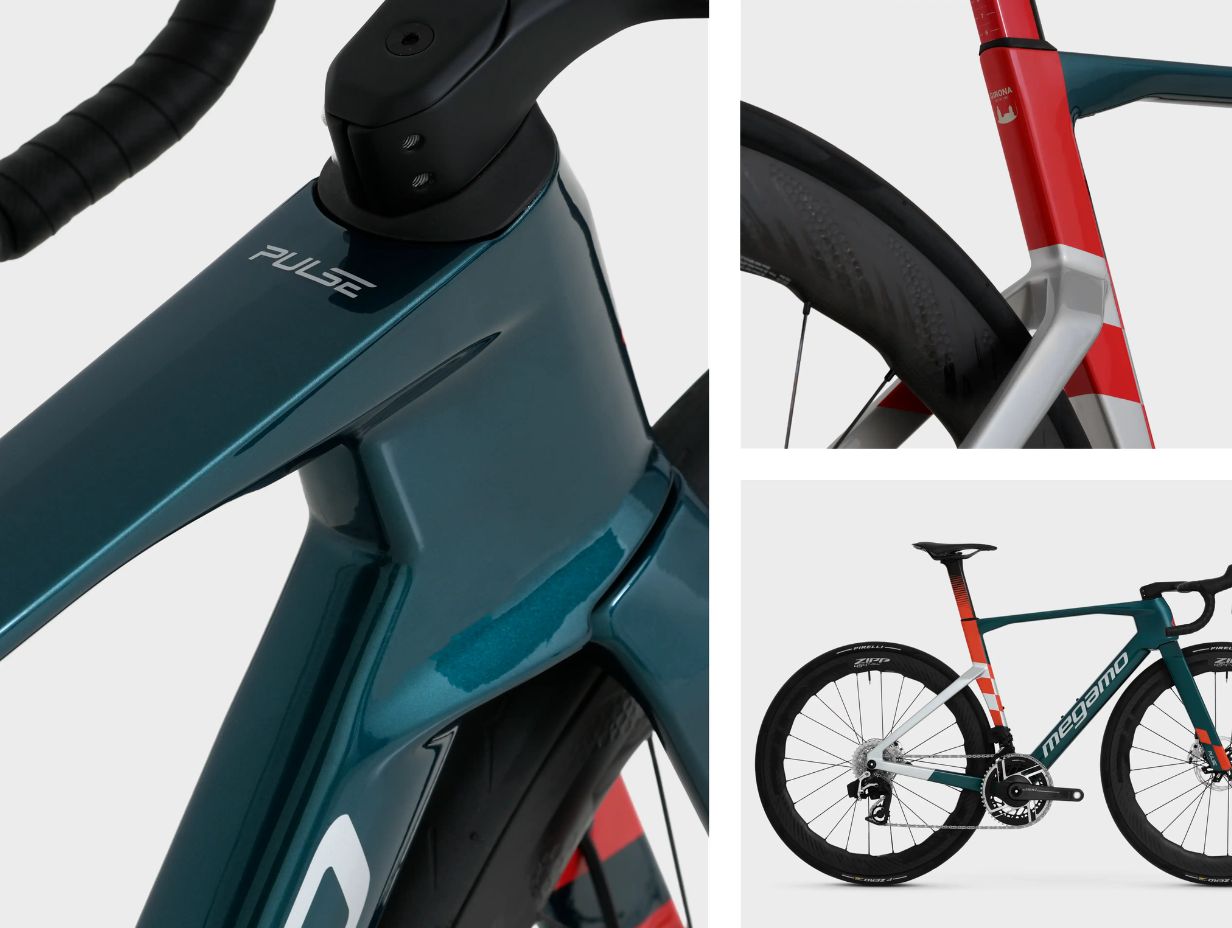
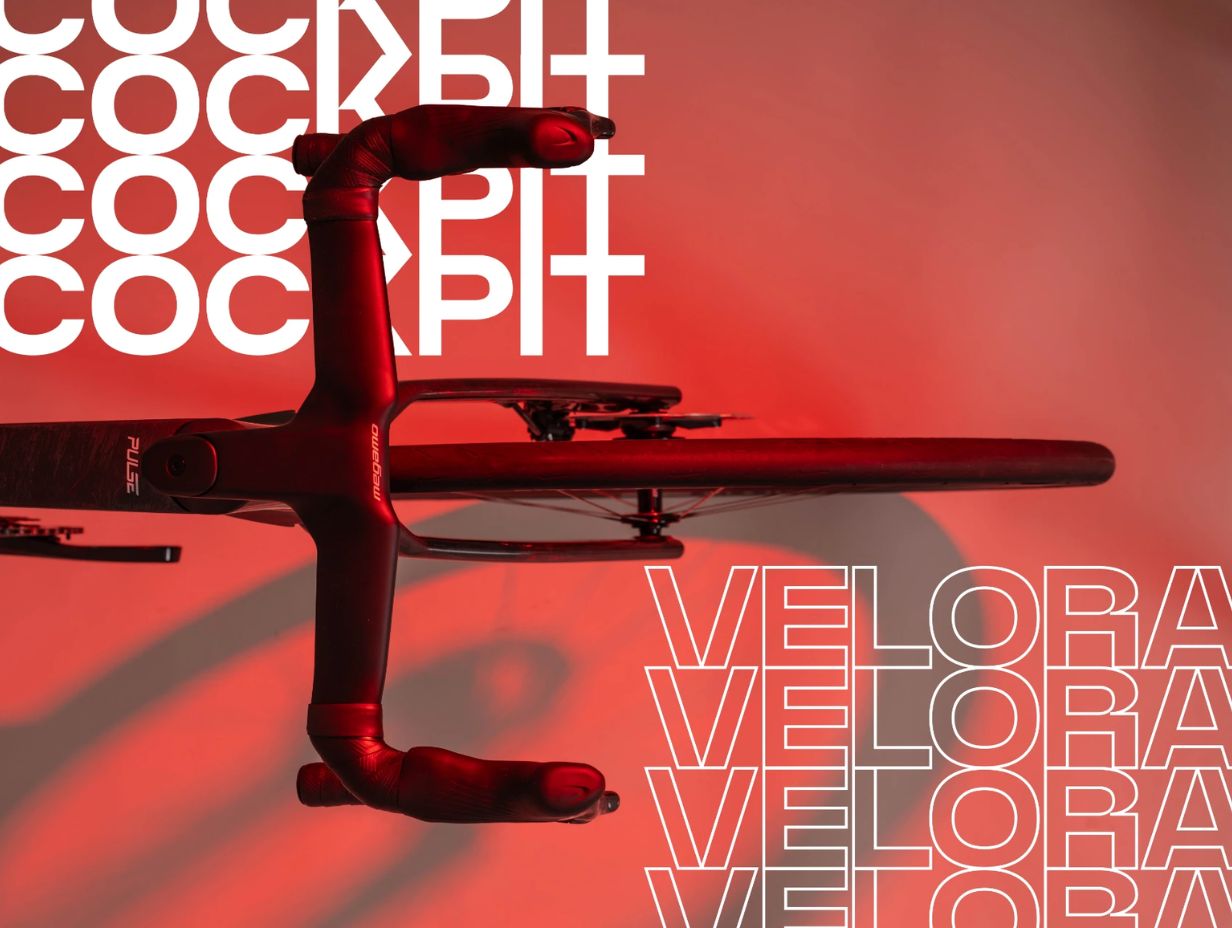
The Velora Aero carbon cockpit accompanies the frame’s development. Megamo emphasizes a system approach: frame, fork, head tube, stem, and handlebar were conceived together, with fully internal cable routing.
The front end looks very clean. The integrated GPS mount, compatible with Garmin and Wahoo, follows the same logic: less tinkering around the bar, a neater assembly, and preserved aerodynamic coherence.
The handlebar promises several hand positions, with an aim to preserve comfort and control.
A broad range, with pricing that gets interesting
The Pulse 2027 range starts with very serious builds. Megamo notably announces:
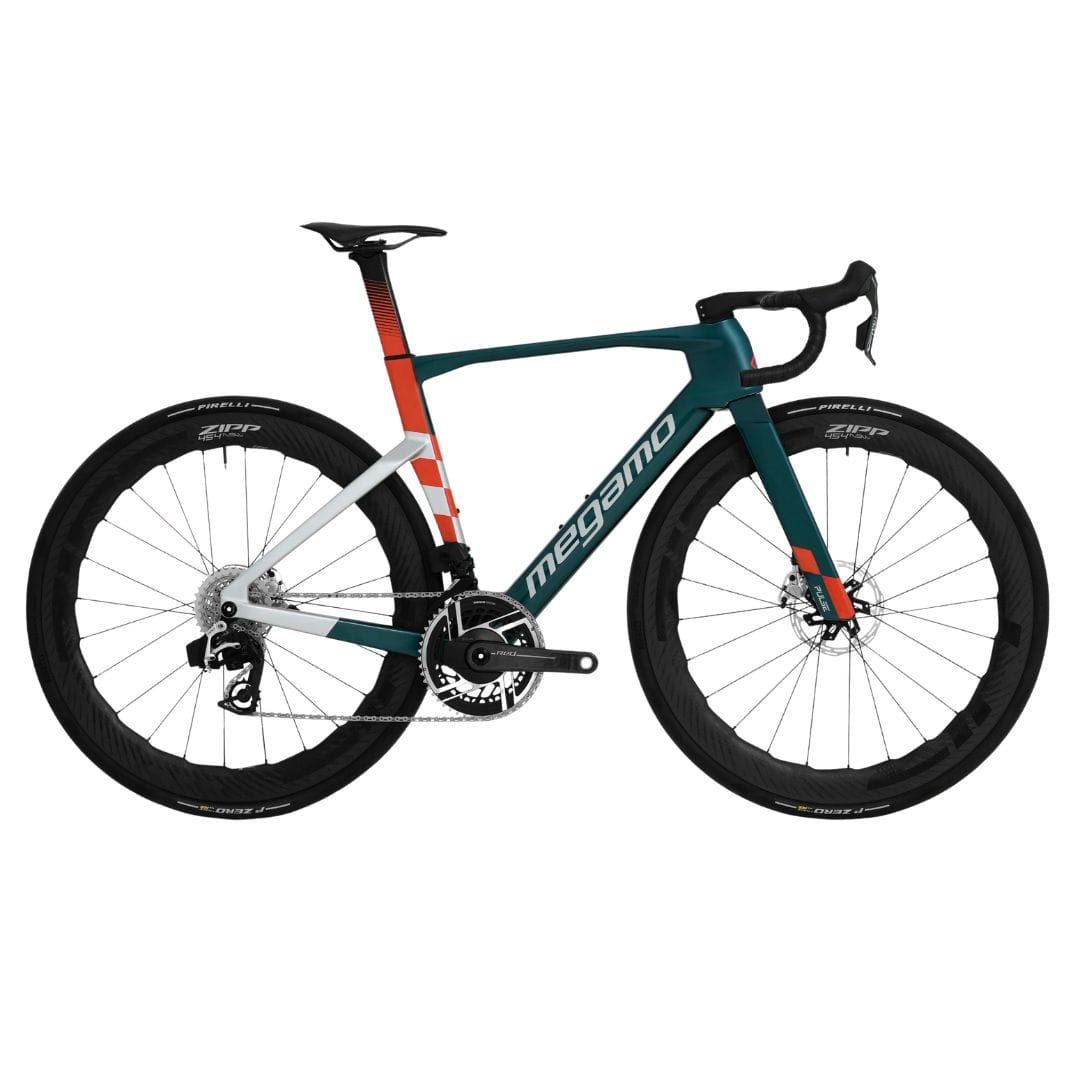
- Pulse 00 SLR : SRAM Red AXS Road with power meter, Zipp 454 NSW Carbon 58 mm wheelset, 9 999 €.
- Pulse 01 SLR : Shimano Dura-Ace Di2 with power meter, DT Swiss ARC 1100 Dicut 55 mm wheelset, 8 999 €.
- Pulse 02 SLR : SRAM Force AXS with power meter, DT Swiss ARC 1400 Dicut 55 mm wheelset, 6 499 €.
- Pulse 03 CW LTD : Shimano Dura-Ace Di2 with power meter, Zipp 404 S 50 mm wheelset, 5 999 €.
- Pulse 04 SLR : Shimano Ultegra Di2, Zipp 404 S 50 mm wheelset, 5 499 €.
- Pulse 07 SLR : SRAM Rival AXS with power meter, Zipp 404 S 50 mm wheelset, 4 999 €.
- Pulse 05 CW : Shimano Ultegra Di2, Zipp 404 S 50 mm wheelset, 4 999 €.
- Pulse 15 : Shimano 105 Di2, Fulcrum Racing wheelset, 3 499 €.
The most telling positioning is likely around the 4 999 € and 5 499 € builds. At this spec level, seeing Zipp 404 S carbon wheelsets and electronic drivetrains makes the Pulse quite aggressive in its spec-to-price ratio, at least compared with part of the aero road market.
Our take
The Megamo Pulse MY27 ticks many of the expected boxes for a modern road bike: refined aerodynamics, low weight, higher stiffness, integrated cockpit, T47, UDH, tidy GPS mount, and a well-equipped range of builds.
What makes it interesting is not just the spec sheet. Above all, it seems Megamo has understood that the high-performance road market is getting more rational. Riders want speed, yes, but also a bike that is usable, adjustable, stable, and whose price doesn’t feel like you’re paying only for a logo.






Reviews
There are no reviews yet.