Felt kicks off a strategic reset in 2026. Now 100% owned by Florian Burguet and Cesar Rojo, the brand is refocusing on performance bikes, with a simplified range geared toward real-world use.
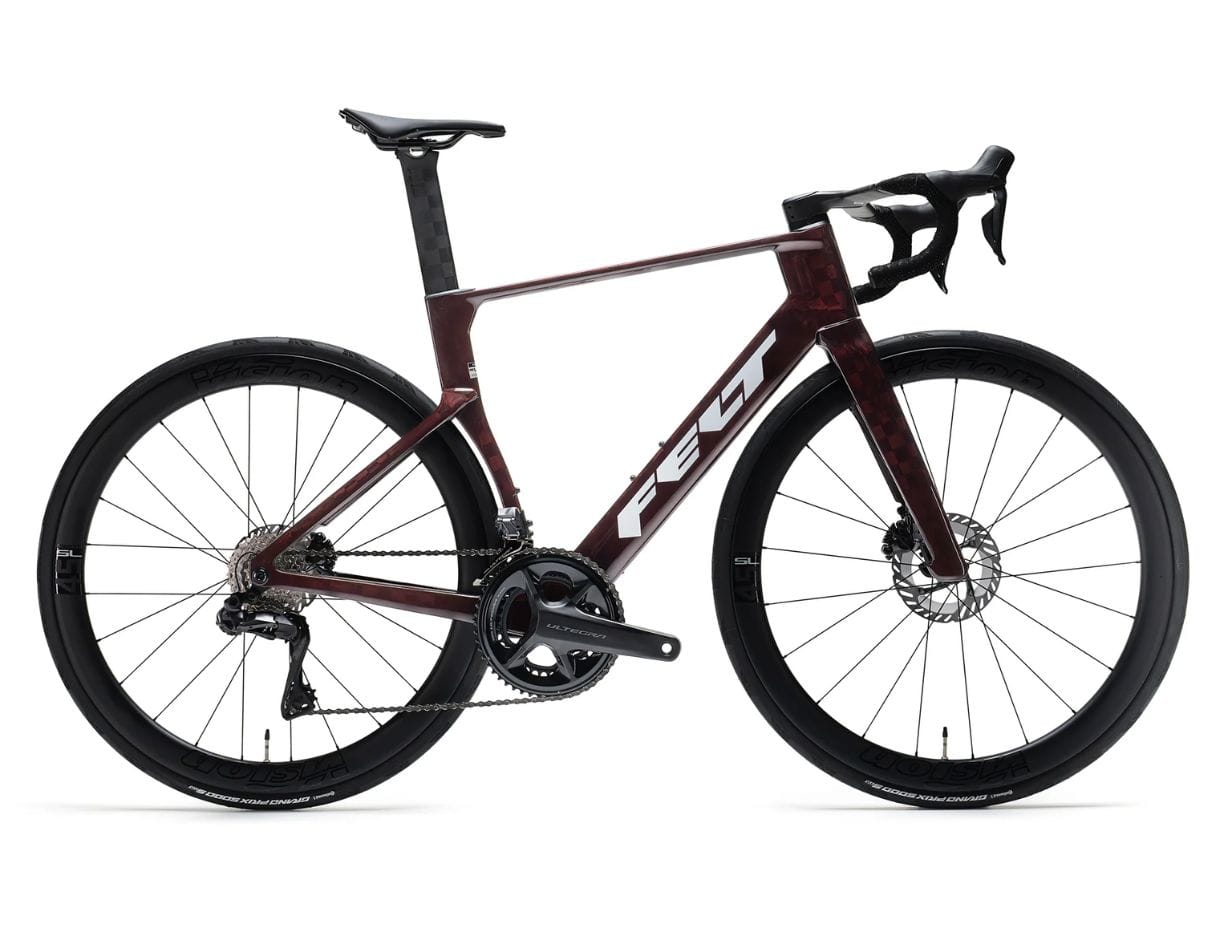
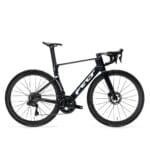
In this context, the Nexar replaces the AR, the long-running aero model launched in 2008. Its name – a contraction of “Next AR” – signals continuity while laying the groundwork for a new generation.
The brief is familiar on paper: blend aerodynamics, weight and position. Felt’s twist is making that mix workable for most riders, not just highly trained racers.
🚀 In brief:
The Felt Nexar replaces the AR and aims to blend aerodynamics, weight, and a more accessible position (taller stack, shorter reach).
Claimed 5% drag reduction vs the old AR at 40 km/h, within 4 W of class leaders.
Claimed weights: 800 g FRD frame (size 54) and 6.48 kg complete bike with Dura-Ace Di2.
Aerodynamics: near the top of the pack, no revolution claimed
Felt announces a 5% drag reduction compared to the old AR at 40 km/h, and a gap of less than 4 watts to class benchmarks.
Unfortunately, we haven’t been given more data to dig deeper into these claims.
The gains come from evolutions now standard fare in the category: fully integrated cockpit, slimmer tube profiles, and cleaner transitions between frame elements. The brand also mentions work on rider position to reduce frontal area.
This is more incremental refinement than a step change in technology.
Weight: an aggressive stance for an aero bike
This is probably the most striking point on paper.
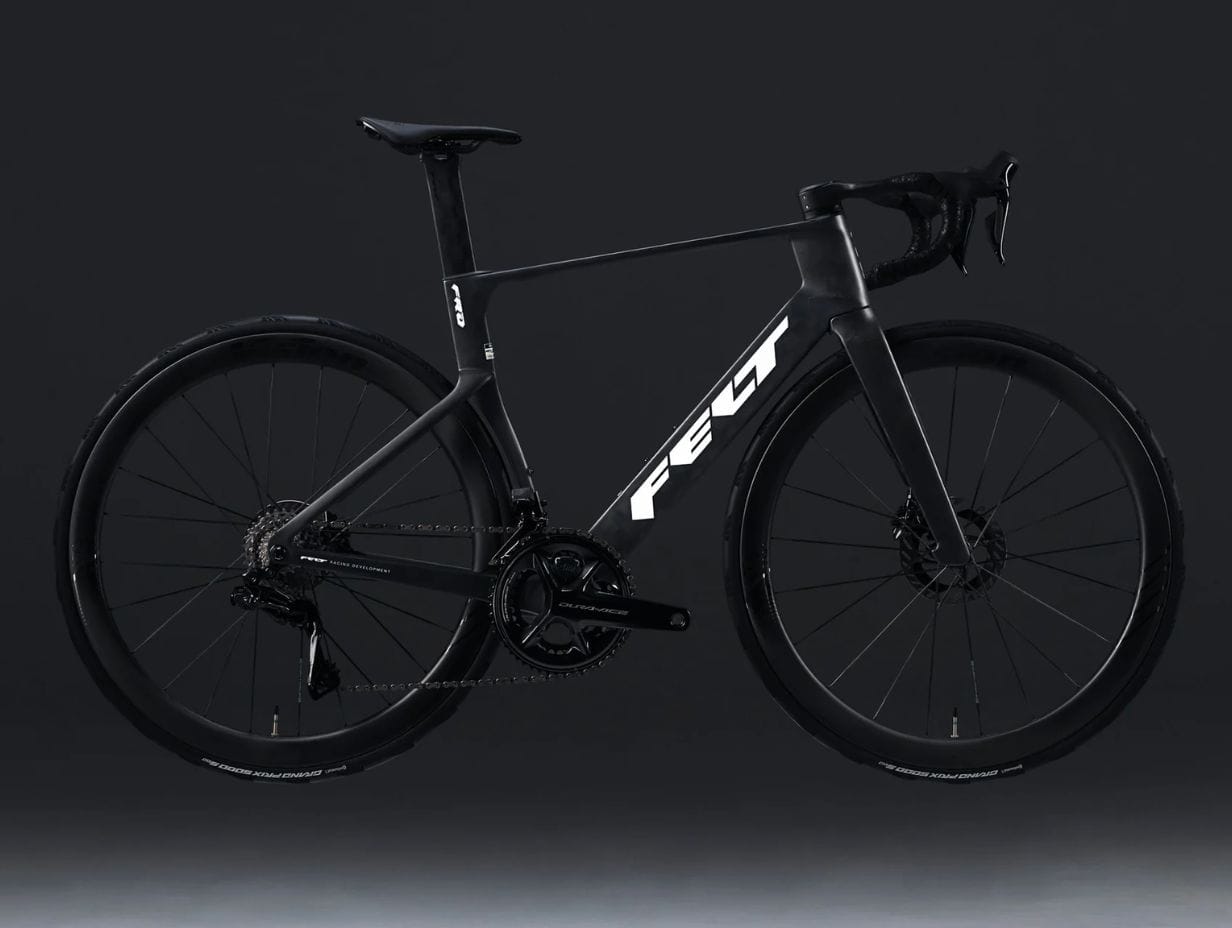
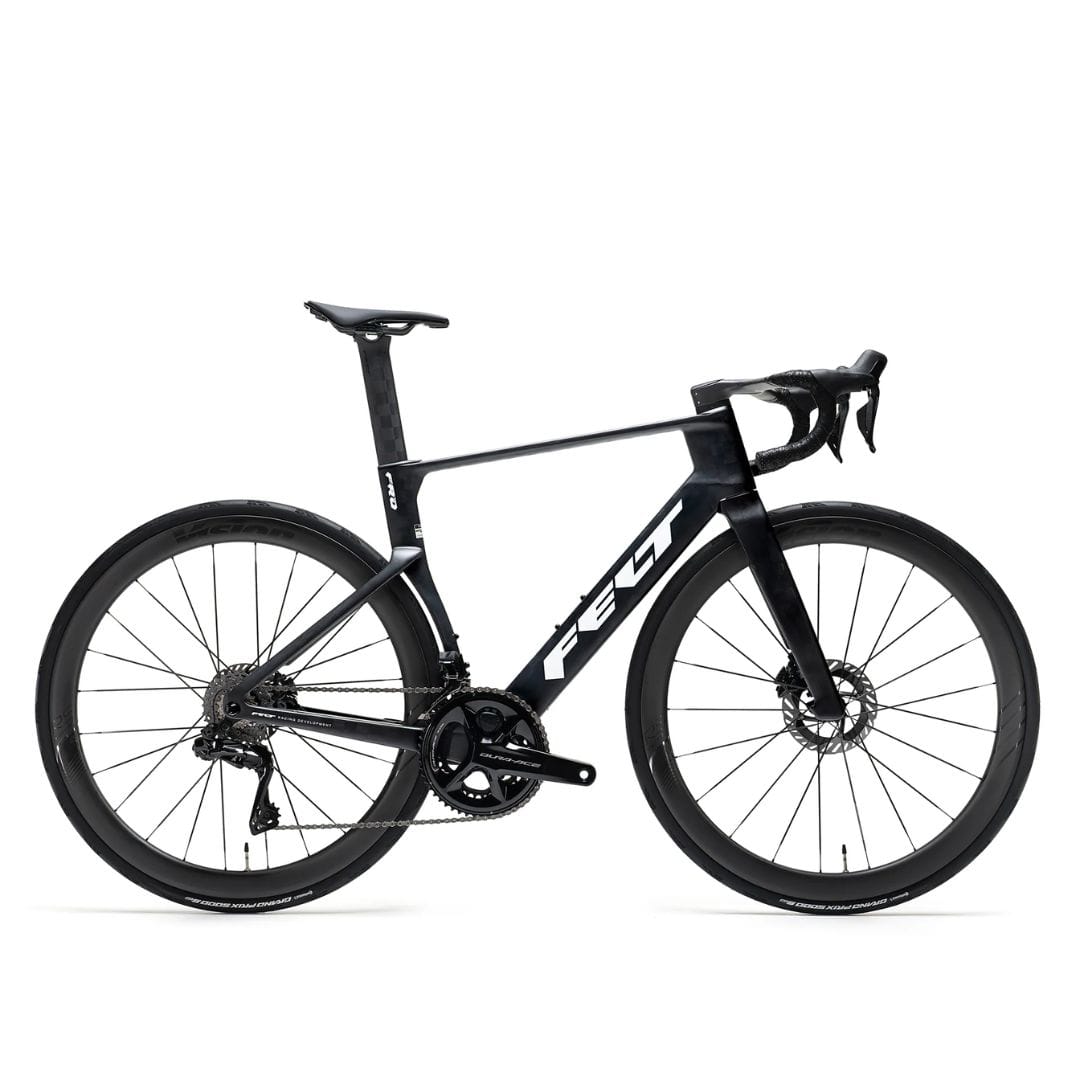
Felt claims an FRD frame at 800 g in size 54, and a complete bike at 6.48 kg in a Dura-Ace Di2 build. Those figures place the Nexar among the lightest aero bikes on the market, below the UCI limit.
The brand highlights work on carbon layup and construction to preserve stiffness and precision at this weight.
Geometry and fit: a more modern (and less elitist) approach
This is where the Nexar stands out more.
Felt shifts the geometry toward a slightly taller stack and a shorter reach. The aim is clear: let more riders hold an efficient position over time without demanding a hyper-aggressive posture.
The brand also introduces seven frame sizes and adapts crank length by size, between 165 and 170 mm. The idea is to ensure biomechanical consistency across the range.
We’d still have liked the option of even shorter cranks, especially on the smallest frames. And note the size labels don’t align between the geometry chart (44, 49, 52, 54, 56, 58, 61) provided by the brand and those listed on the sales page (45, 48, 51, 54, 56, 58, 61).
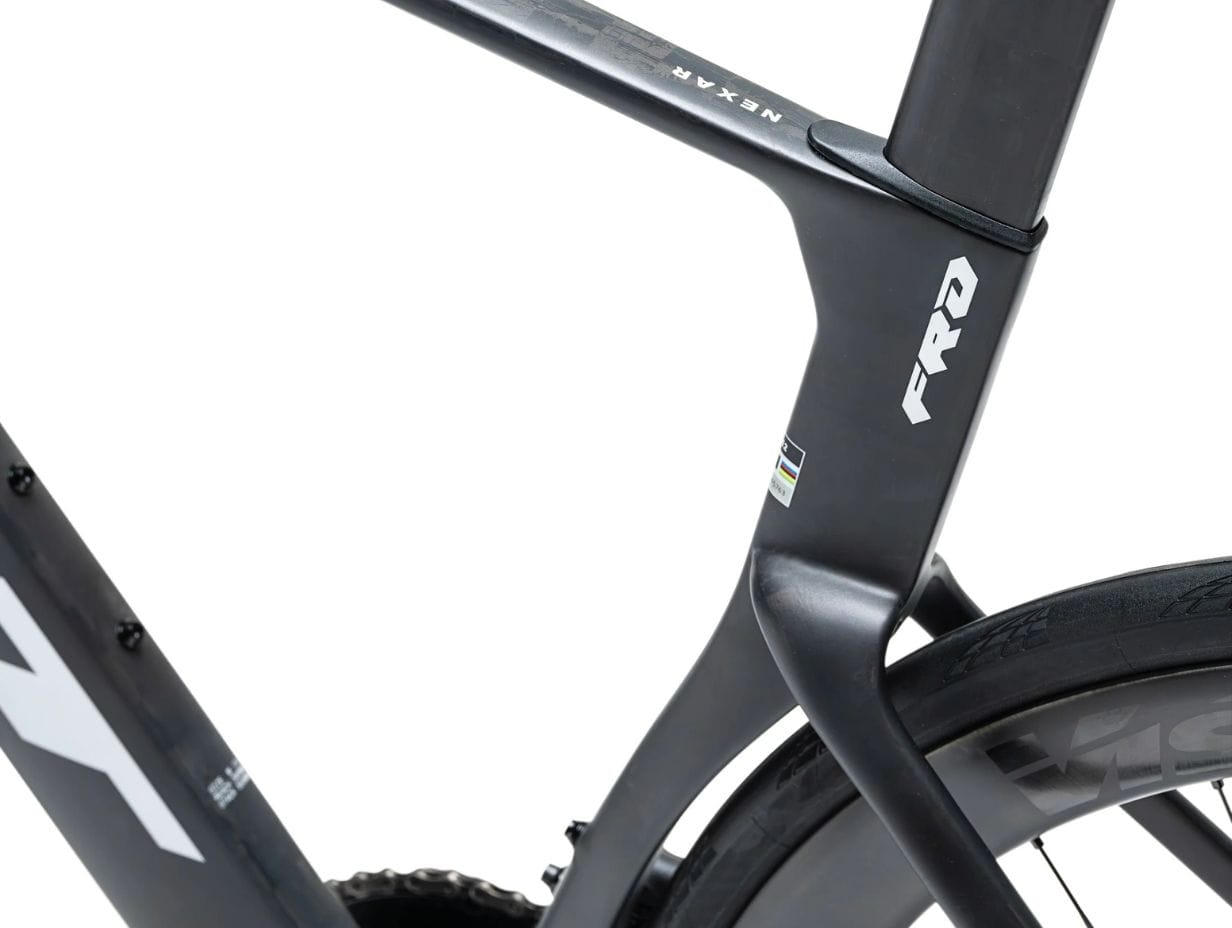
The seat tube adopts a steeper angle, encouraging a more forward position over the bottom bracket, while the zero-offset seatpost aligns with that positioning logic.
A reworked frame for greater road versatility
Even if the Nexar remains a pure aero road bike, some updates reflect how people ride today.
Tyre clearance up to 32 mm puts the bike in line with part of the market, even if it doesn’t match the most generous figures on some recent rivals.
Felt also says it reworked the rear triangle, with dropped seatstays to improve compliance, and a reinforced bottom bracket area to optimise power transfer.
Even though the brand does not mention it specifically, the frame is indeed compatible with the UDH standard.
Range and pricing: a structured lineup, no direct sales
The Nexar will be available in seven sizes, with several build levels.
The top-spec FRD model with Shimano Dura-Ace Di2 is listed at 6.48 kg for £9,899.
The Pro version with Ultegra Di2 comes in at 7.04 kg for £7,013, while the Expert and Race builds, in Ultegra Di2 and 105 Di2 respectively, are quoted at 7.53 kg and 7.96 kg.
An FRD frameset is also offered. We do not yet have euro pricing.
Felt remains committed to distribution through a network of specialist retailers, with no direct-to-consumer sales.
Our take on this Felt
Felt is clearly back in the conversation with a coherent proposition, albeit one that takes a slightly different tack from some competitors.
The headline here isn’t the aero gain or the weight – both now right up with the segment’s upper tier – but the work on position. Opting for more stack and less reach runs counter to the most uncompromising aero bikes.
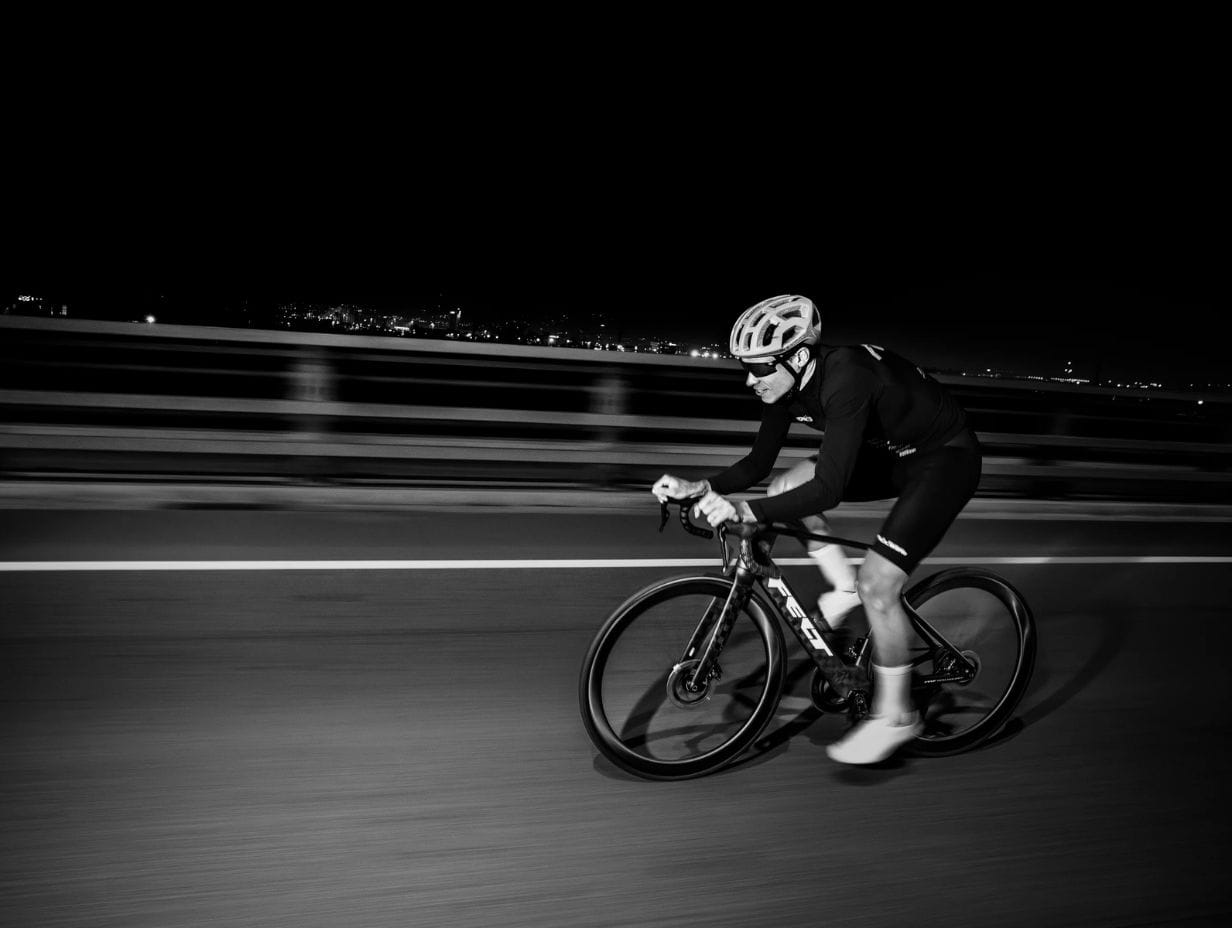
On the road, that could let more riders maintain an efficient position for longer, without resorting to extreme set-up.
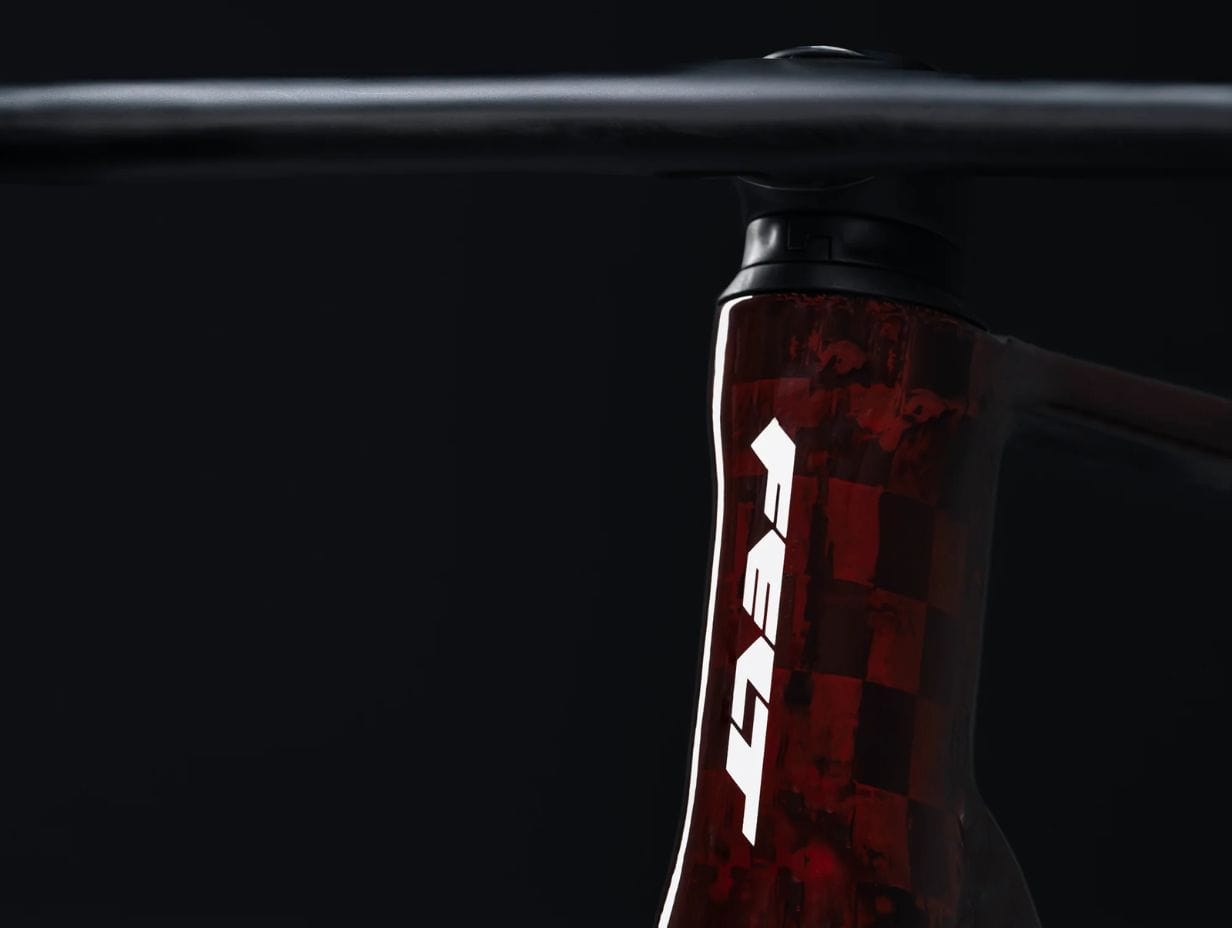
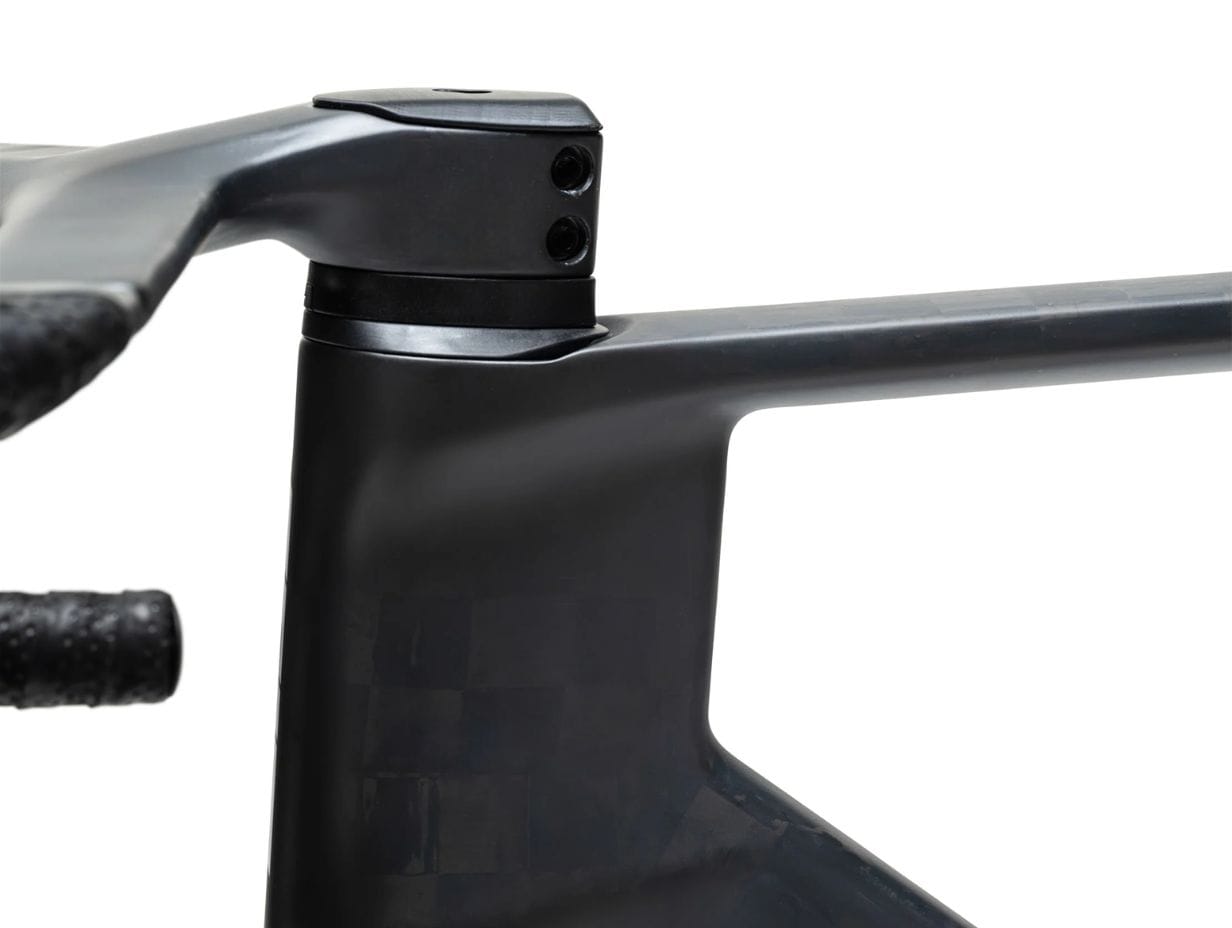
The frame’s sloping top tube and pronounced cockpit integration reinforce that intent. This looks like a bike built to make speed usable, rather than to maximise it only on paper.
Whether that approach will find its audience – and whether Felt can regain visibility in the European market, where competition is highly structured today – remains to be seen.






Reviews
There are no reviews yet.