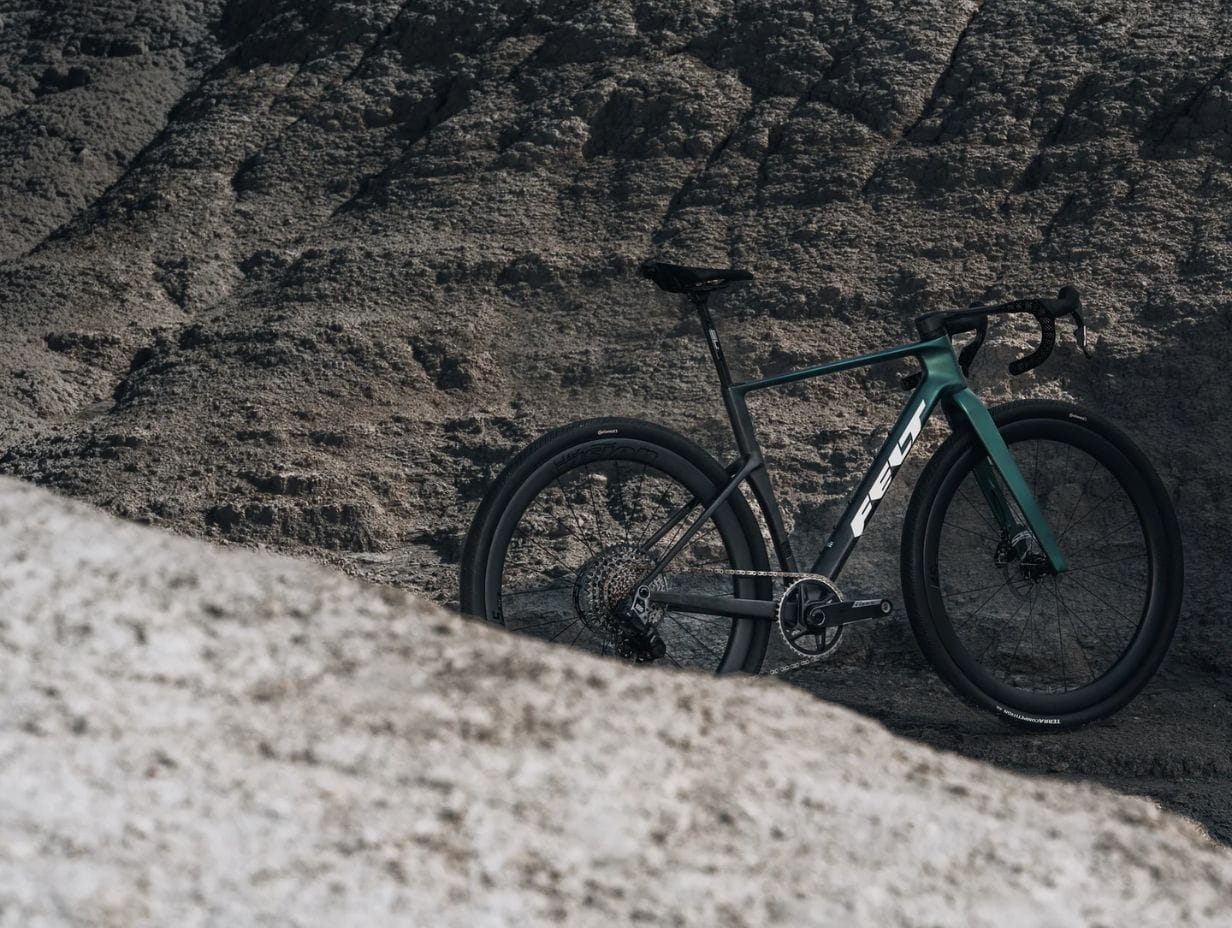
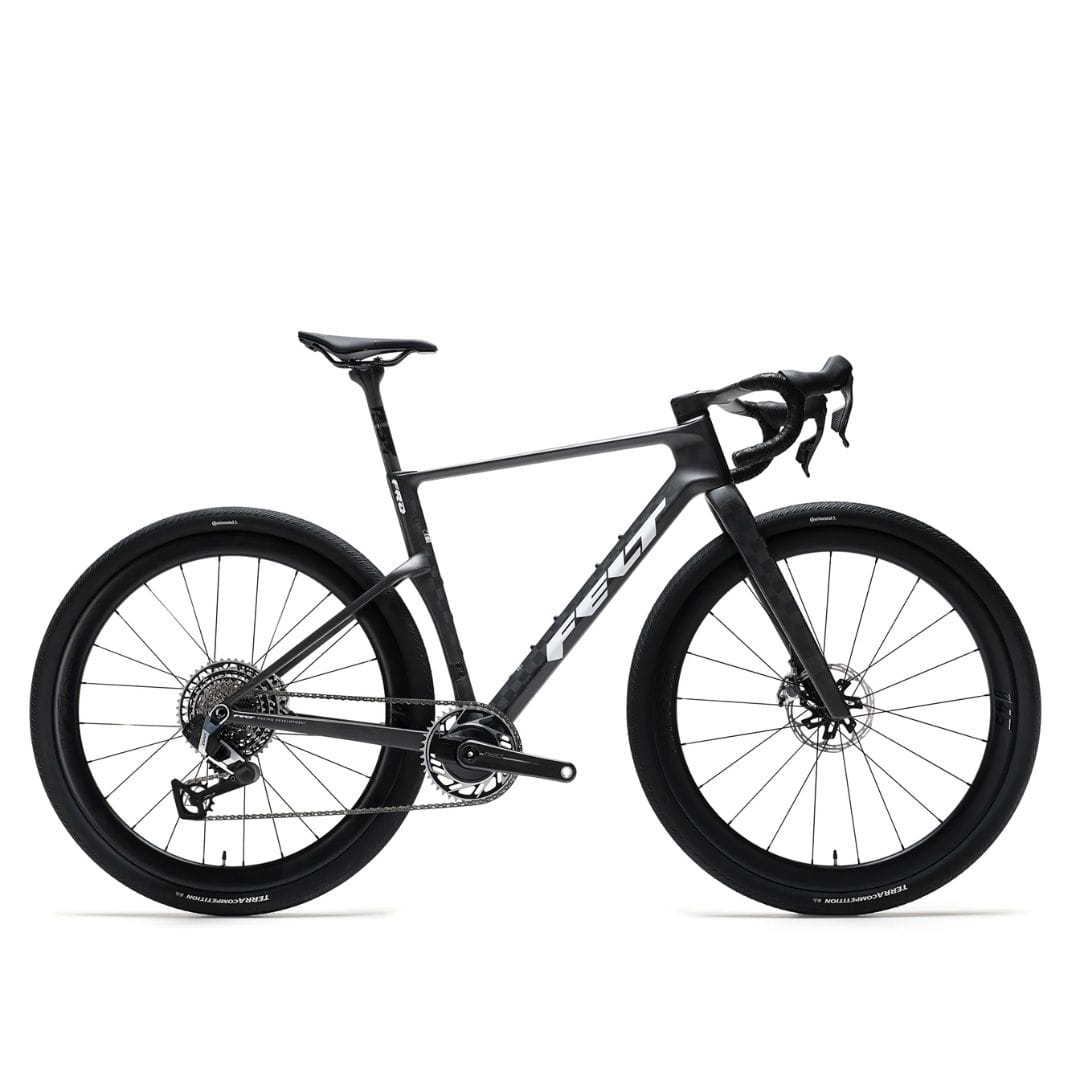
A few weeks after unveiling its new road bike, Felt updates one of its most important models: the Breed. And it’s no minor cosmetic tweak. The American brand has thoroughly reworked its signature gravel bike, with a very current take on gravel racing: lighter, more aero, more integrated, yet still built for long, fast races, rough tracks and US-style formats.
🚀 In brief:
Felt overhauls its Breed, its most iconic gravel race bike.
The FRD frame is claimed at 950 g, with a complete bike at 7.037 kg in size 54.
Tyre clearance rises to 54 mm at the front and 52 mm at the rear.
The Felt Breed does not come out of nowhere. The previous generation had already made its mark with a fairly clear vision: a race-focused gravel bike, but not just a widened road bike. It already featured generous tyre clearance, multiple bottle-cage mounts and a performance-oriented geometry. A formula that might have seemed quite radical at the time, but today looks very much like what many brands are trying to offer.
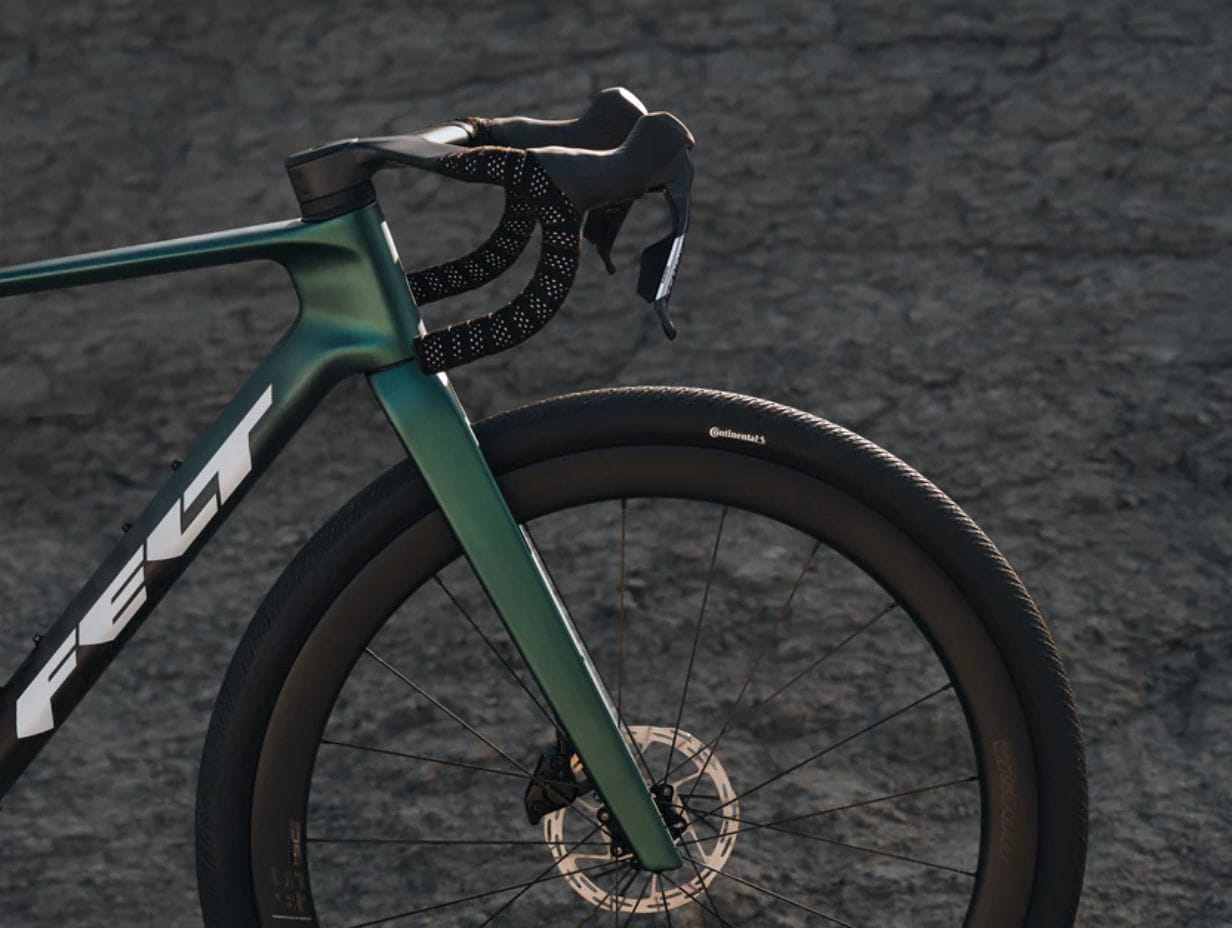
With this new generation, Felt goes further. The Breed FRD is claimed at 7.037 kg in size 54, with a 950 g frame and a one-piece carbon cockpit that the brand says comes in under 300 g. Felt also claims a 10.5% drag reduction compared to the previous generation. Ambitious figures that clearly place this bike in the modern gravel race category.
A lighter Breed, but not minimalist
The number that inevitably grabs attention is the weight. Felt claims 7.037 kg for the Breed FRD equipped with SRAM Red AXS XPLR, in size 54. For a gravel bike that comes stock with 45 mm tyres, disc brakes, an electronic groupset and a true race frame, that’s very low.
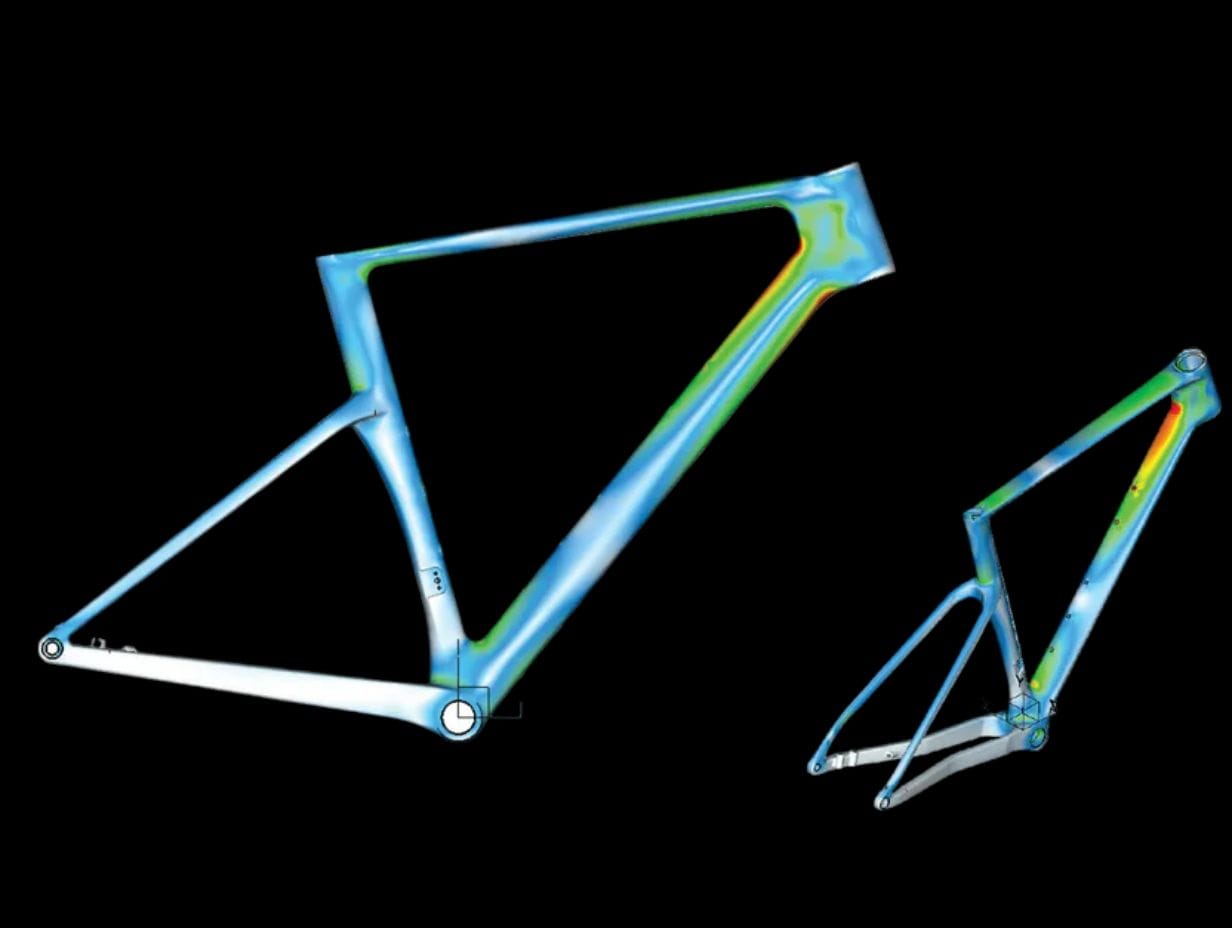
The FRD frame is claimed at 950 g. Felt says it has worked on the carbon layup using finite element analysis to reinforce the areas that are truly stressed and lighten those that are less so. That is the standard high-end carbon frame playbook, but the goal here is clear: reduce weight without turning the bike into a machine too fragile for gravel.
The brand announces a 22.8% weight saving compared to the previous generation. That is huge on paper. It remains, of course, to be seen in the field how this quest for lightness translates into handling, comfort and durability. A gravel race bike isn’t judged solely on the scales.
Aero really makes its way into gravel
The other major focus of this new Breed is aerodynamics. Felt claims a 10.5% drag reduction compared to the previous generation. The work involves cleaner tube profiles, a slimmer integrated cockpit, dropped seatstays and an overall architecture closer to modern aero road bikes.
It makes sense. Competitive gravel is evolving fast, and the races are increasingly won at high speed, in groups, with rolling sections where aero really matters. One can always debate the relevance of full integration on a bike destined for dust, vibration and the occasional impact, but the market direction is quite clear.
The Breed follows this trend. It does not aim to be an adventure or bikepacking gravel bike. It is a bike designed to go fast.
A road-inspired geometry, adapted to gravel
Felt says it has brought the Breed’s position closer to that of its aero road platform, while retaining the adjustments required for gravel. The idea is simple: allow riders coming from the road to find an efficient position, without making the bike unmanageable when the terrain deteriorates.
The brand mentions a slacker head angle to improve control on loose surfaces, and a longer wheelbase for greater high-speed stability. This is exactly the compromise sought on today’s gravel race bikes: retain real pedalling efficiency, but avoid an overly twitchy bike as soon as the track gets rough.
The Breed will be offered in six sizes. Felt also insists on size-specific geometry, which matters on this type of bike. Too often, the smallest and largest sizes inherit less coherent compromises.
Big tyres, bottles, dropper post: the Breed remains very gravel
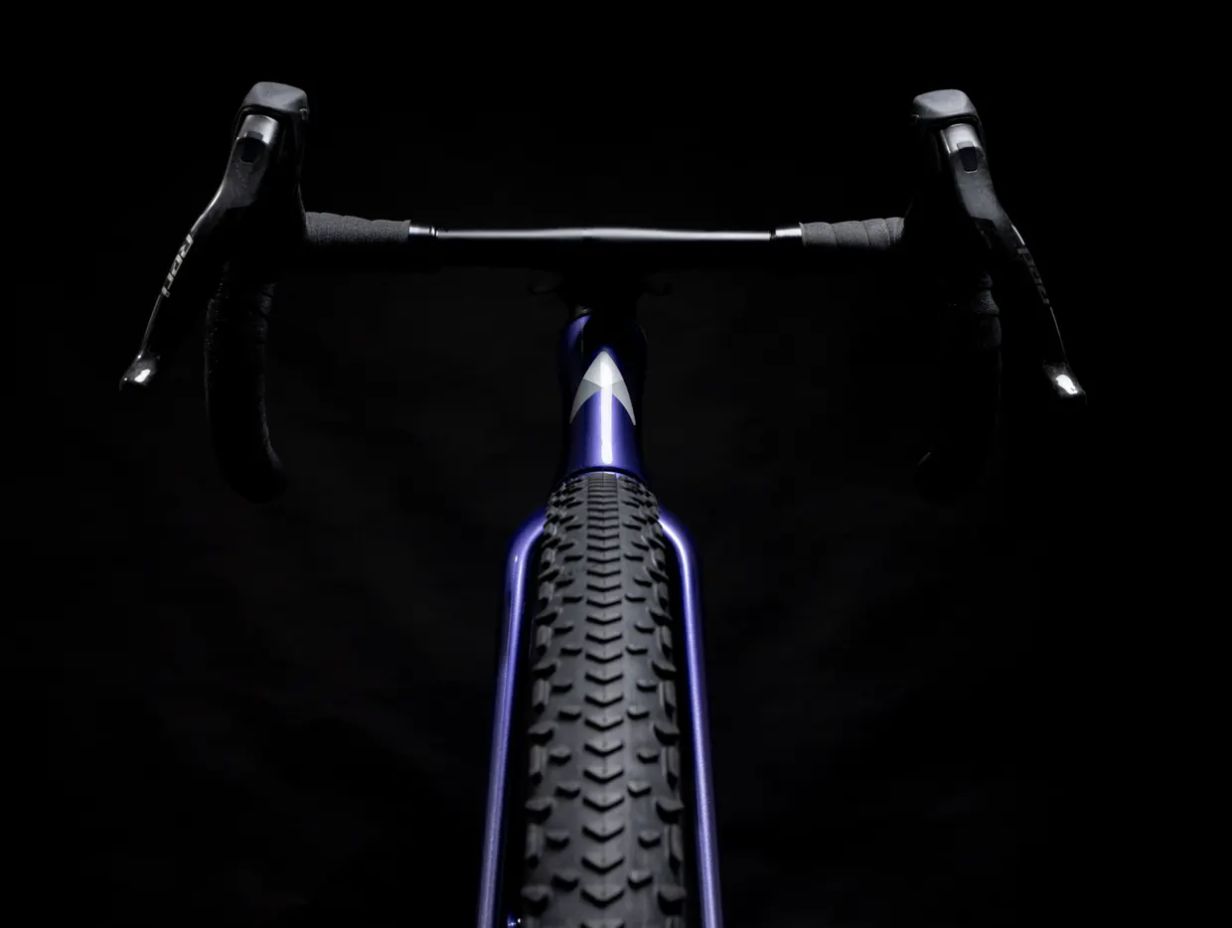
This new Breed does not fall into the trap of an overly road-biased gravel bike. Stated clearance is generous: up to 54 mm at the front and 52 mm at the rear. Complete builds come with Continental Terra Competition tyres in 700 x 45 mm depending on version.
This is probably one of the most interesting aspects of the bike. Felt embraces a race approach without limiting the bike to 40 or 42 mm tyres. On US formats, where the tracks can be very fast but also very rough, this choice makes sense. More volume means more comfort, more grip, and often more real-world speed when the terrain is not perfectly smooth.
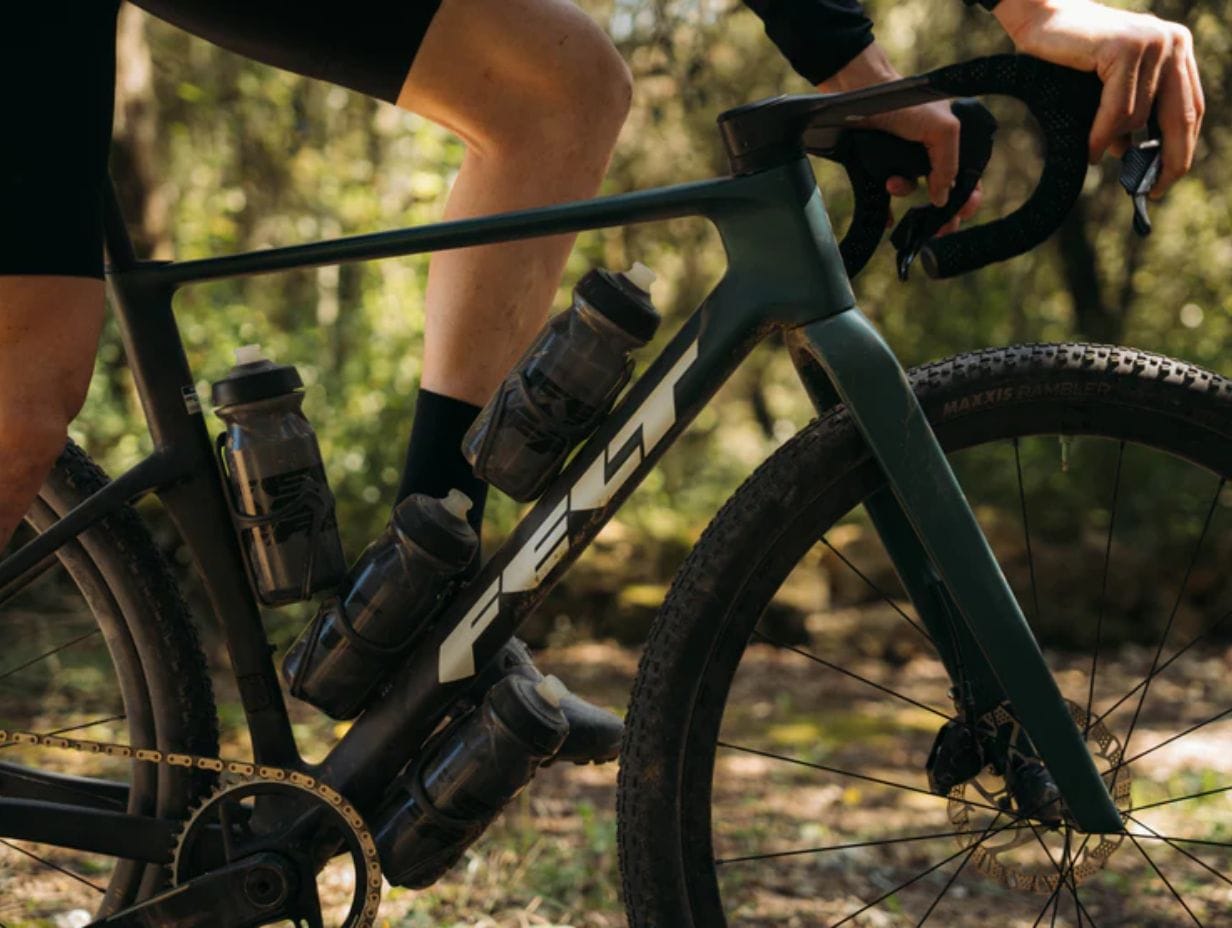
The frame also takes up to four bottle cages and remains compatible with a dropper seatpost. Felt also mentions a geometry compatible with gravel suspension forks. Again, you can sense the influence of American gravel: self-sufficiency, adaptability and the ability to handle long distances.
A full range built around the same chassis
The range includes several versions:
- Breed FRD SRAM Red AXS XPLR PWR,
- Breed Pro SRAM Force XPLR PWR,
- Breed Expert SRAM Rival XPLR,
- Breed Race SRAM Apex S-1000 Mullet,
- as well as an FRD frameset.
The top-tier FRD gets the lightest 12K carbon, the SRAM Red XPLR AXS groupset, a power meter and Vision 45 SC SL wheels. The more accessible versions step down progressively, notably to Force, Rival or Apex depending on the build.
The FRD frameset is claimed at 1.92 kg with cockpit, according to Felt’s spec sheet. That is appealing for those who want to build a very personal gravel bike, with their wheels, groupset and cockpit.
Our take on this Felt Breed
This new Felt Breed ticks many of the boxes of modern gravel racing: low weight, integration, aero, generous tyre clearance, quick geometry and genuine carrying capacity. On paper, it is clearly one of the bikes that best summarises the current evolution of performance-focused gravel.
Felt is not trying to make a gravel bike for everyone. The new Breed embraces a very American interpretation of the discipline: ride fast, with tyre volume, self-sufficiency and a true long-distance racing logic.
We will, however, regret the absence of an internal storage solution, which, in my view, is a near deal-breaker on a modern gravel race bike.
Now we will have to see whether that promise holds once the tyres hit the dust.







Reviews
There are no reviews yet.